What Is Going On
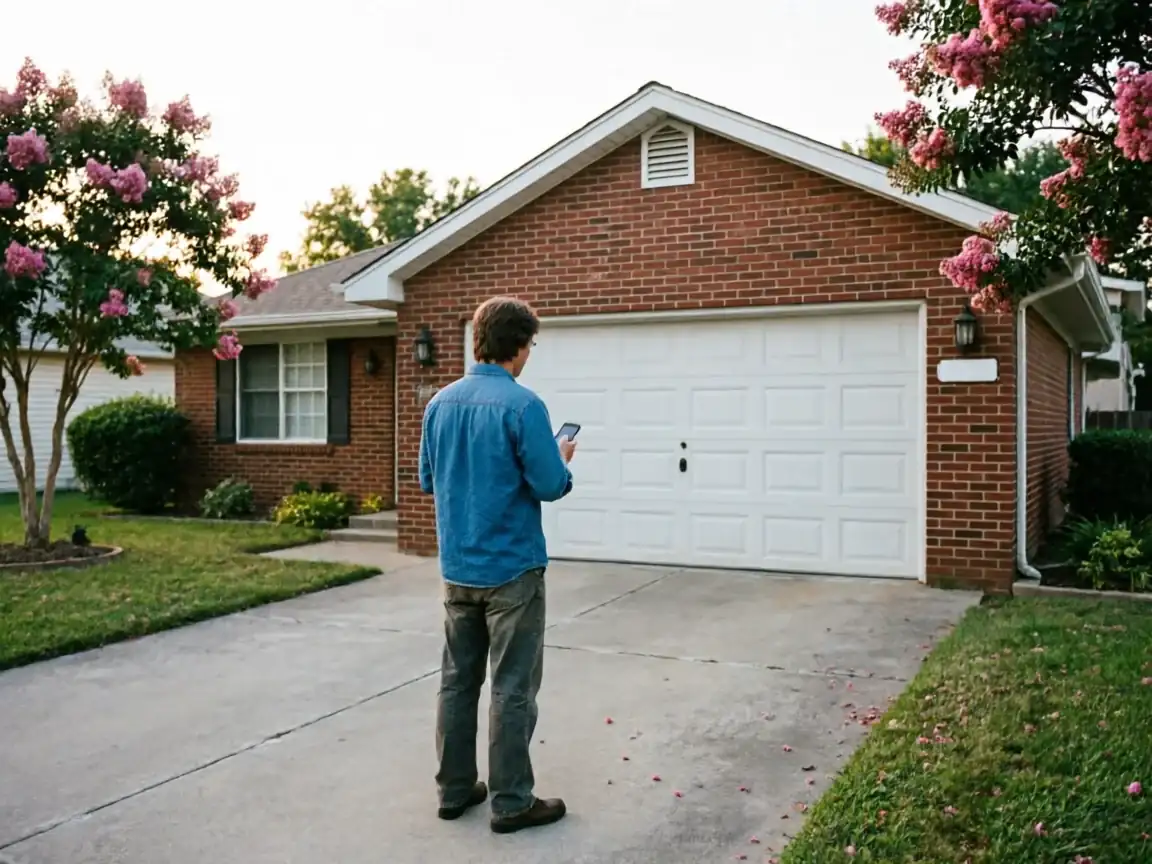
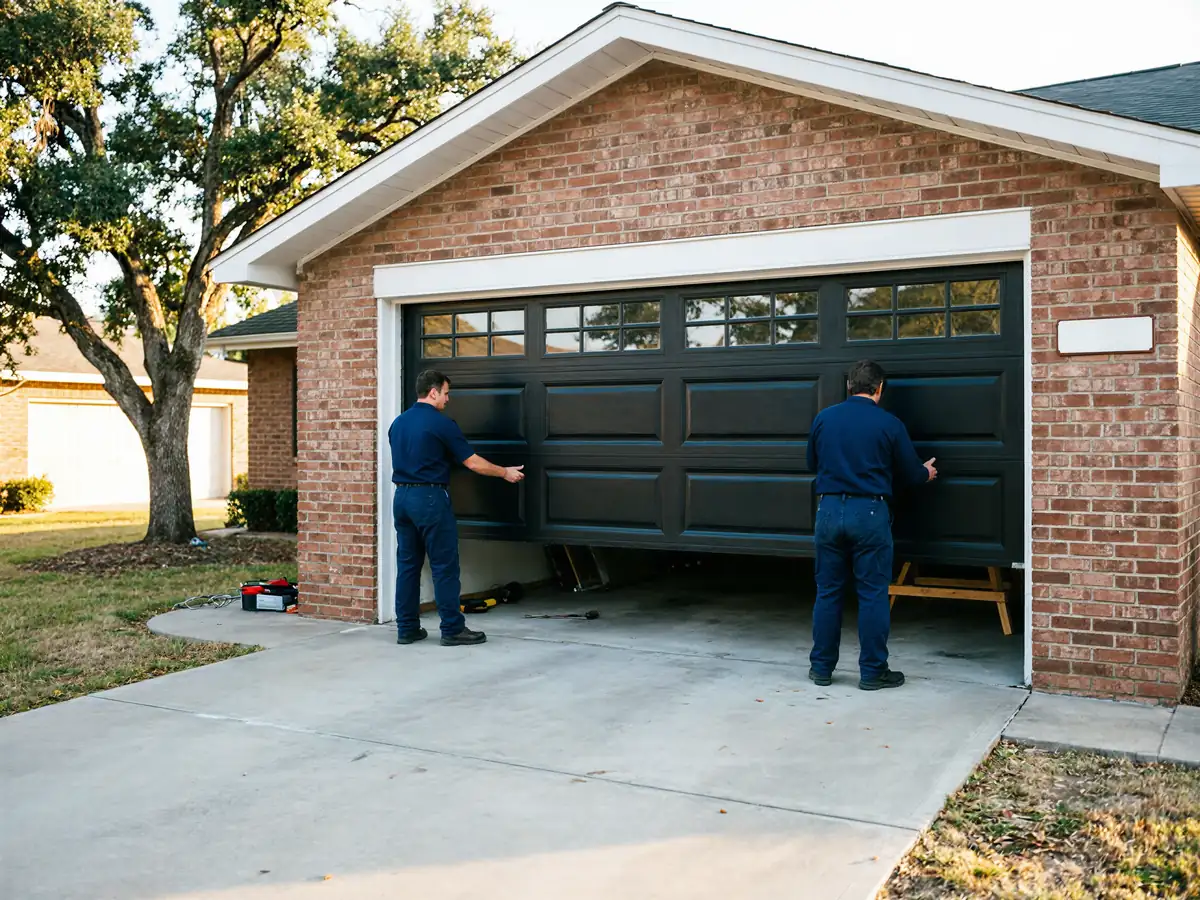
Across the five neighborhoods we work in, housing stock clusters tightly in one window: 1978 to 1993, with 1984 sitting right in the middle. That's not a small detail. A garage door installed when a house was built in 1984 is now pushing 40 years old if nobody has touched it, and most homeowners never think about the door until it stops moving.
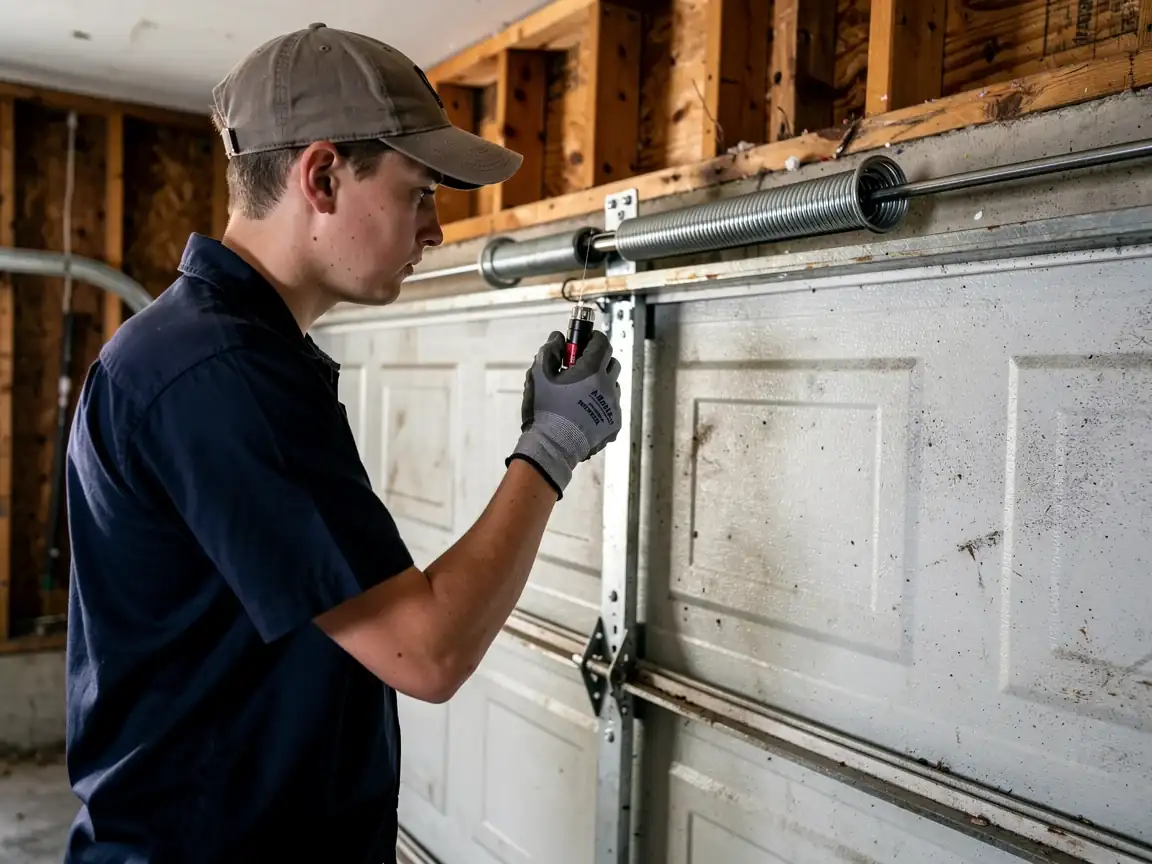
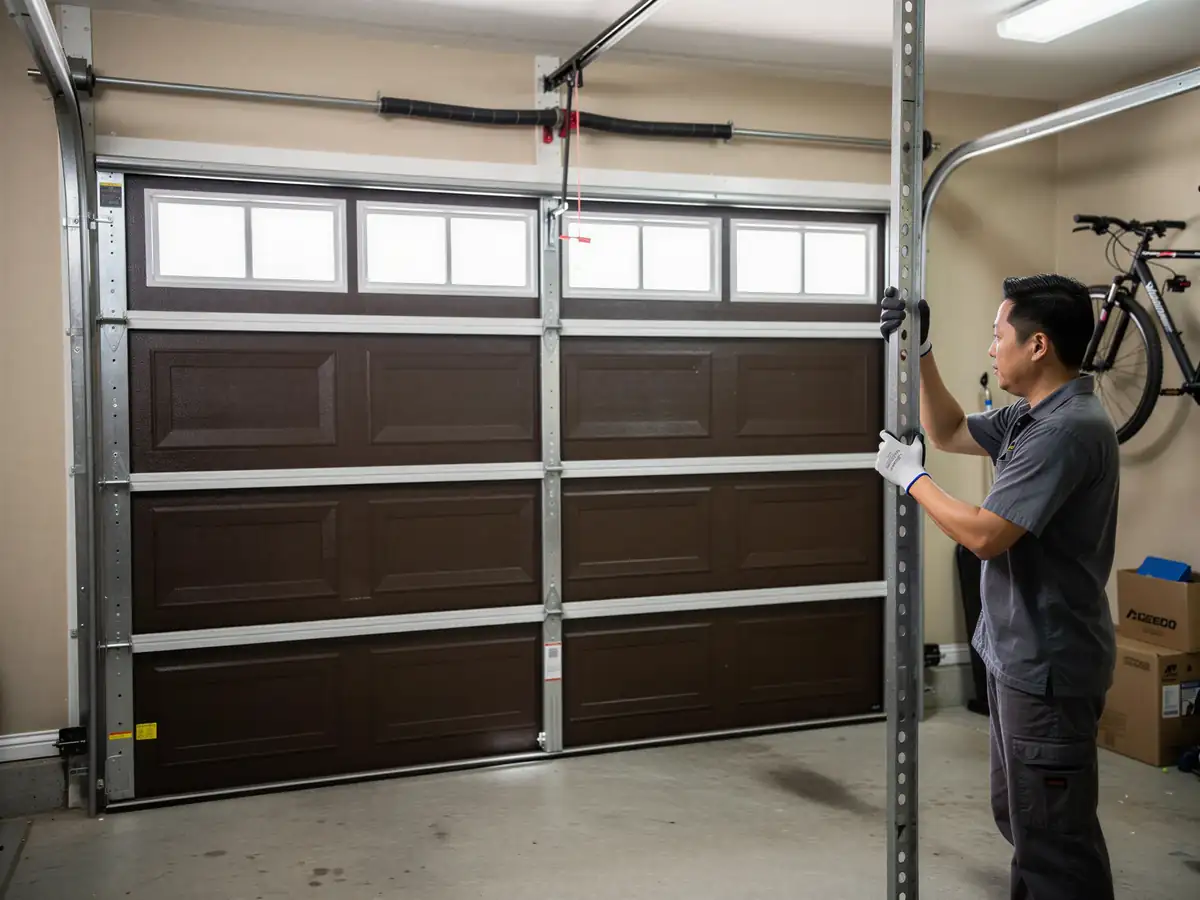
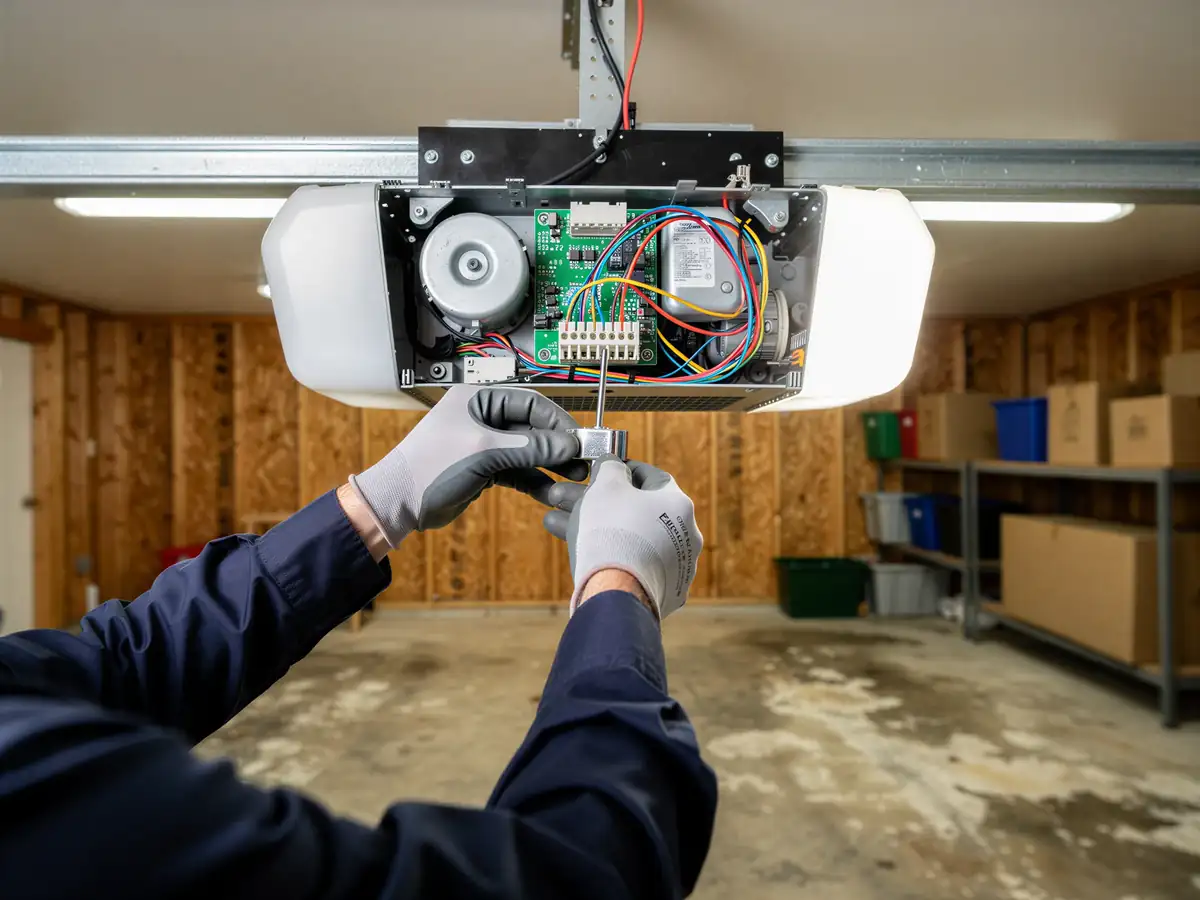
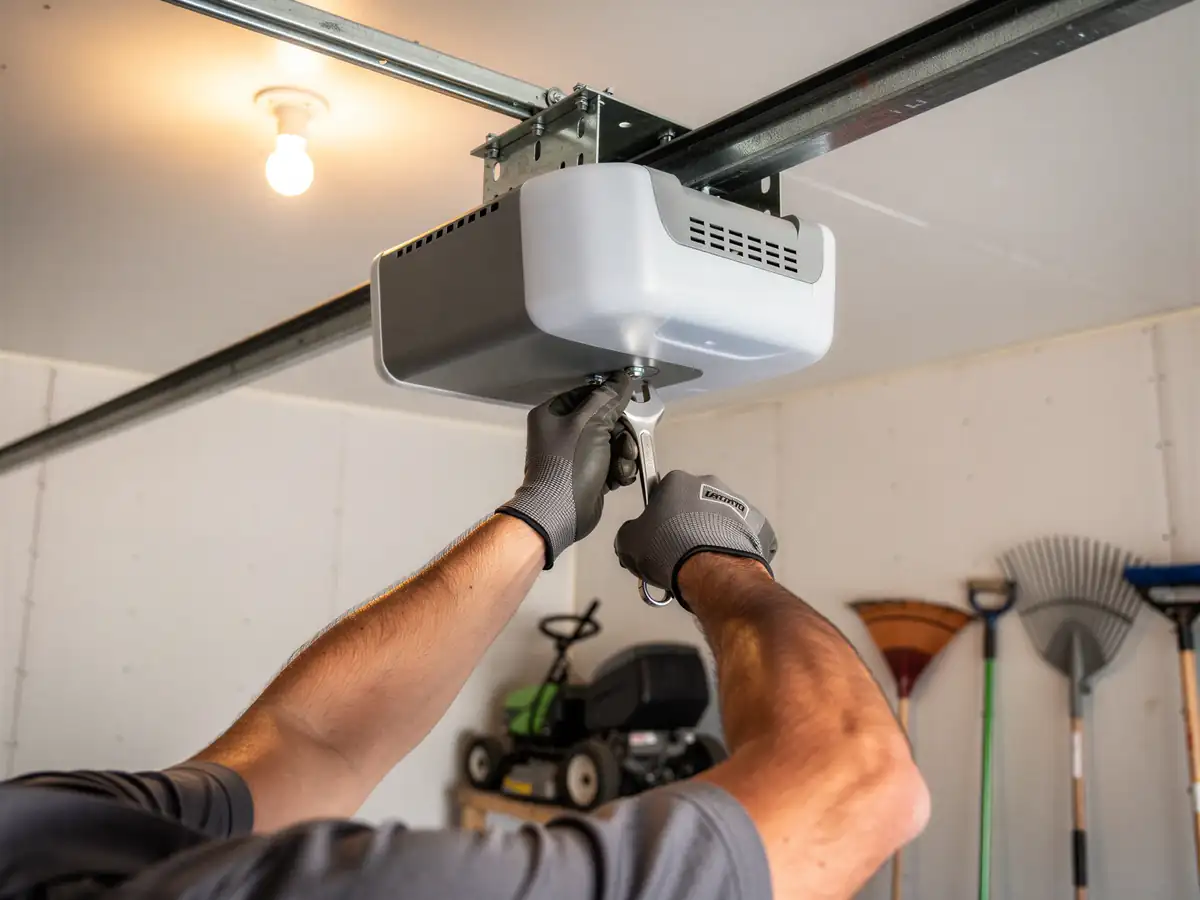
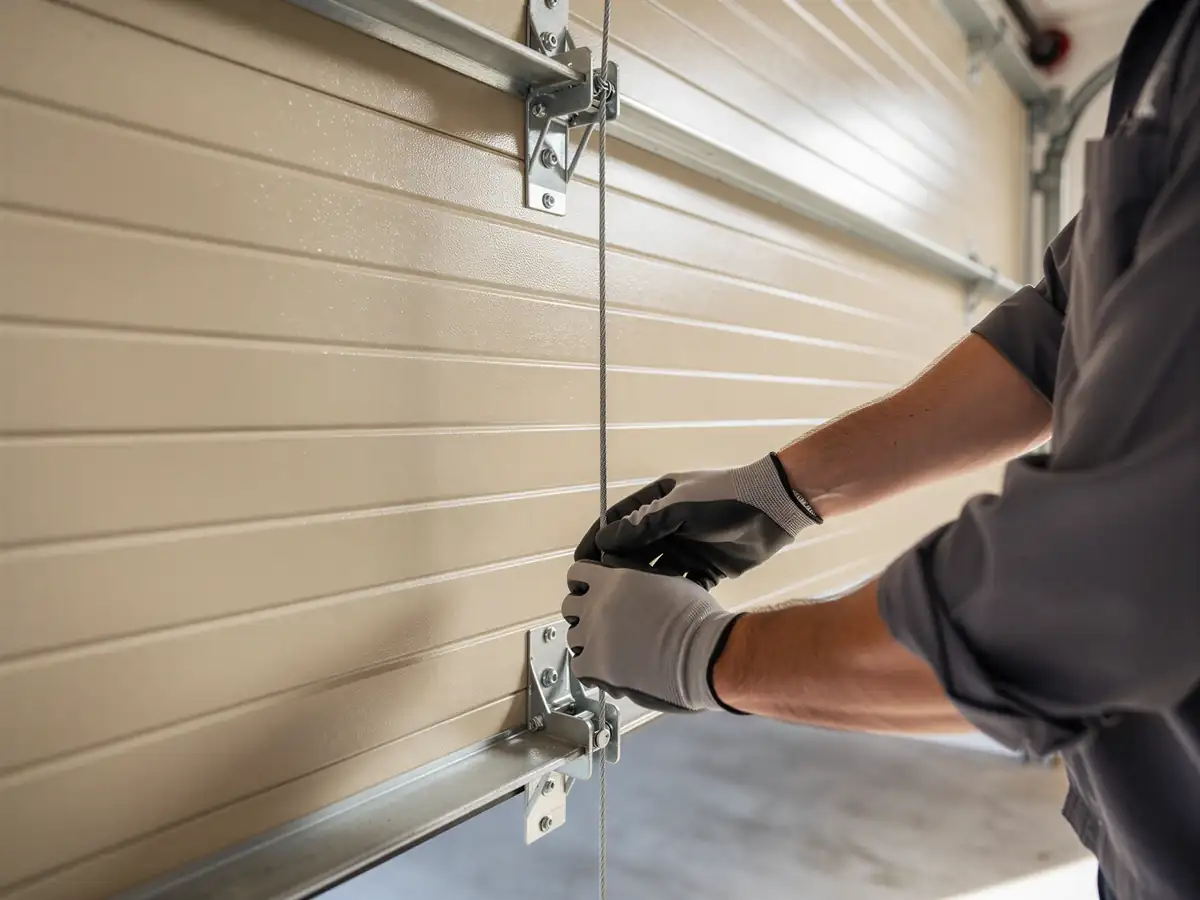
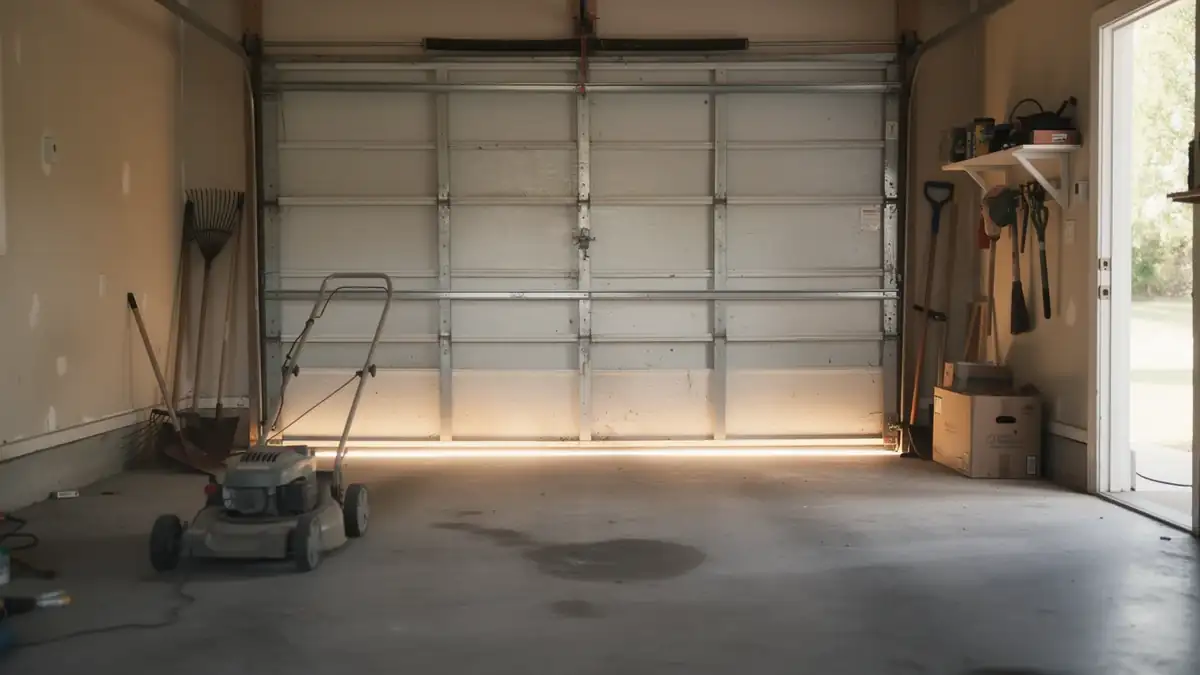
What we actually find on these jobs is pretty consistent. Original steel sectional doors, often single-layer with no foam core, hung on torsion springs that were never rated to last four decades of daily cycles. Chain-drive openers from the same era, sometimes the original unit, sometimes a 1990s or early-2000s replacement bolted onto hardware that's still original. The door panels usually outlast the springs and the opener by a wide margin, so a lot of these jobs aren't full replacements - they're a spring and opener catching up to a door that's still structurally fine.
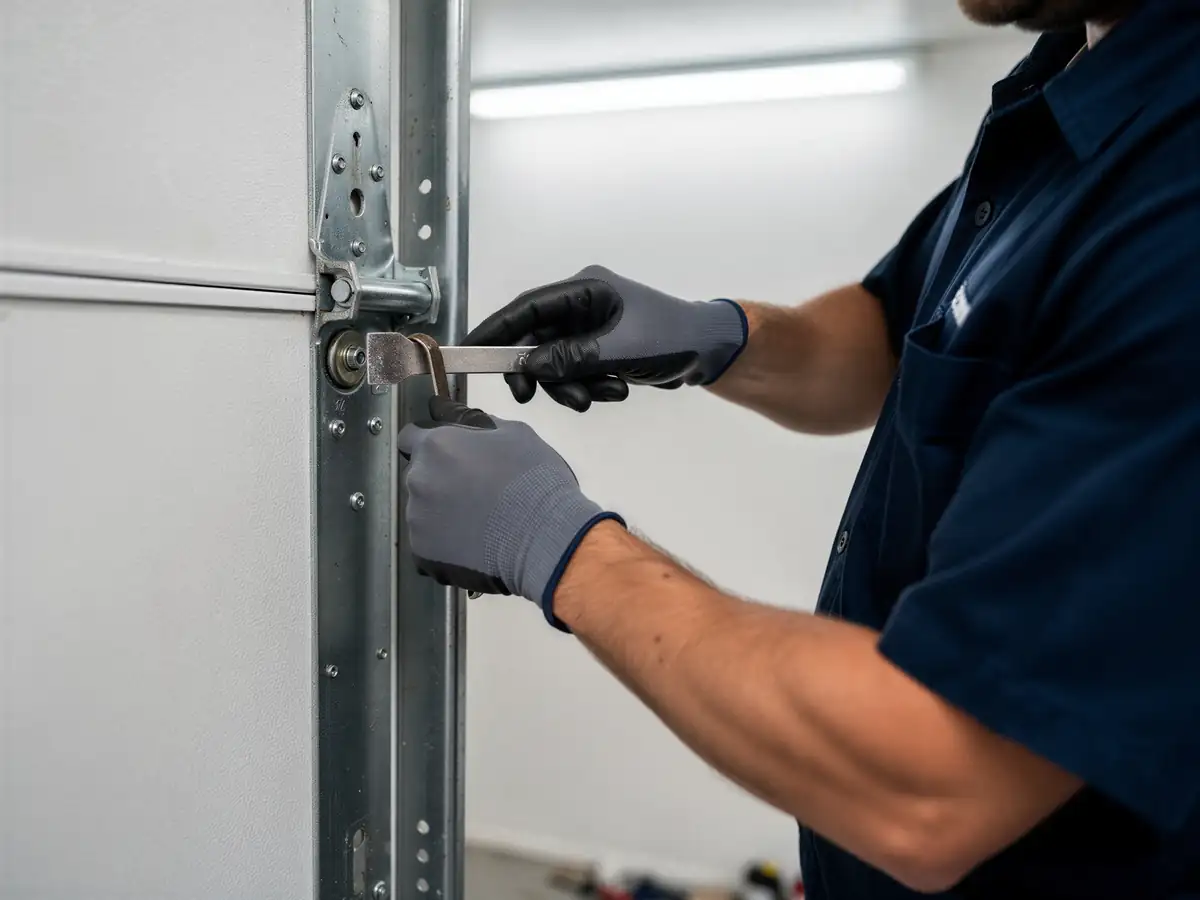
The five areas share this age profile closely enough that we see the same failure patterns job after job: worn rollers, fraying cables, and openers that grind instead of lift. It's less about any one house and more about a whole stretch of the area being built in the same fifteen-year window.
How Local Conditions Play In
The climate here sits in a mild temperate band, which actually works in your favor compared to places with hard freezes or extreme heat swings. You don't get the track contraction and expansion cycles that crack welds or seize rollers the way a harsh winter-summer swing does further north. That means when a door from this era fails, it's usually age and cycle count doing the damage, not weather stress on the metal.
What that also means is you can't blame a sudden cold snap or heat wave for a spring that snaps on a Tuesday afternoon. If a torsion spring from a 1984-built house finally lets go, it's because it's been wound and released tens of thousands of times over decades, not because the weather did anything unusual. We mention this because people sometimes look for an external cause - a storm, a cold morning - when the real cause is simply that the spring reached the end of its rated life a long time ago and nobody replaced it on schedule.
The upside of a mild climate is that once we put in new hardware, it's not fighting the same seasonal stress other regions deal with. A properly sprung and balanced door here should run clean for a long stretch without weather-driven surprises.
The Cost of This Job
With a median household income of $82,018 across the area and 15,503 owner-occupied houses out of 23,059 total households
We see a wide range of what people are willing to spend on a garage door repair versus a full replacement. We don't have a set price list to quote here, and job cost depends on what's actually wrong once we're looking at the door in person.
- $82,018 median household income
- 15,503 owner-occupied
What we can say is that the math on these 1978-1993 houses usually comes down to one question
Is the door panel itself still sound? If it is, replacing springs, cables, rollers, and an aging opener is almost always cheaper than tearing out a door that still works fine mechanically once the moving parts are current. If the panel is dented, rusted through at the bottom, or warped, that's a different conversation, and we'll tell you straight if replacement makes more sense than another repair.
- 1993 houses
We price the job after we see it, not before
Anyone quoting you a number over the phone for a 40-year-old door they haven't looked at is guessing.
Leaving It Alone
Here's the honest part. A torsion spring on a door this old doesn't give much warning. It can run fine for months and then let go on a normal lift, and when it does, the door comes down with real force. That's the main reason we don't recommend waiting once a spring is visibly stretched, rusted, or the door has started binding on the track.
The limitation we'll own up to: we can't tell you exactly how much life is left in a 35-to-45-year-old spring just by looking at it from across the garage. Cycle count matters more than age alone, and we don't have a log of how many times your specific door has opened and closed. What we can do is check the coil for visible wear, test the balance, and give you a straight read on whether it's a near-term risk or something with a few more years in it.
If you're in Hitchcock, Tiki Island, La Marque, Santa Fe, or Dickinson and have a door from this same building era, the same logic applies - waiting on a worn spring doesn't save money, it just moves the failure to a worse moment.