Why It Happens Here
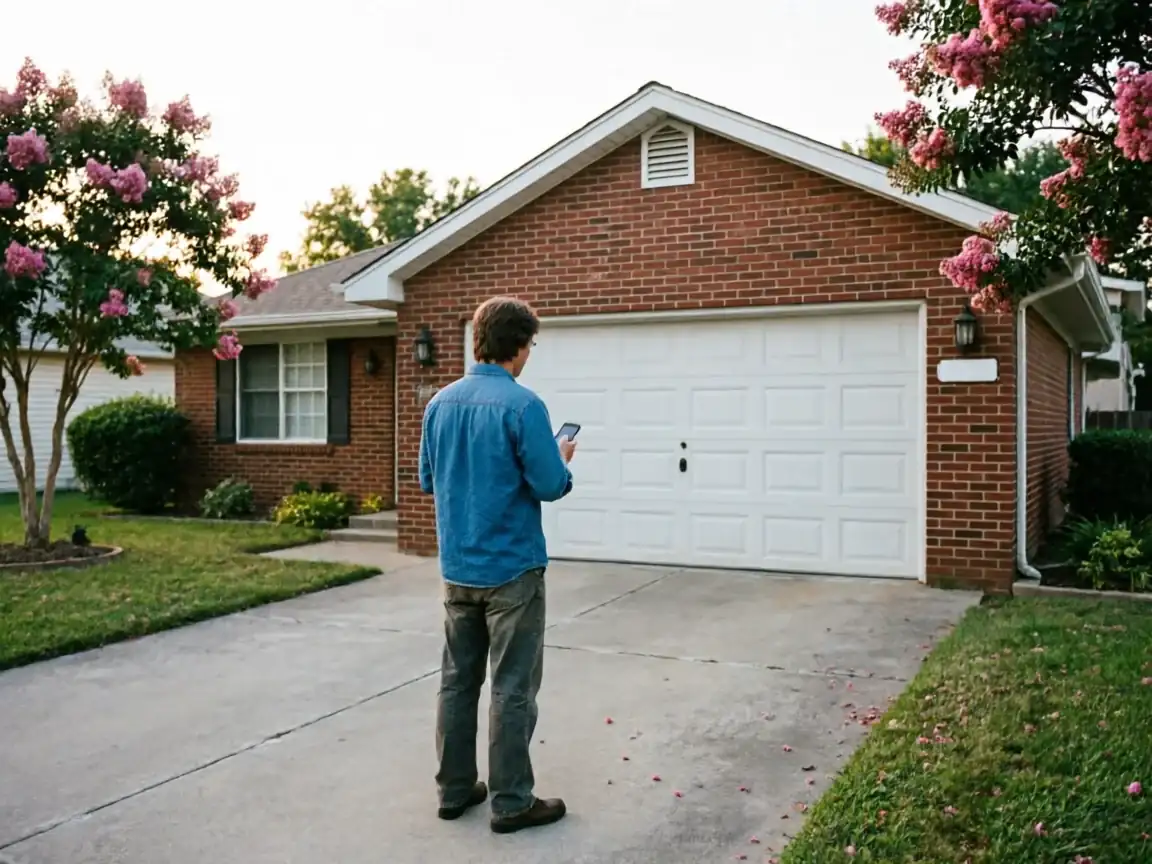
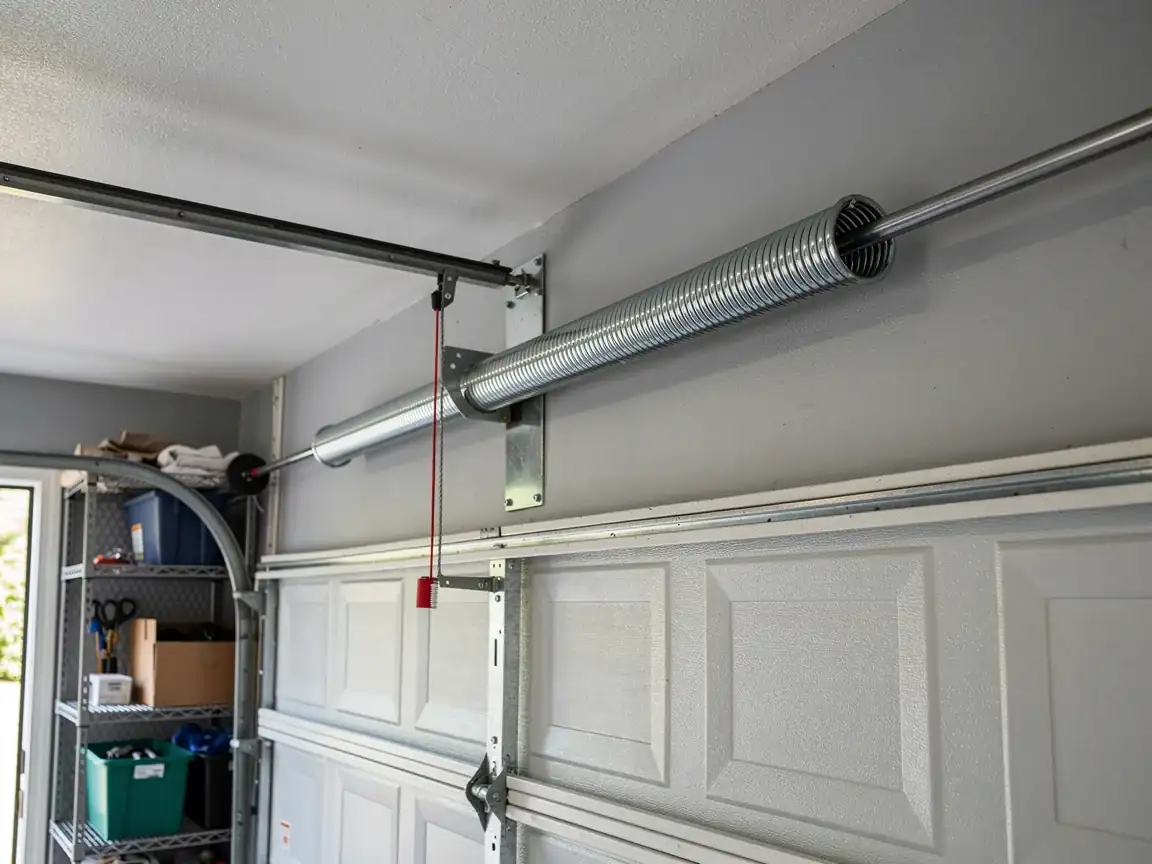
Most of the garage doors we get called out on in Galveston sit on houses built between 1978 and 1993, with the typical home on the island dating to around 1984. That matters because a door and opener installed when a house was built has had three to four decades of cycles on it - roughly 10,000 to 15,000 open-and-close cycles for a torsion spring rated for that range, which lines up almost exactly with the age of the housing stock across the five areas we see this in most. Galveston sits in a mild temperate band, so you're not getting the hard freeze-thaw cycling that snaps springs overnight the way it does further inland. What you get instead is slower, steadier wear: steel fatigue from humidity and heat cycling, nylon rollers that have simply outlived their plastic, and openers from the 1980s and 90s running on original gear sets that were never built to last this long. The failure mode here isn't sudden cold-weather breakage - it's accumulated age catching up with hardware nobody's replaced since the house was new.
The Symptom
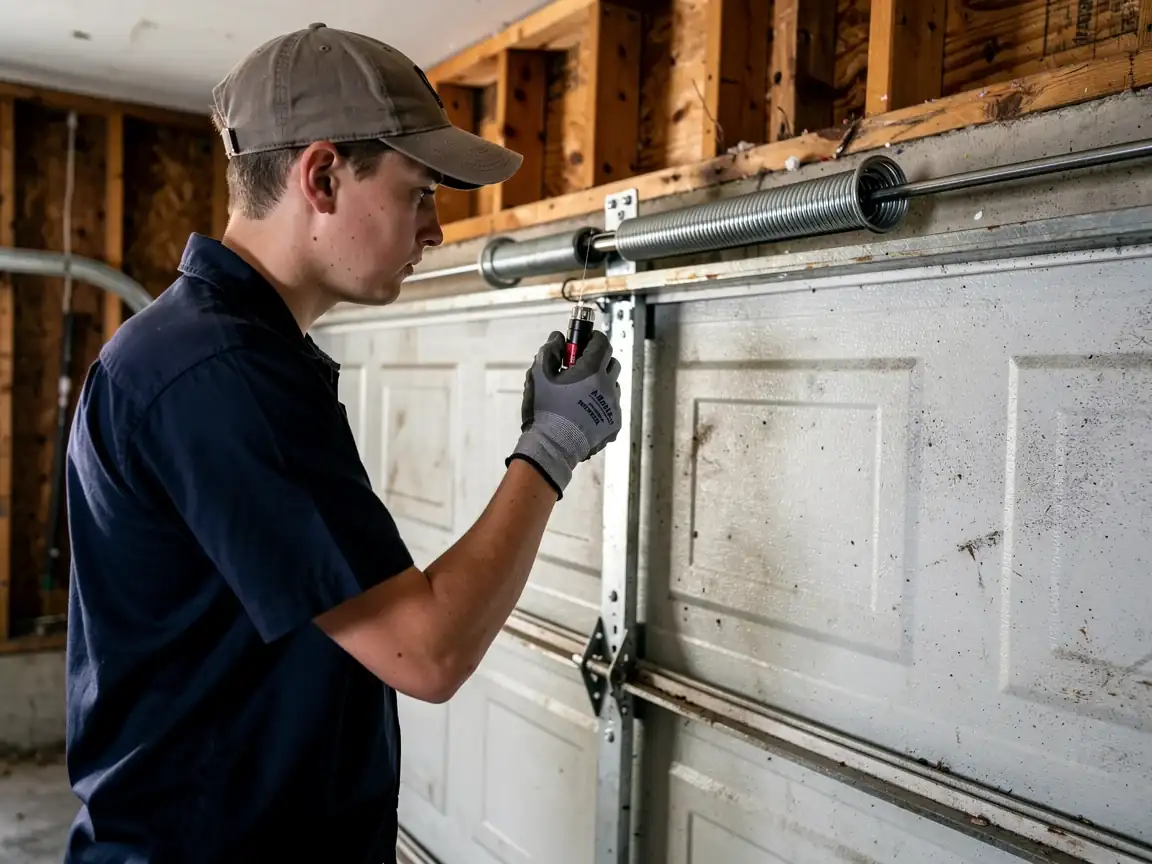
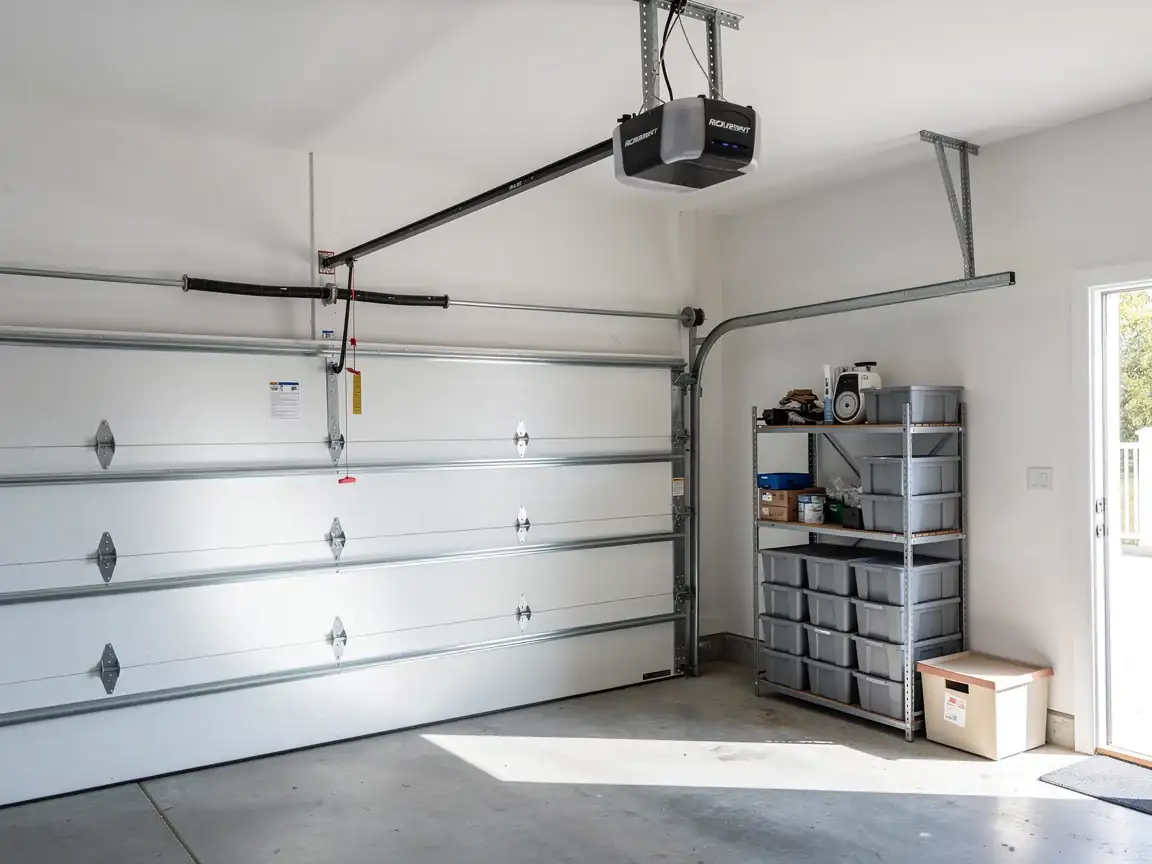
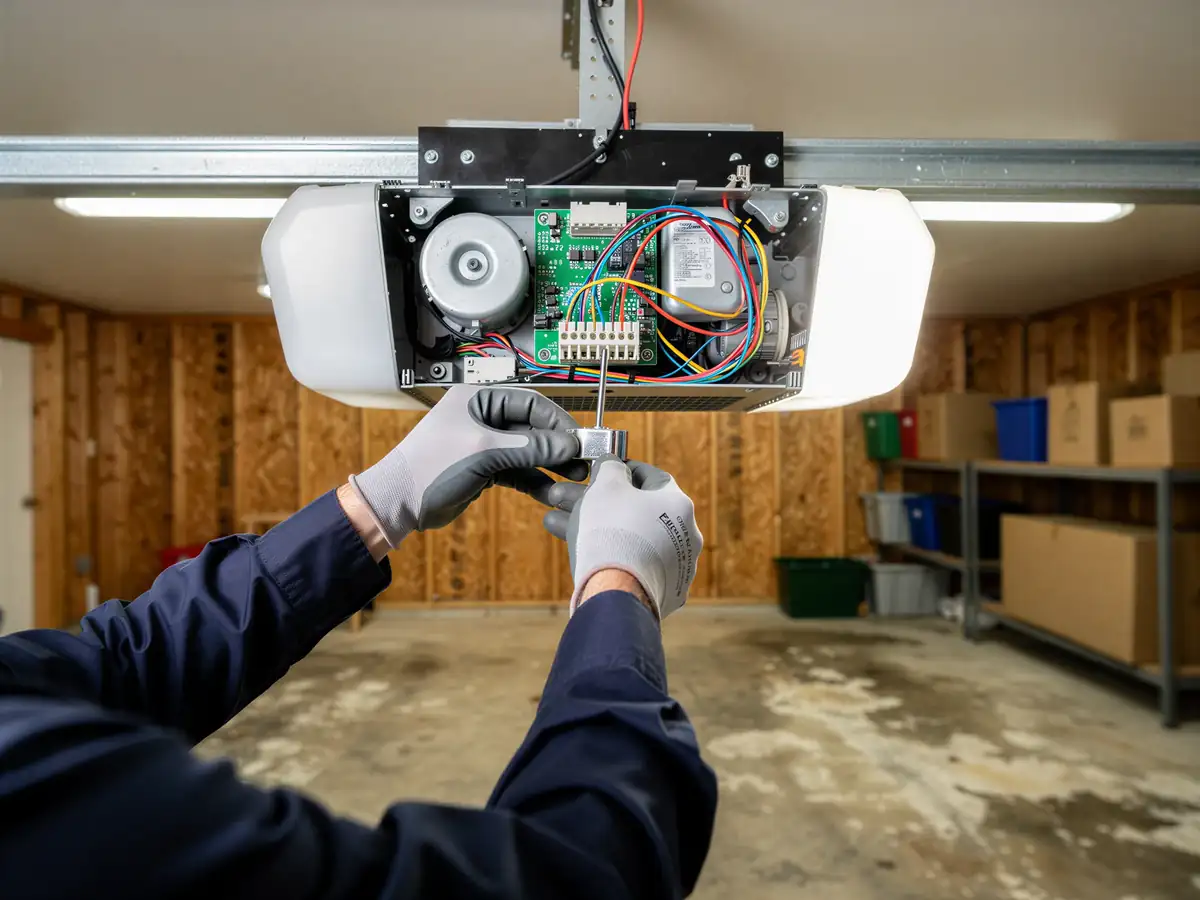
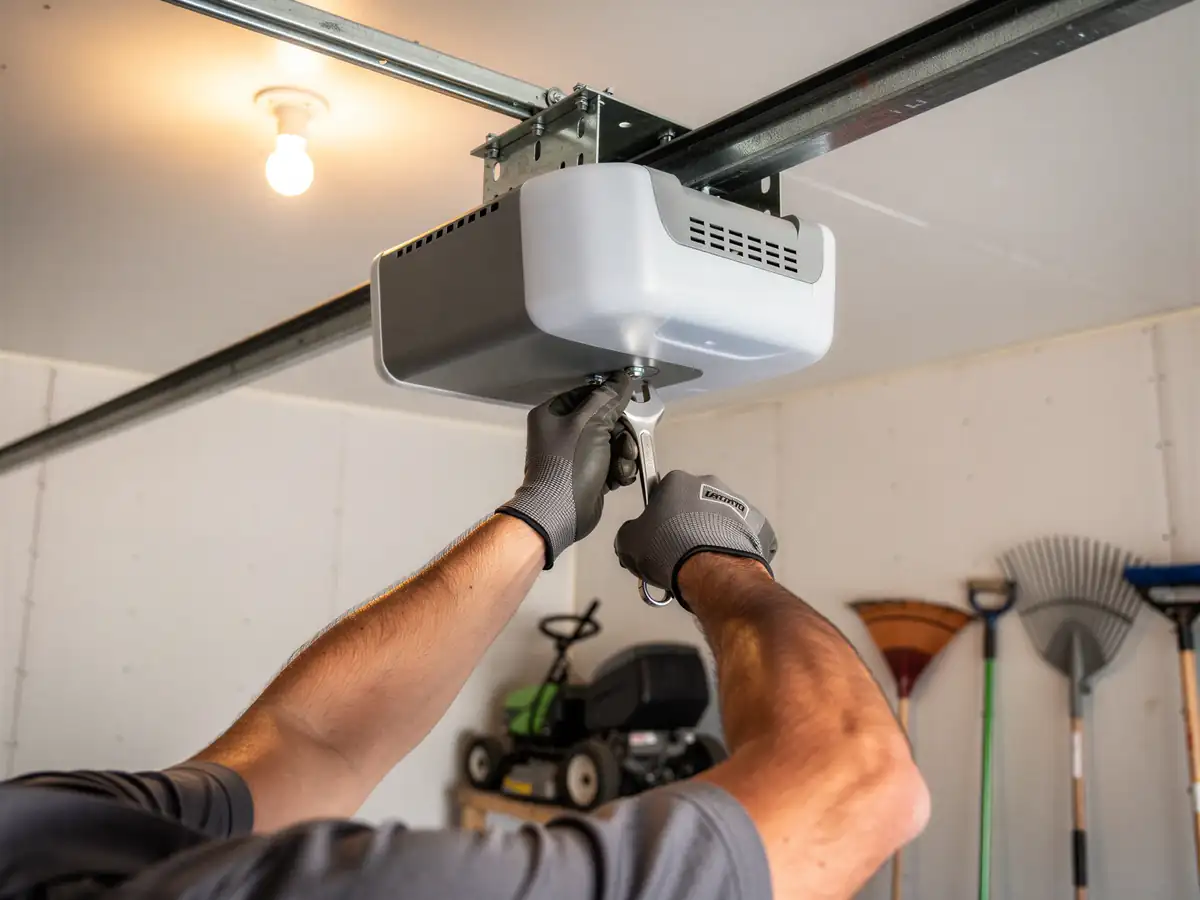
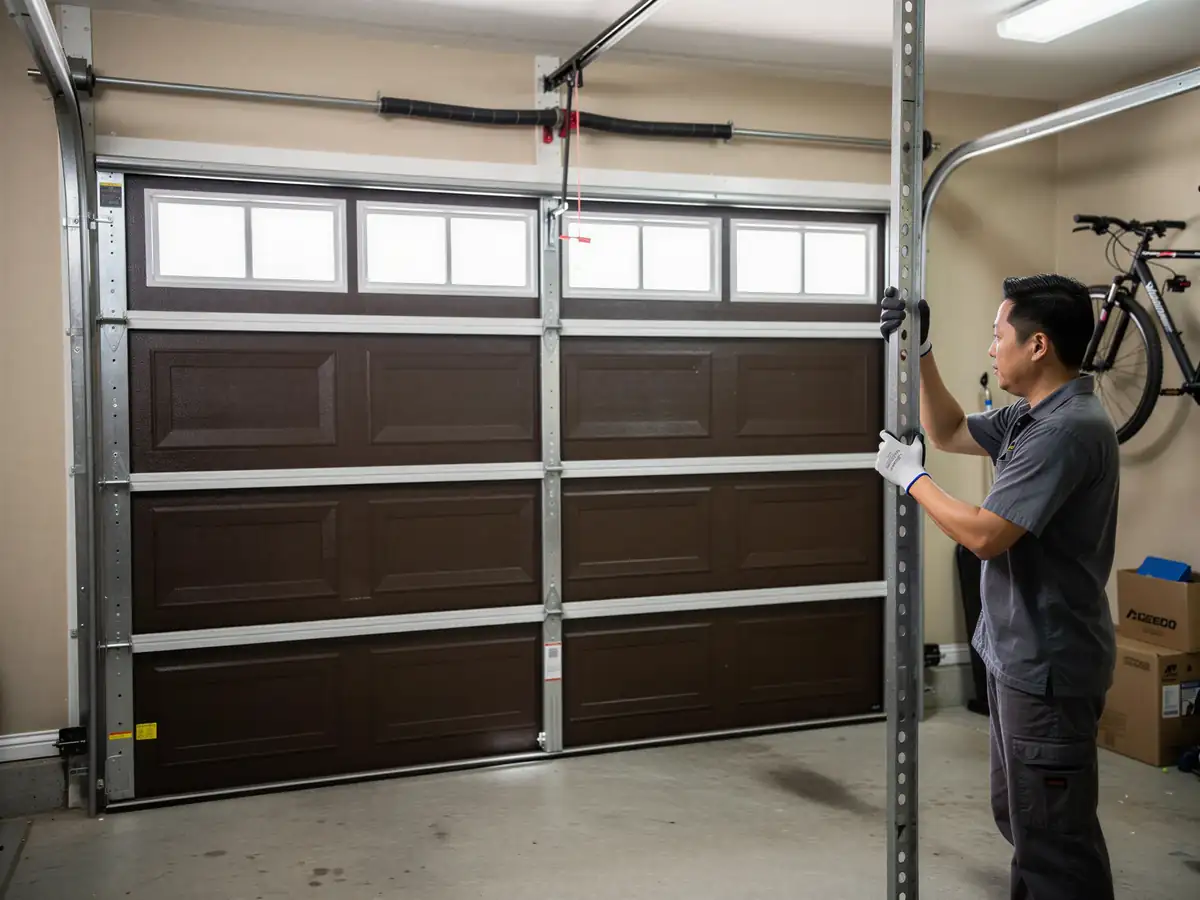
The call we get most from these houses is a door that starts strong and then stalls partway up, or one that drops the last foot instead of lowering smooth. Both point to a spring that's lost tension gradually rather than snapped clean - common in this climate because the metal isn't cycling through freeze-thaw stress, it's just fatiguing from decades of normal use. A second pattern: openers that run louder every month, grinding before they fail outright, which tracks with gear-and-sprocket units installed when these 1978-1993 homes were built and never swapped out. If your door reverses on its own partway down, or the opener light blinks and the motor hums without the door moving, that's usually the drive gear finally giving out rather than anything electrical. We see both patterns across the mix of 1980s and 90s stock in this area more than anything newer.
What Can Go Wrong
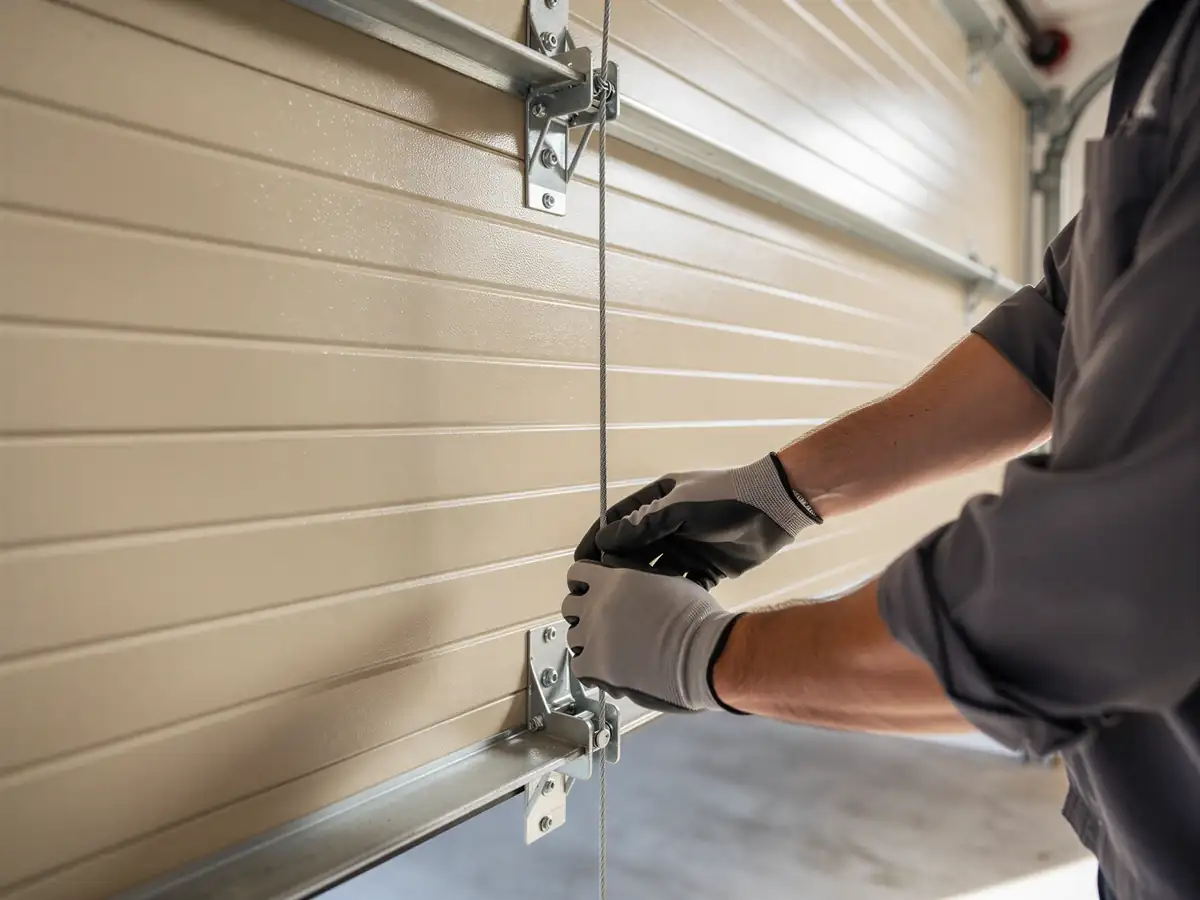
On a door this old, one fix often exposes another. We've opened up jobs where the spring looked like the whole problem, only to find the cable it's paired with is frayed enough that it would've snapped within weeks anyway - normal on hardware original to a house built in the early 1980s. Track alignment is another one: decades of settling on an island lot can shift a track just enough that a new spring still won't let the door run smooth. And on the oldest openers in this stock, replacing one burnt-out part sometimes reveals the drive gear and the circuit board are both near the end, which turns a small repair into a bigger conversation. We'll always tell you what we find before we go further, not after the bill's already run up. This is why a same-day fix sometimes becomes a two-visit job - we're not going to replace one part and leave three more ready to fail.