Why It Happens Here
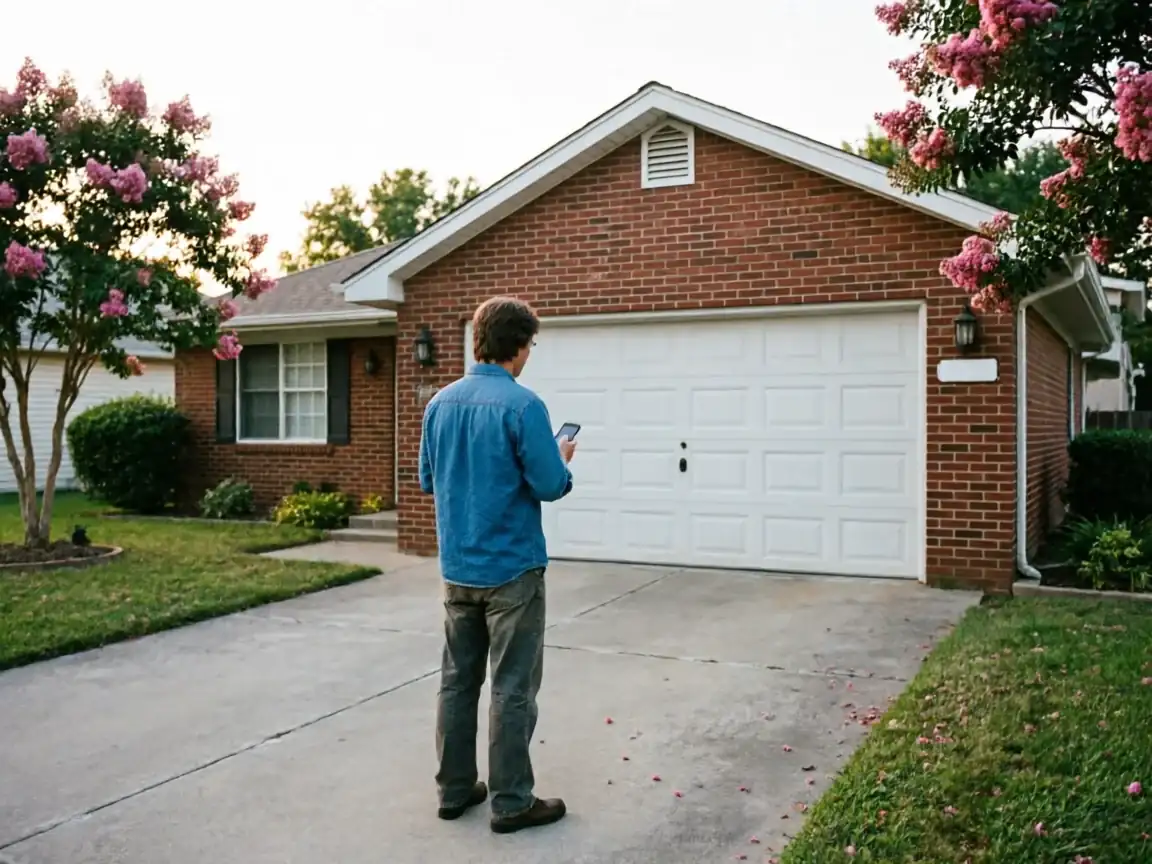
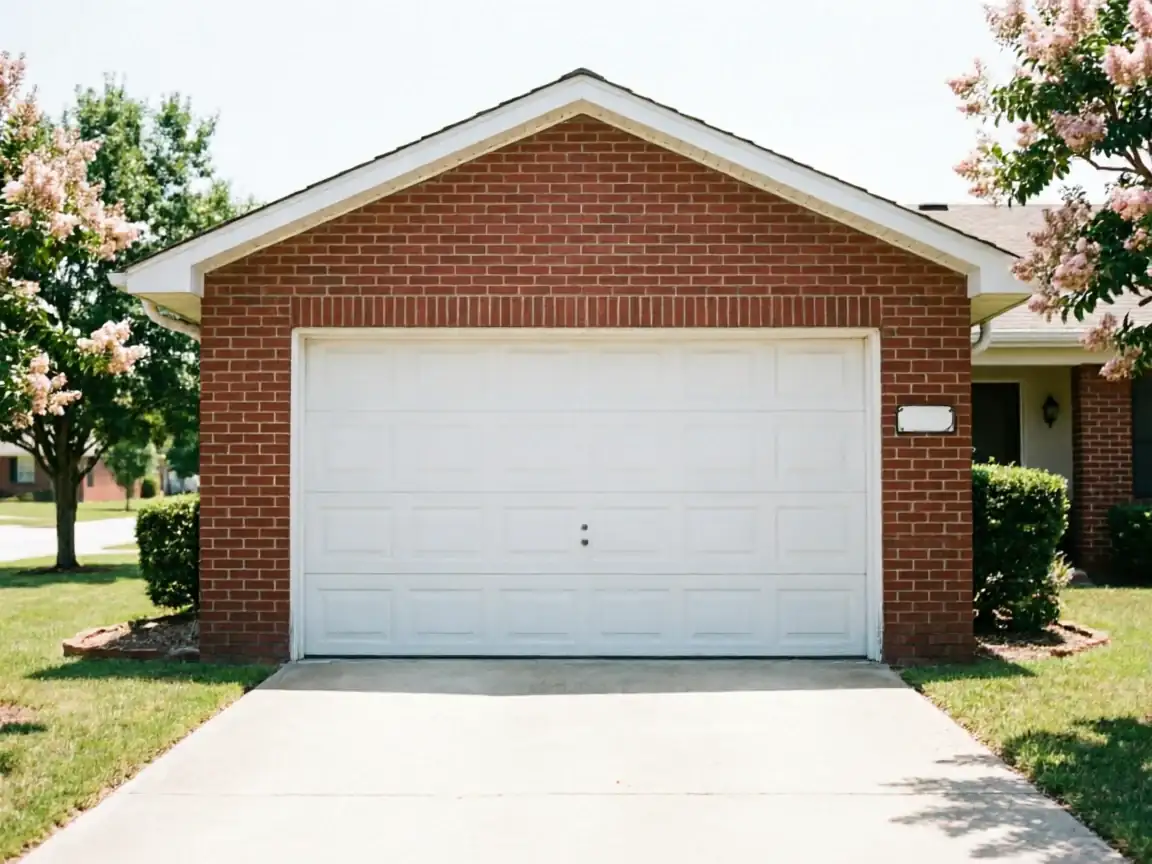
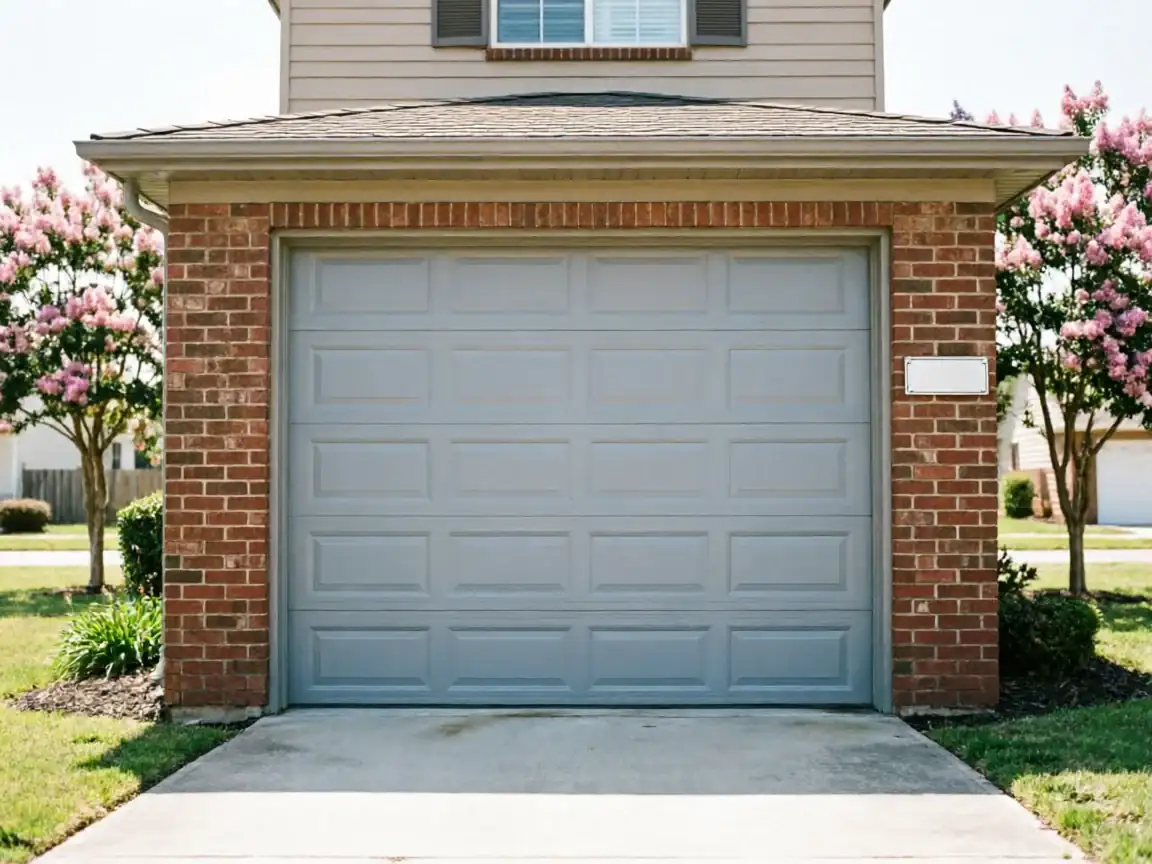
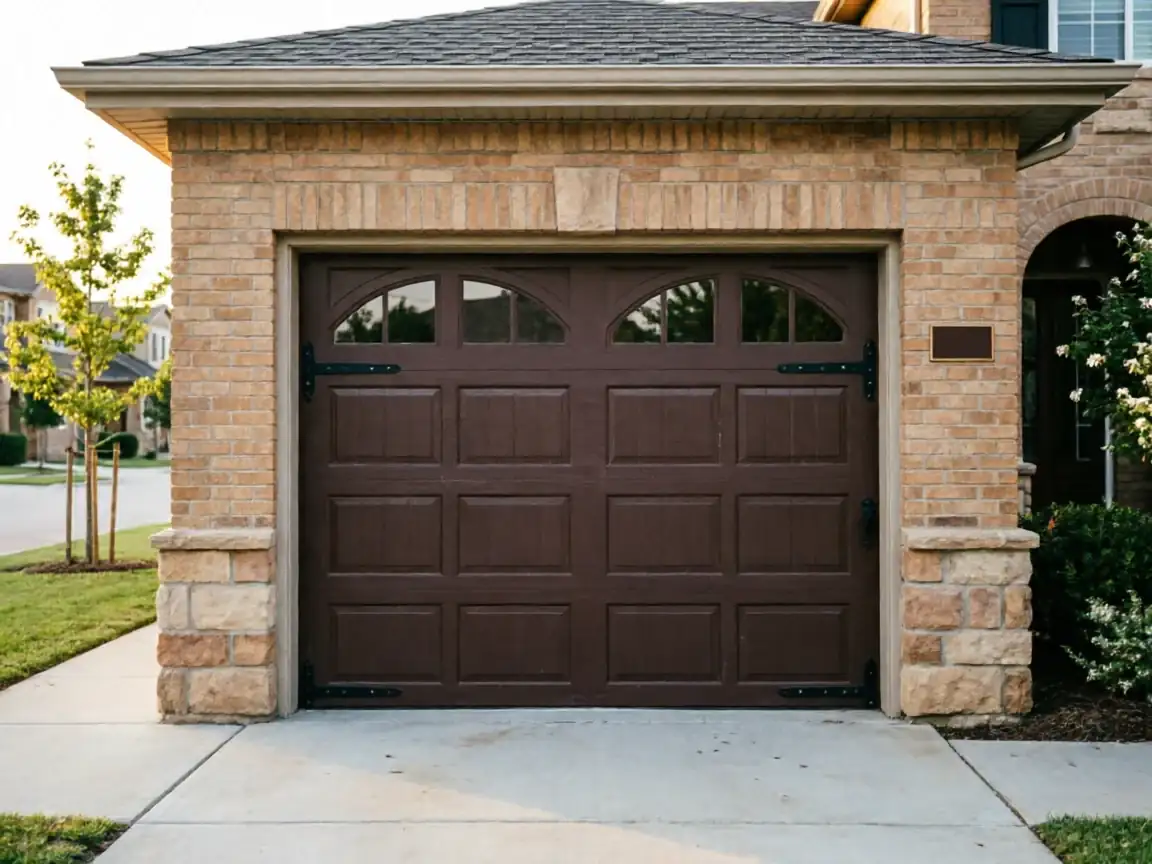
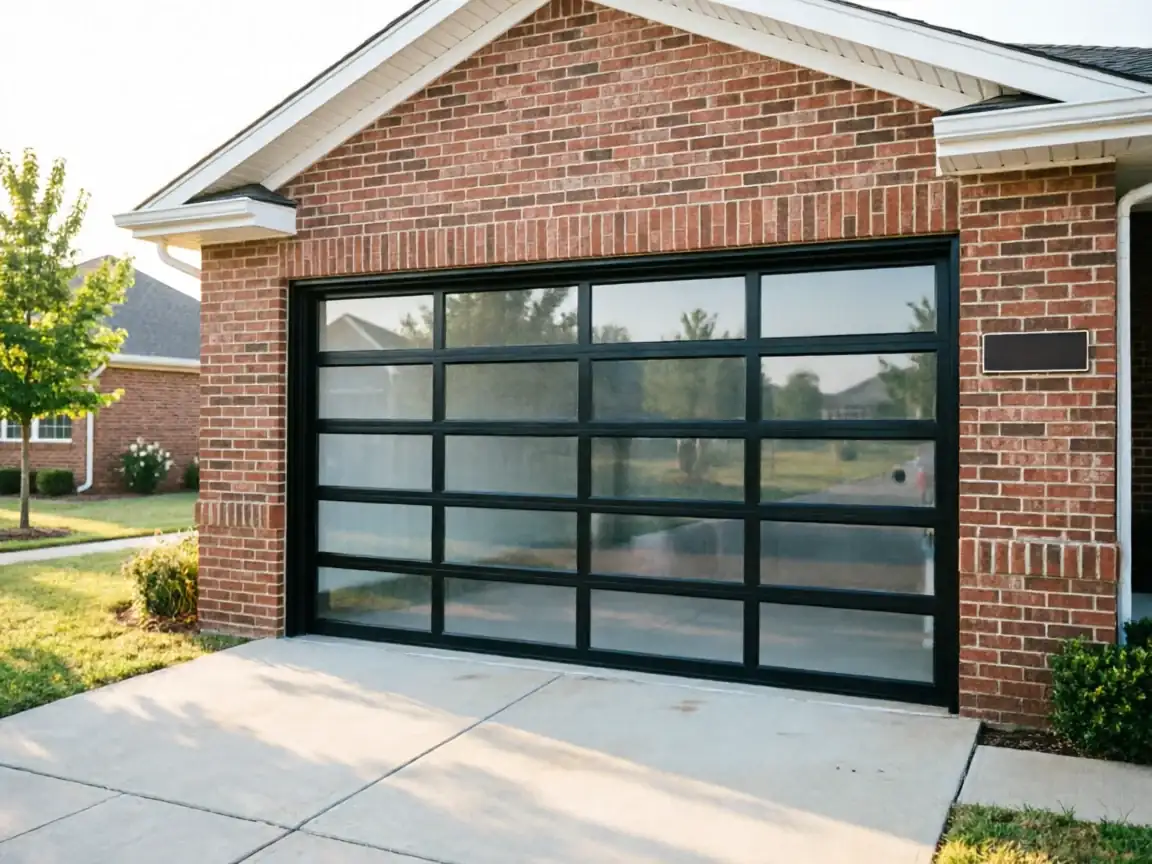
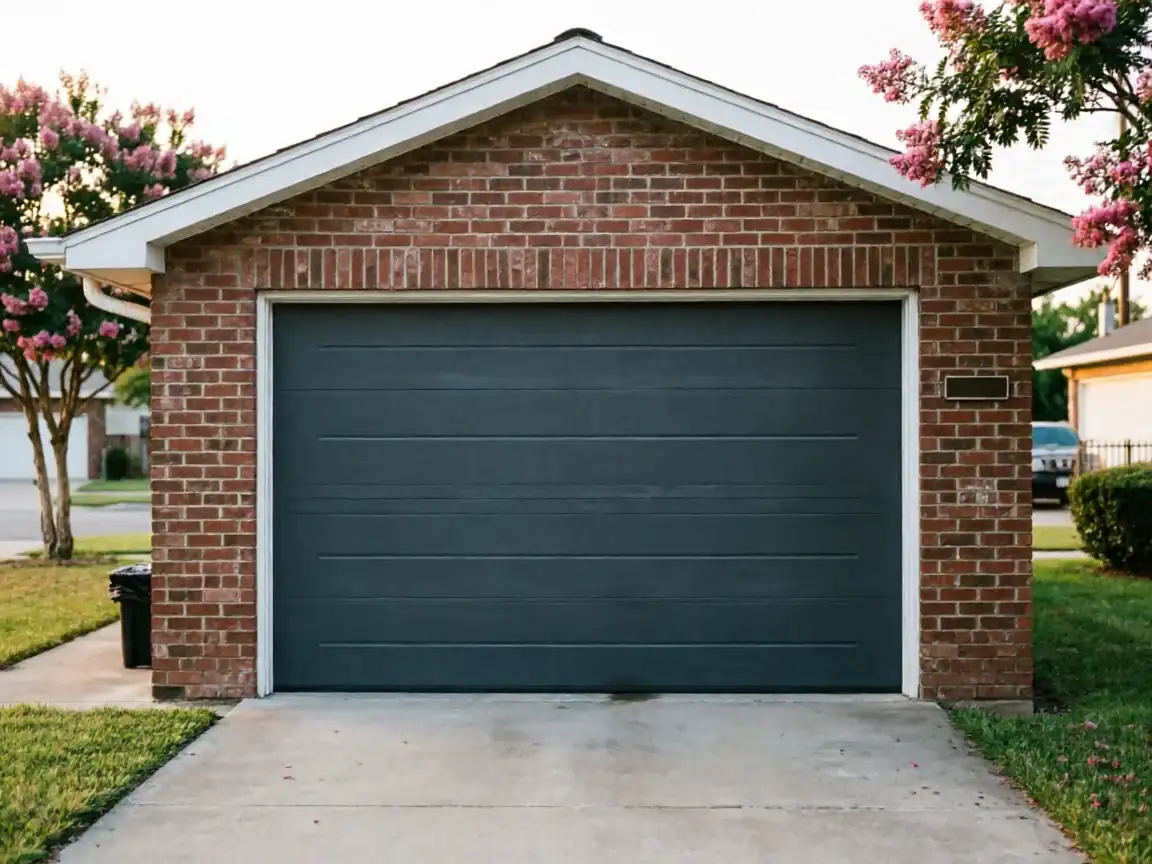
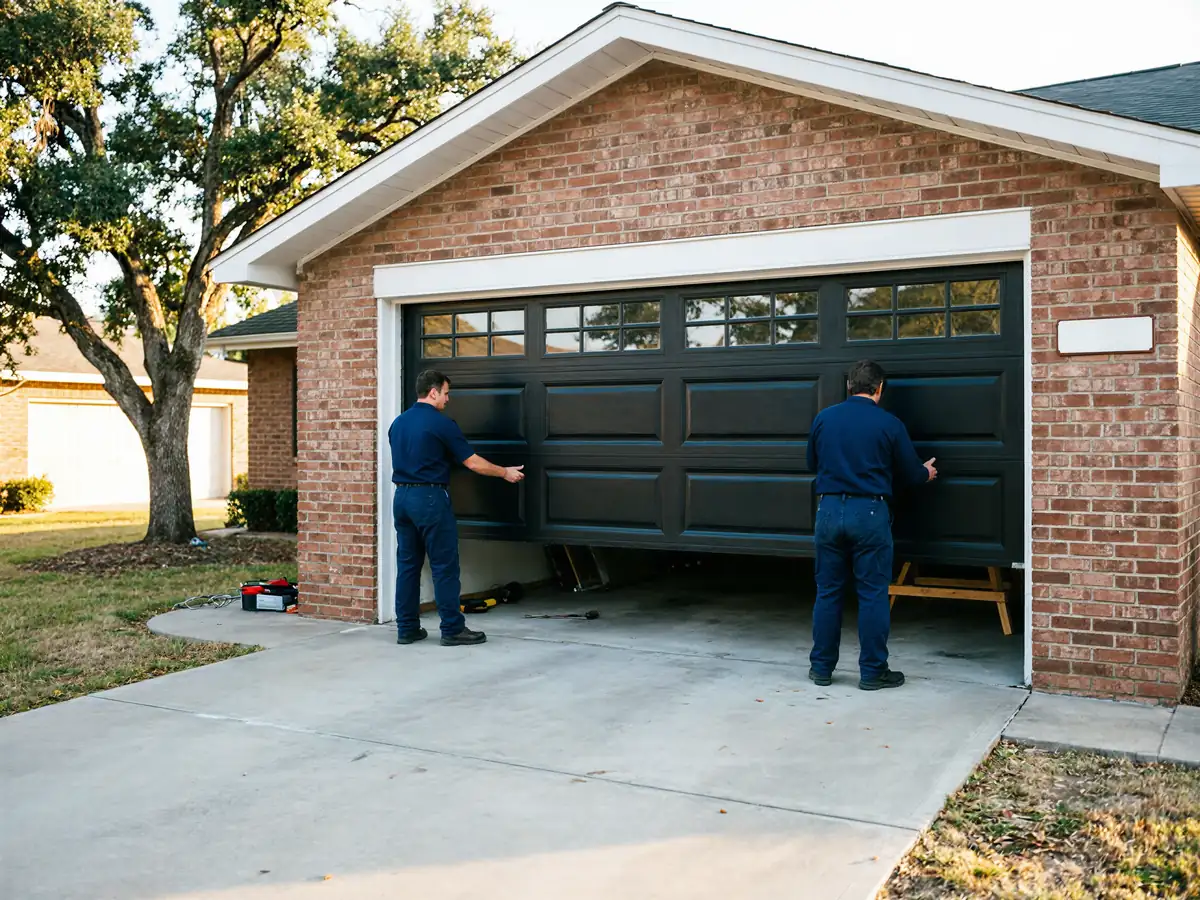
Most of the houses in this market went up between 1978 and 1993, with the typical build year sitting around 1984. That's the window when a lot of the original garage doors around Galveston went in, and those doors are now pushing forty to forty-five years old. Across the five areas that make up this market, the housing stock is overwhelmingly 1980s and 90s construction, which means a huge share of garages are still running the same door the house was built with, or a direct swap put in sometime after.
Galveston sits in a mild temperate band, so we're not dealing with the freeze-thaw cycling that tears doors apart in colder climates. Here it's steadier: years of daily opening and closing, steel that's cycled through decades of heat and humidity, and hardware that was never built to last fifty years in the first place. The failure mode isn't dramatic weather damage - it's a door that's simply aged out. Springs sag, panels warp at the seams, and the whole assembly starts costing more in parts than a new door costs installed. That's the point homeowners usually call us.
The Symptom
The door people call about almost never breaks all at once. It starts small: a panel that's started to bow near the bottom, seams where the steel has separated slightly, or a door that shudders and hangs for a second before it moves. Sometimes it's the opener straining harder than it used to, because the door itself has gotten heavier with moisture or rust at the joints over the years.
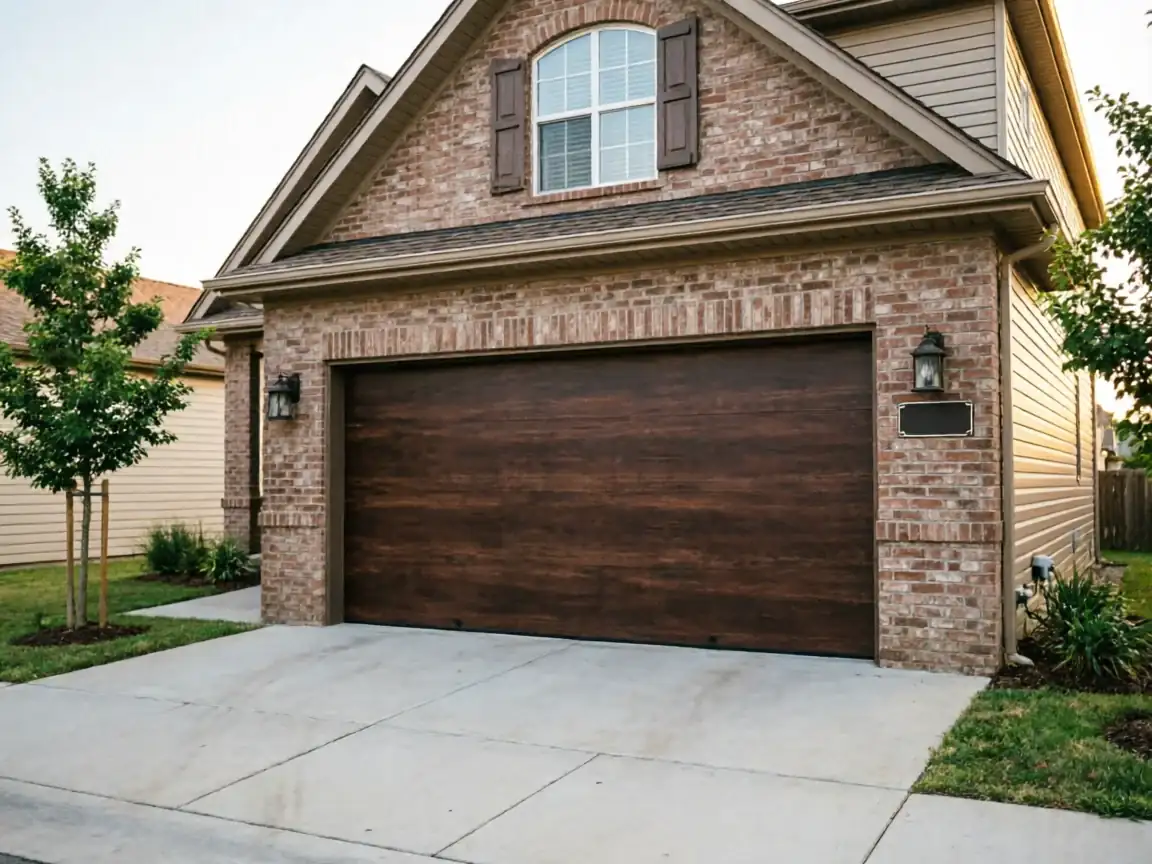
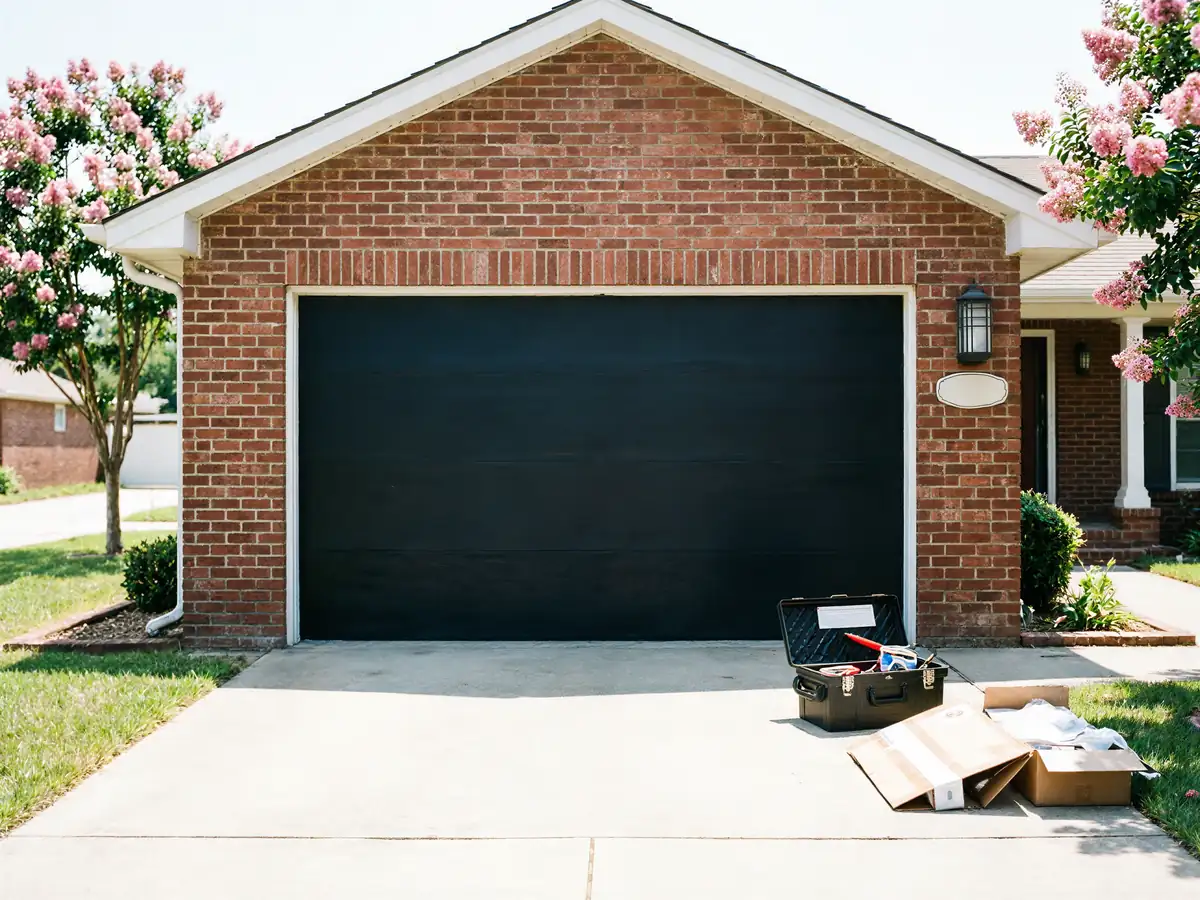
On a lot of the 1980s and 90s builds in this market, the original door also just looks tired next to everything else that's been updated on the house - new siding, new windows, a door from 1986 standing out for the wrong reasons. Some owners notice the insulation value, or lack of it, once they're running the AC through a garage that backs onto living space. None of these are emergencies. They're signs the door has reached the end of a normal service life for a house this age, and that replacing it is now the more sensible move than patching it again.
The Cost of This Job
We're not going to put a number here
Because the honest answer is it depends on the door - size, material, insulation, number of panels, and whether the opener gets replaced along with it. What we can tell you is what drives the cost up or down: a standard double door costs less than two matched singles, insulated steel costs more than uninstalled, and anything custom-sized for an older opening adds labor.
With roughly 15,503 owner-occupied houses out of 23,059 households across this service area
A lot of original garage doors from the same building era are reaching the end of their service life at the same time, which is part of why this is a steady call for us rather than an occasional one. At a median household income of $82,018, most owners here are replacing the door outright rather than spending repeatedly on parts for a door that's already older than their mortgage. One limitation worth saying plainly: if your opening is a nonstandard size from an older build, expect a longer lead time on the door itself - that's a manufacturer schedule, not something we control.
- 15,503 owner-occupied
- 23,059 households
- $82,018 median household income
What Can Go Wrong
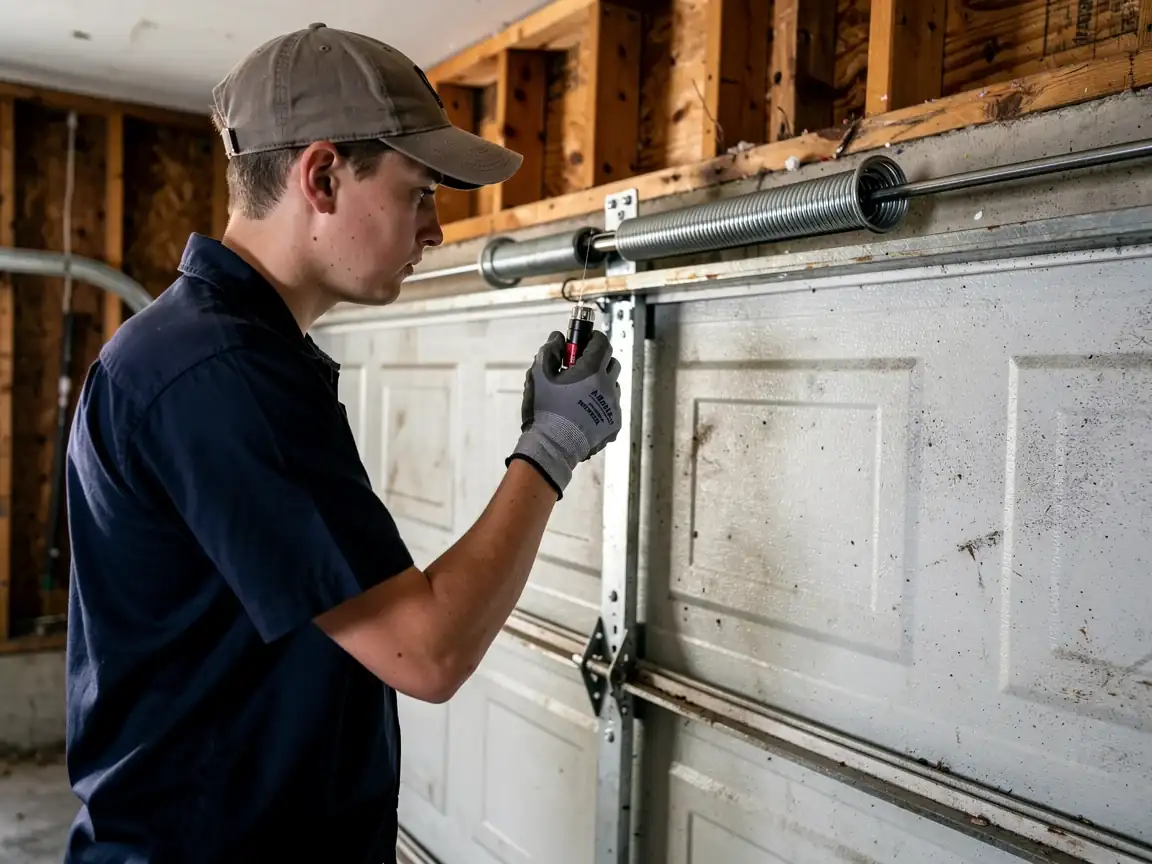
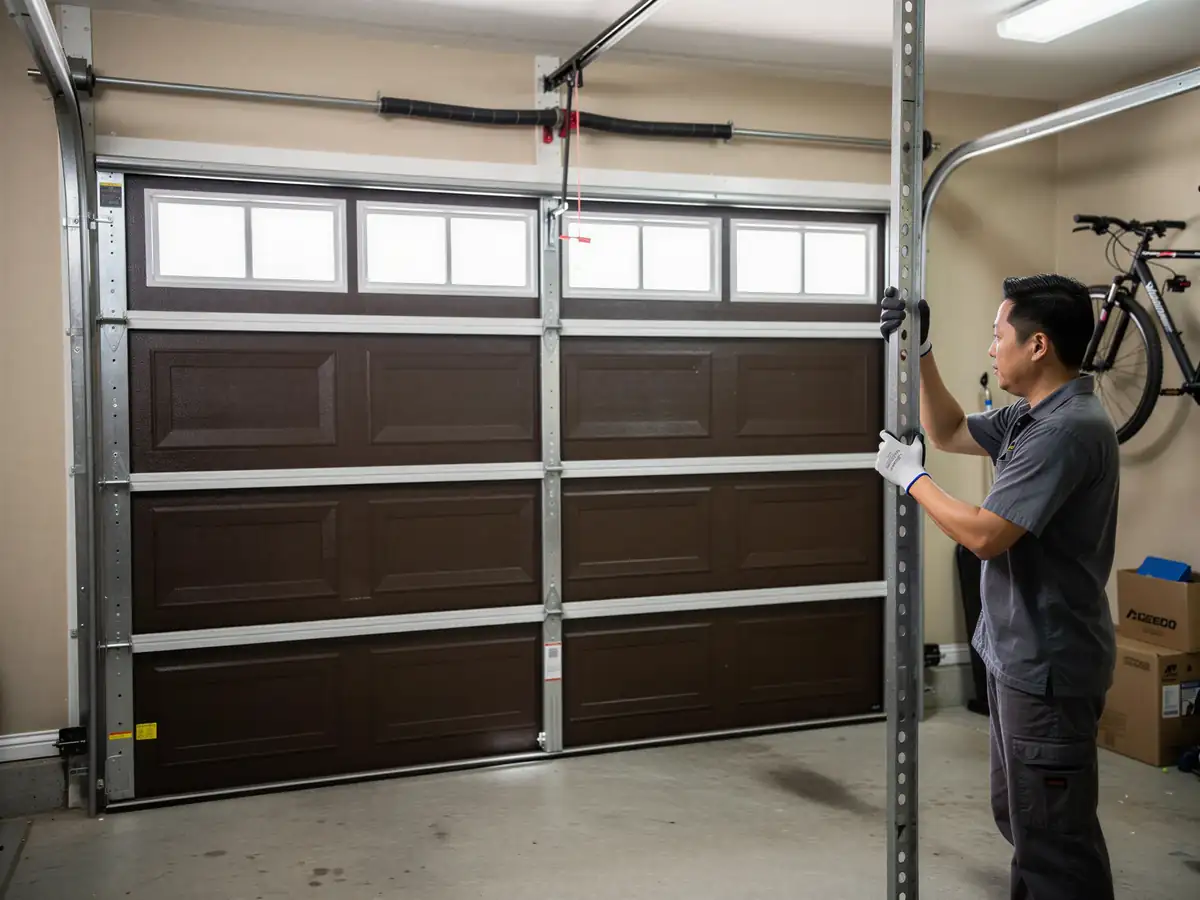
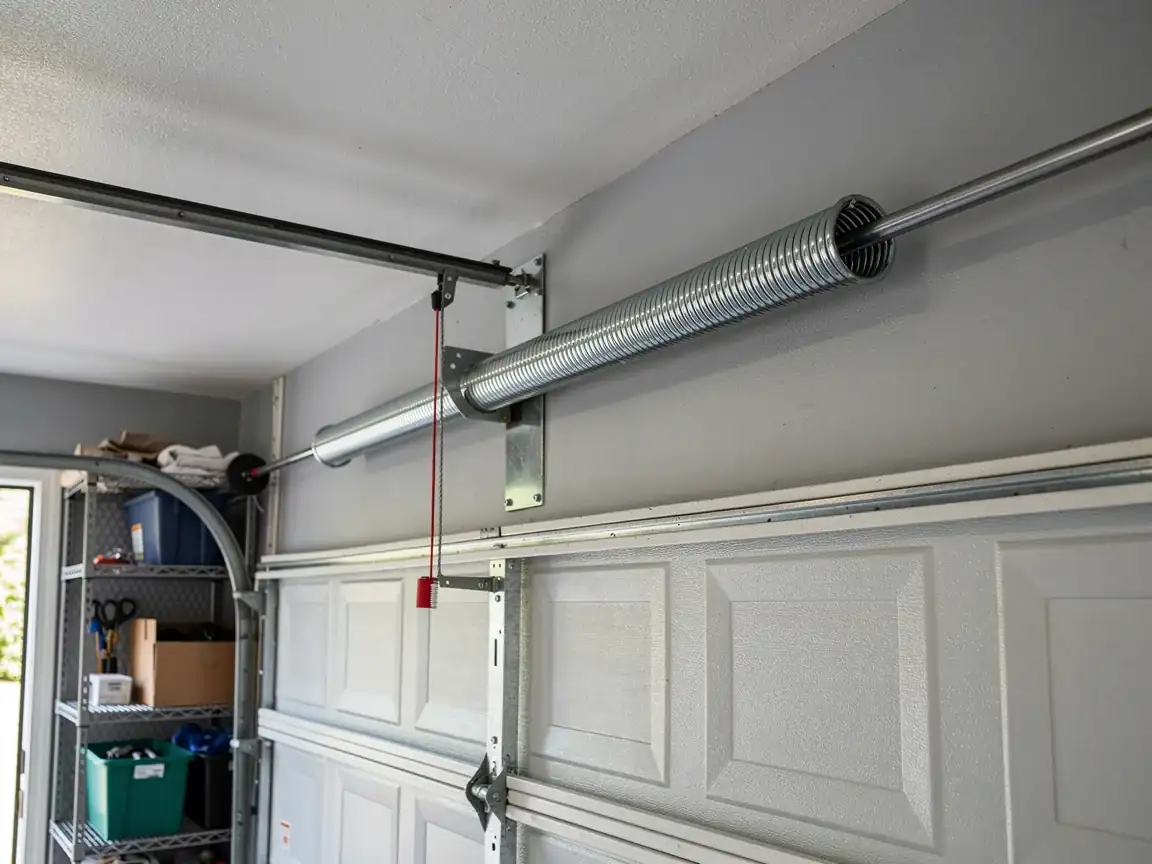
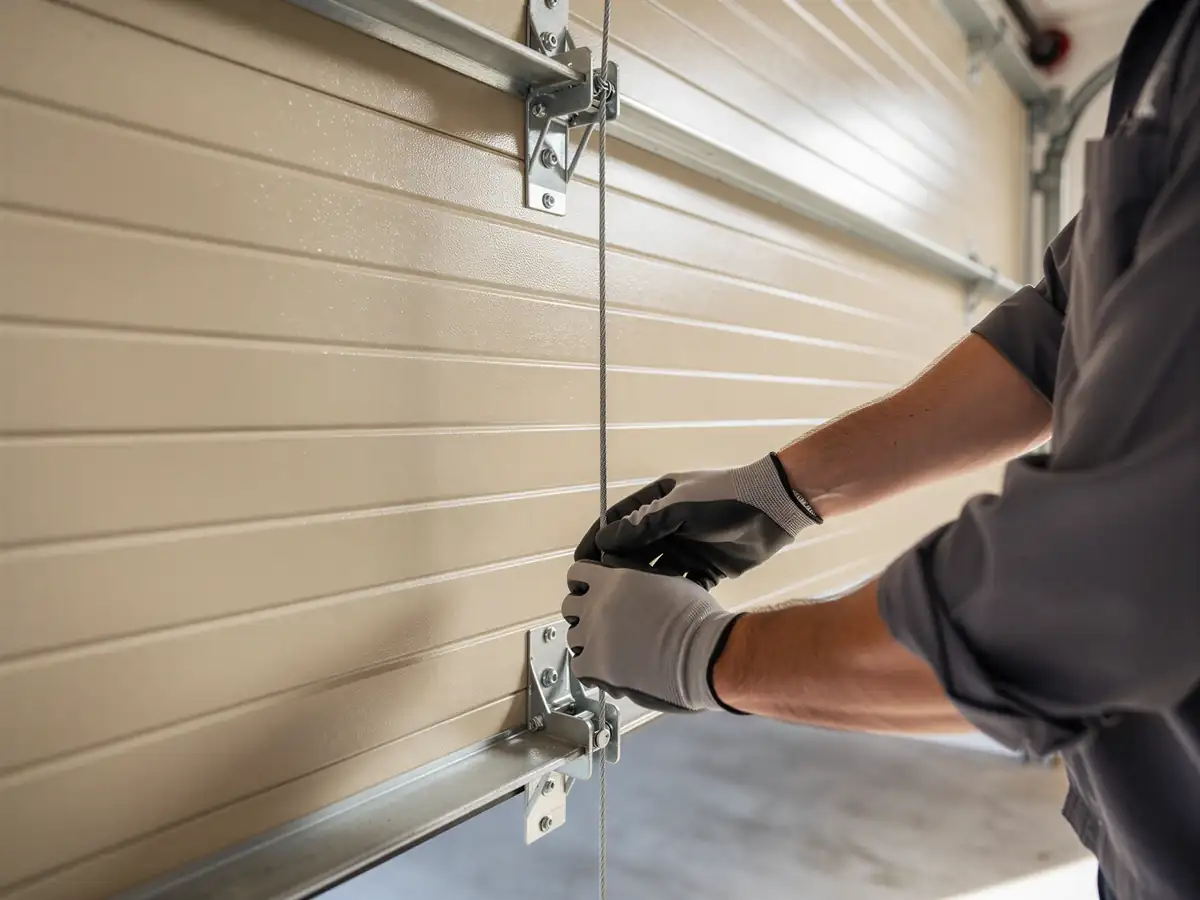
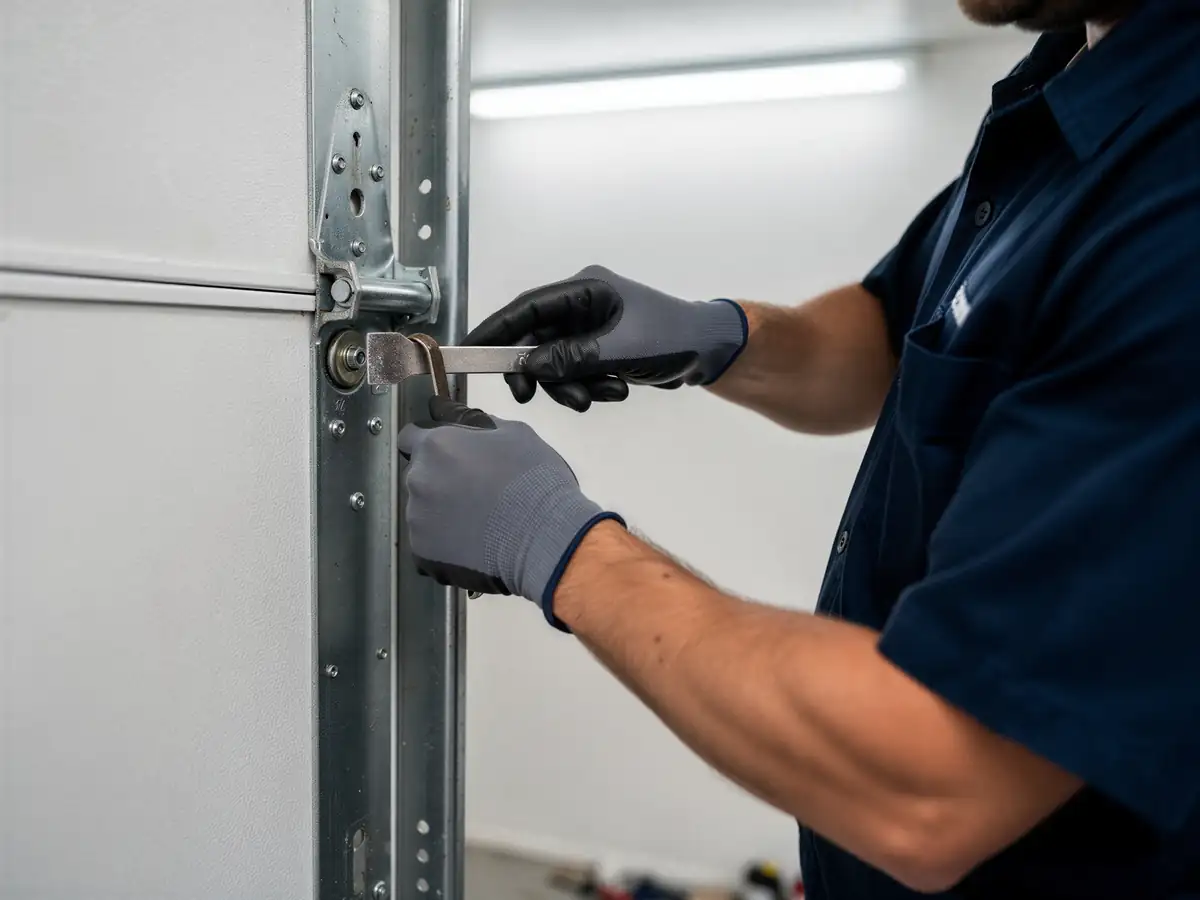
Installation on an older house isn't always a straight swap. A door from the 1978-1993 era may sit in an opening that's slightly out of square after decades of settling, which means trim work or jamb adjustment before the new door will seal properly. Track brackets mounted to original framing sometimes need re-anchoring if the wood's degraded, and torsion spring sizing has to match the new door's actual weight, not the old spring that was on the house.
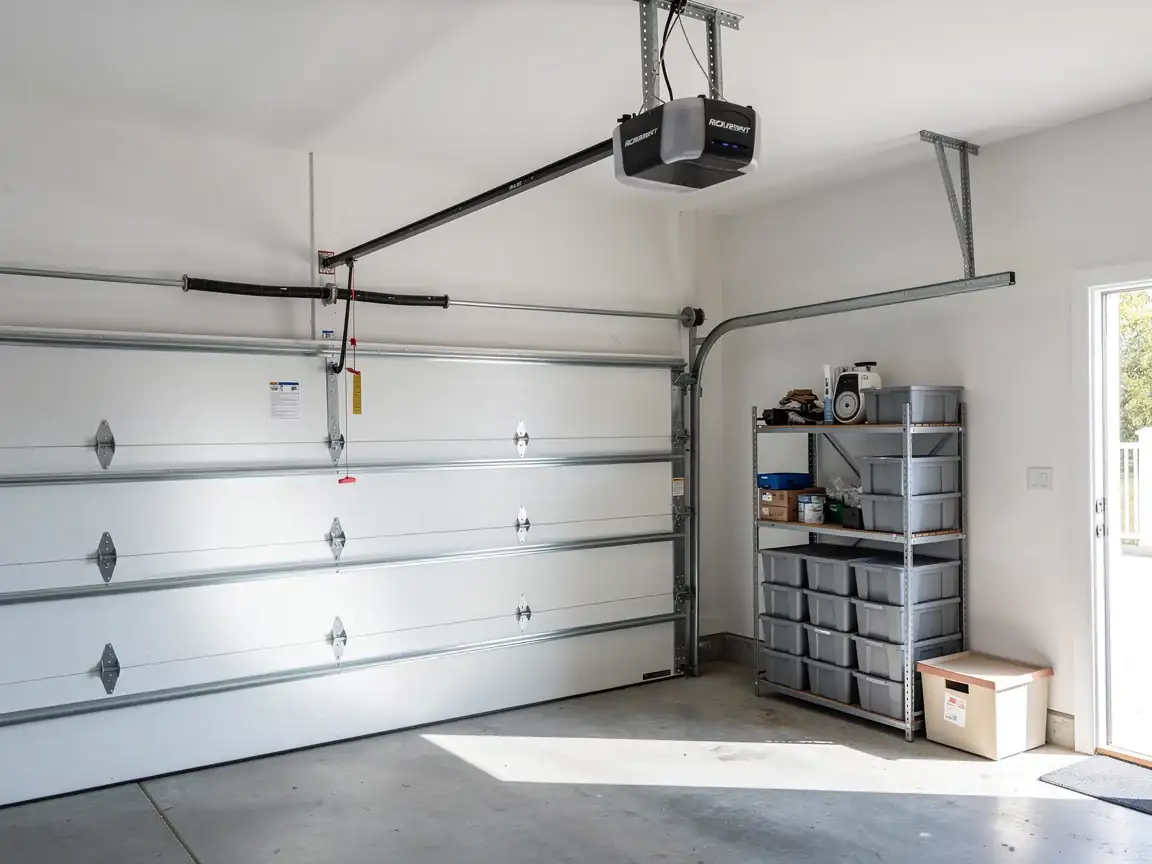
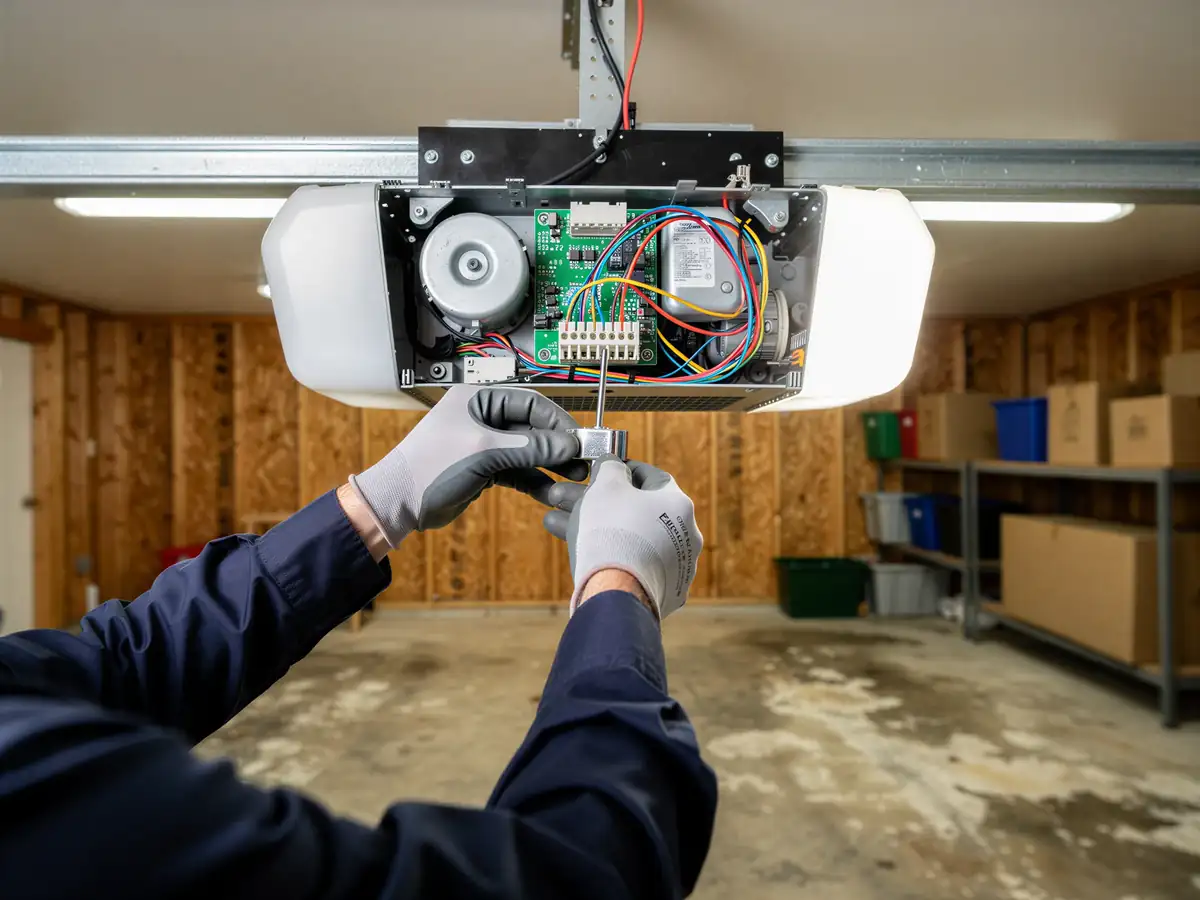
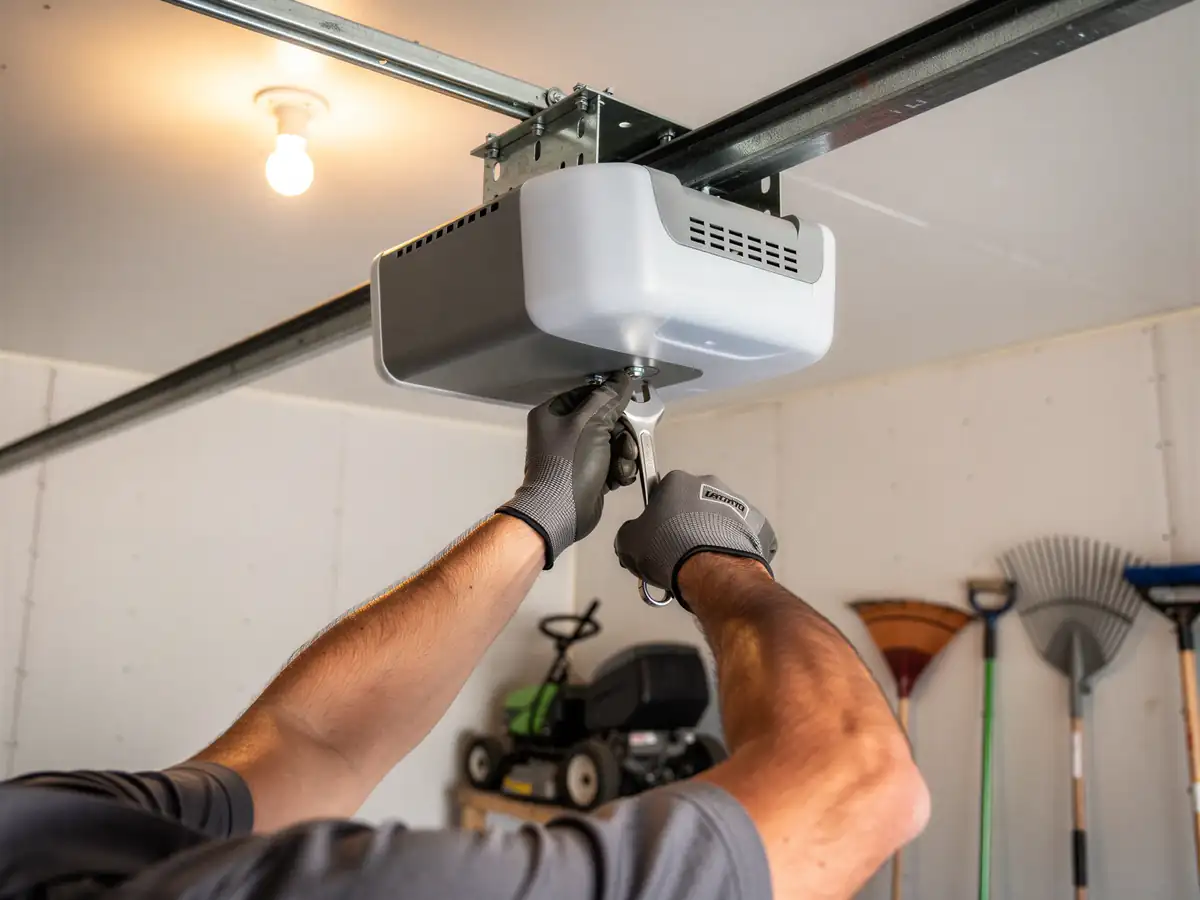
The other common mistake is pairing a new door with an opener that's mismatched for its weight or travel distance - fine on paper, but it shows up within a year as a strained motor or a door that reverses on its way down. Get the spring, track, and opener matched to the door you're actually installing, not whatever was already bolted to the wall. That mismatch is the single biggest reason a brand-new door starts acting like an old one within months.