What Is Going On
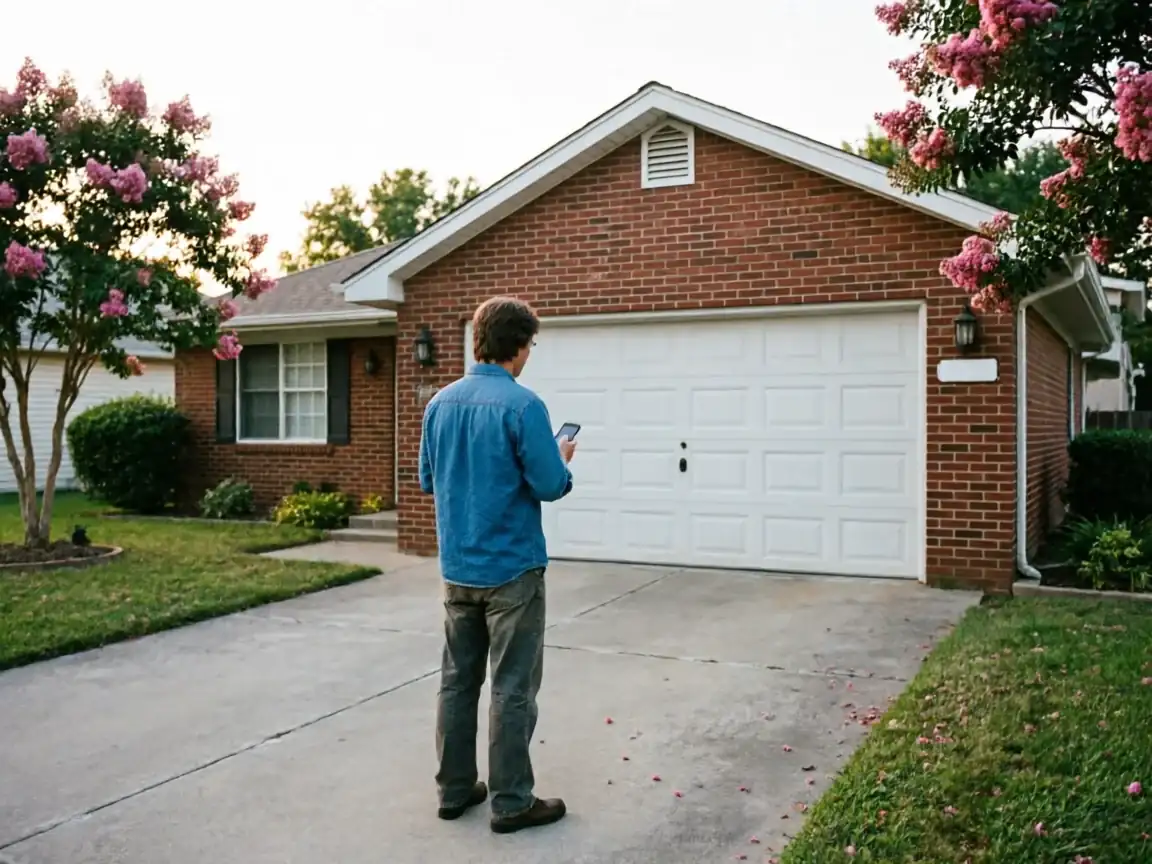
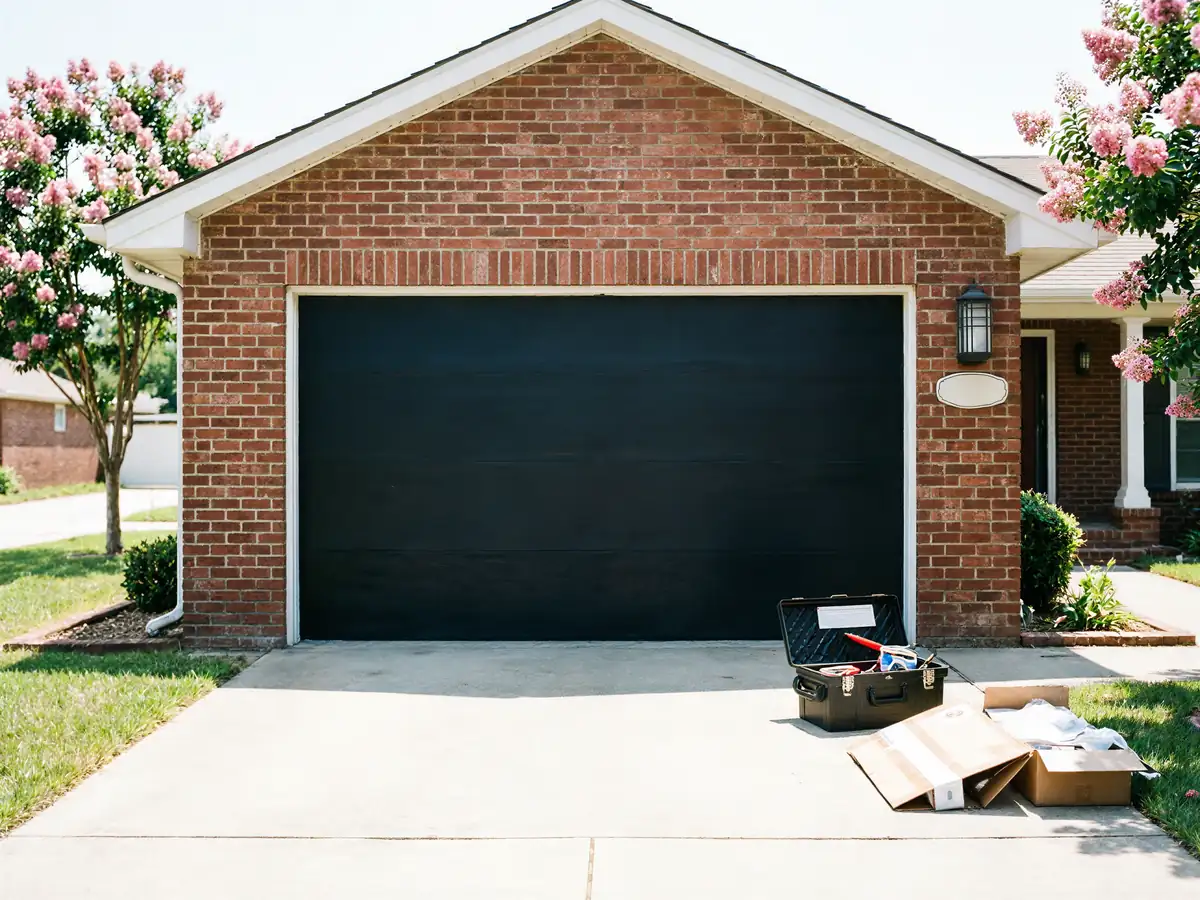
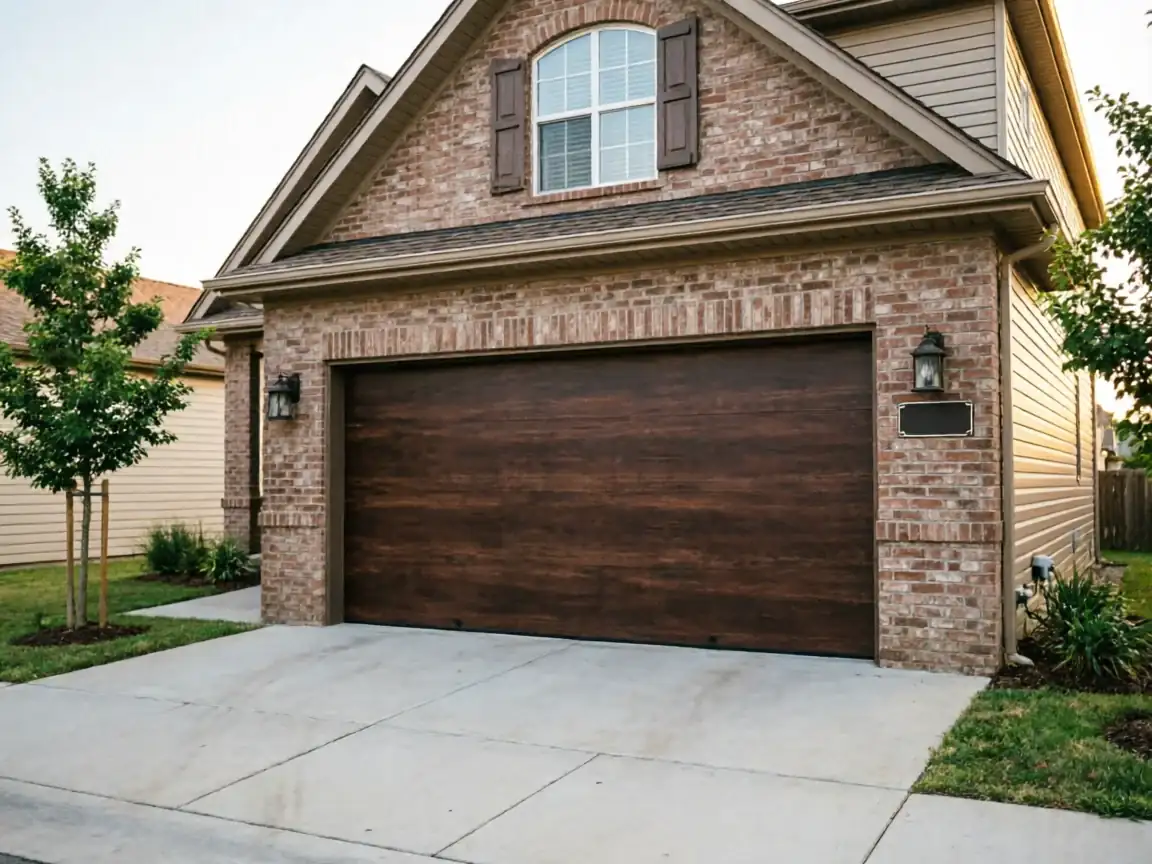
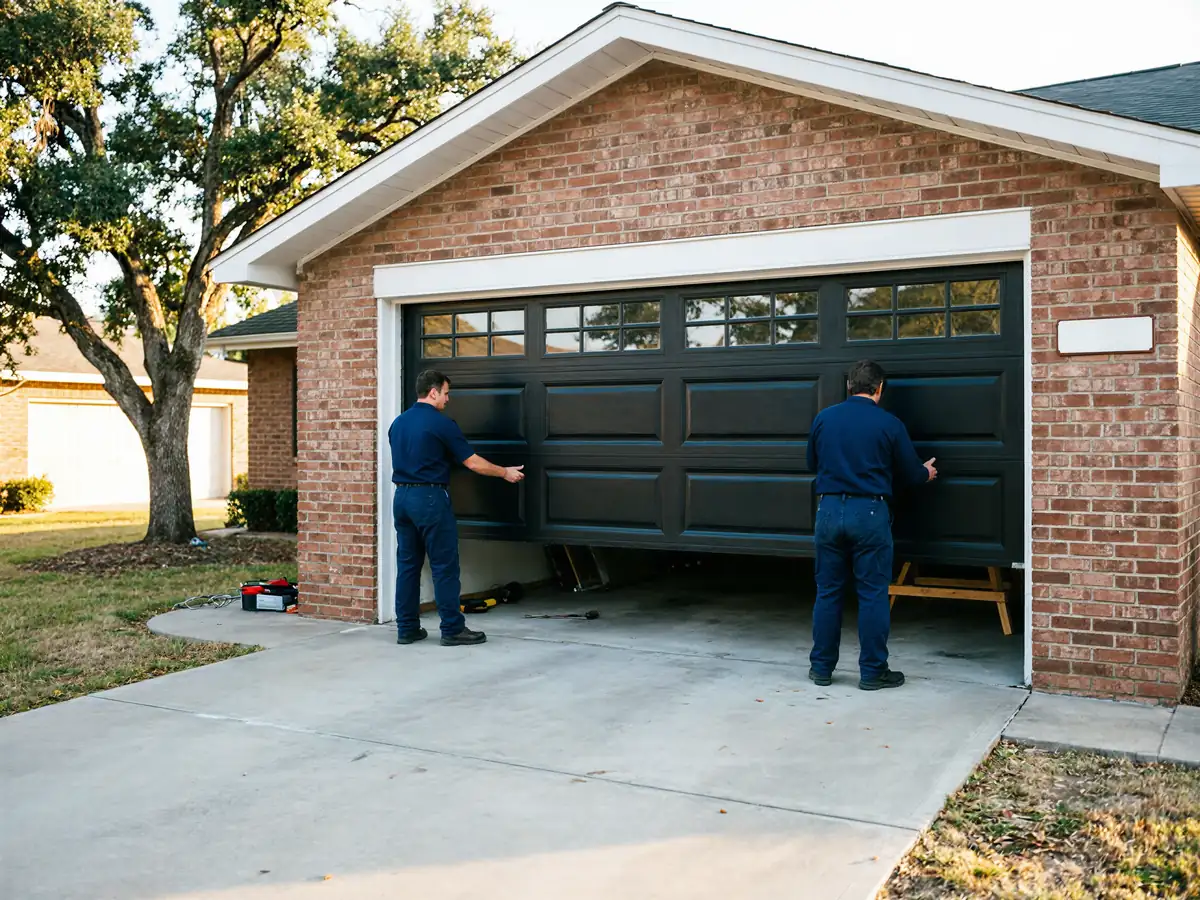
Walk through the neighborhoods we work in - from the streets near Hitchcock out toward Tiki Island - and you'll notice a pattern in the garages. Most of this housing went up between 1978 and 1993, with the median build year landing around 1984. That's not a small detail. A door and opener installed when a house like that was built is now pushing forty years old, or close to it.
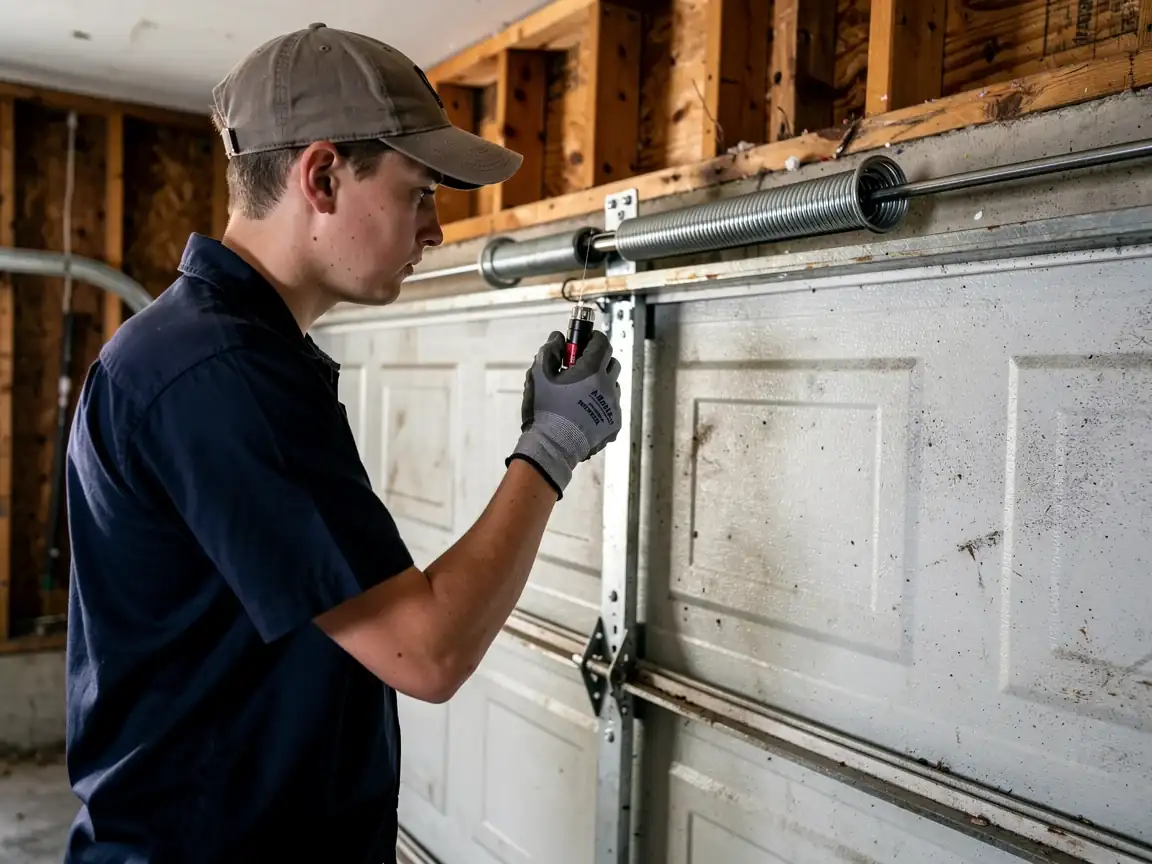
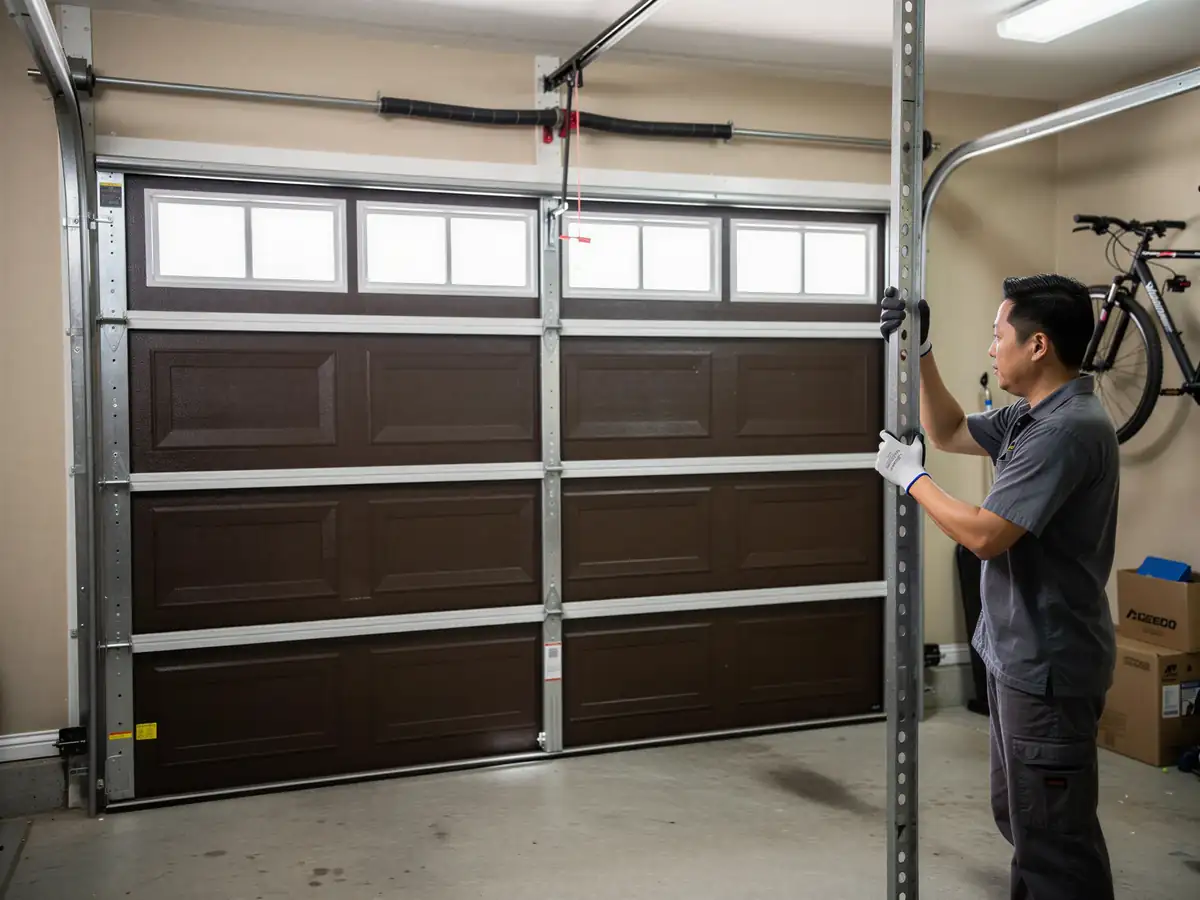
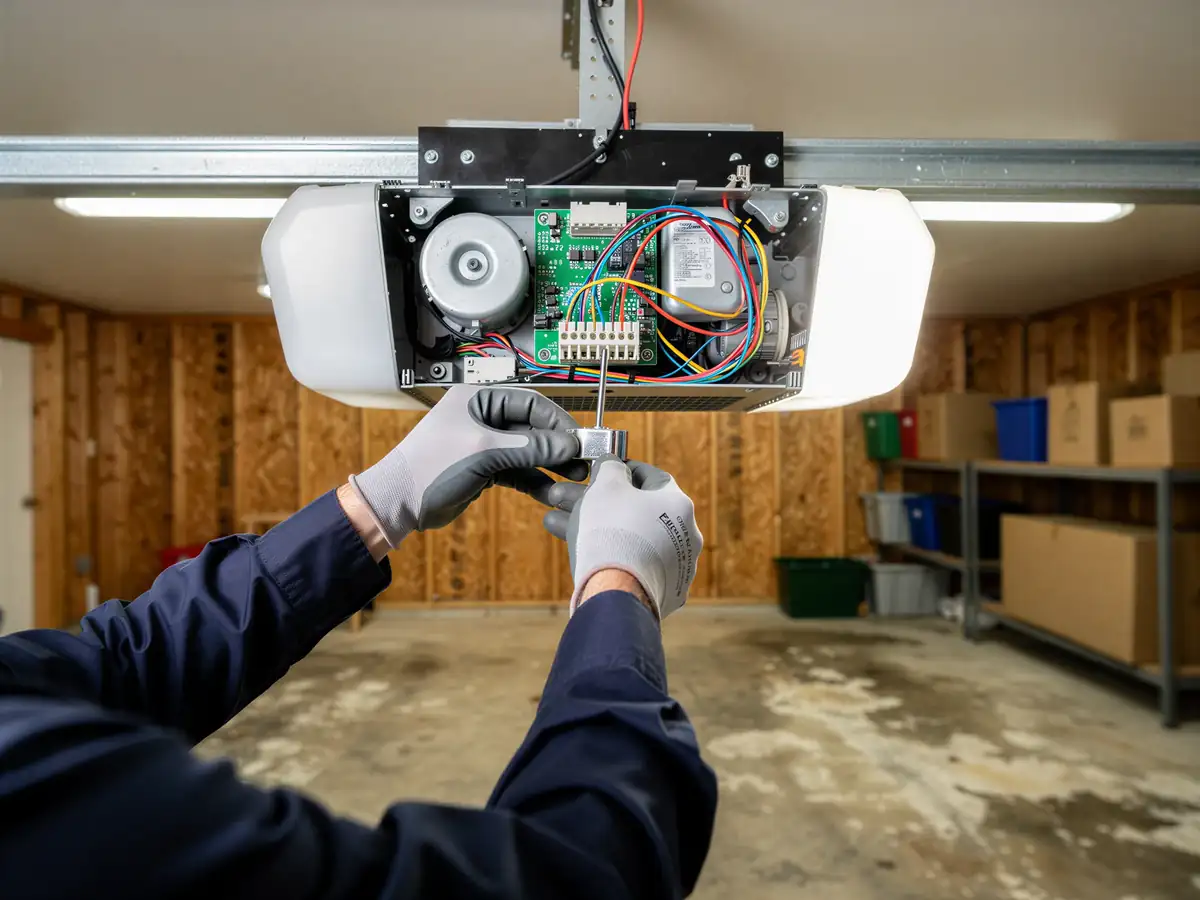
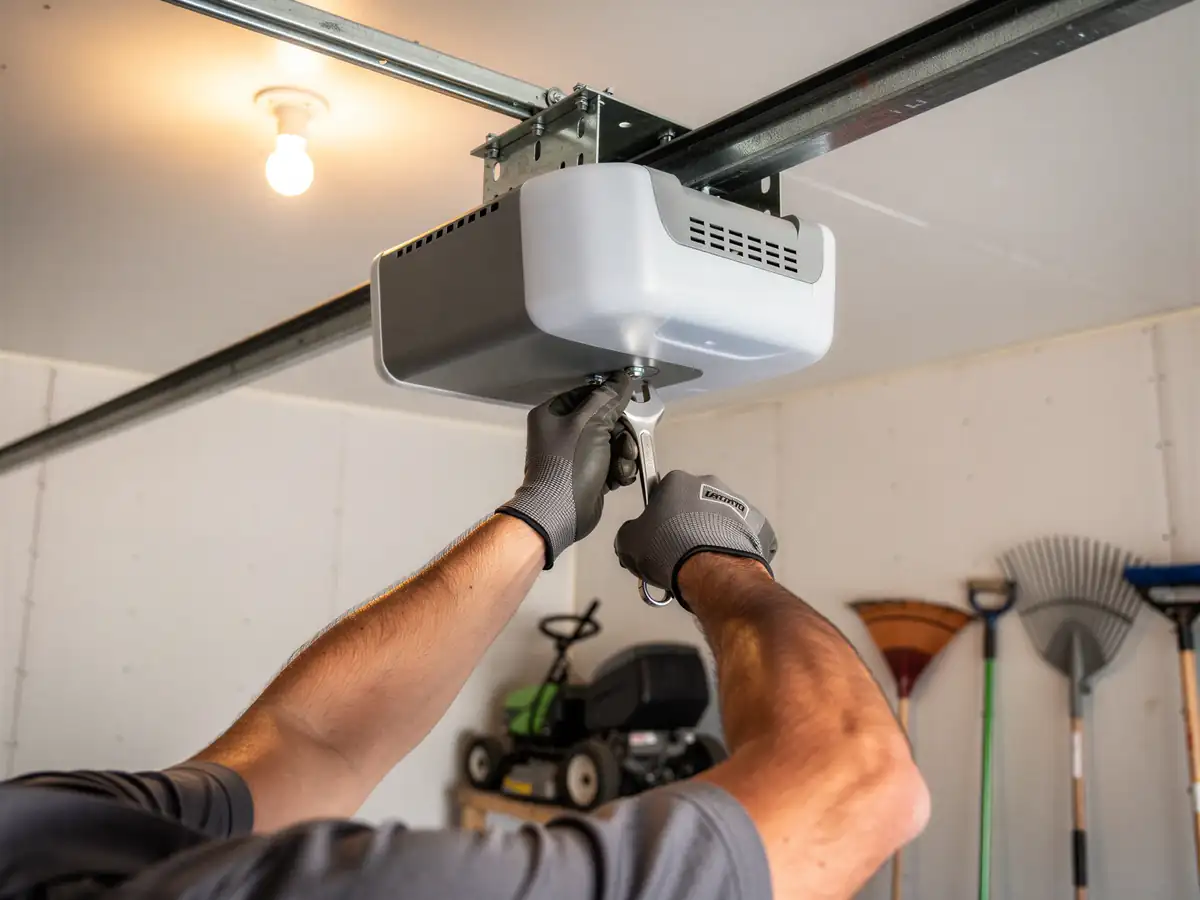
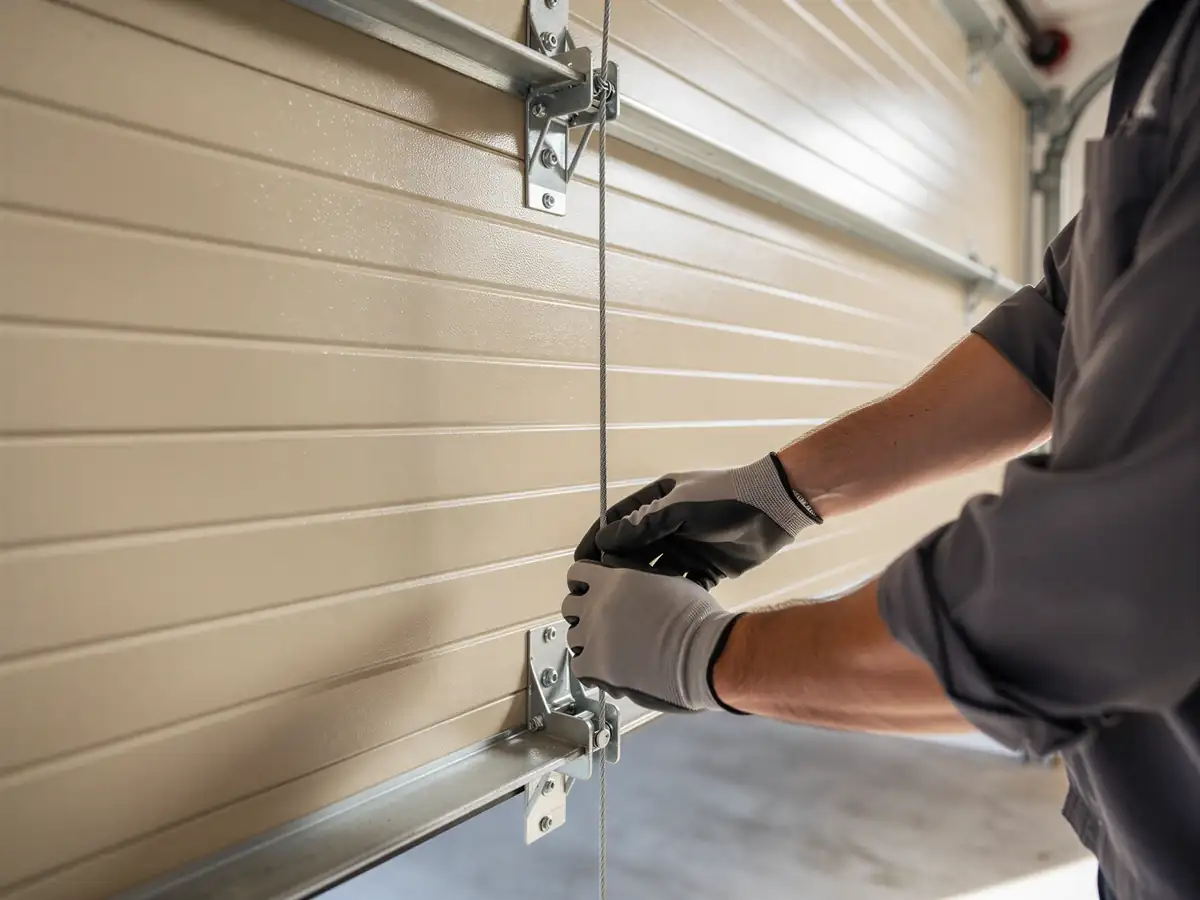
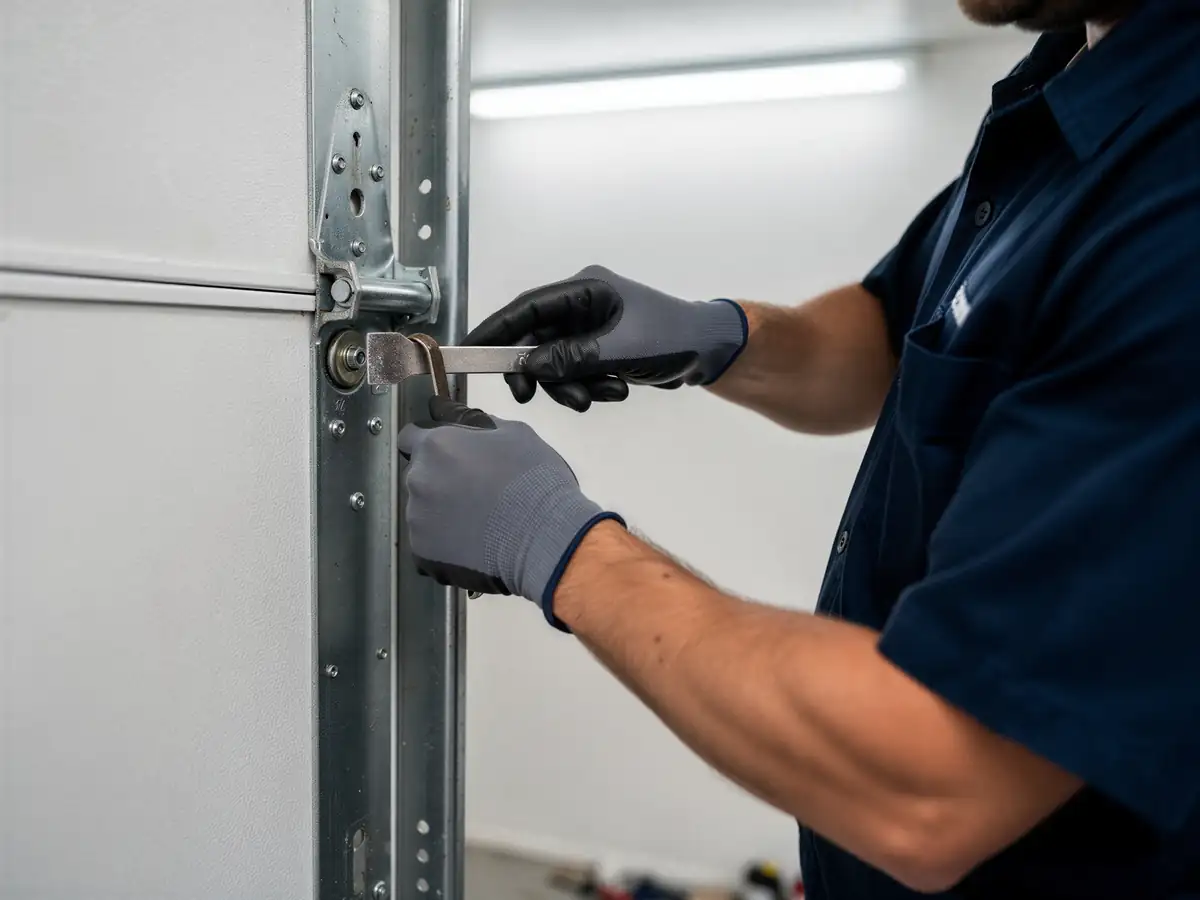
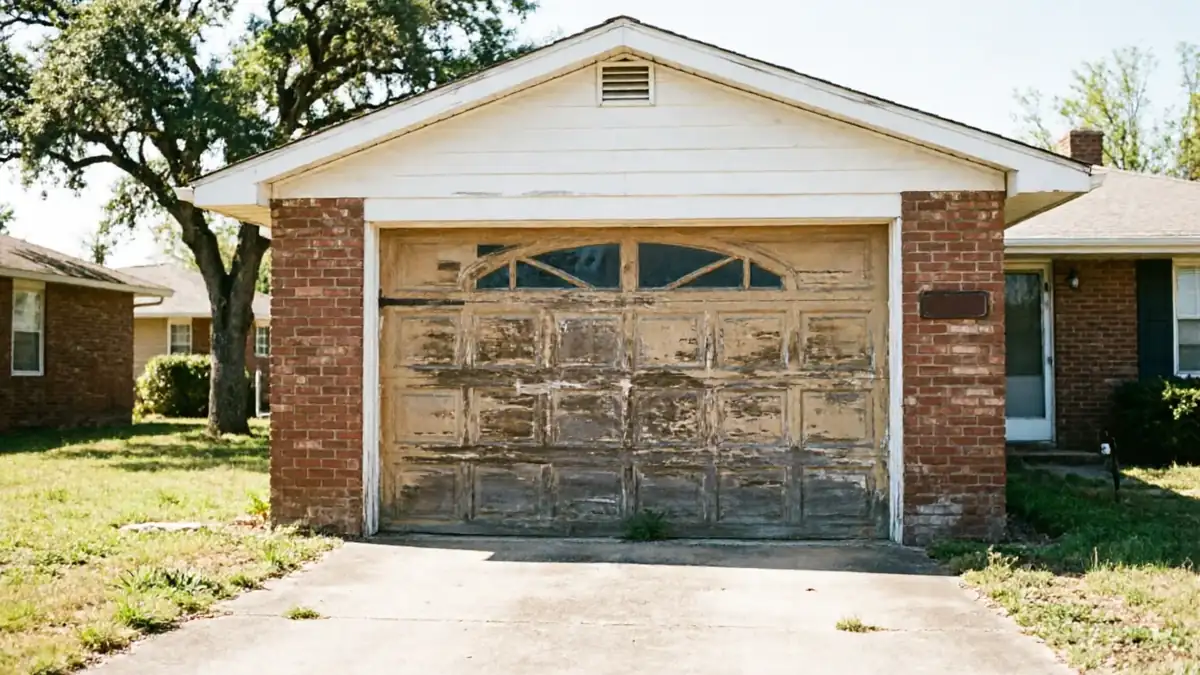
Doors from that era are usually steel sectional panels on extension springs, sometimes early torsion setups, paired with openers that predate rolling-code security and most of the safety sensors you'd expect on a new unit today. None of that makes the door bad. It means the parts wearing out now - rollers gone flat, hinges stretched, an opener motor that hums but won't lift - are original equipment doing exactly what thirty-five to forty years of daily use does to steel and springs.
We see this across the service area, not in one pocket. With 15,503 owner-occupied houses among 23,059 households here, a lot of garages are original to the home rather than updated along the way. That's the baseline we're working from before we even look at your specific door.
How Local Conditions Play In
The climate here sits in the mild temperate band, which actually works in favor of these older doors in one way: you're not getting the deep freeze-thaw cycles that crack slabs and warp track mounts further north. A torsion shaft or track bracket from 1984 isn't fighting the same expansion and contraction stress you'd see in a harsher climate zone.
What mild and steady does instead is wear things down slowly and evenly. Hardware that never gets a hard freeze also never gets a dry reset - it stays under low-grade moisture exposure year-round, and lubricant on rollers and hinges breaks down at a steady clip rather than in dramatic swings. On a door that's original to a house built in the 1980s, that adds up to decades of quiet wear rather than one bad winter.
So the honest read is this: the climate here isn't the reason a 1984-built door is failing. The years are. The mild conditions just mean the failure shows up as gradual stiffness, sag, and noise rather than a sudden snapped spring after a cold snap - which is actually a better warning sign, if you catch it early.
The Cost of This Job
We're not going to quote a number here that doesn't match what's actually on your door
But here's how the age factor plays into what a job costs. A door built when this housing stock went up - 1978 to 1993 - was made with hardware sizes and spring specs that aren't always what's stocked on the newest trucks. Matching an old torsion spring to the exact door weight, or finding a panel that matches a thirty-year-old color and ribbing pattern, takes more labor than swapping parts on a five-year-old door.
That said, median household income in this area runs $82,018
Which puts most repair work on an original door well within reach - springs, rollers, an opener swap, a cable replacement. Those are bounded jobs. Where cost climbs is when the track is bent, the panels are rotted at the bottom from years of ground moisture, or the opener's circuit board is a model nobody carries anymore. At that point you're not paying for a repair, you're paying to keep patching something that's going to need the same visit again in a year or two.
Leaving It Alone
Here's the limitation we'll own up to: not every door from this era is worth saving, and we'd rather tell you that up front than run up a bill proving it. If the bottom panel is soft, the track is twisted past true, and the opener is the third part to fail this year, you're better off putting that money toward a new door than toward a repair that buys you another season.
But a lot of the doors we look at from houses built in 1984, give or take, aren't actually failing. They're original and tired, and tired isn't the same as broken. A spring replacement or a roller and hinge job on a door that's structurally sound will usually outlast the cost of replacing the whole unit, especially in a market where 15,503 houses are owner-occupied long-term rather than turned over every few years.
Leave a genuinely worn-out door alone too long, though, and the failure mode isn't gentle - a cable can snap under tension, or a panel can finally give at a hinge point while the door's in motion. That's a safety call, not just a cost call.