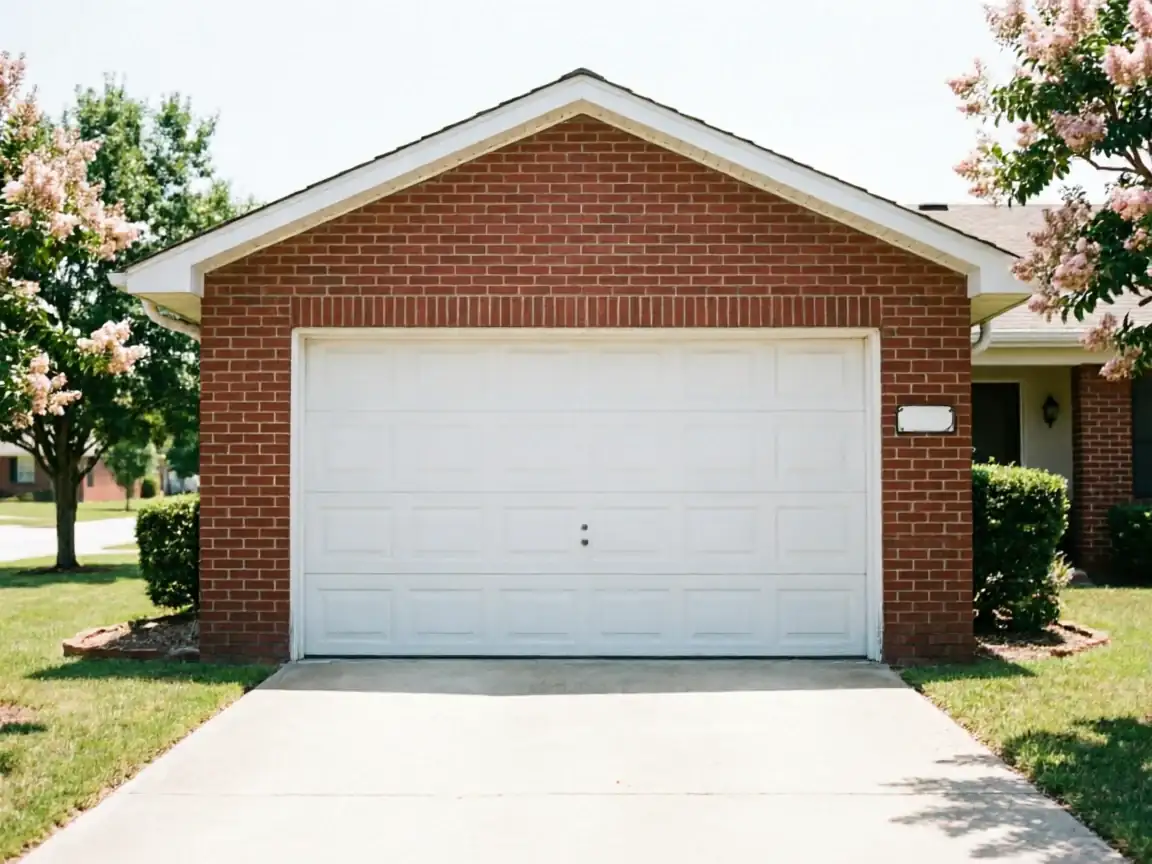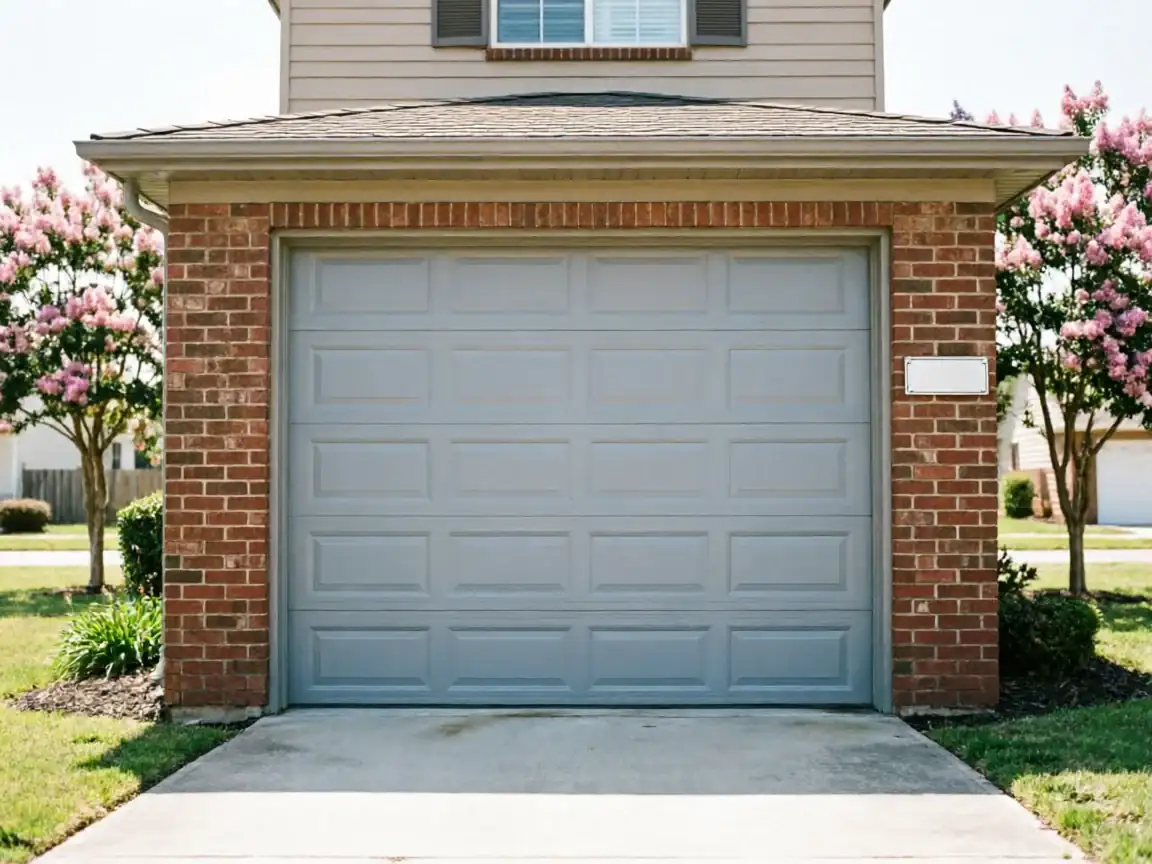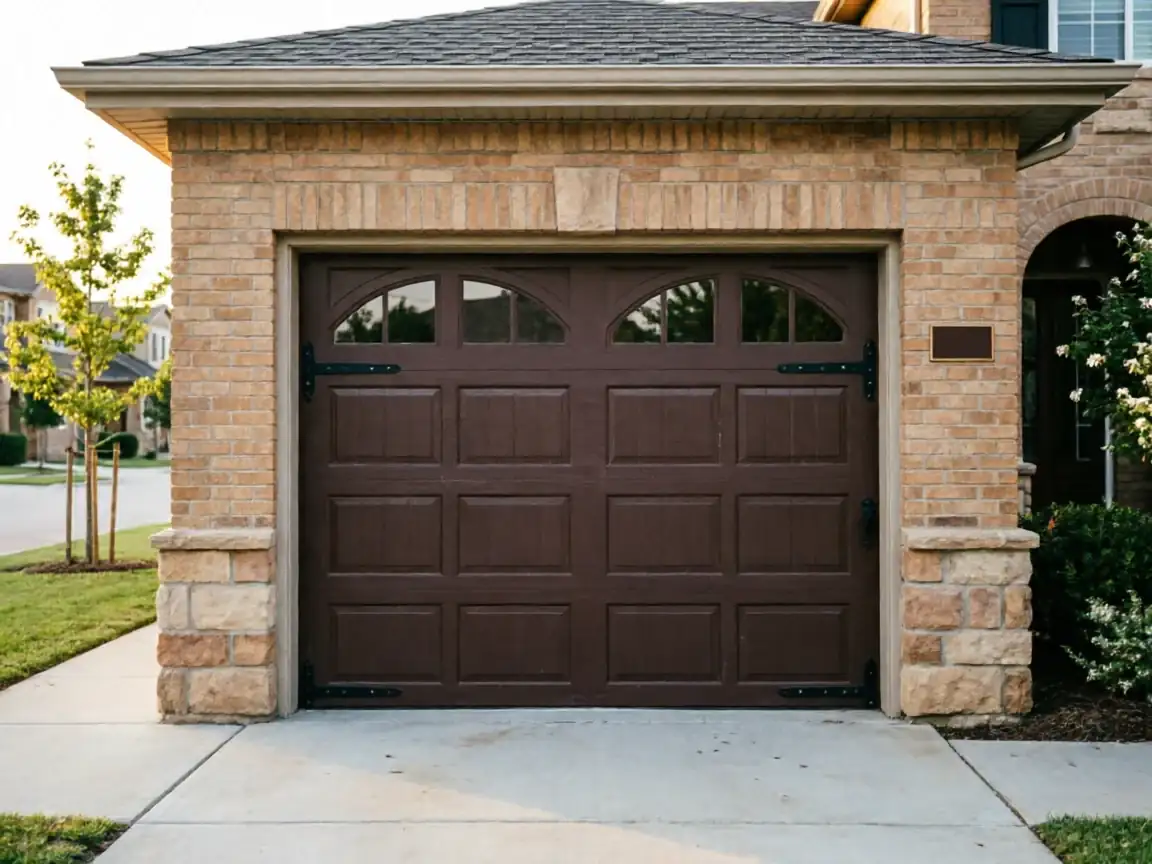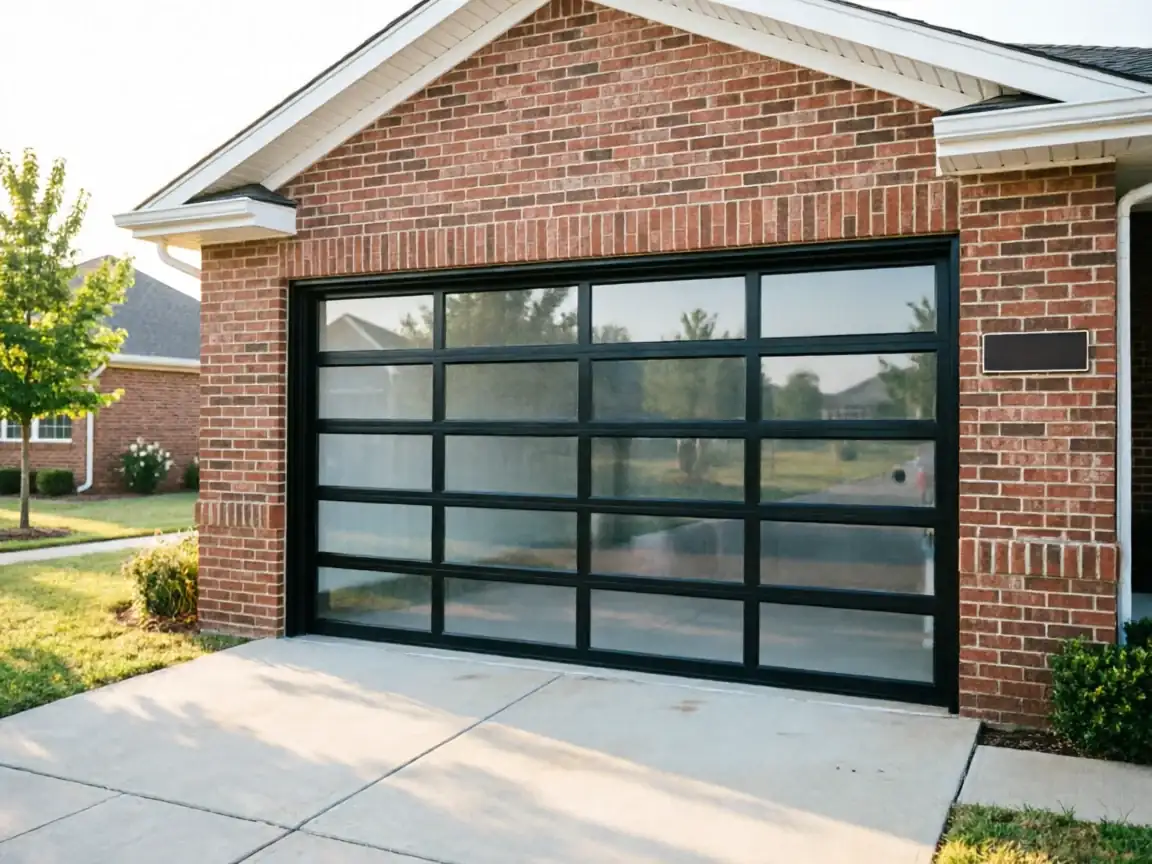
Why It Happens Here
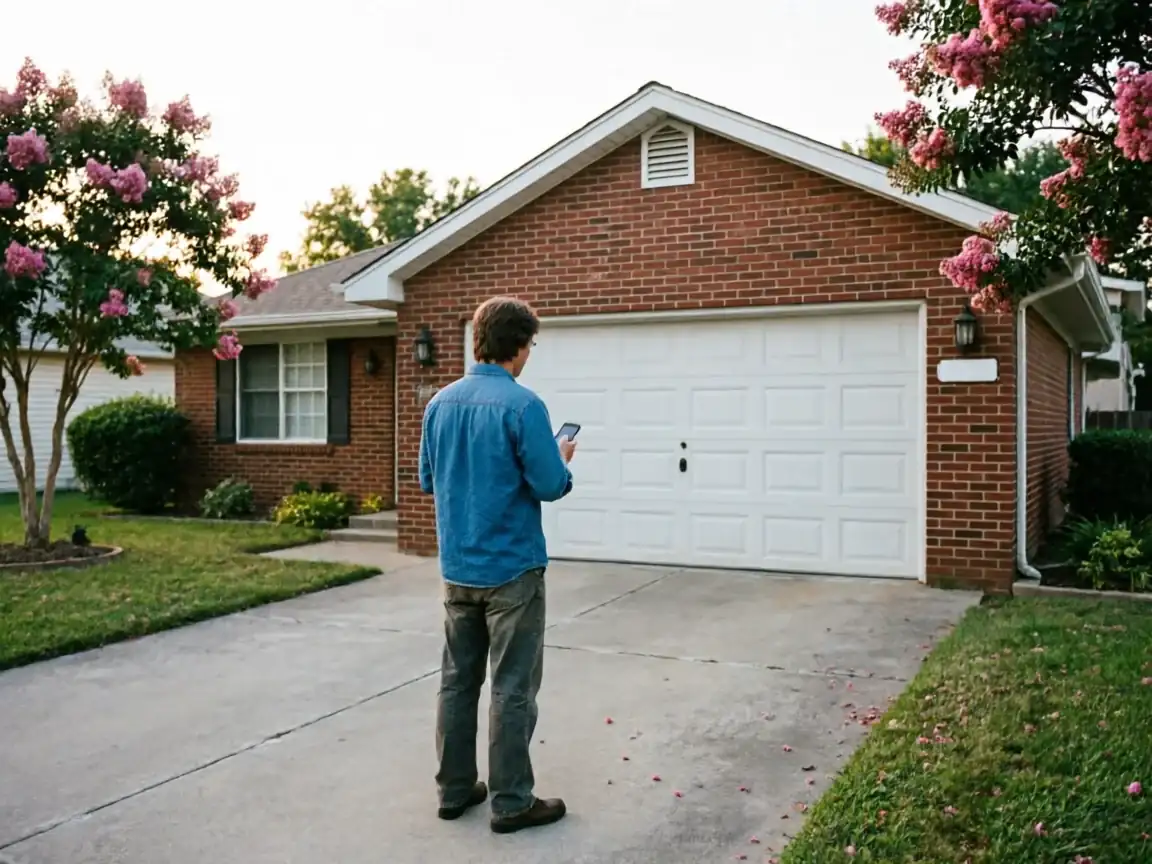
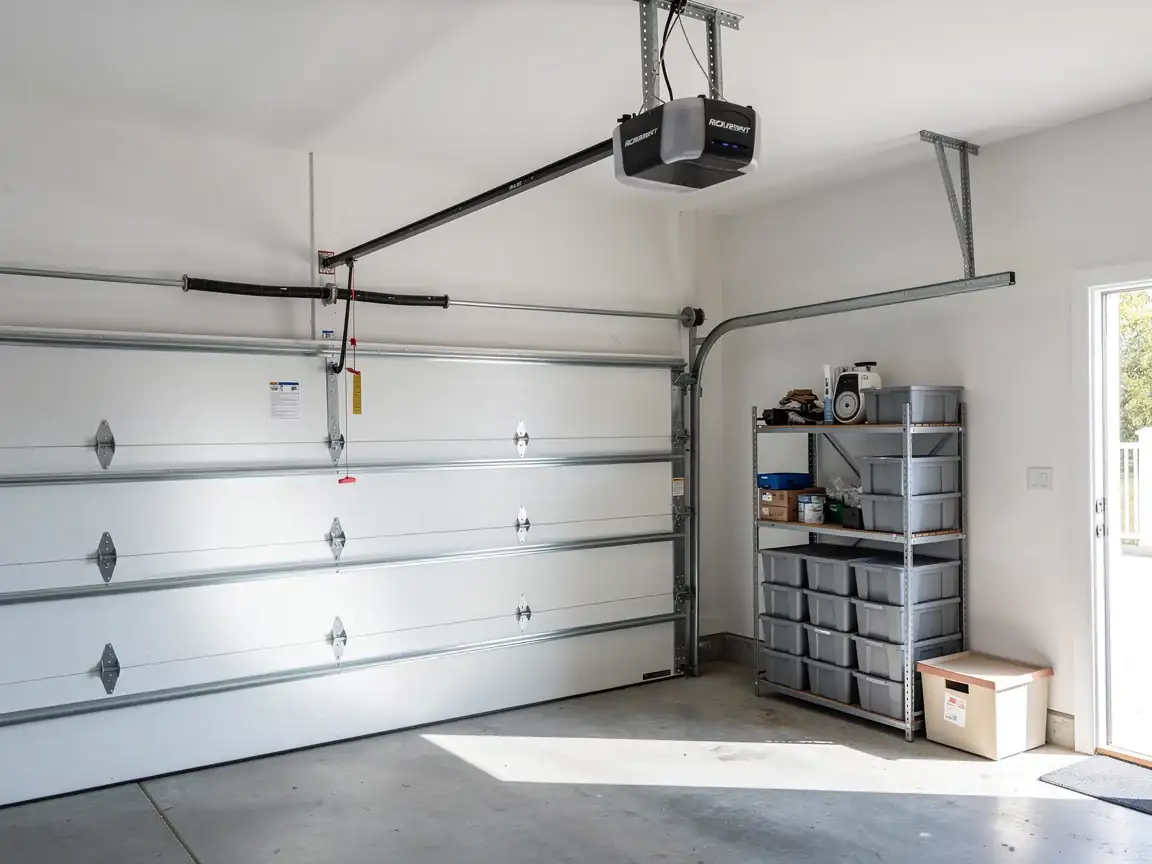
Galveston's housing stock mostly went up between 1978 and 1993, with the median build year sitting at 1984. That's not a small detail - it means a huge share of the doors, openers, and torsion hardware in this city are original or close to it, pushing 40 years old. Extension and torsion springs are rated in cycles, not years, but even a well-made spring from the early 1980s is well past any reasonable service window by now.
The climate here is mild temperate, so you don't get the hard freeze-thaw cycling that cracks concrete and snaps brittle steel further north. That's the good news. The less-good news is that mild, humid air year-round is tough on anything with exposed metal - cable ends, hinge pins, roller stems - that doesn't get attention. Corrosion in this climate is slow and steady rather than sudden, which means a lot of owners don't notice a cable or spring is near failure until it lets go.
Across the five main residential areas that make up most of this market, the pattern repeats: 1980s and 90s construction, original hardware, and openers that have outlived their expected lifespan without ever being swapped. That combination is the single biggest driver of service calls we see.
The Symptom
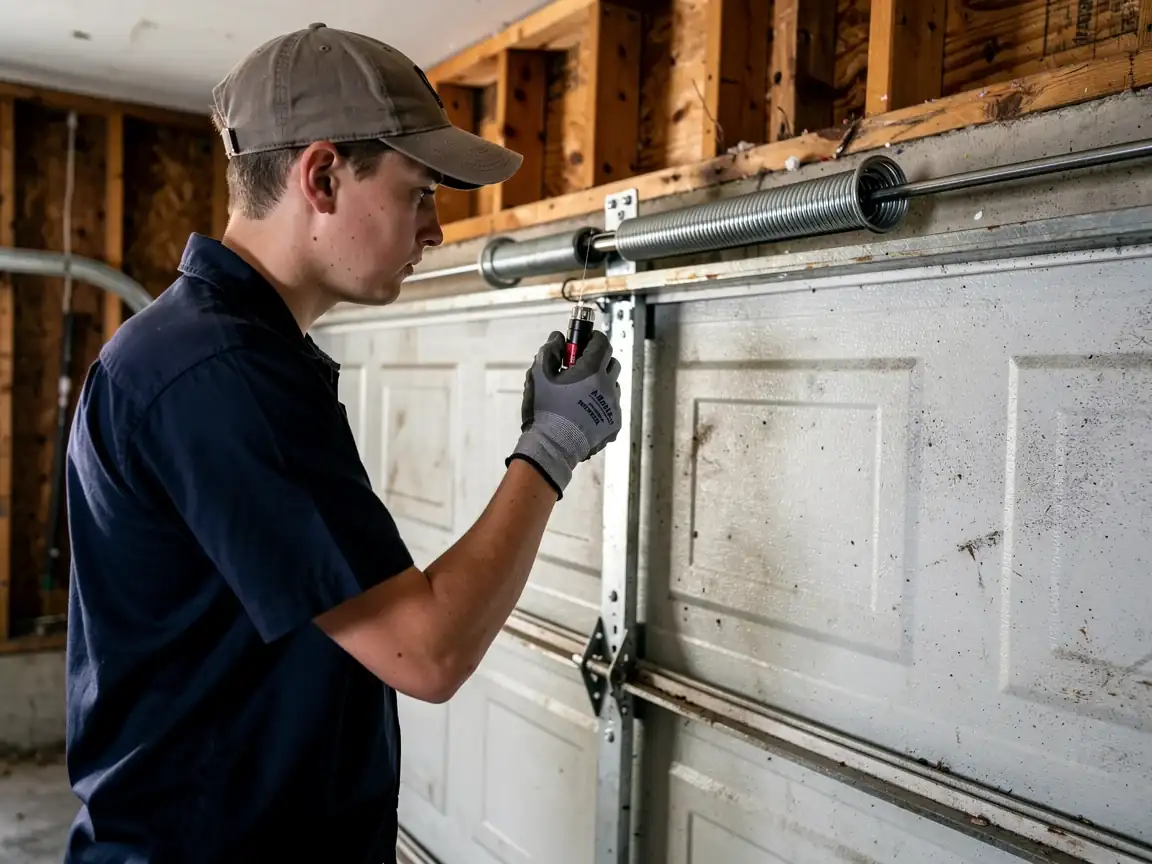
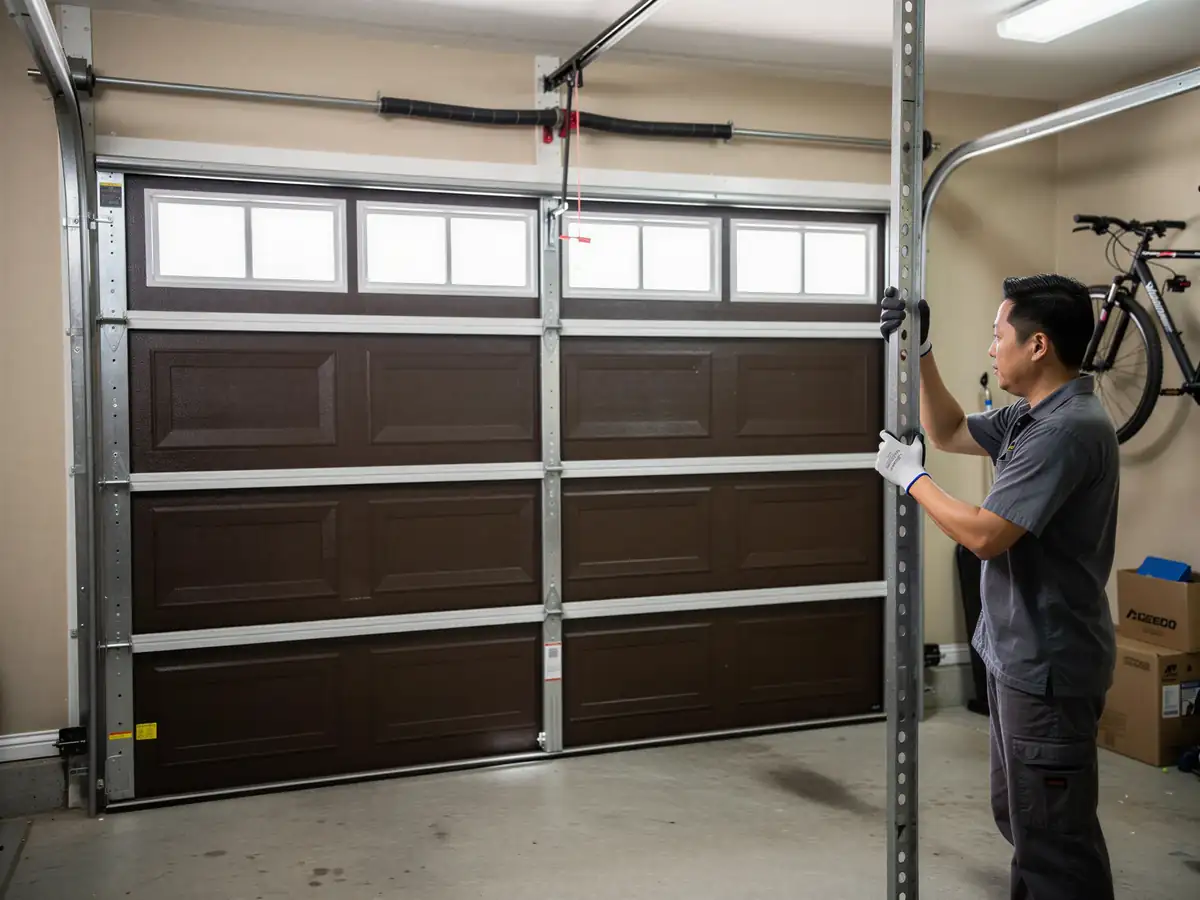
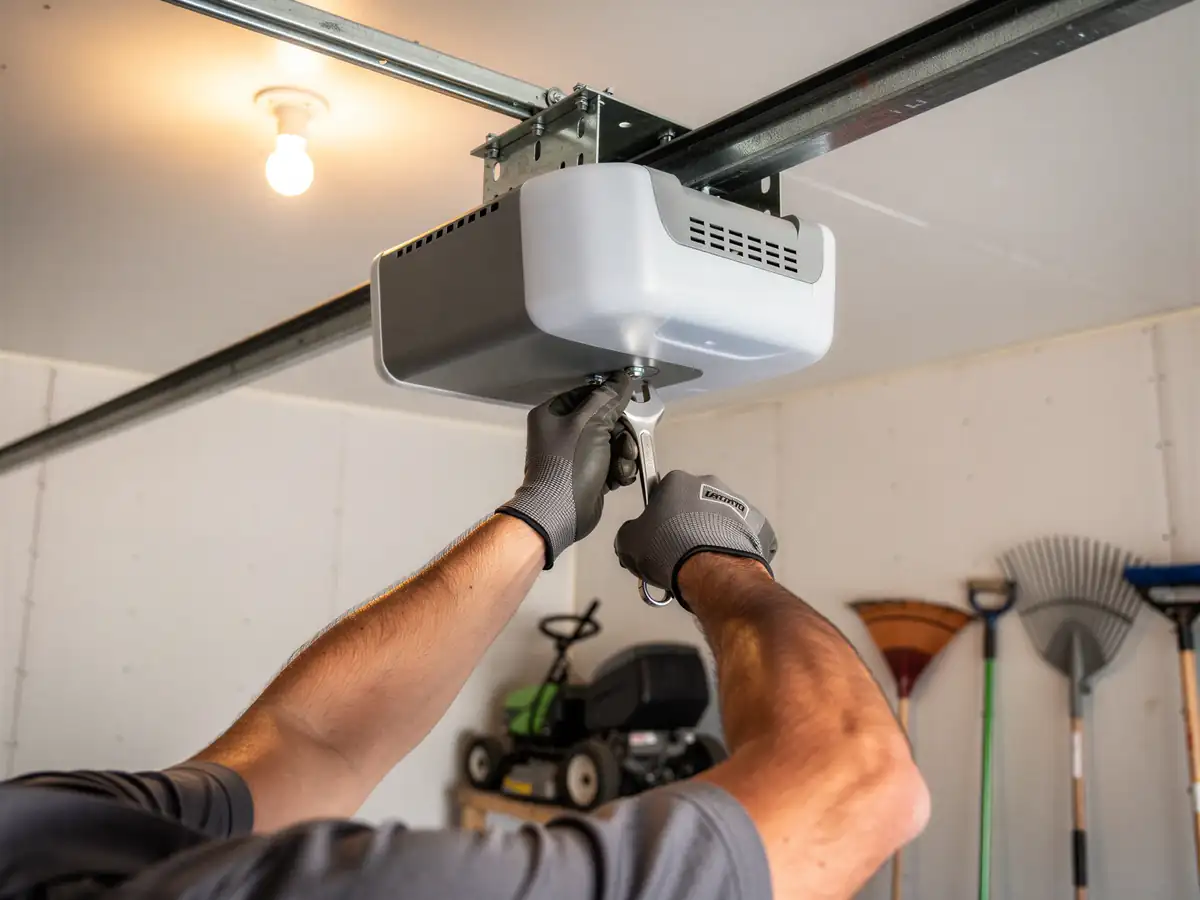
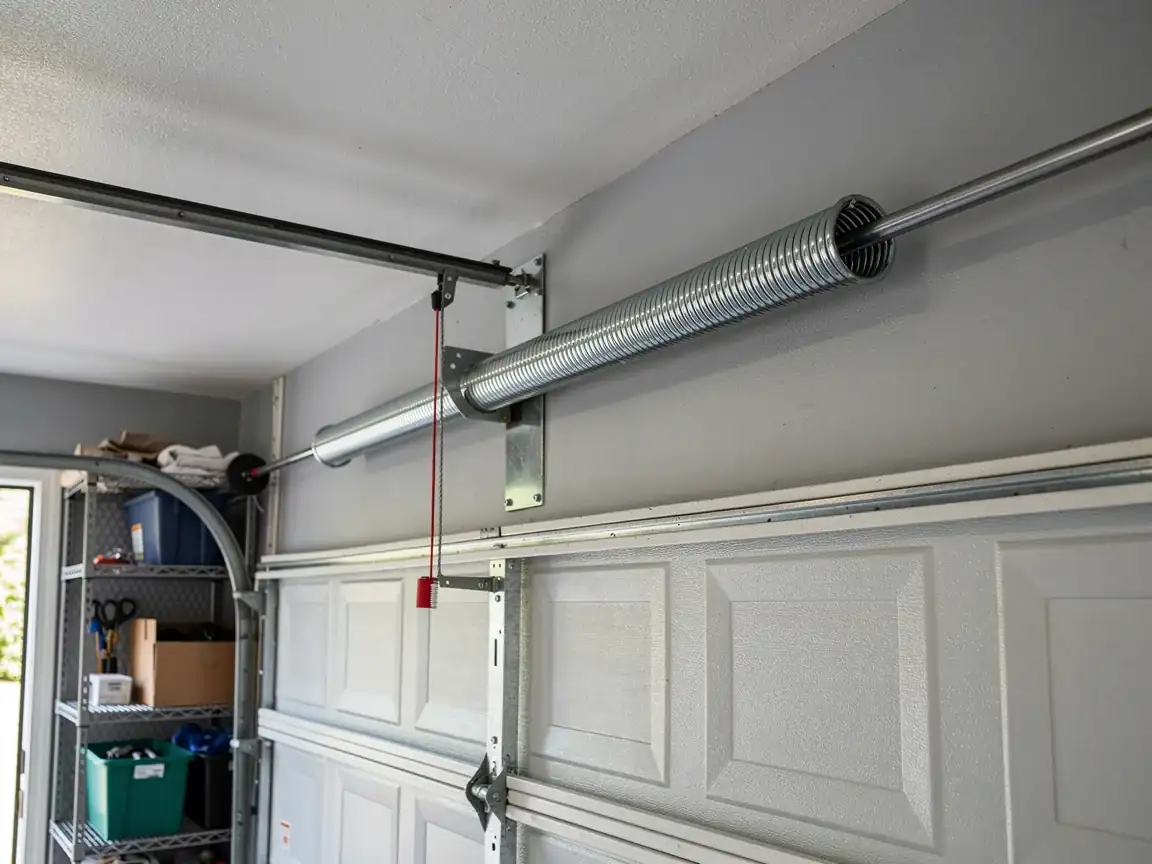
The door that used to lift smooth now jerks, hesitates, or stalls a few inches off the floor. You hear a bang or a loud pop from the garage and the door won't move at all - that's usually a broken spring, and on a house built in the early 1980s it's often the original one. An opener that runs but doesn't lift the door, or reverses for no reason, points to worn drive components rather than anything electrical.
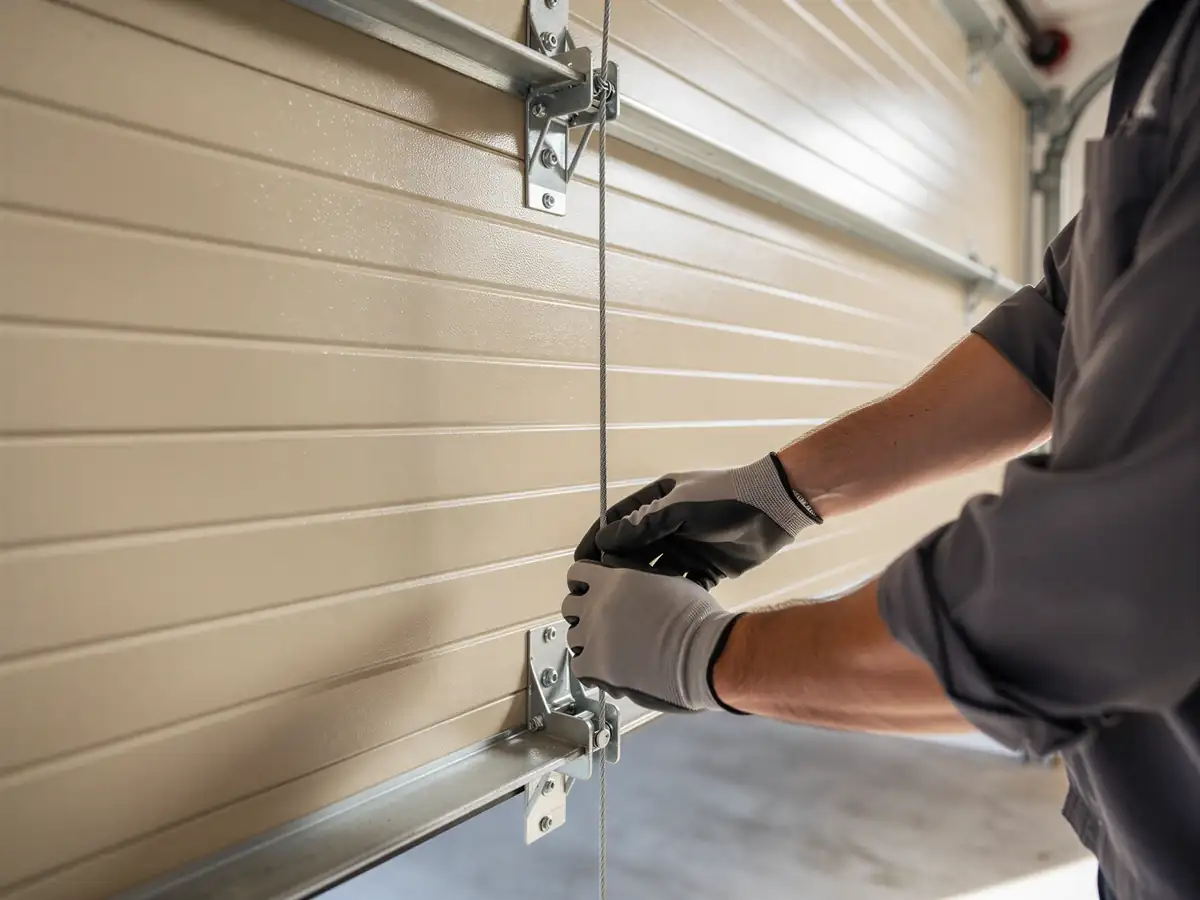
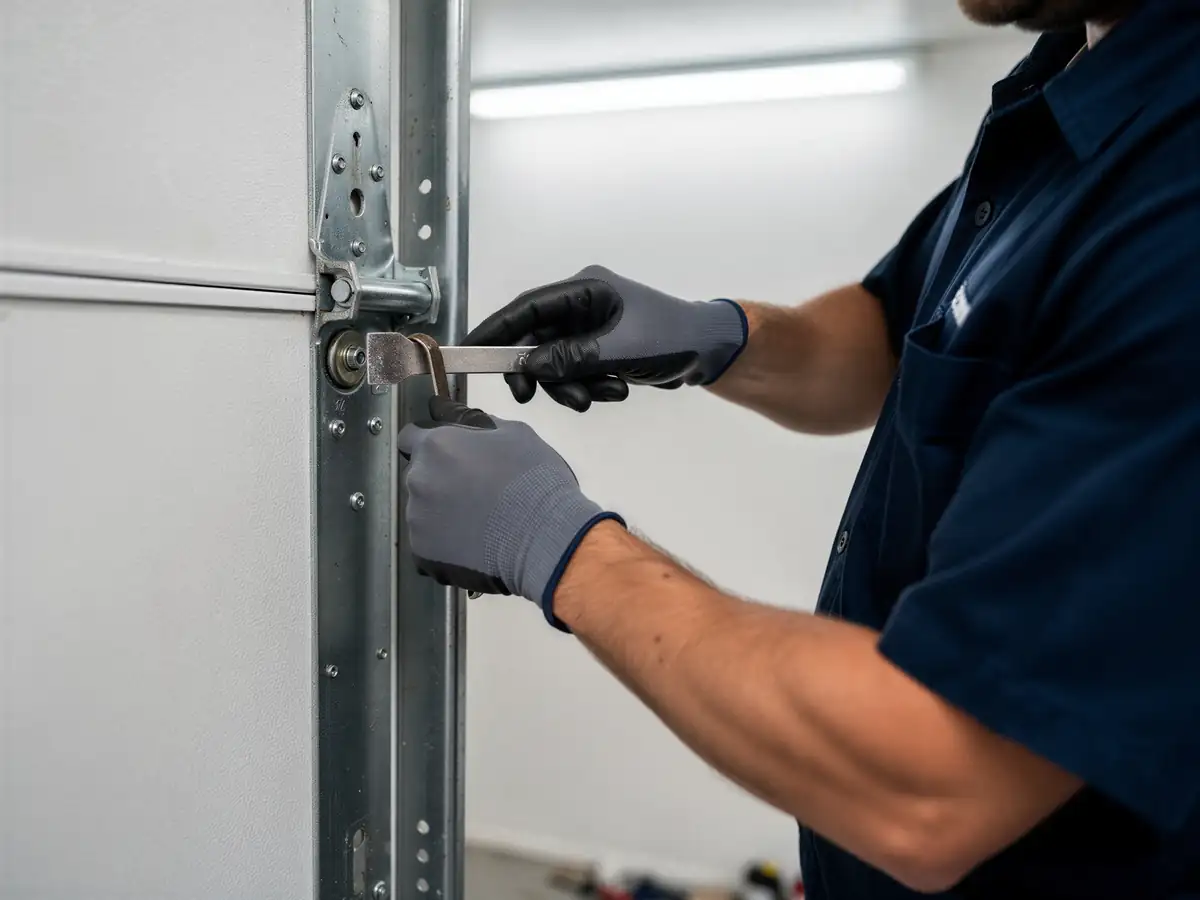
On older track systems you'll sometimes see a panel that rides crooked, scraping one side of the frame, which tells you a roller or a track bracket has worked loose over decades of use. None of these are dramatic events. They build slowly, which is consistent with housing this age in a climate that doesn't force sudden failures the way freeze-thaw regions do - until one day a part that's been degrading for years finally gives out all at once.
The Cost of This Job
We don't have a flat number to quote here
Because the range depends heavily on what's actually failed - a spring swap is a different job than a full opener replacement or track realignment. What we can say is that in a market where median household income sits around $82,018 and the large majority of homes are owner-occupied, most owners are weighing a repair against a full replacement once a door reaches the age that originals in this area now are.
- $82,018 median household income
The honest answer is that if your door and opener are both original to a house built in the 1978-1993 window
Patching one failed part often just means the next one fails within a year or two. We'll tell you straight when a repair makes sense and when you're better off replacing the whole assembly instead of feeding it parts one at a time.
What Can Go Wrong
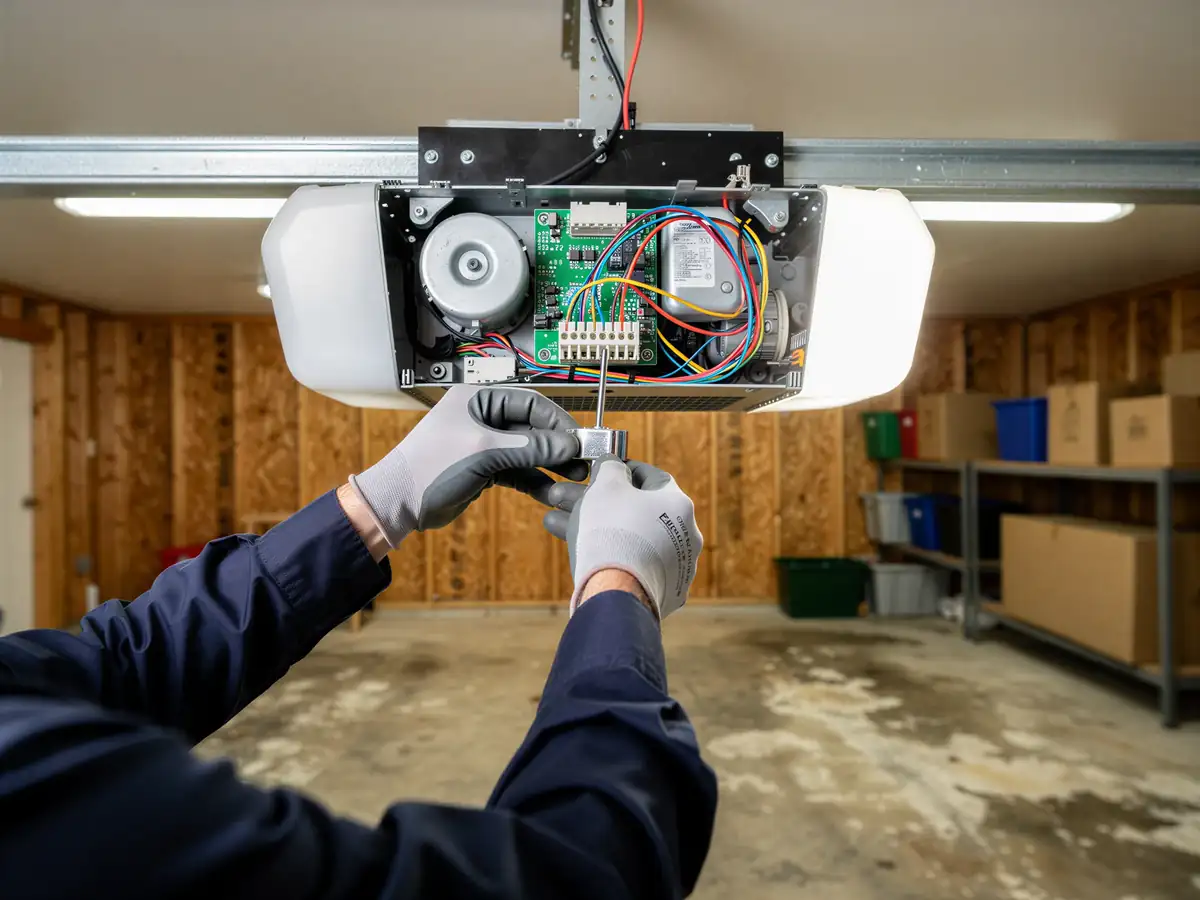
A broken torsion spring on a door that's never had the opposing spring replaced is the classic setup for a second failure within months - the springs age as a pair even if only one lets go first. On openers from this era, the drive gear and capacitor are usually the first things to fail, and once the gear strips, the motor can keep running while the door doesn't move at all, which confuses a lot of owners into thinking the opener itself is fine.
One limitation worth being upfront about: on hardware this old, exact replacement parts aren't always available anymore, and we sometimes have to substitute a compatible modern spring or bracket rather than match the original piece for piece. That's standard for doors from the 1978-1993 building period, but it's worth knowing going in rather than finding out mid-job.