What Is Going On
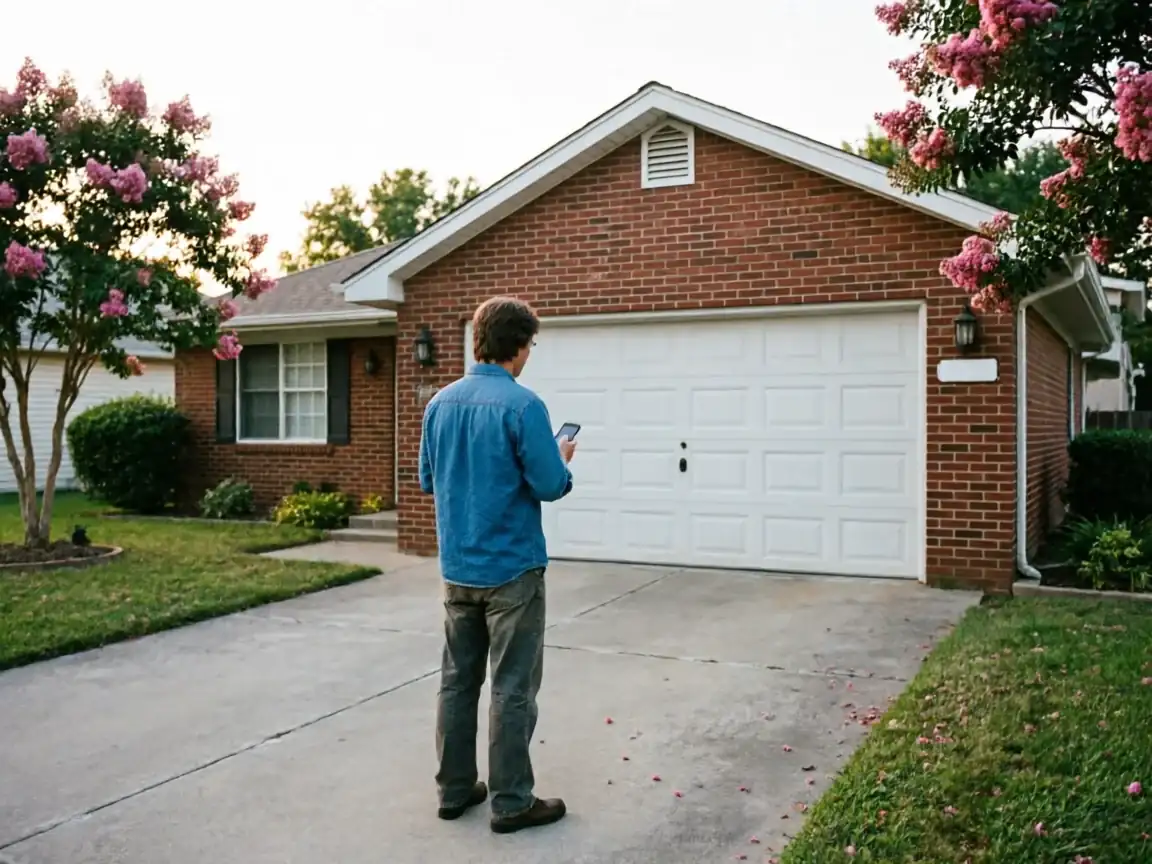
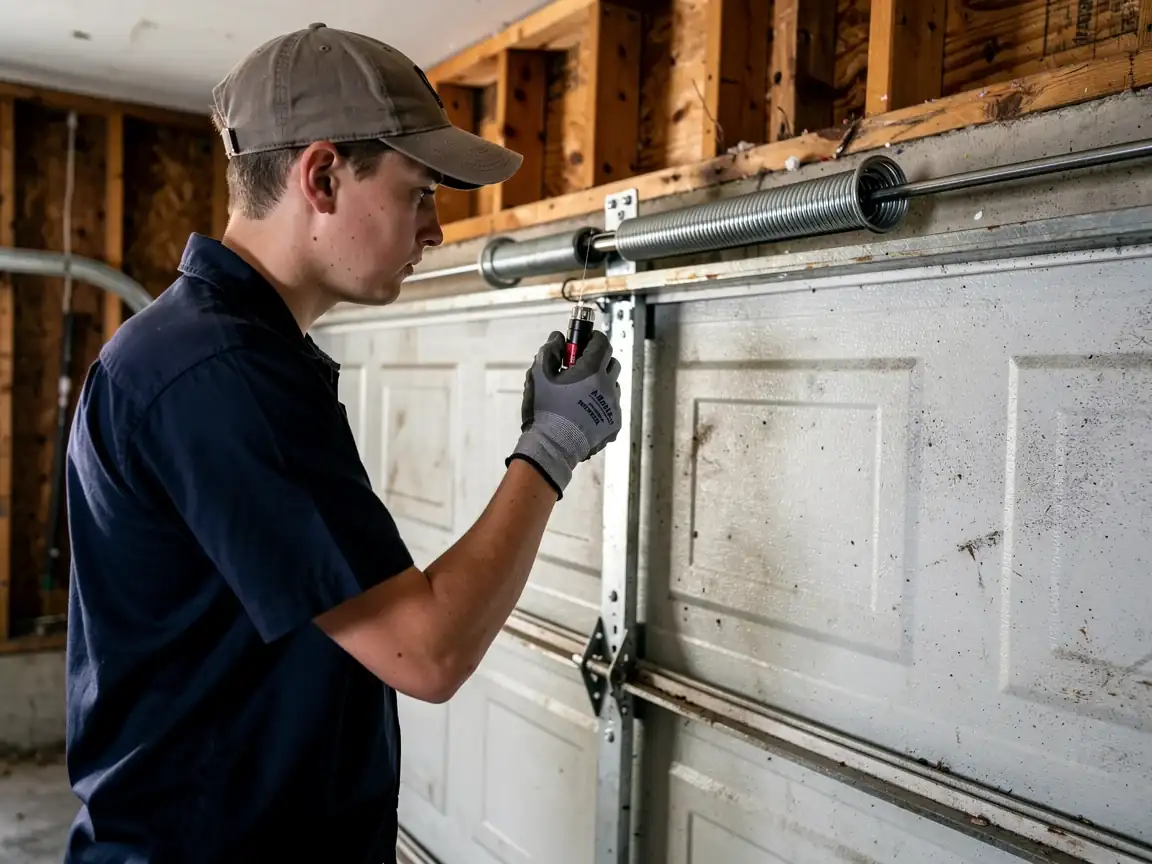
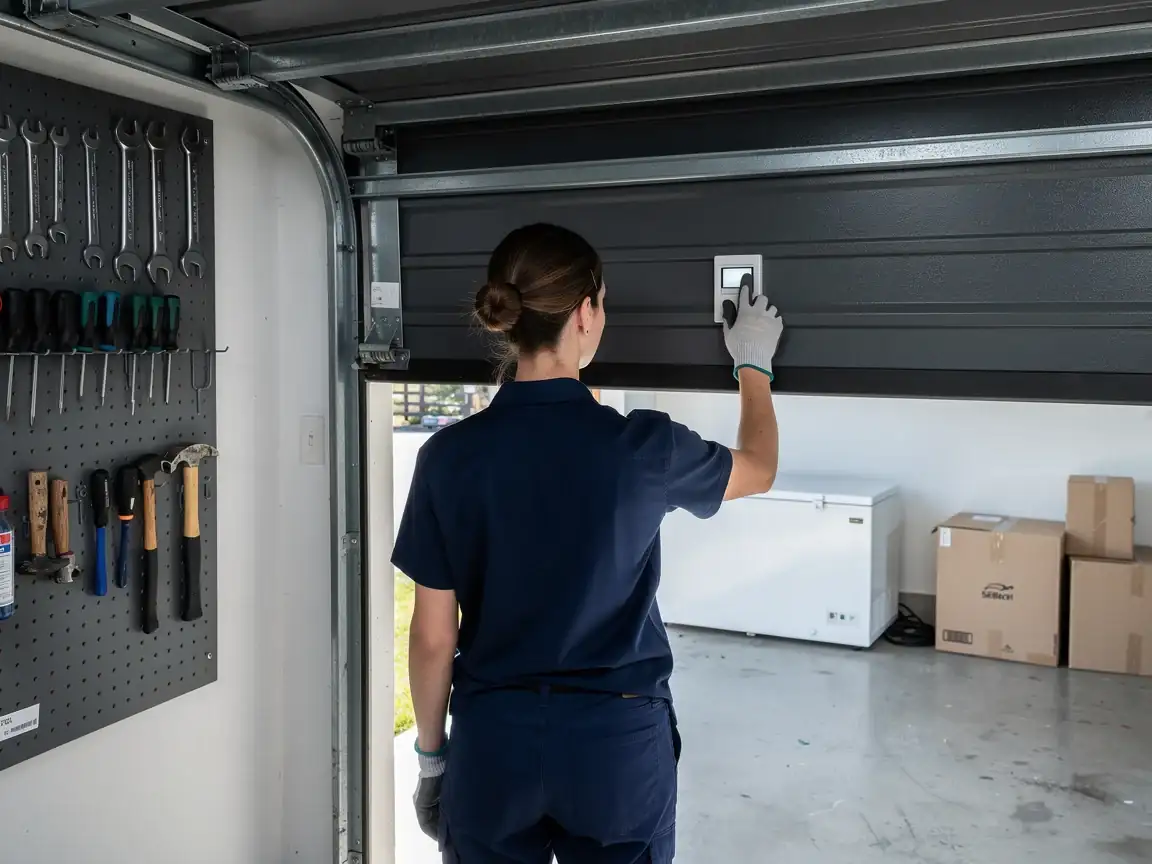
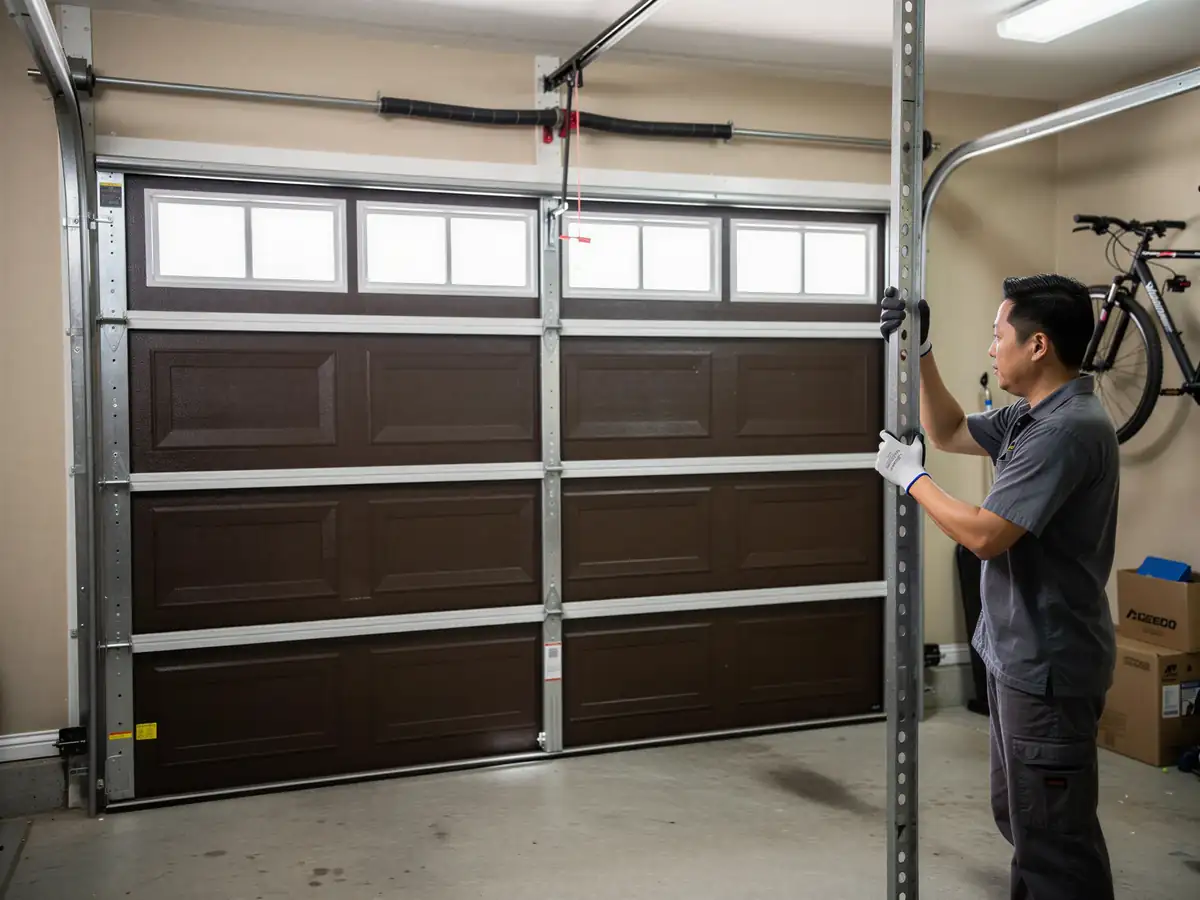
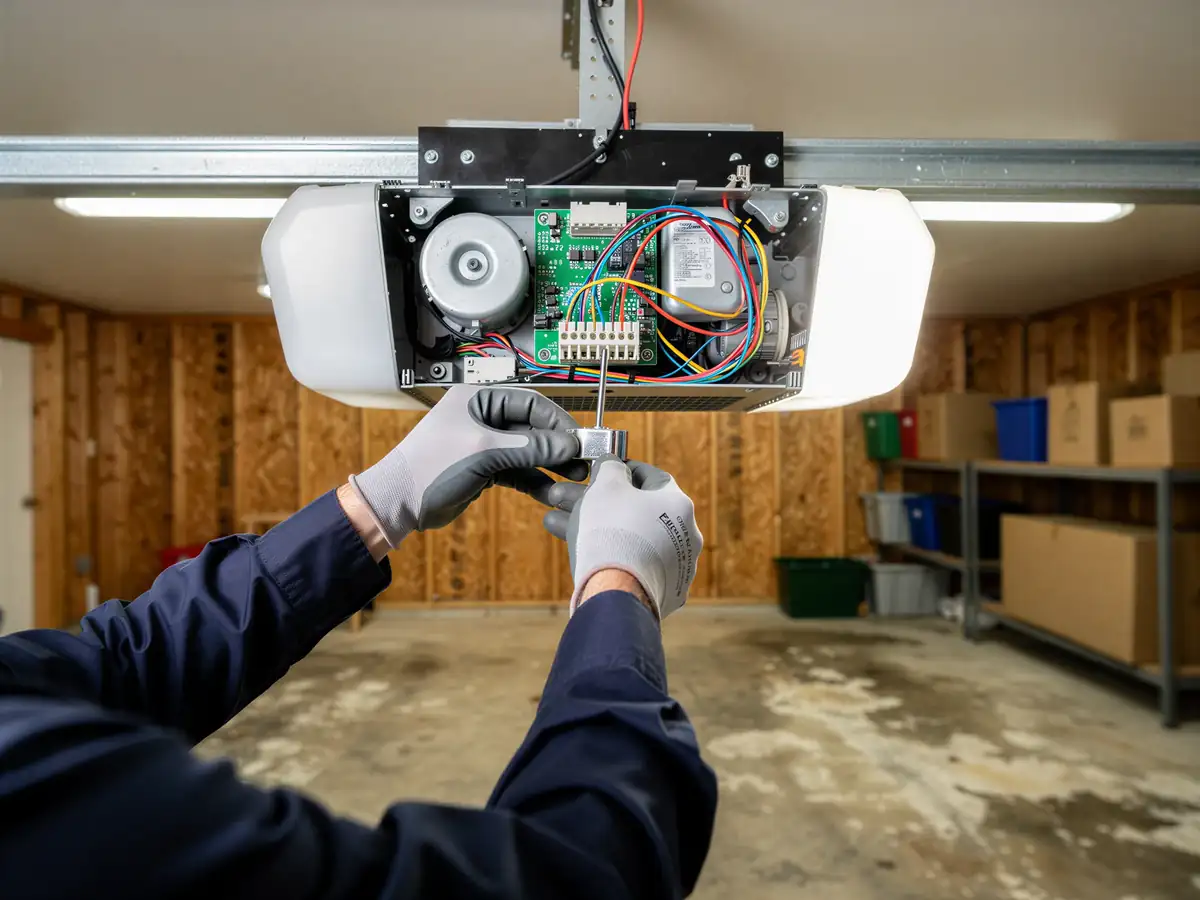
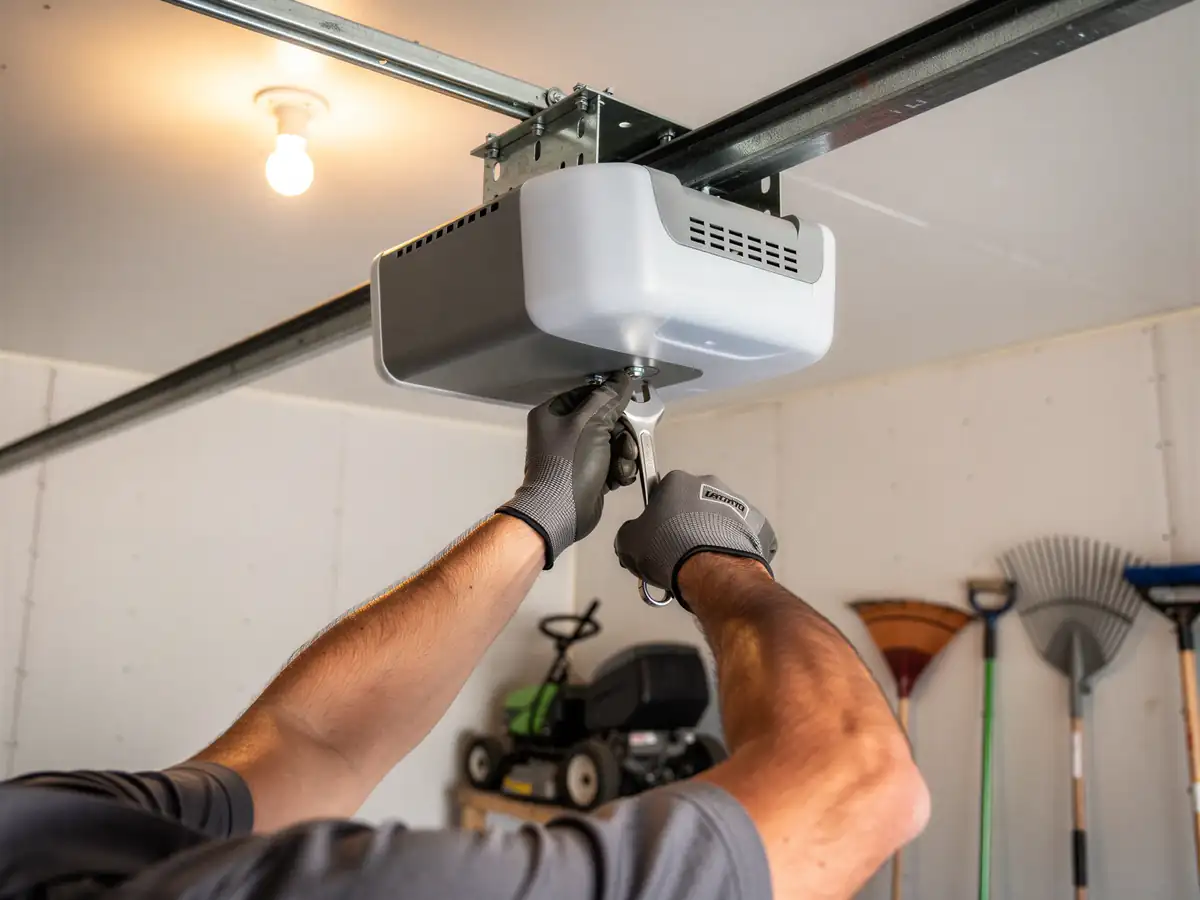
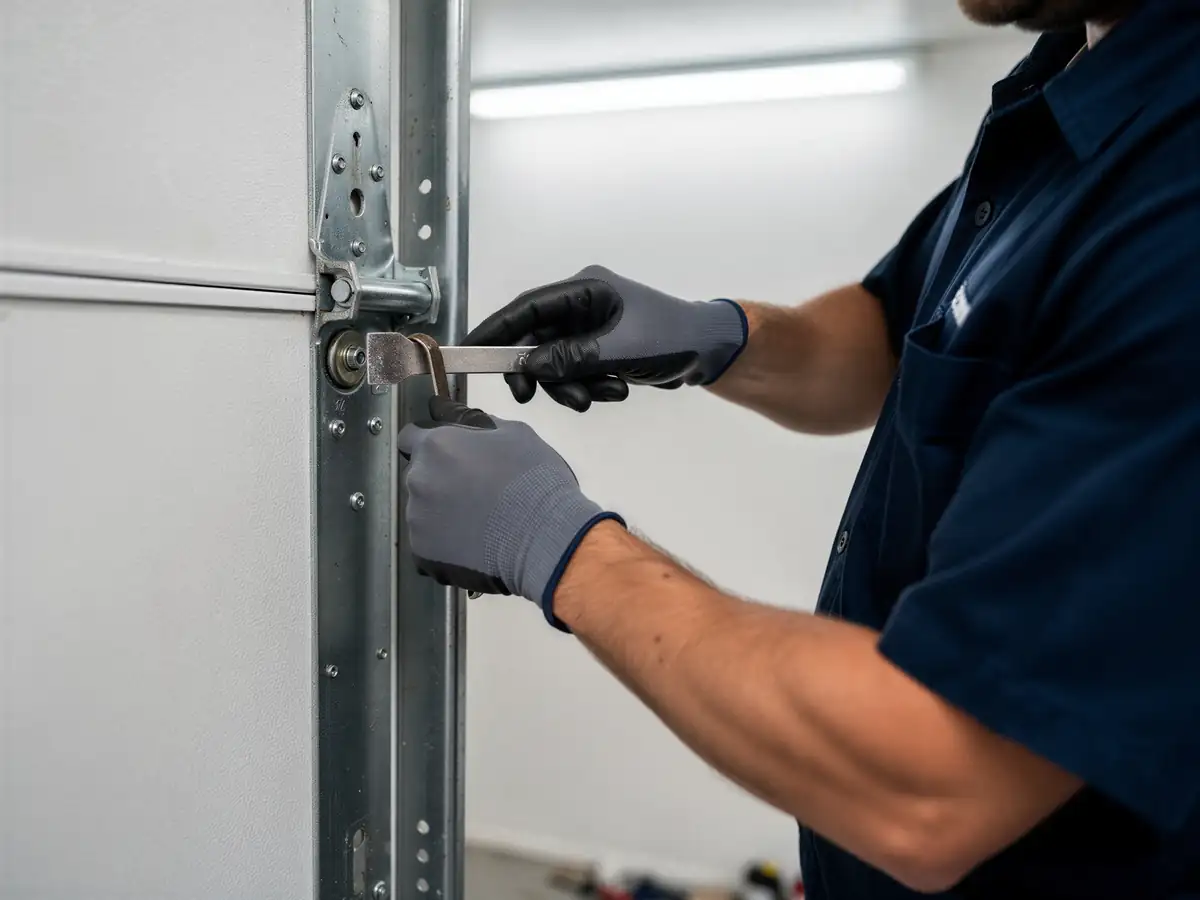
Most of the service calls we run in Galveston trace back to the same root: the house itself. Housing across the service area mostly went up between 1978 and 1993, with a median year of 1984, and that's true across all five named areas we cover. A door built or installed in that window is now 30 to 45 years old even if it's been painted or had a panel swapped. That means original torsion springs rated for a cycle count that ran out years ago, chain-drive openers with worn sprockets, and steel tracks that have taken decades of small bumps from cars and bikes. When we get a call, the first question isn't "what's broken" - it's "what else on this door is from the same era and about to go." A spring snap on a 1984-built door is rarely an isolated event. The rollers are usually just as tired, and the opener's safety reversal may not be working the way it did when it was new. We check all of it on the same visit, because a house from this stretch of construction tends to have everything aging together, not one part at a time.
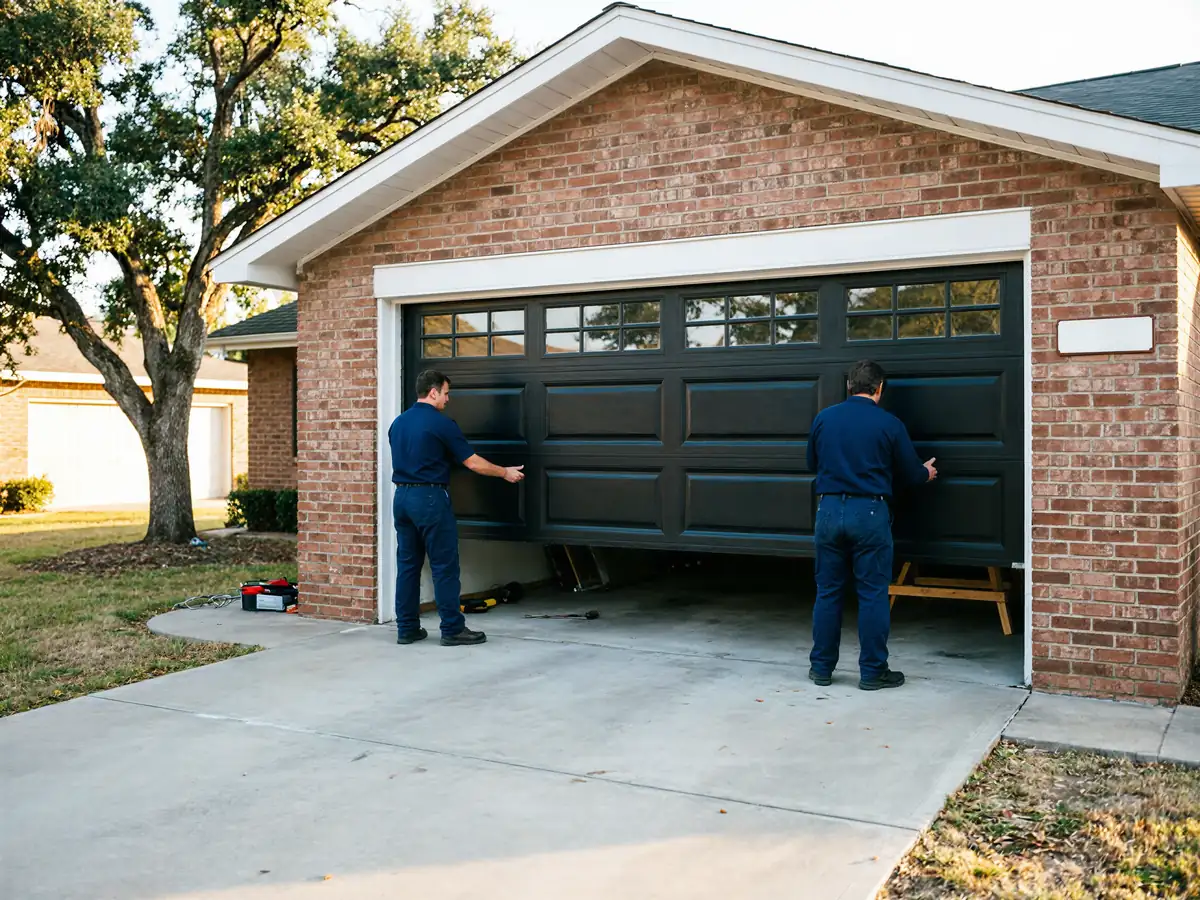
This isn't a scare tactic. It's just what the housing stock here looks like, and it shapes what a tech actually finds when the door comes up for the first look.
How Local Conditions Play In
Galveston sits in a mild temperate climate band, which cuts both ways for a garage door. You don't get the freeze-thaw cycling that cracks concrete slabs and warps steel in colder regions, so the door itself isn't fighting the kind of seasonal expansion and contraction that wrecks alignment up north. That's the good news, and it's real - we don't see the January spring snaps that come from sudden cold snaps the way some parts of the country do.
But mild and steady doesn't mean stress-free. A door that never gets a hard seasonal reset also never gets an obvious prompt to have someone look at it. Springs and rollers wear out on a cycle count, not a calendar, and in a mild climate that wear is quiet - no dramatic cold-morning failure to flag it early. So the door on a 1984-era house just keeps going until a cable frays or a spring finally lets go, often without warning signs the owner would have caught. That's the real local wrinkle: conditions here don't punish a worn door quickly, so by the time it fails, the whole system has usually been due for attention for a while.
The Cost of This Job
We're not going to quote a number here that isn't grounded
Every job is different depending on what's actually worn versus what's still good, and we'd rather tell you that straight than make something up. What we can tell you is how the decision usually gets framed for households in this area. With a median household income around $82,018 across roughly 23,059 households, most owners we talk to are weighing a repair against a full opener or door replacement, not treating cost as an afterthought.
- $82,018 median household income
- 23,059 households
The honest answer is that a house from the 1978-1993 wave often needs more than the single part that failed
If a spring goes on a door that still has its original rollers and a chain-drive opener from the same install, fixing just the spring and leaving the rest is a short-term patch - you're back out here again within a year or two. We'll always tell you what's failing now versus what's close behind, and let you decide whether to do it in one visit or spread it out. That's your call, not ours to make for you.
Leaving It Alone
Here's the limitation we're upfront about: not every call needs a tech out the same day, and we'd rather tell a homeowner to keep an eye on something than run a truck for a job that isn't urgent yet. A slightly noisy roller on a 1980s door isn't an emergency.
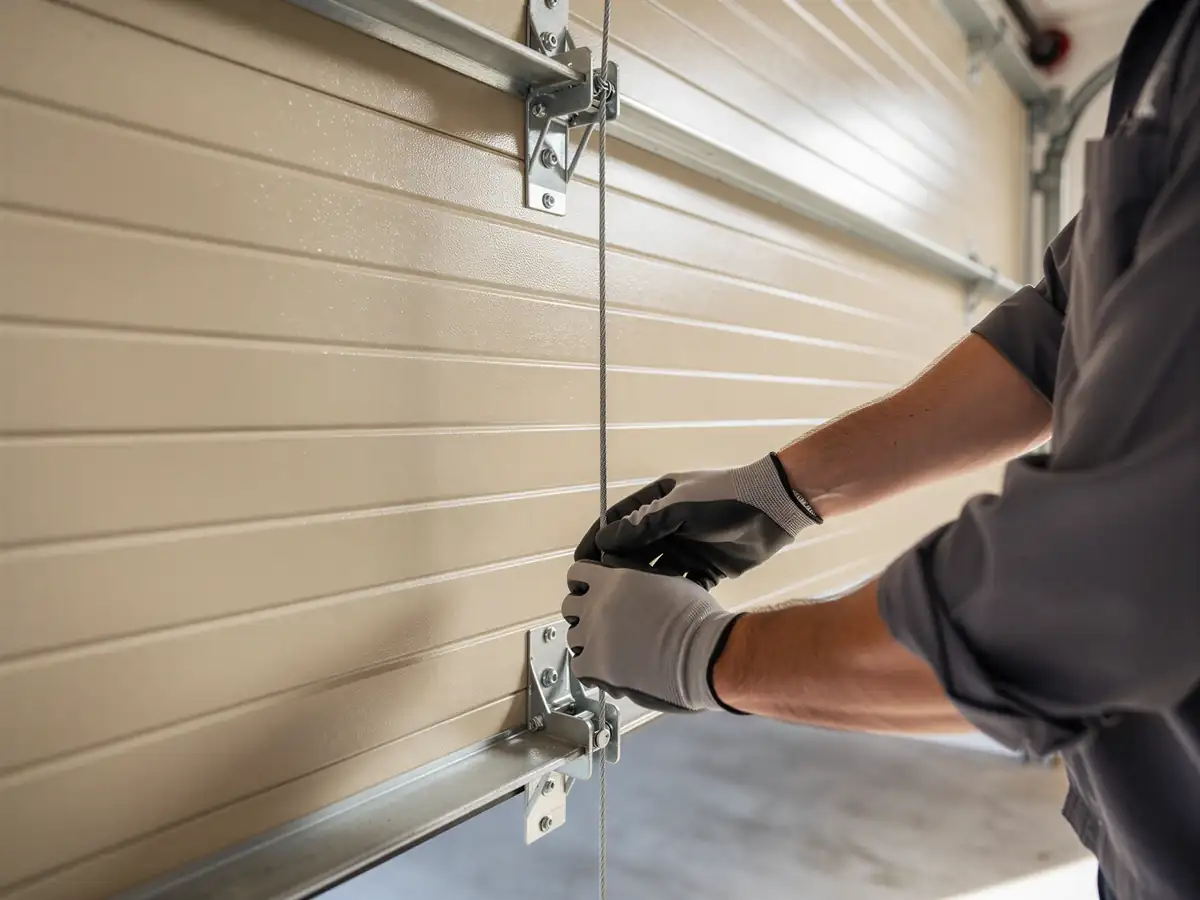
But a frayed cable, a spring with visible gaps between coils, or a door that's started reversing unevenly on one side is a different story - those don't improve by waiting, and on a door this age, they tend to take a second part down with them when they go. We've seen the difference between a call that came in early and one that came in after the door had been dragging for months: the early one is usually a single repair, the late one is usually a replacement. If you're near Hitchcock, Tiki Island, La Marque, Santa Fe, or Dickinson and you're not sure which category your door falls into, that's a reasonable thing to ask about before deciding to leave it.