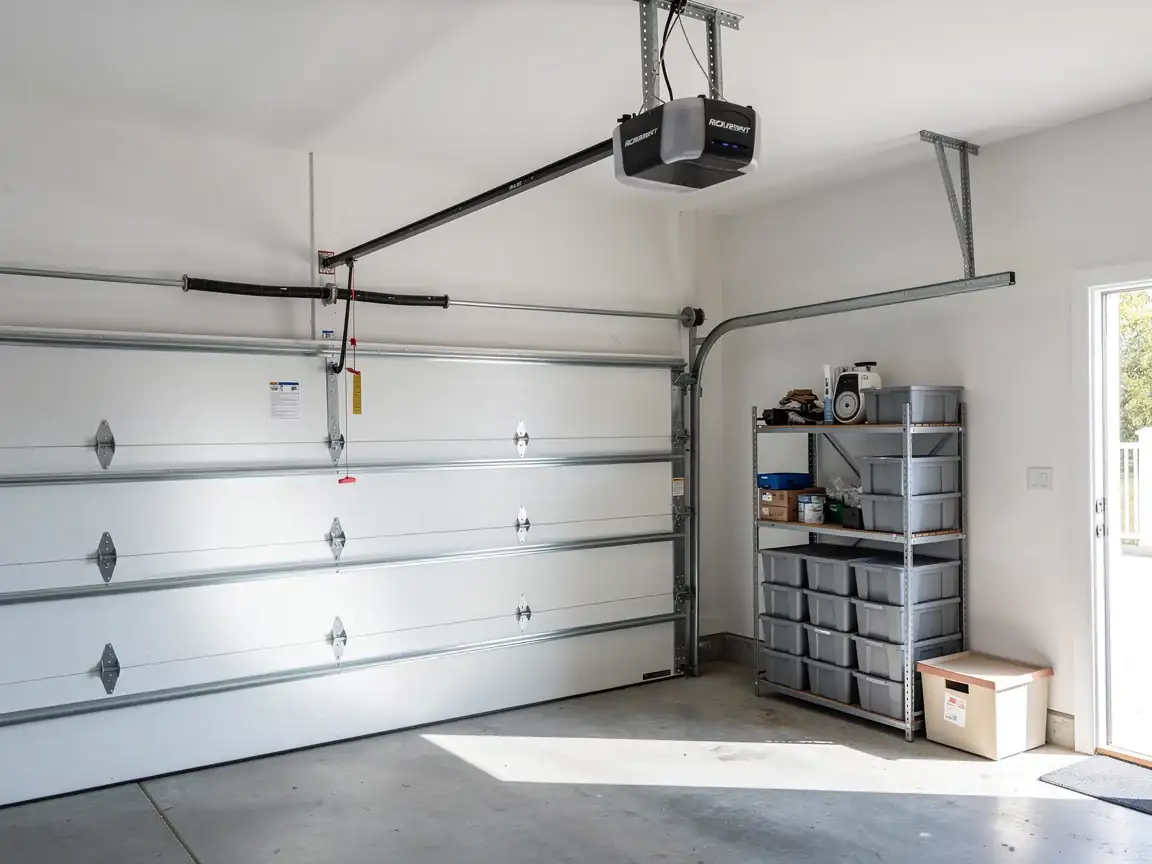
Why It Happens Here
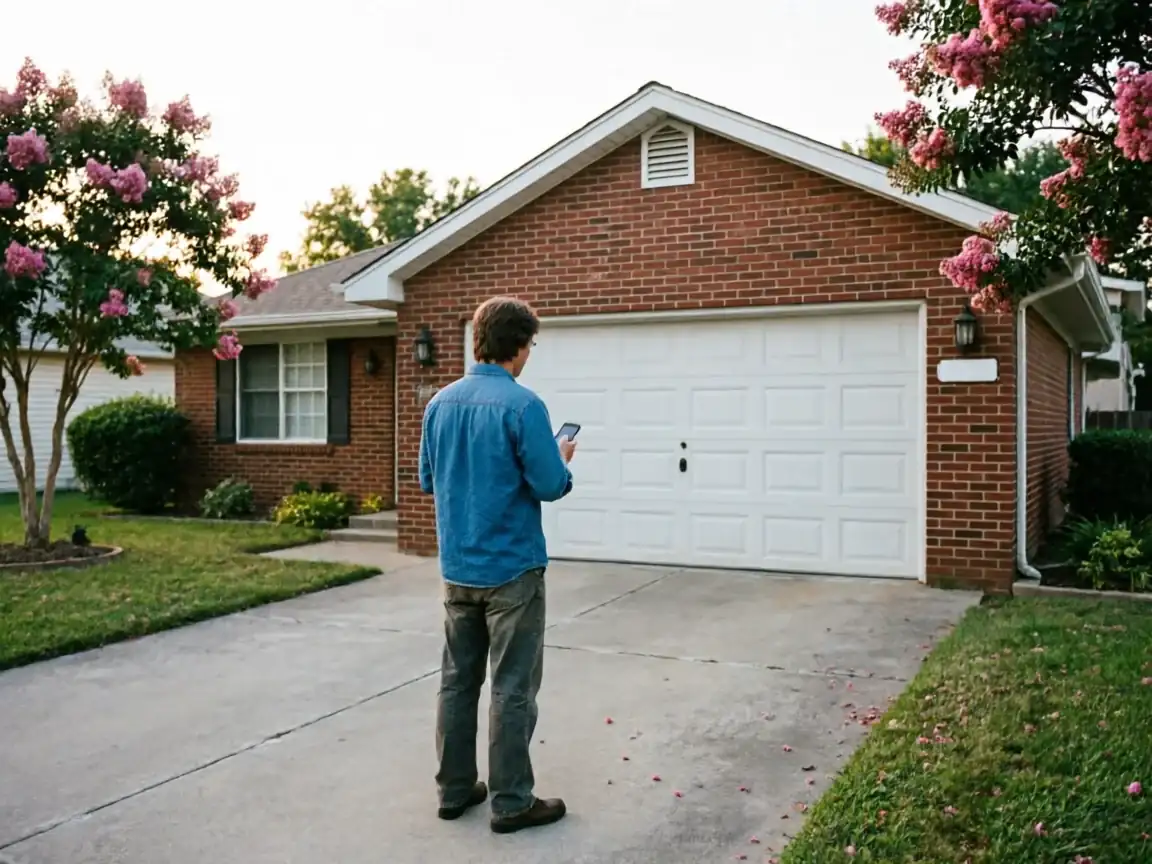
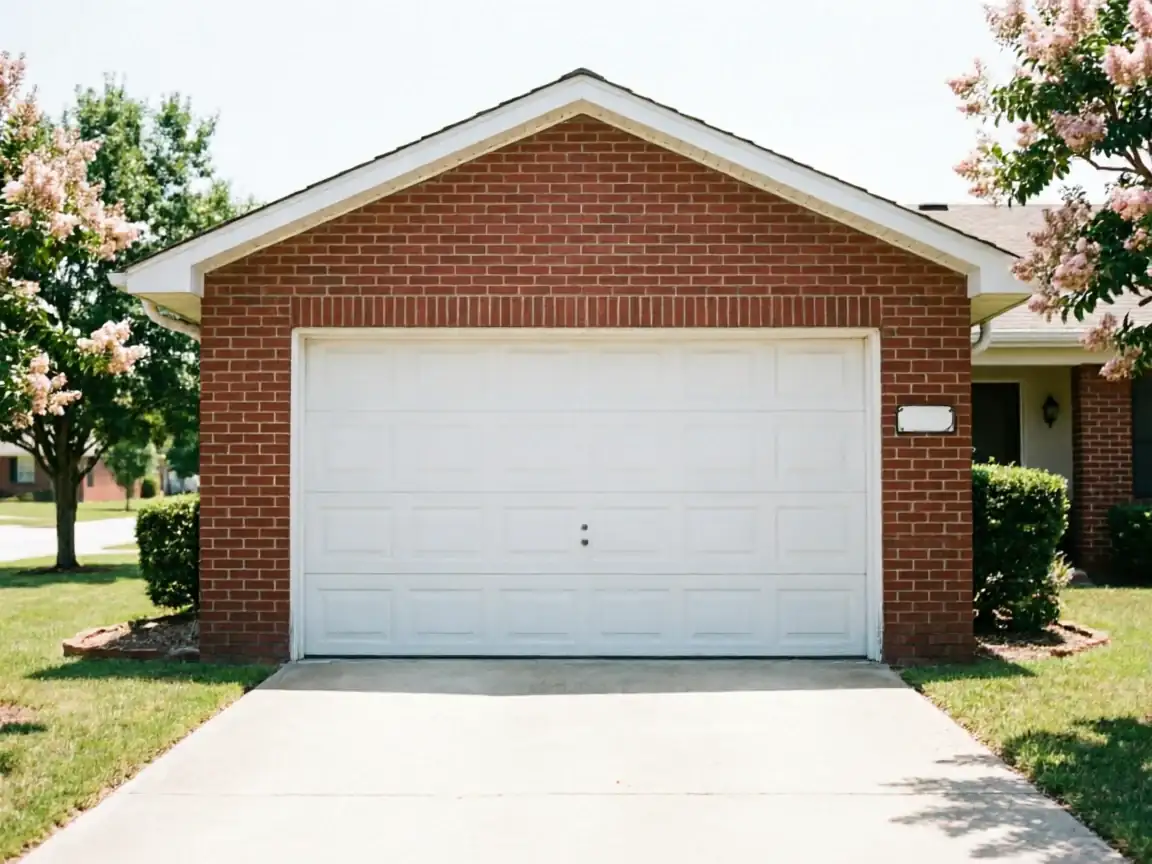
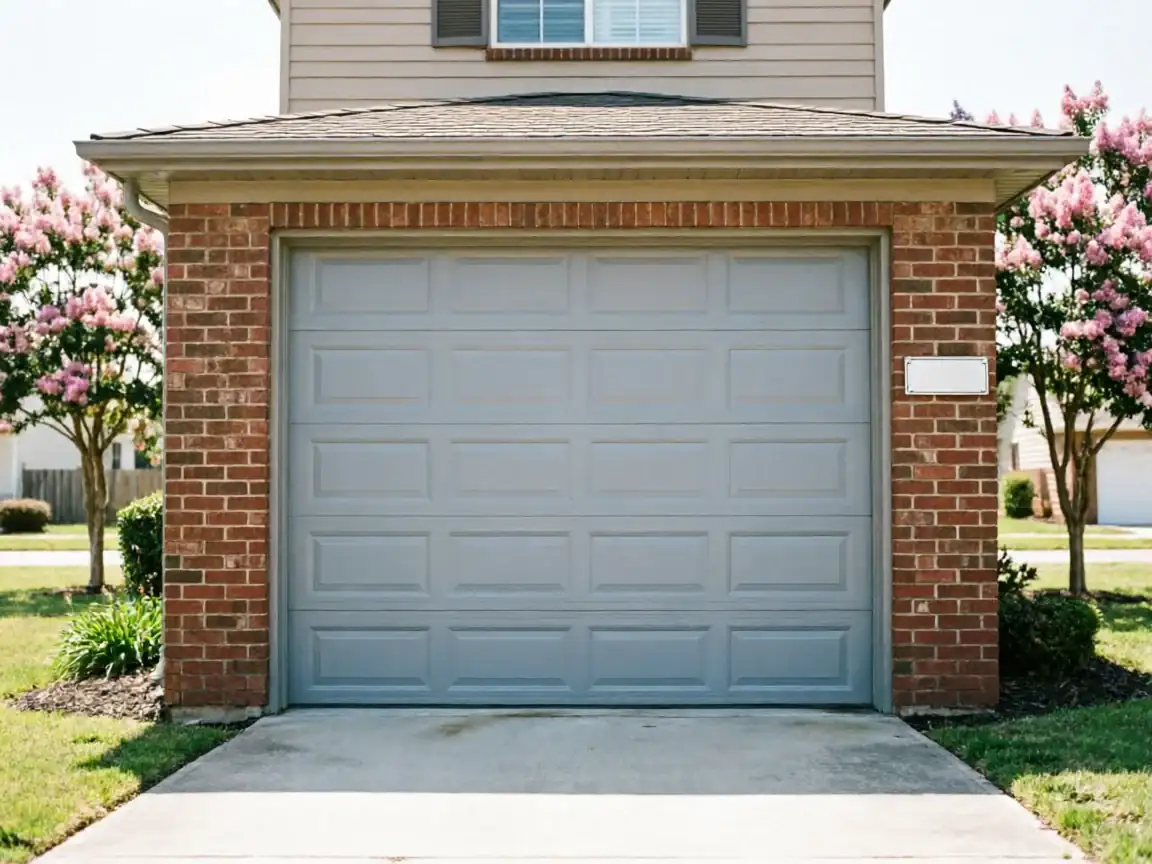
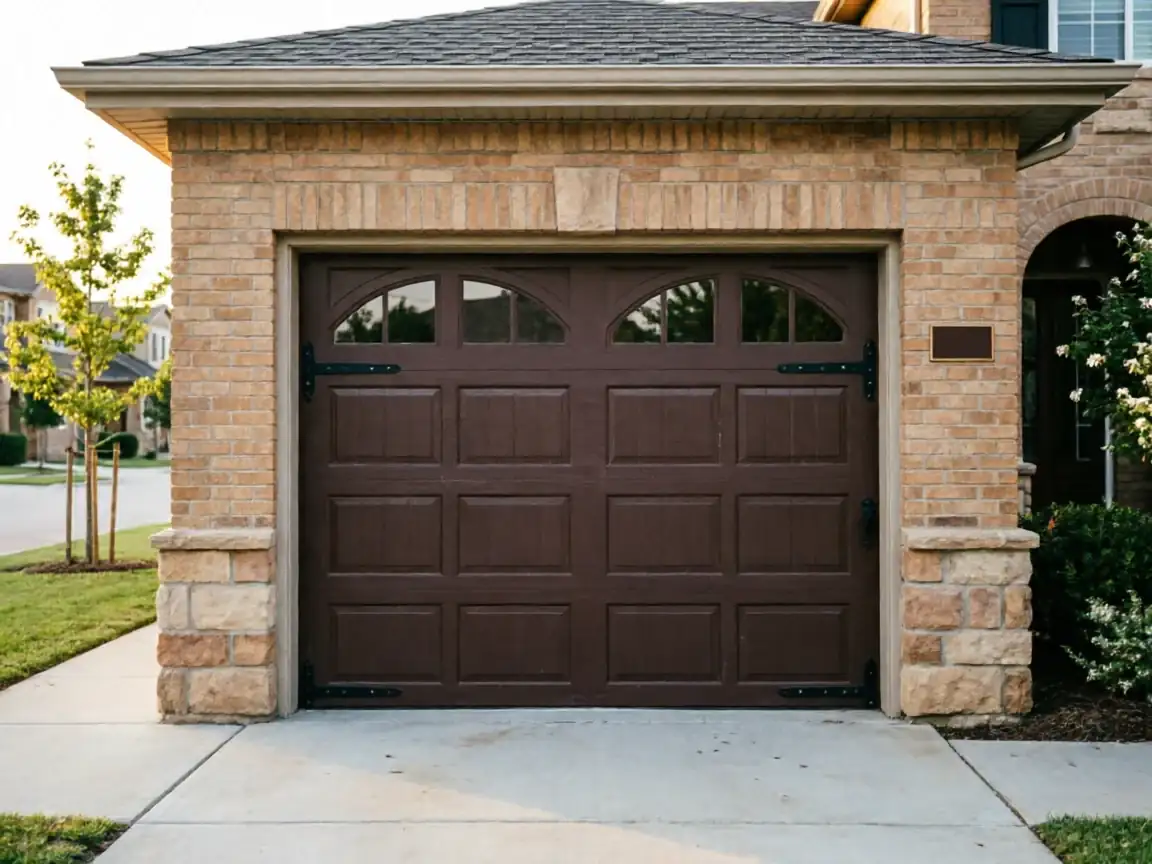
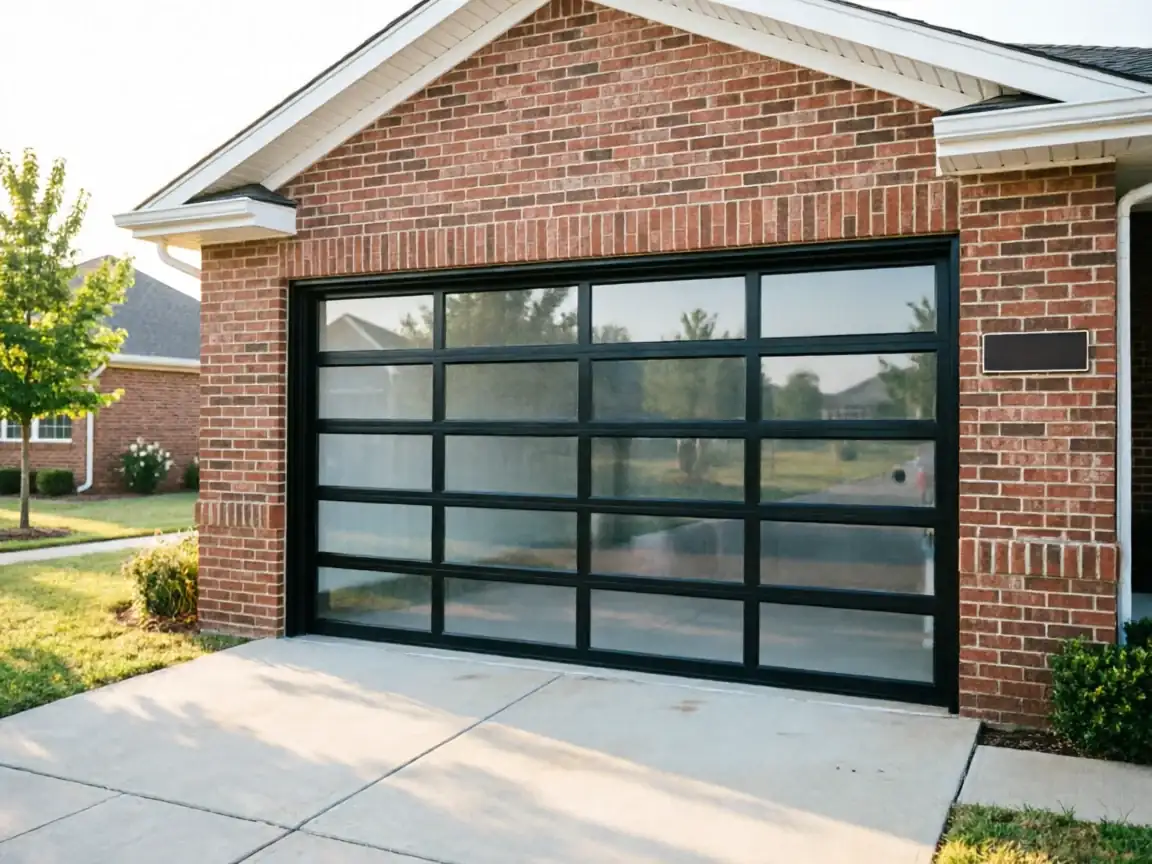
Most houses across the Galveston service area went up between 1978 and 1993, with the typical home dating to 1984. That window matters more than people think. The federal safety standard that requires automatic reversal sensors on garage door openers didn't take effect until 1993 - so a house built in the median year here, 1984, almost certainly started life with an opener that has no photo-eye safety circuit at all, or one bolted on later as a retrofit.
Across the five main pockets of housing in this area, the stock runs mostly 1980s and 90s construction, which means a lot of original chain-drive units are now 30 to 45 years old. That's past the design life of the motor, the drive gear, and especially the capacitor, regardless of climate.
The mild temperate climate here doesn't put openers through the brutal heat-cycle stress you'd see somewhere with real seasonal swings, so when a unit this age fails, it's usually straight mechanical fatigue - worn nylon gear, a dried-out drive chain, or a logic board that's simply outlived its components - rather than weather damage. That's useful to know, because it means replacement is almost always about age and safety compliance, not storm wear.
The Symptom
The most common call we get on this job starts the same way: the opener hums or clicks but the door doesn't move, or it moves partway and reverses for no reason. On original units from homes built in the 1978-1993 window, the next symptom is usually a chain that's gone slack enough to skip teeth on the sprocket, or a remote that's stopped syncing because the receiver board has started to fail.
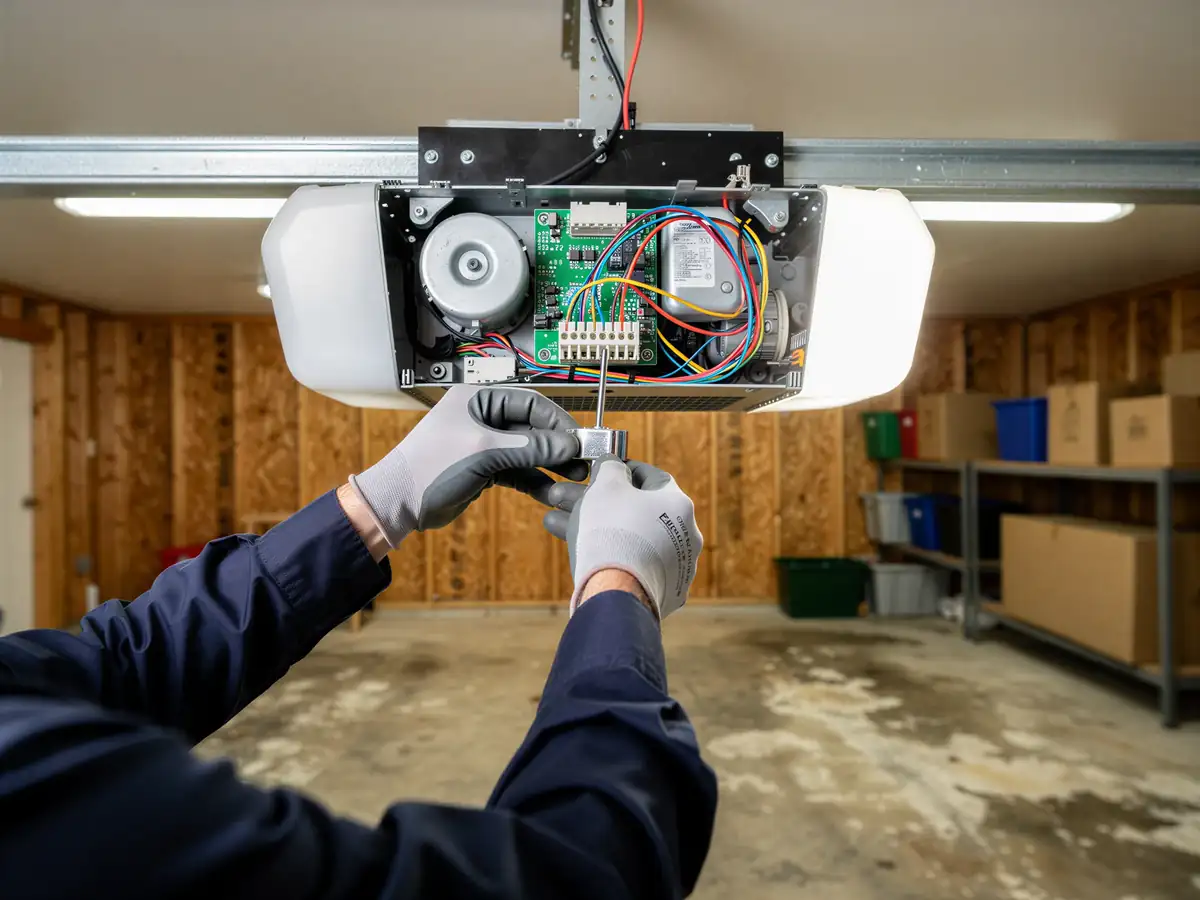
Some owners notice the door closing on its own schedule, drifting down slower than it goes up, which usually points to a worn drive gear rather than anything wrong with the door itself. Others get a dead opener with no sound at all - often a blown capacitor on a motor this old.
Because so much of the housing here dates to roughly the same decade and a half, we see these failures cluster: a run of calls for the same symptom in houses built around the same year, because the openers installed at construction are reaching the end of their service life together.
The Cost of This Job
We don't have a flat number to quote here
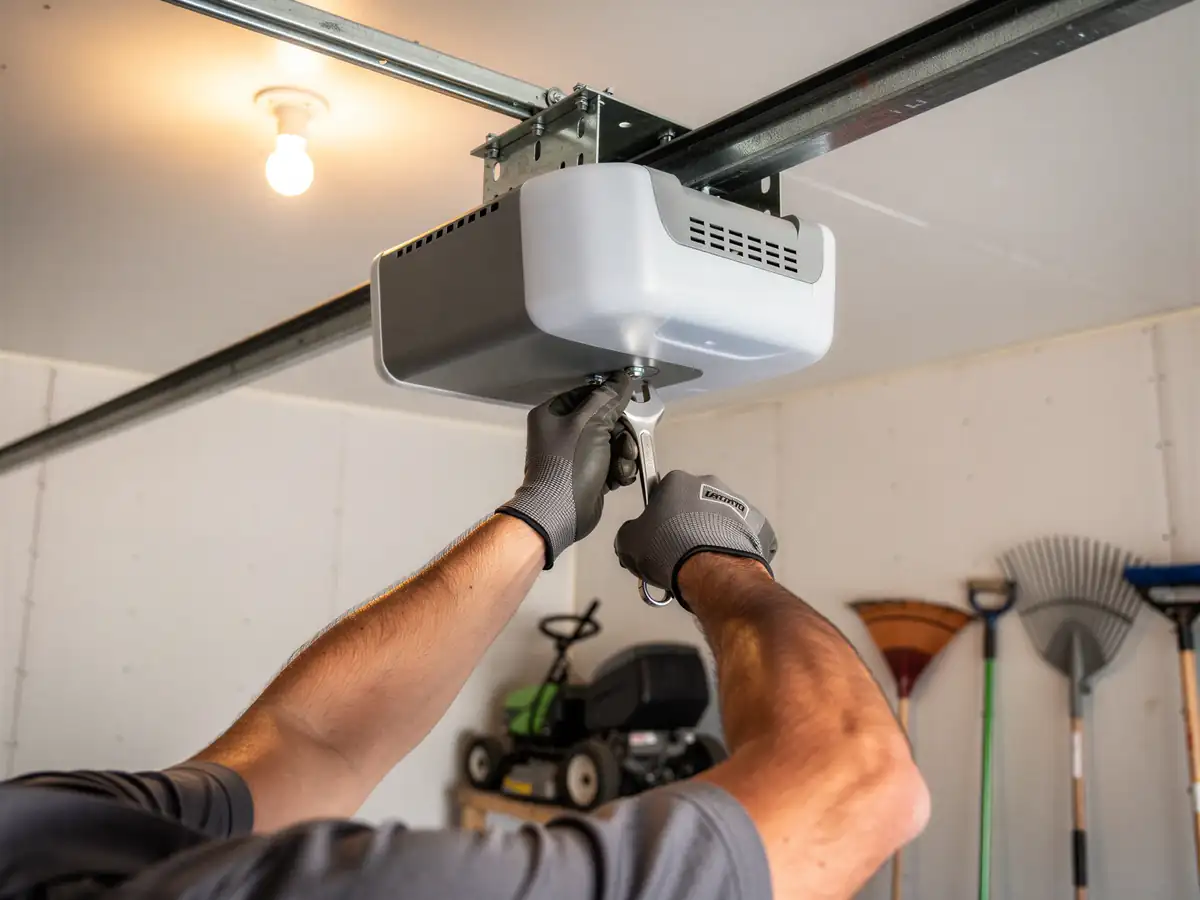
Because the honest cost driver on this job isn't the opener unit itself - it's what's behind the wall. Houses from the 1978-1993 era often have wiring runs and outlet placement that predate the opener being treated as a dedicated circuit, so part of the job can be bringing that wiring up to a safe, code-compliant standard rather than just swapping a motor head.
The other driver is whether the door itself is original
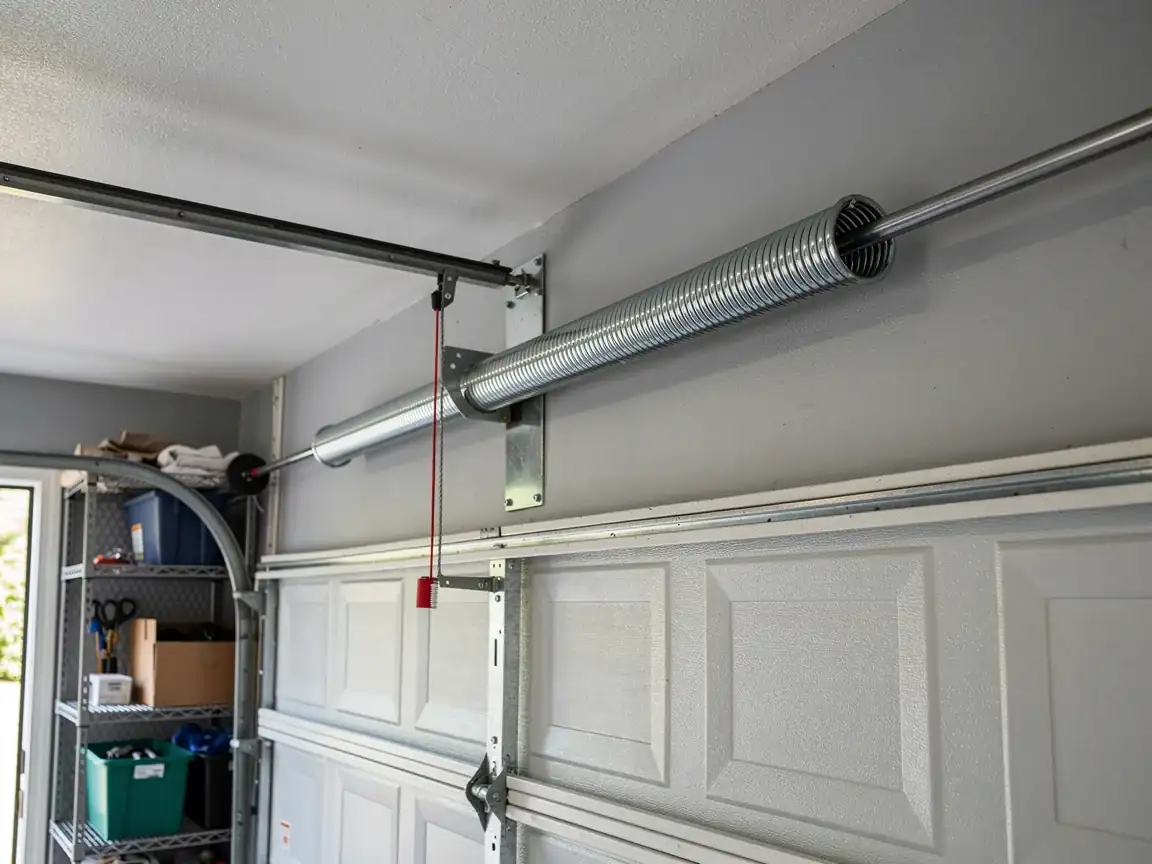
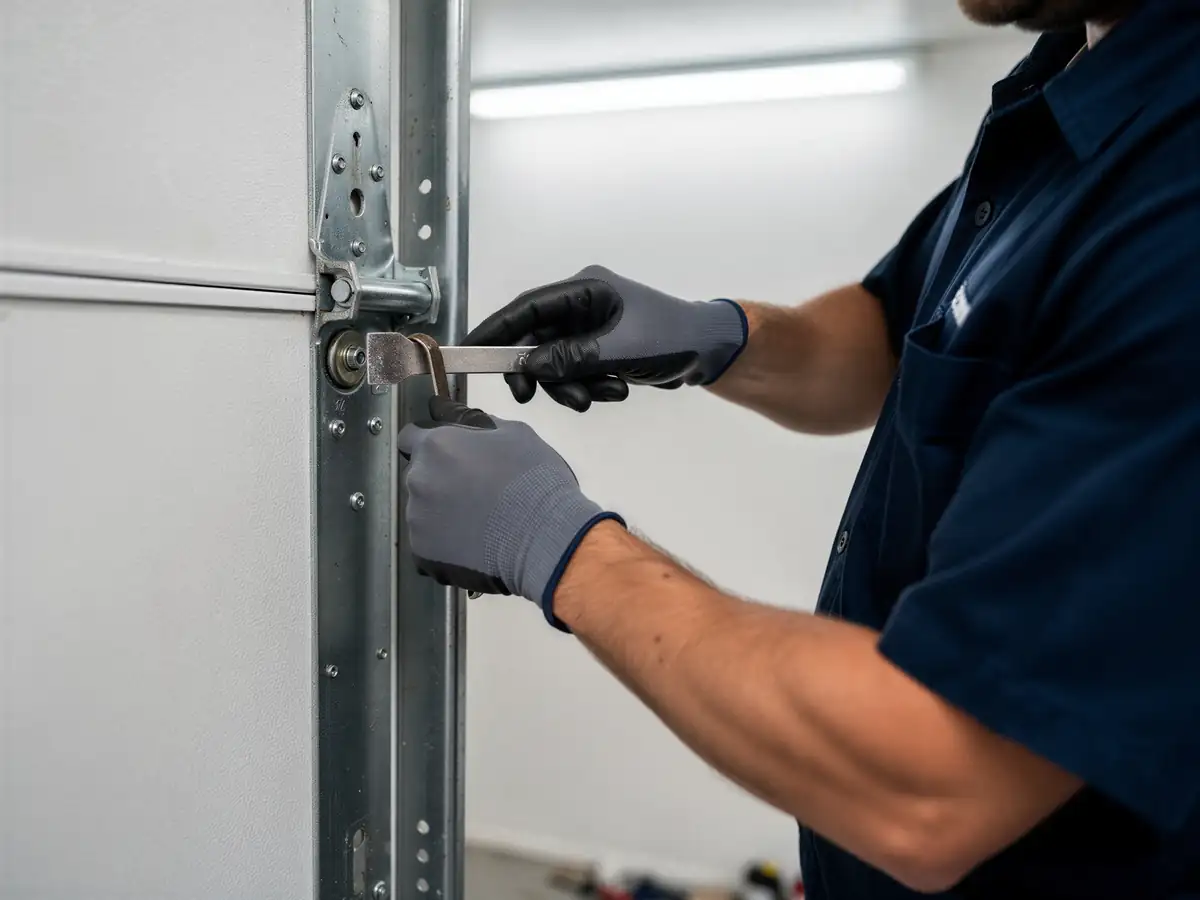
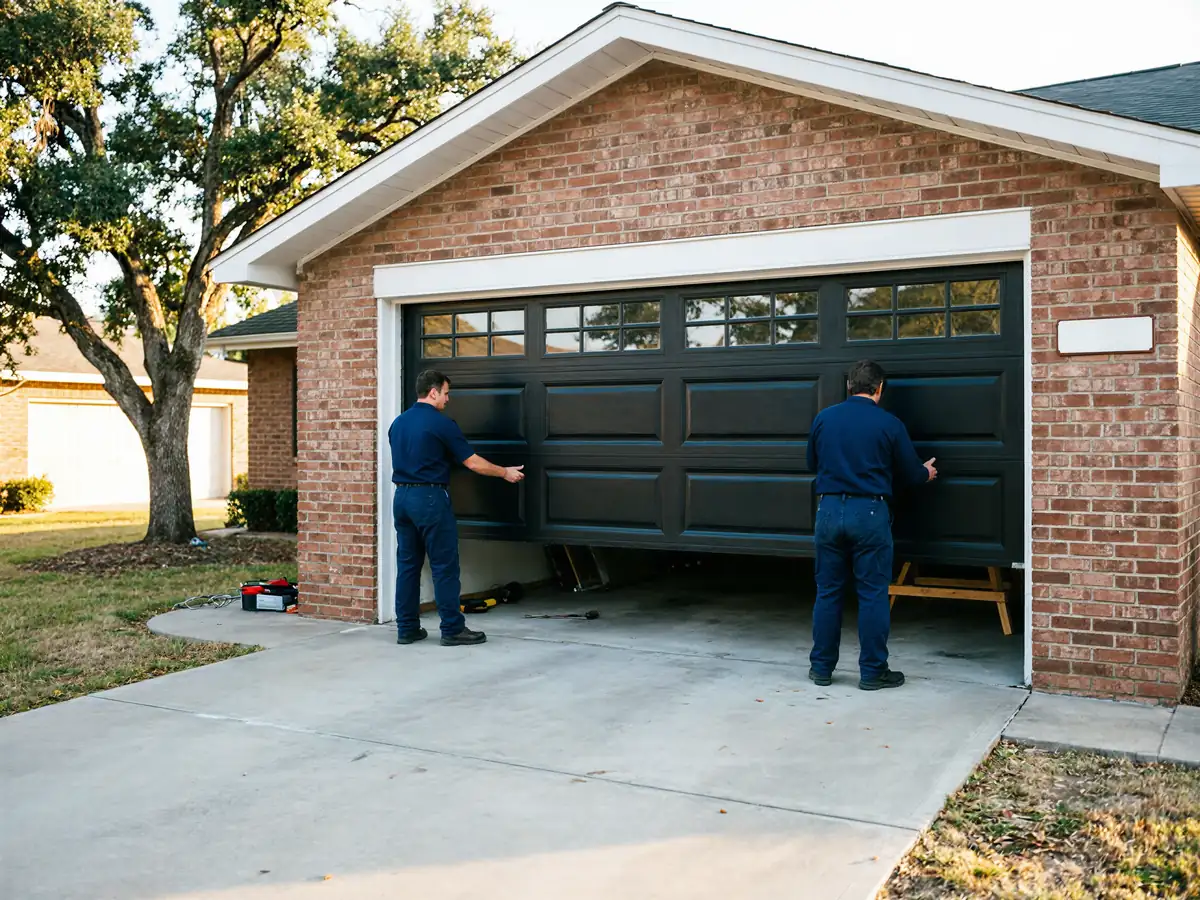
An opener install on a door with worn rollers, a sagging track, or hardware that's never been serviced will cost more in adjustment time than the same install on a door that's been maintained. With 15,503 owner-occupied houses across this service area and a lot of them sharing that same construction-era opener, we end up doing a fair number of installs where the opener swap turns into a short list of door-side repairs once we're actually looking at the hardware.
- 15,503 owner-occupied
We'll always tell you up front if your existing door isn't worth pairing with a new opener
Sometimes the honest call is to fix the door first.
What Can Go Wrong
The biggest risk on a house from this era is pairing a new opener with wiring or a breaker that was never meant to carry it continuously. We see this on original 1978-1993 construction more than anywhere else in the area, because a lot of those garages were wired for lighting and nothing more.
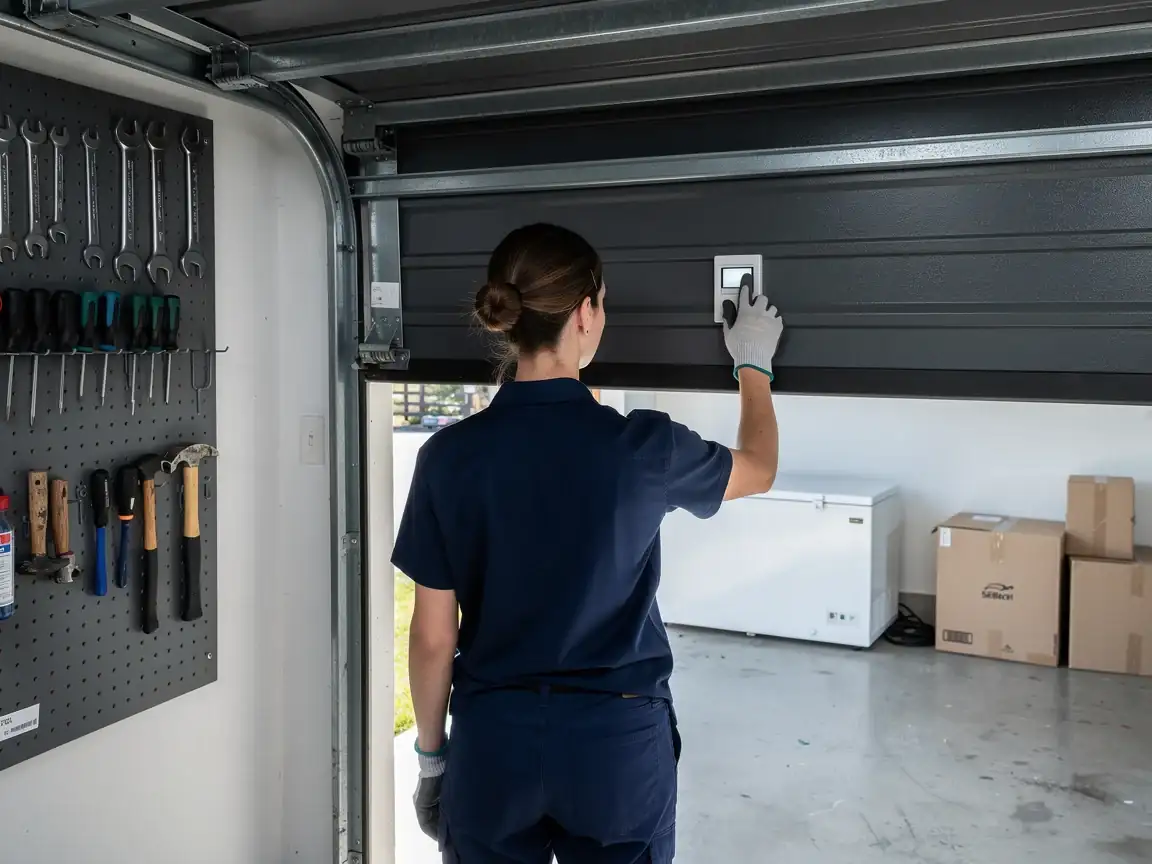
The second risk is safety reversal. Any opener installed before the 1993 standard, and plenty installed after it without the sensors ever being added or maintained, can close on an obstruction without reversing. That's not a minor detail - it's the one thing we won't skip or shortcut on an install, even if it adds time to the job.
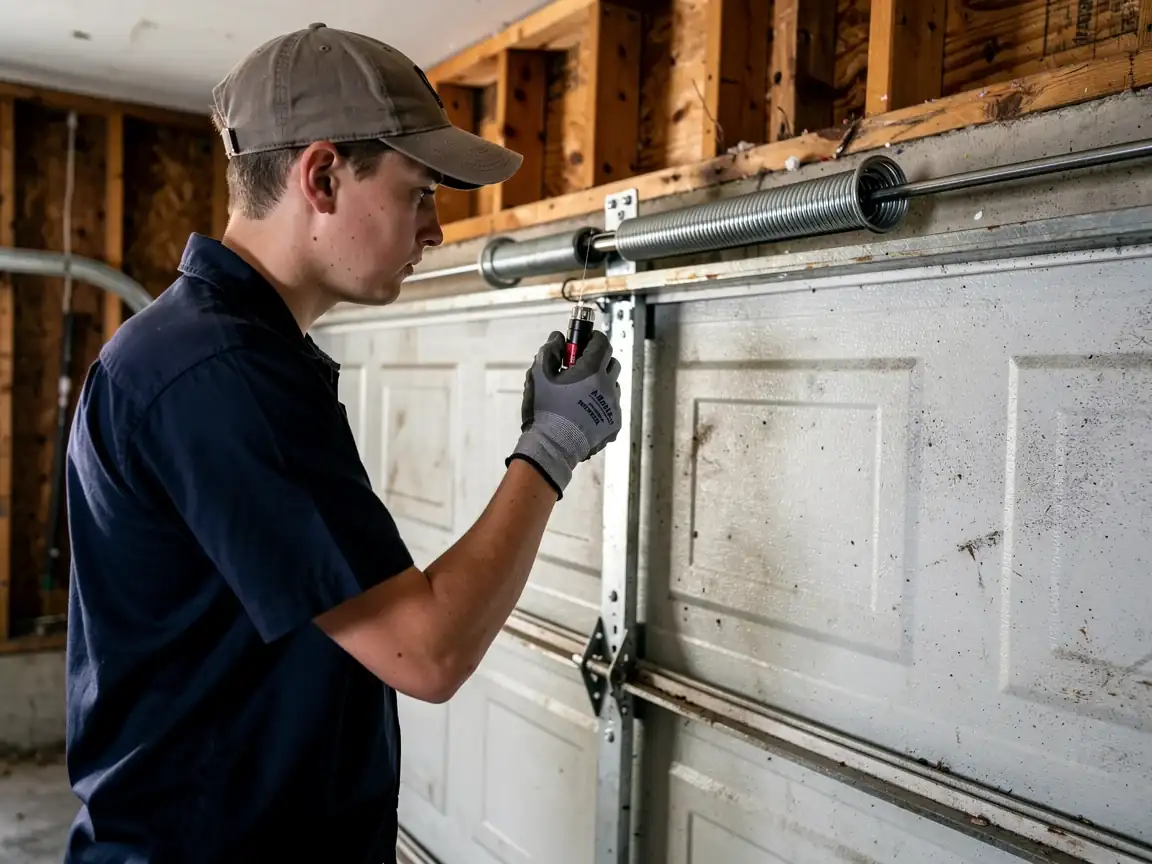
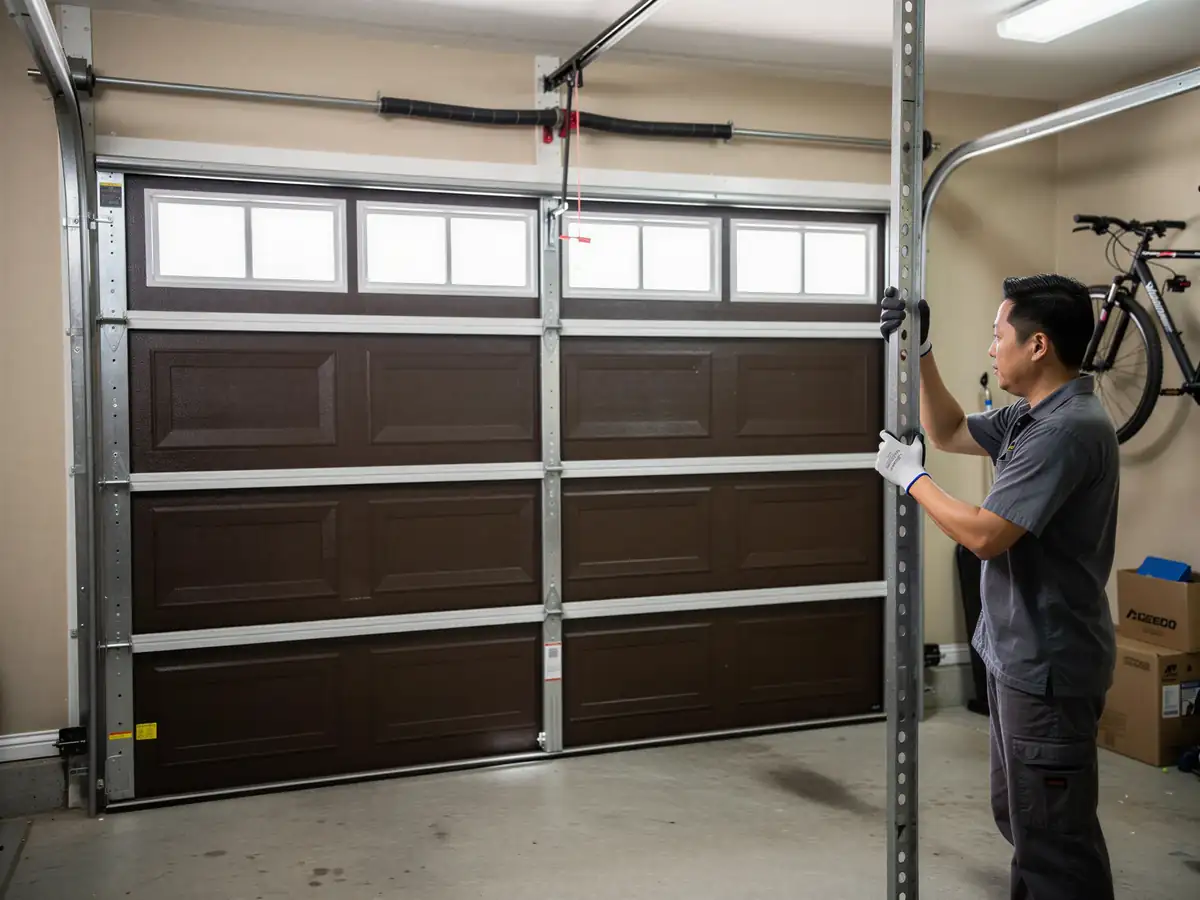
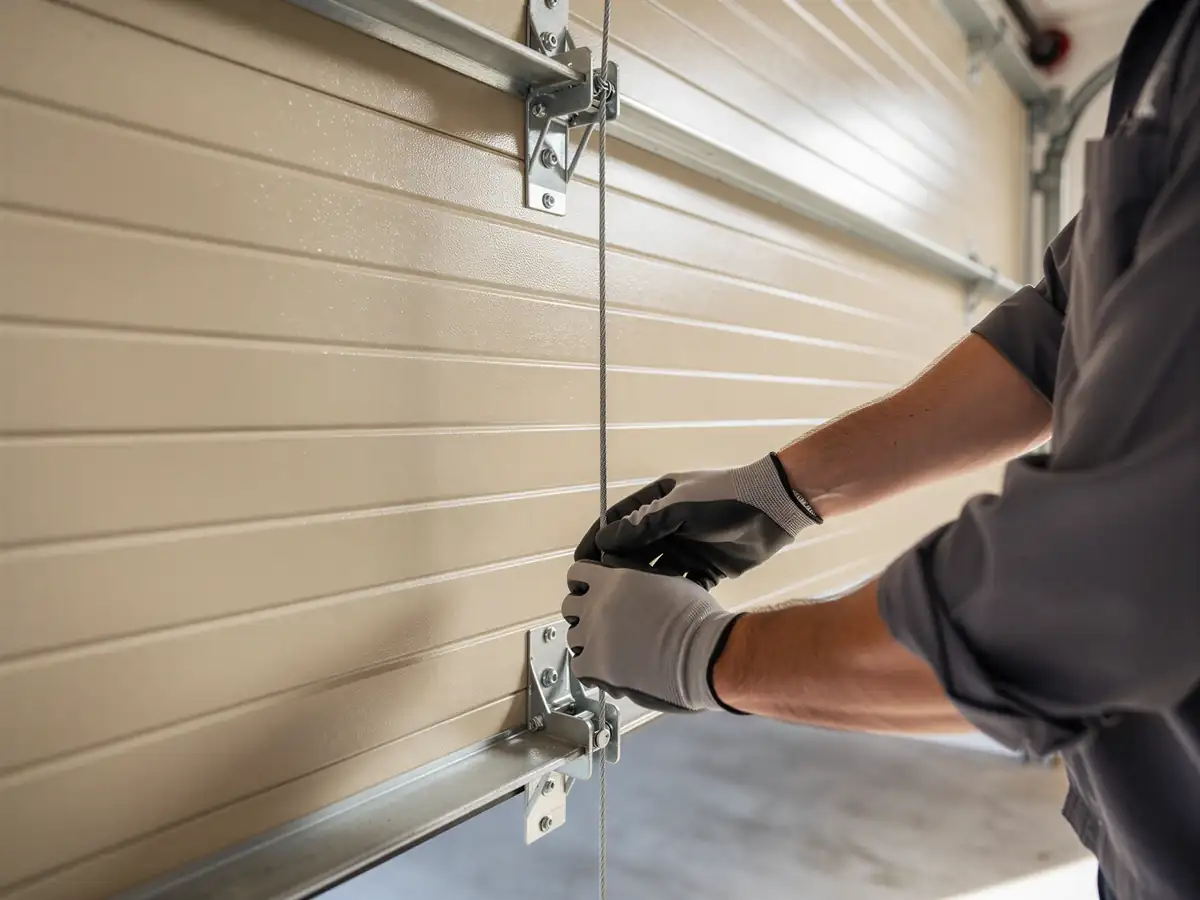
Third, mounting a new opener to an old, under-built track or header board is a common DIY mistake. A header that's soft from age, which does show up across housing this old, won't hold a new motor bracket securely, and the failure shows up months later as a dropped door rather than at install time. We check the header and track condition before we hang anything, not after.