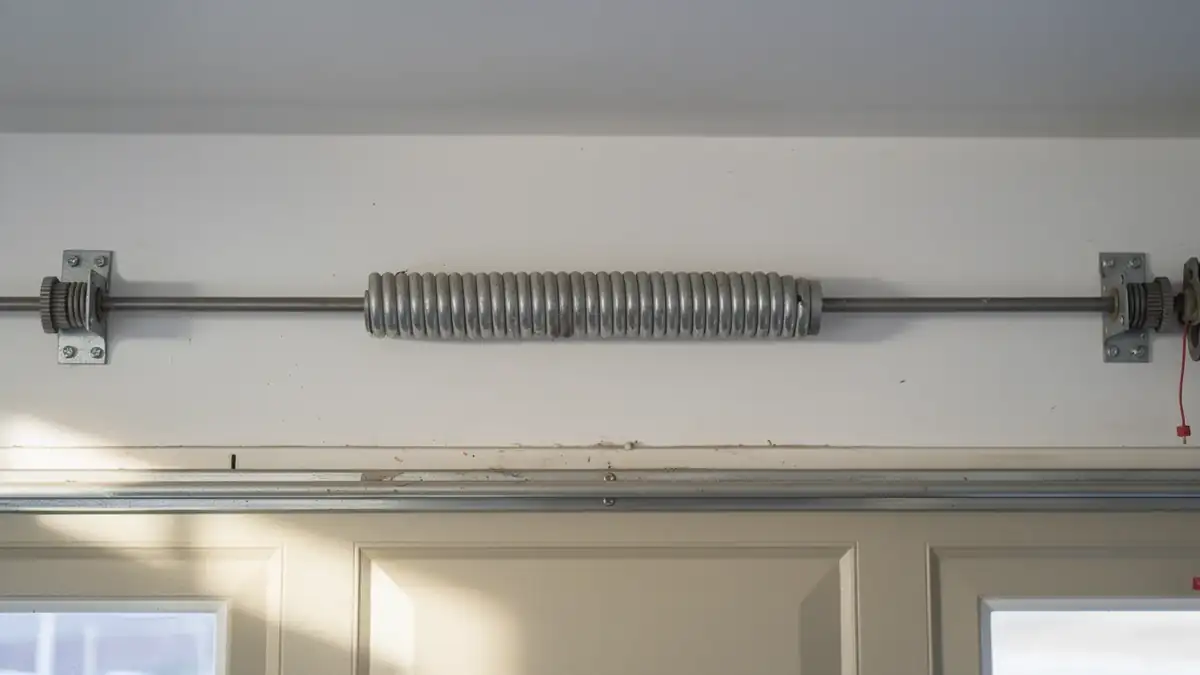
What Is Going On
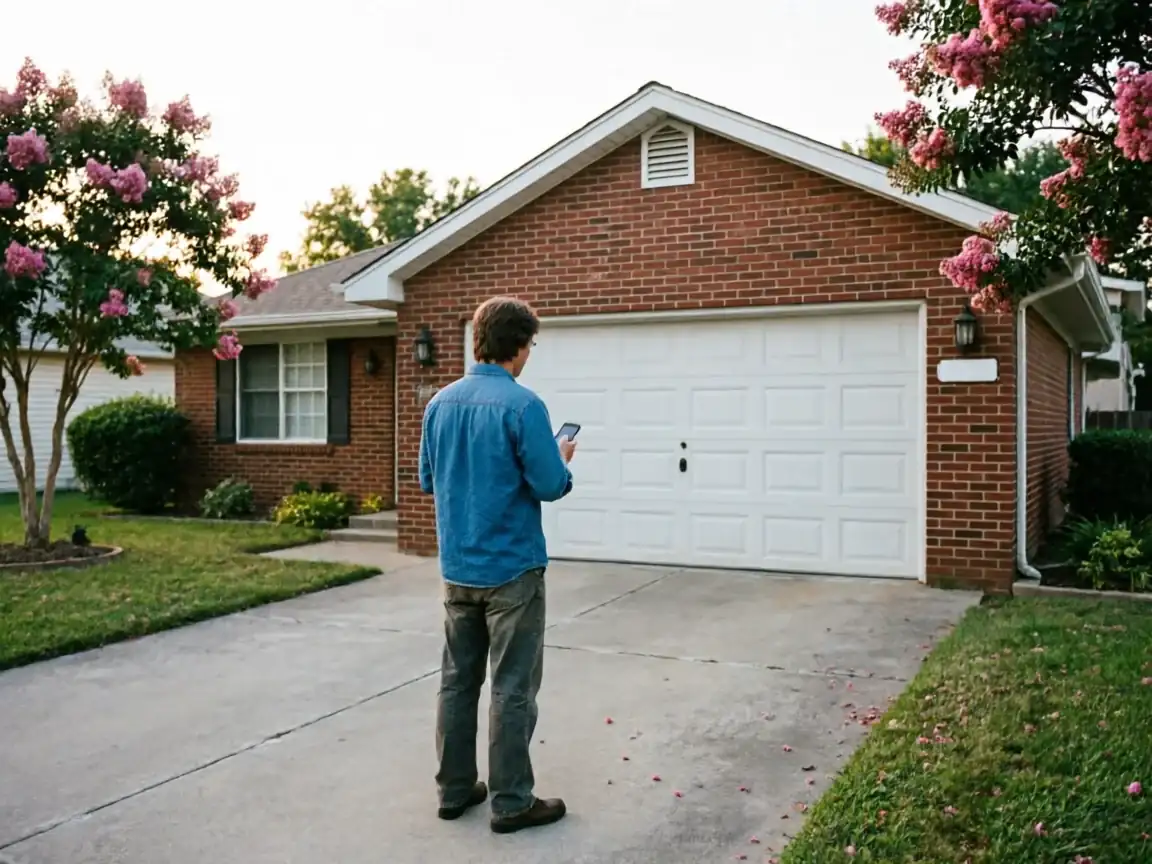
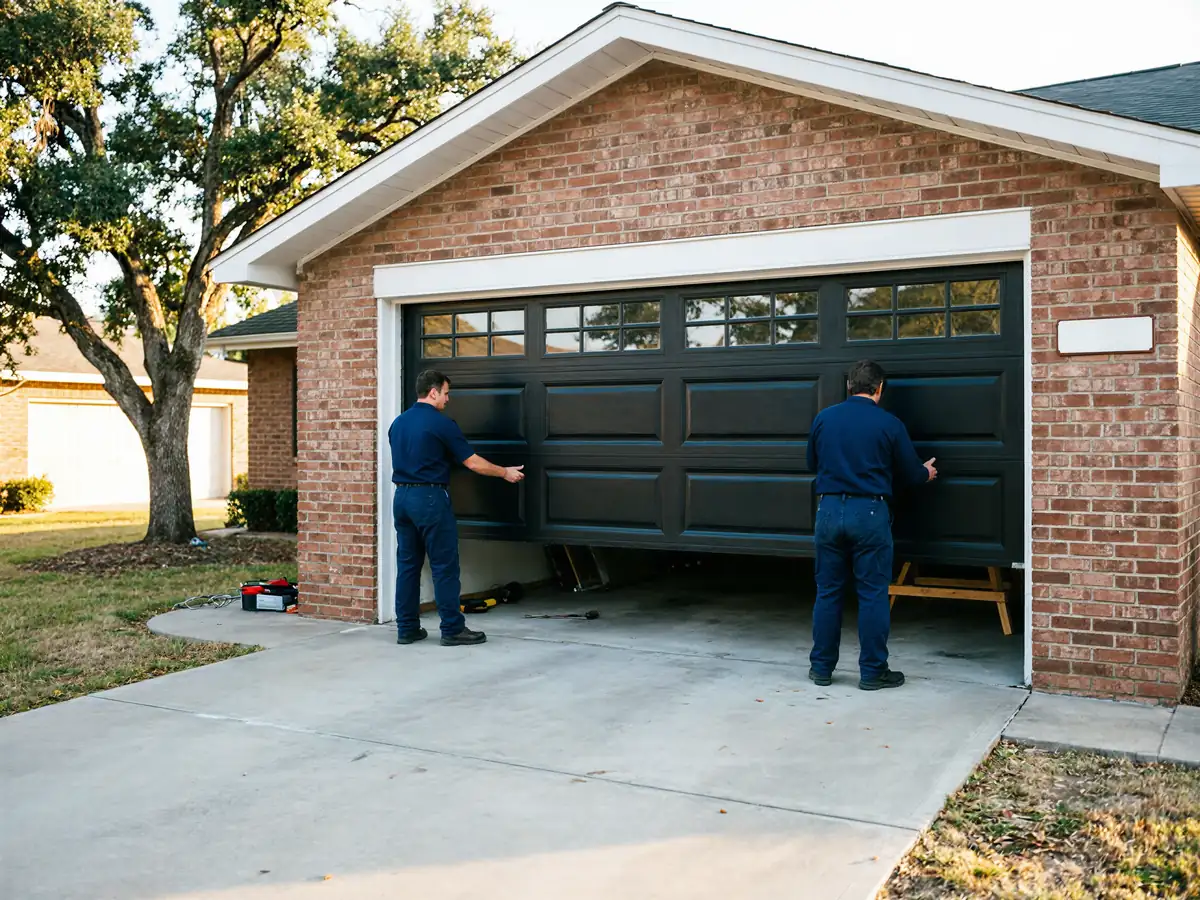
Walk through most neighborhoods on this part of the island and the garage doors you see aren't new. Housing across the service area went up mostly between 1978 and 1993, with the median build year landing around 1984. That's not a small detail. A door and opener installed when a house was built in 1984 has had roughly four decades of coil cycles, roller wear, and track flex - and across the five established residential pockets that make up most of this market, the stock is overwhelmingly that same 1980s-90s vintage.
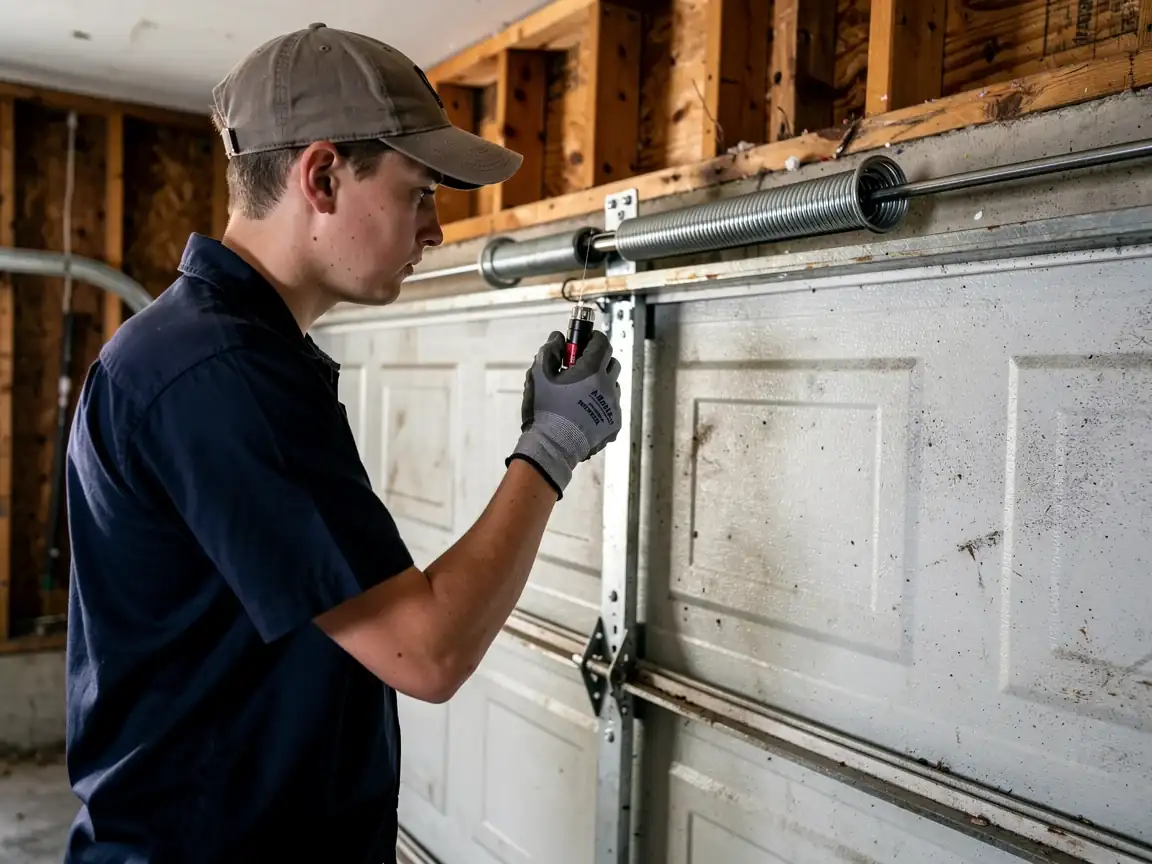
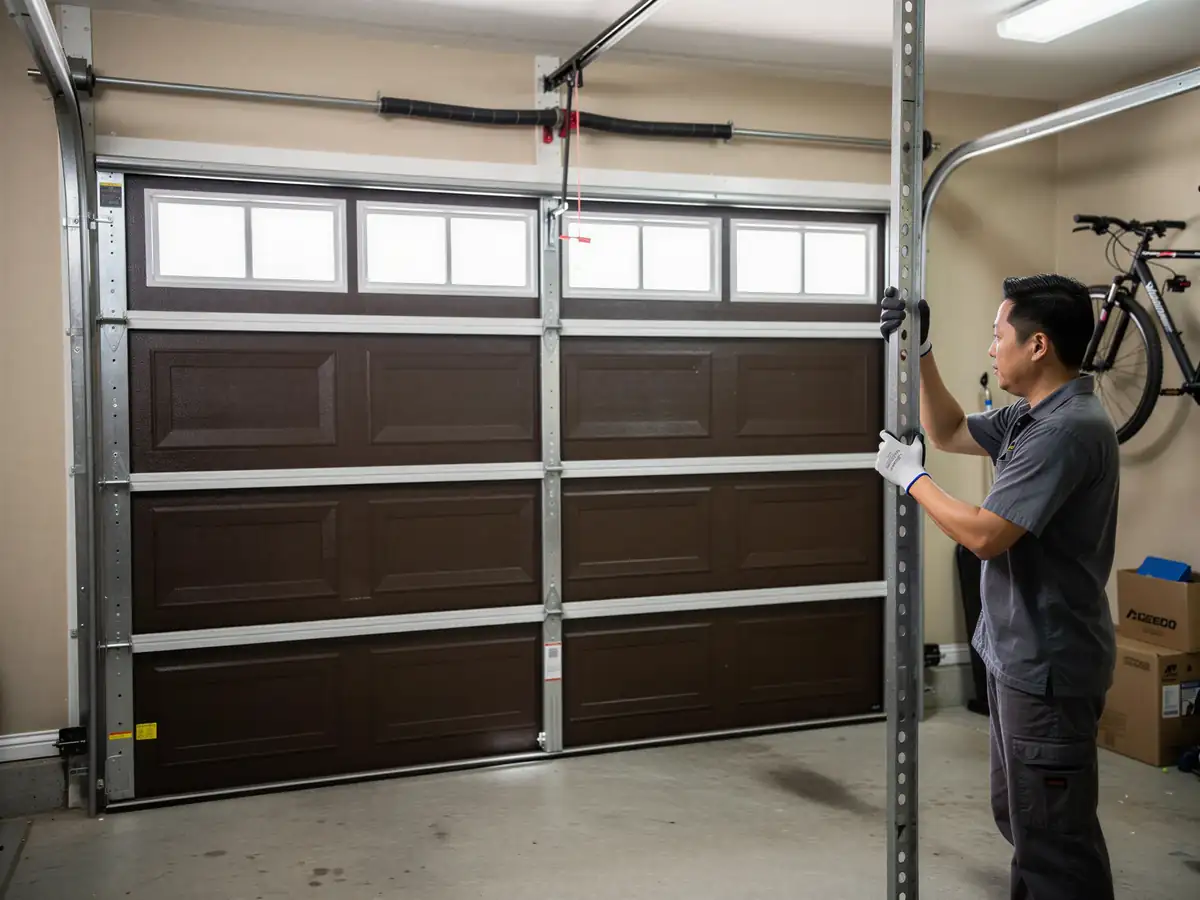
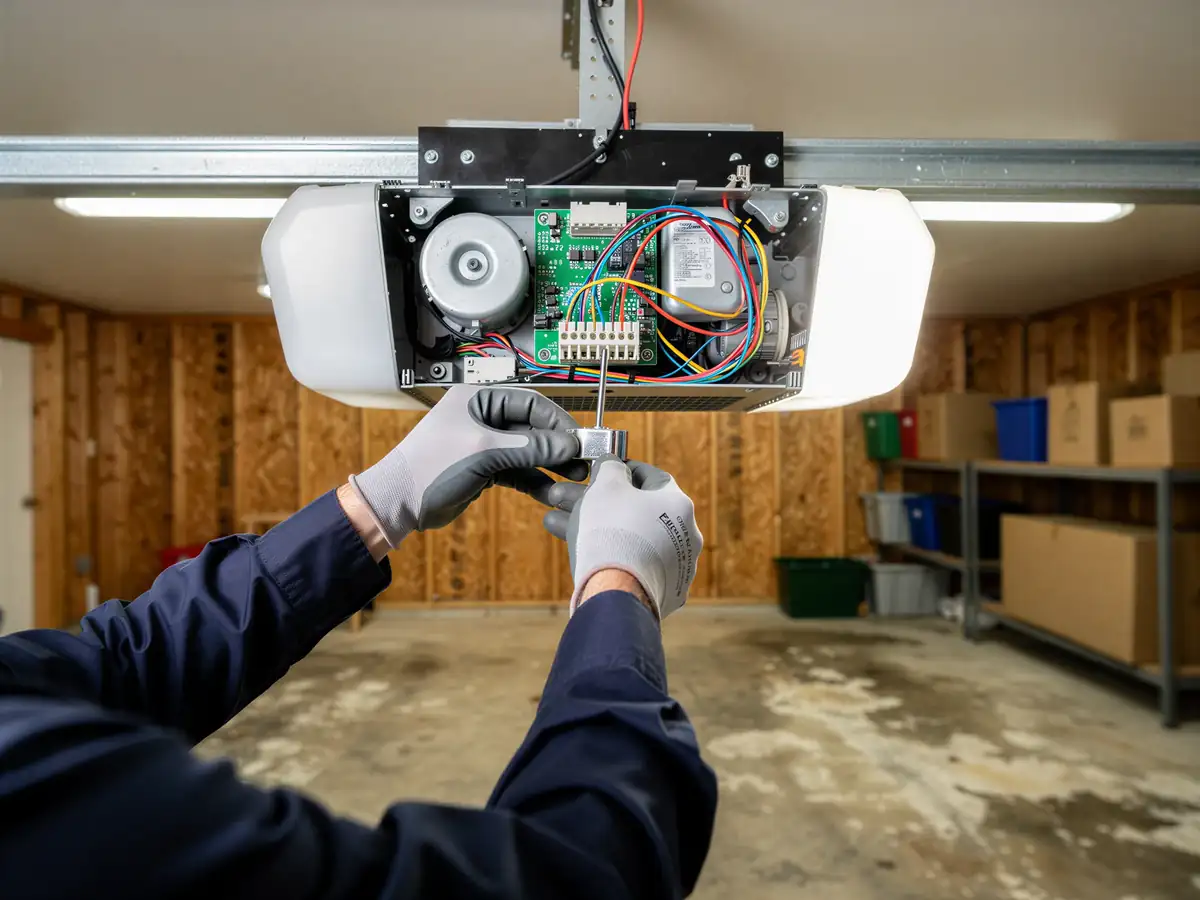
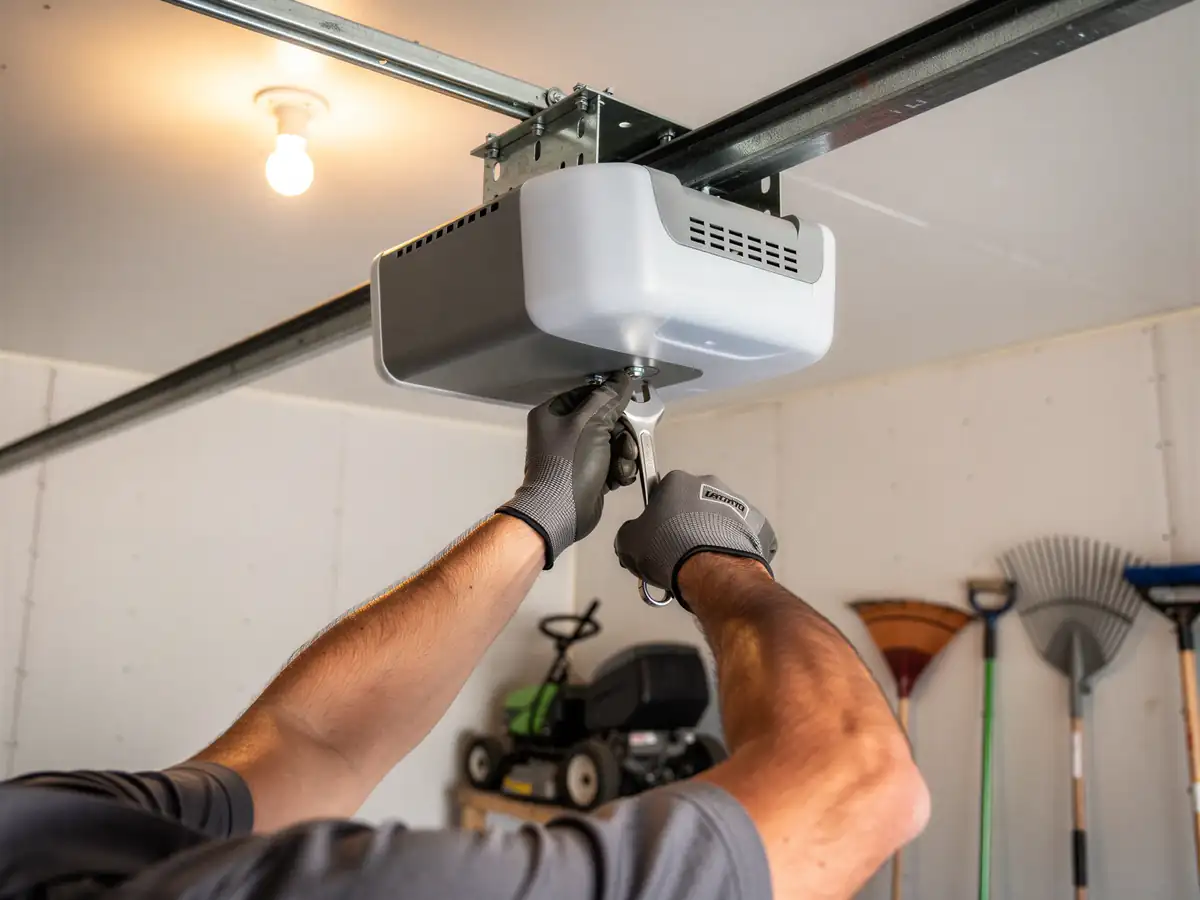
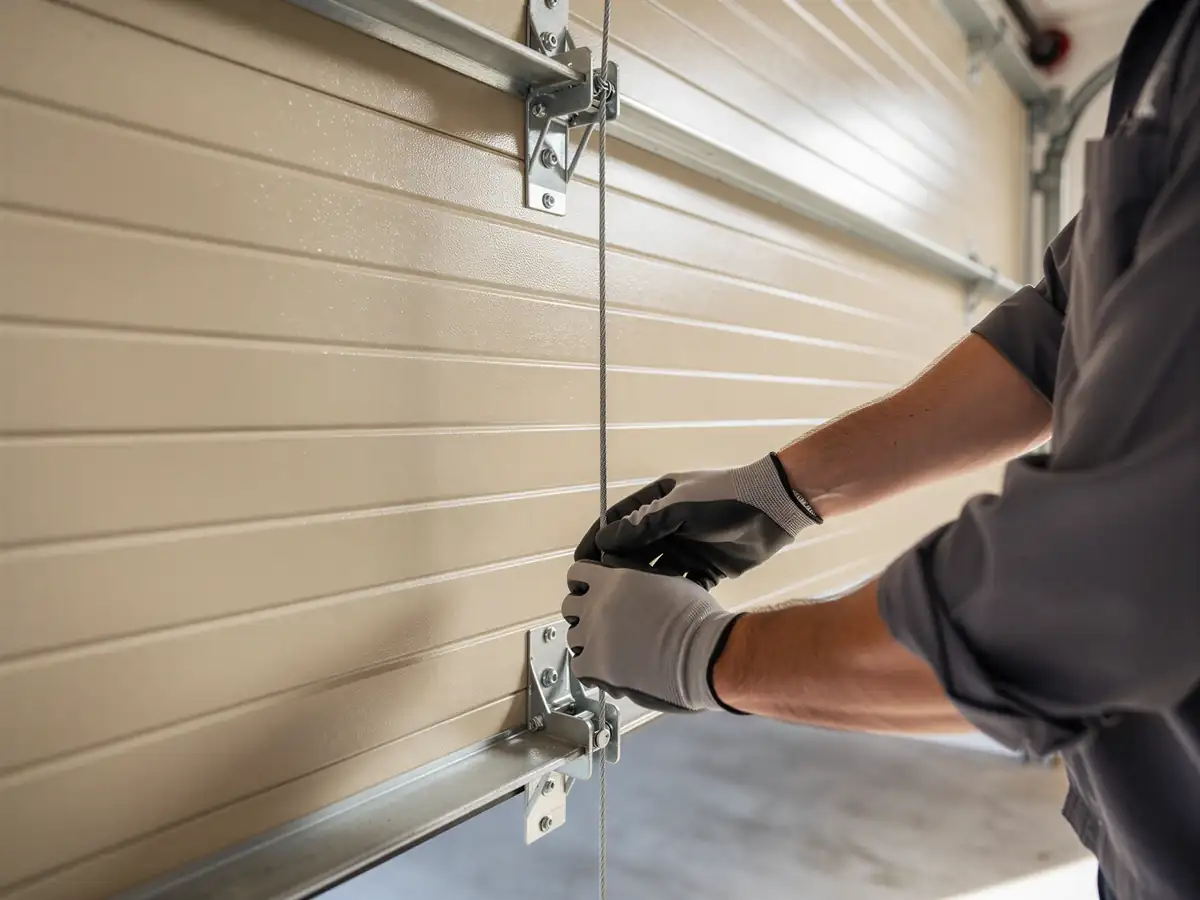
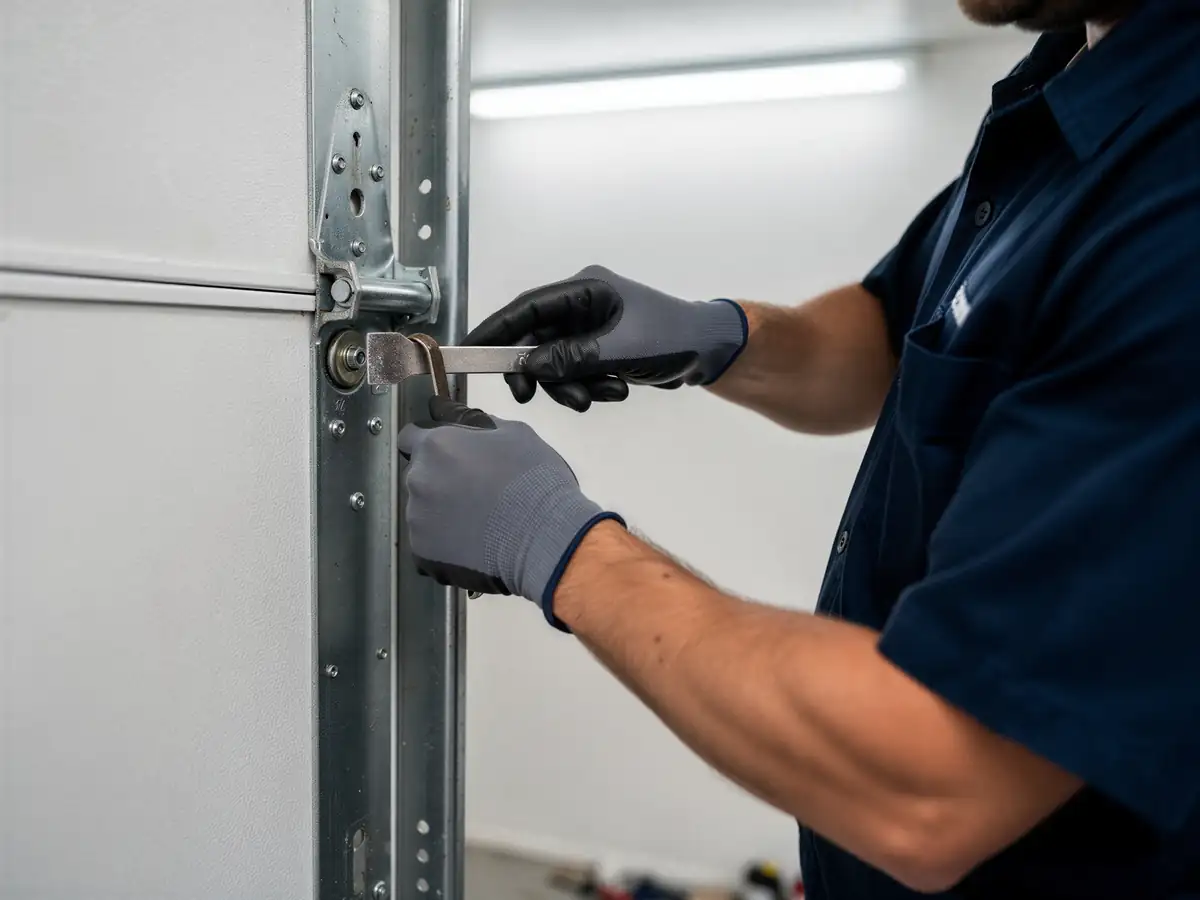
What that means in practice: a lot of these are original torsion springs, original extension springs, or a first-generation chain-drive opener that's outlived its design life by a wide margin. Panels on these doors are often steel without the foam-core insulation that became standard later, so they're lighter but also more prone to denting and to rust creeping in at the bottom seam. When a cable frays or a spring finally gives out, it's rarely a surprise to anyone who's been paying attention - the wear has been building for thirty-plus years, quietly, in a part of the house nobody looks at until it stops working.
How Local Conditions Play In
Galveston sits in a mild temperate band - no deep freezes, no heavy snow load on the header. That works in your favor most of the year. But mild doesn't mean static. Humidity off the Gulf sits on exposed metal day after day, and on a 30-to-40-year-old spring that's already fatigued from salt air and moisture, it doesn't take much to push it past its limit. When a spring goes in cold weather here, it's usually not the cold itself doing the damage - it's an occasional sharp temperature drop meeting metal that was already compromised by years of coastal humidity, and the sudden contraction is the last straw.
The same goes for track alignment and roller wear. In a dry inland climate, a steel roller might last years longer than it does here, where moisture gets into the bearing and grit sticks to it. If your house is original-stock from the 1980s or early 90s, assume the hardware has been working harder than it looks, even though the island doesn't throw the kind of weather extremes that wreck doors outright somewhere colder.
The Cost of This Job
At a median household income of $82,018 across the service area
Most owners here can plan for a real repair or replacement rather than a patch job, but that doesn't mean every job is worth the same spend. A spring swap on an original 1980s torsion setup is usually the cheaper call. A full door and opener replacement makes more sense once the panel is rusted through at the bottom or the opener is the original chain-drive unit that's starting to strip gears.
- $82,018 median household income
With 15,503 owner-occupied houses among 23,059 households in this market
A good share of these are still running the hardware the house came with. That's worth knowing before you call - if nobody's touched the spring since 1984, replacing it now is routine maintenance, not an emergency upsell. We don't carry every obsolete torsion size on the truck; some of the older low-headroom setups from this era take parts we have to special-order, and that adds a day or two.
- 15,503 owner-occupied
- 23,059 households
Leaving It Alone
A door that's merely stiff or slightly noisy on a 1980s or 90s opener isn't automatically a crisis. If the spring is intact and the track is still roughly aligned, running it a while longer usually costs you noise and convenience, not safety. Where it stops being a judgment call is when a spring shows visible rust-through or a gap at a coil, when a cable is frayed, or when the bottom panel has rusted enough to flex under its own weight. At that point the age of the door - thirty-plus years on original hardware in a lot of these homes - stops being a quirk and becomes the reason it's failing.
We won't tell you to replace a door that's still doing its job just because it's old. Plenty of 1980s steel doors on this island are still structurally fine; it's the spring and opener that usually give out first. If yours is quiet, closes level, and the spring looks clean, there's no reason to rush it.