Why It Happens Here
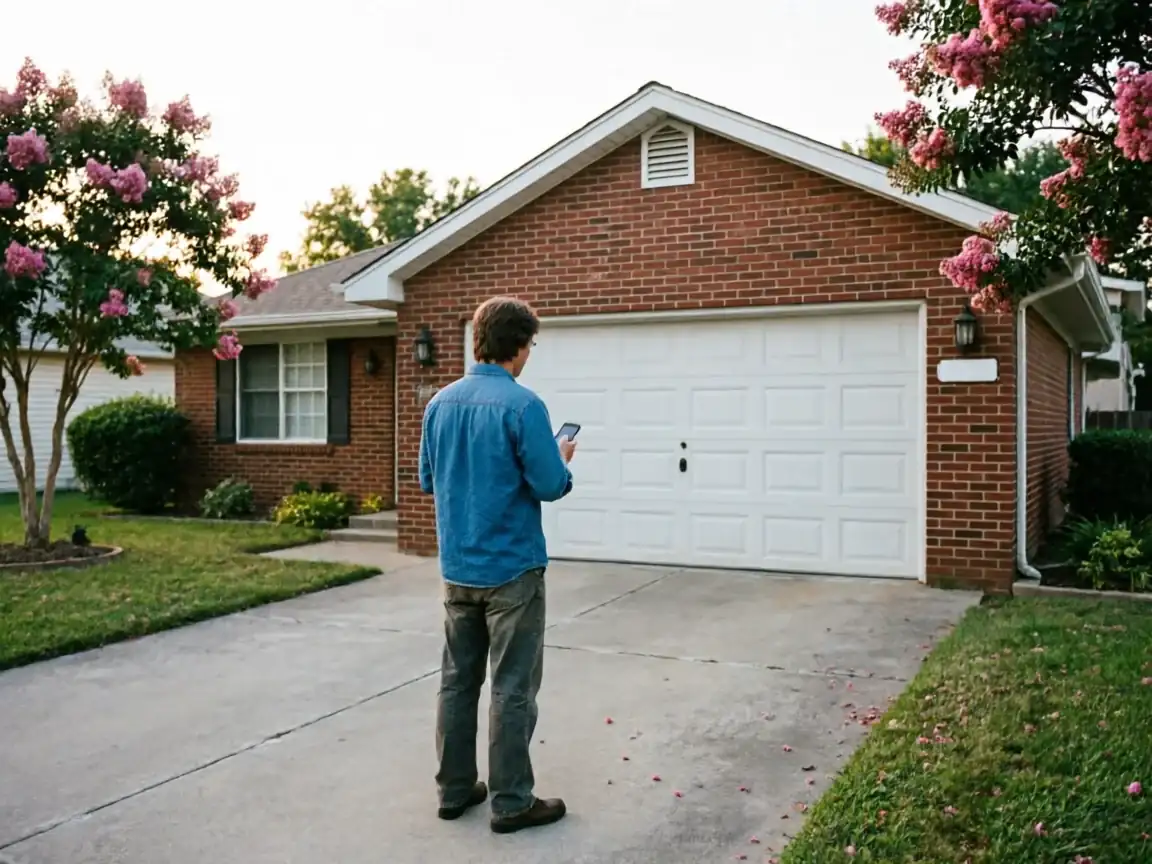
Most of the housing in Galveston's service area went up between 1978 and 1993, with a median build year around 1984. That matters for cables because doors from that era were built with steel lift cables sized for the torsion and extension spring hardware common at the time, and a lot of those original cables are still on the door forty-plus years later. Nobody swapped them out when nothing was visibly wrong.
Galveston sits in a mild temperate band, so we don't get the hard freeze-thaw cycling that snaps cables fast up north. What we get instead is steady humidity working on galvanized strand year after year, a slower kind of fatigue that shows up as fraying near the bottom bracket or the drum rather than a clean snap. Across the five main housing areas that make up this market, the pattern repeats: doors of the same age, cables reaching the same point in their service life around the same time.
With roughly 15,503 owner-occupied houses in a service area of 23,059 households, a good share of those doors are due. Age plus moisture, not age alone, is why cable calls cluster the way they do here.
The Symptom
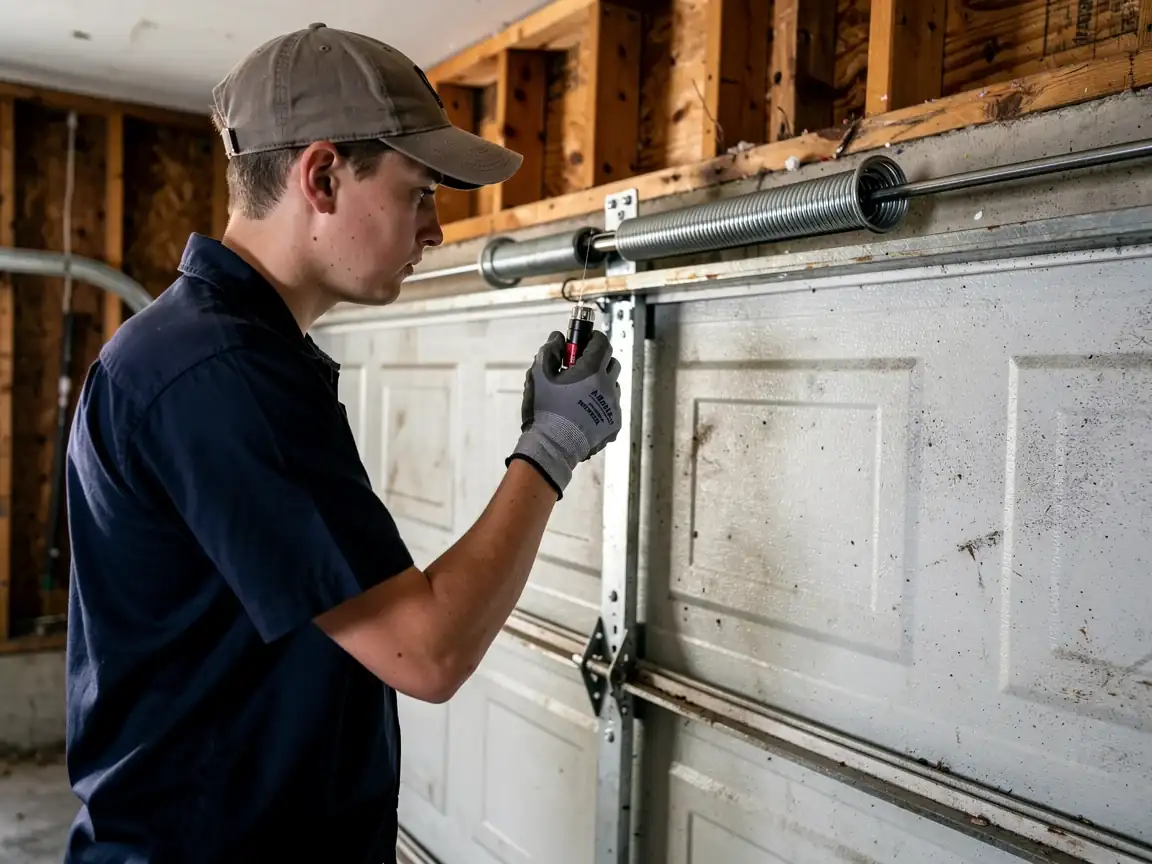
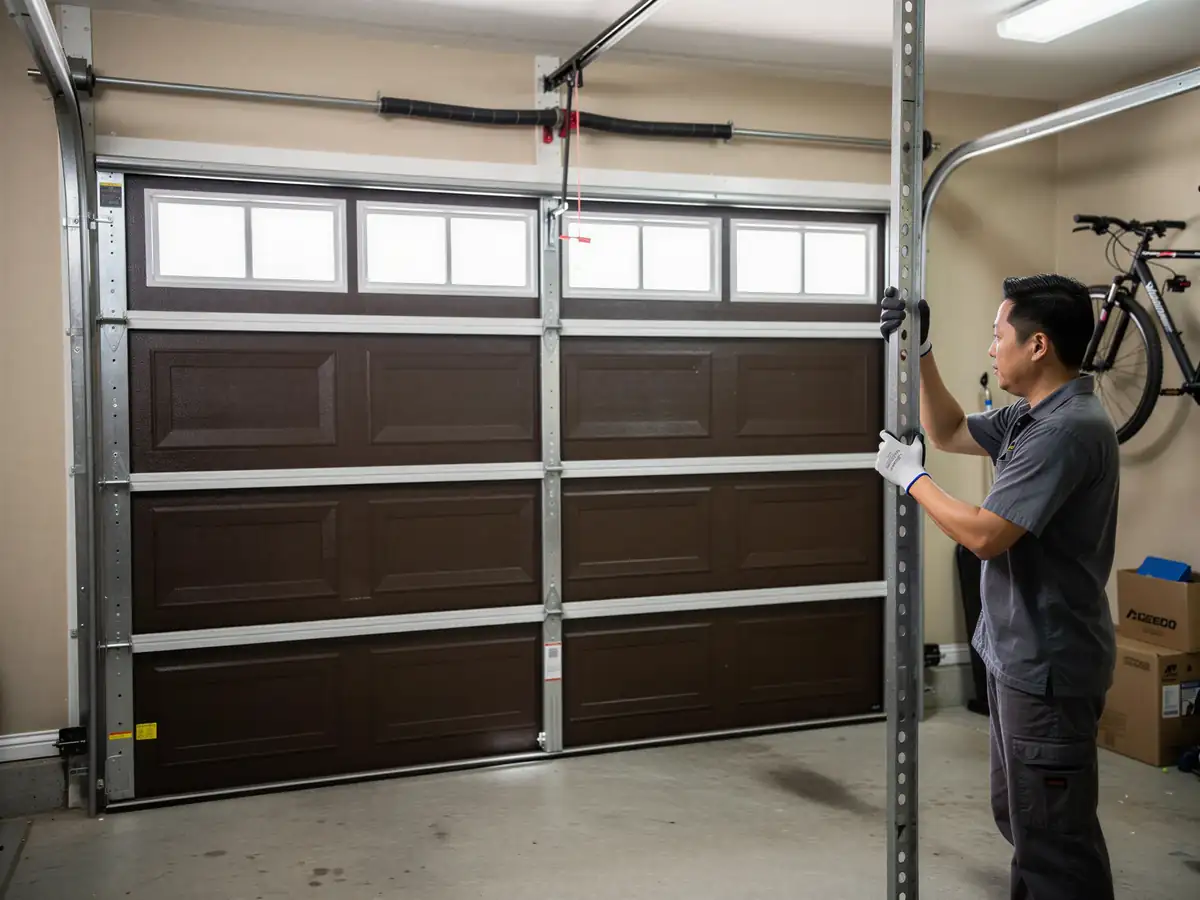
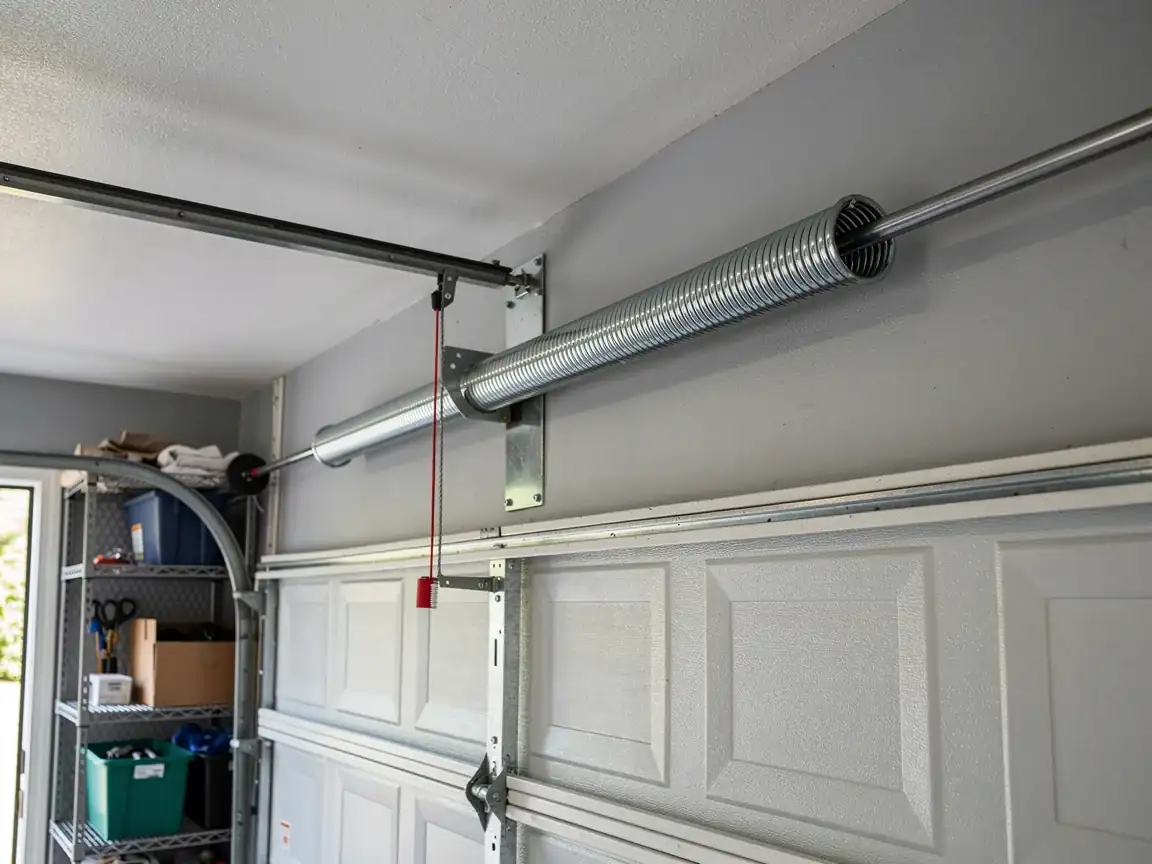
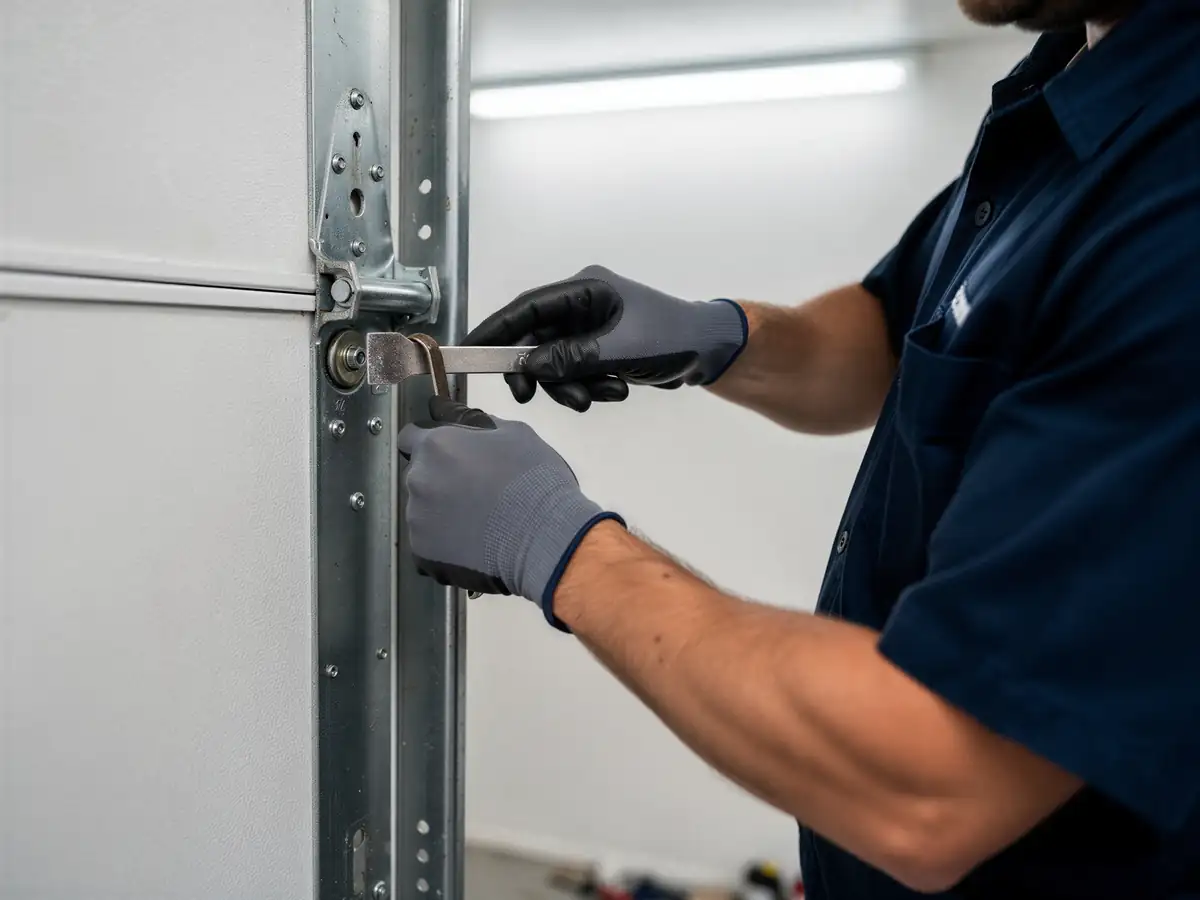
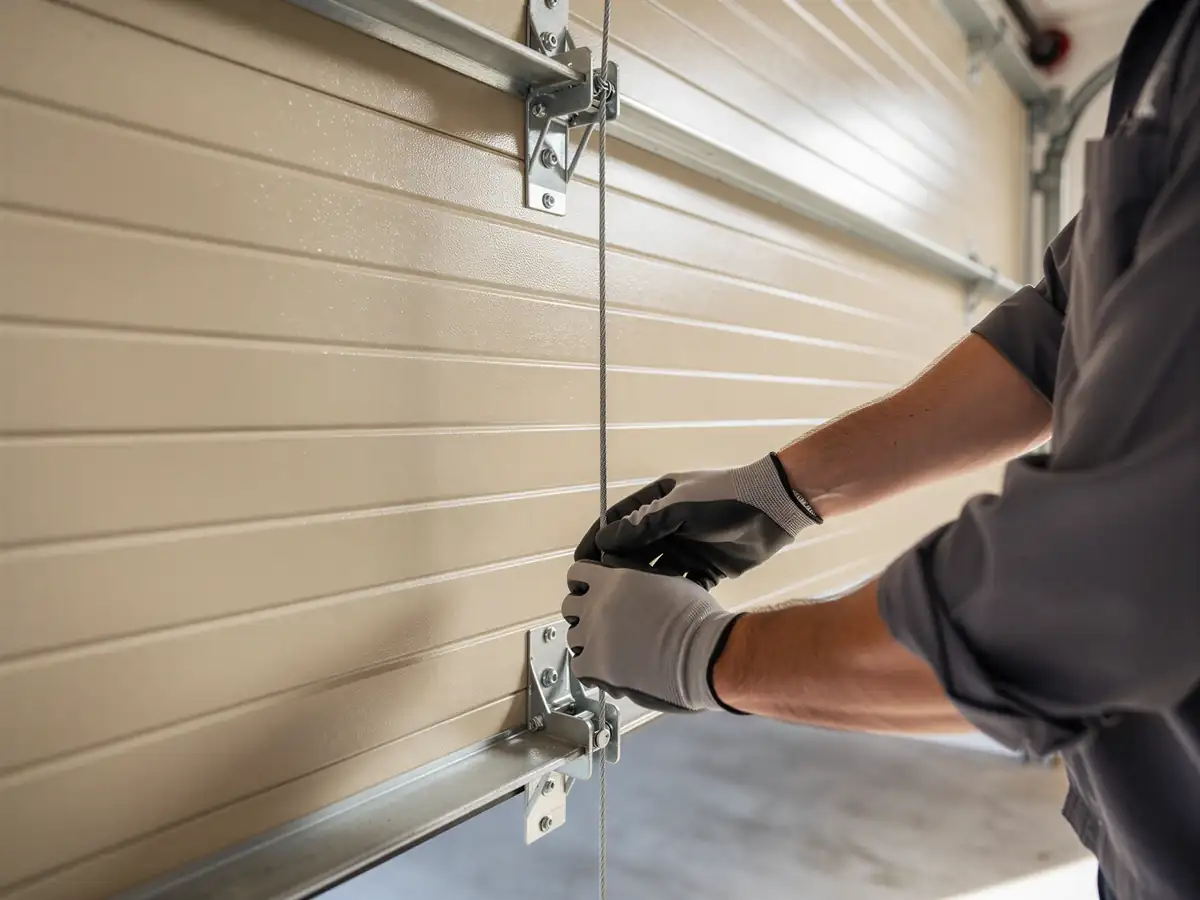
The door hangs crooked on one side, or it drops fast the last foot instead of settling. Sometimes you hear a snap and the door won't move at all - one cable has let go and the other is holding the full weight it was never meant to carry alone. You might see a cable that's gone from smooth steel strand to a frayed, splayed-out mess at the bottom roller bracket, which is where this failure usually starts, not at the top.
If the opener still runs but the door doesn't lift square, stop using it. A door moving on one working cable can jump the track or drop the section, and that's a heavier repair than the cable itself. This is one of the few garage door symptoms where waiting a day or two to call genuinely increases the job.
The Cost of This Job
We don't publish a flat number for cable repair because what drives the cost is which cable failed
Whether the drum or bottom bracket got chewed up on the way down, and whether the door is a standard single-car size or a heavier double. A clean cable replacement on a door that's otherwise sound is a different job than one where the cable snapped and let the door drop onto the track.
What we can tell you
This is almost never a job where replacing the whole door makes more sense than fixing the cable. Cables are a wear part, not a structural failure. If we get out there and find the drums, bearing plates, or track took damage when the cable let go, that's a separate conversation - but the cable itself is one of the cheaper line items on a garage door repair, not one of the expensive ones.
What Can Go Wrong
A cable that's frayed on one side is rarely frayed on the other. We'll tell you plainly when a cable job is really a two-cable job, because replacing one and leaving a thirty-year-old cable on the opposite drum just means a second call later. Matching wear is common on doors from Galveston's 1978-1993 building wave, since both cables were installed the same day and have logged the same hours.
The other thing that goes wrong: a cable snaps and the door free-falls onto the track or onto whatever's parked underneath it. If the bottom brackets bent or the roller tore out of the track on the way down, that's added labor beyond the cable swap, and we'll show you the damage before we quote it. We don't guess at hardware condition from the ground - we pull the door and look.
One limitation worth saying up front: if your drums or torsion shaft are also worn or undersized for the door's weight, a cable-only repair won't hold for long. We'll flag that instead of selling you a cable fix that fails again in a year.