The Symptom
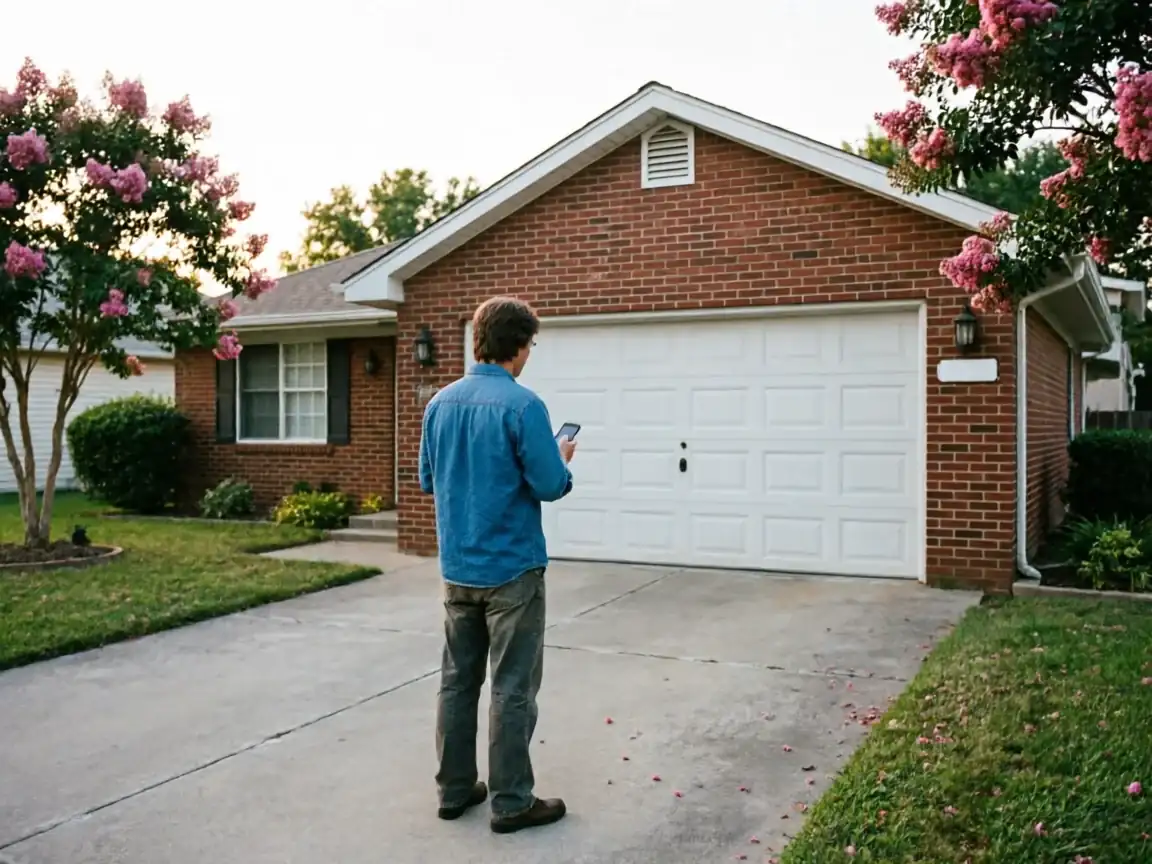
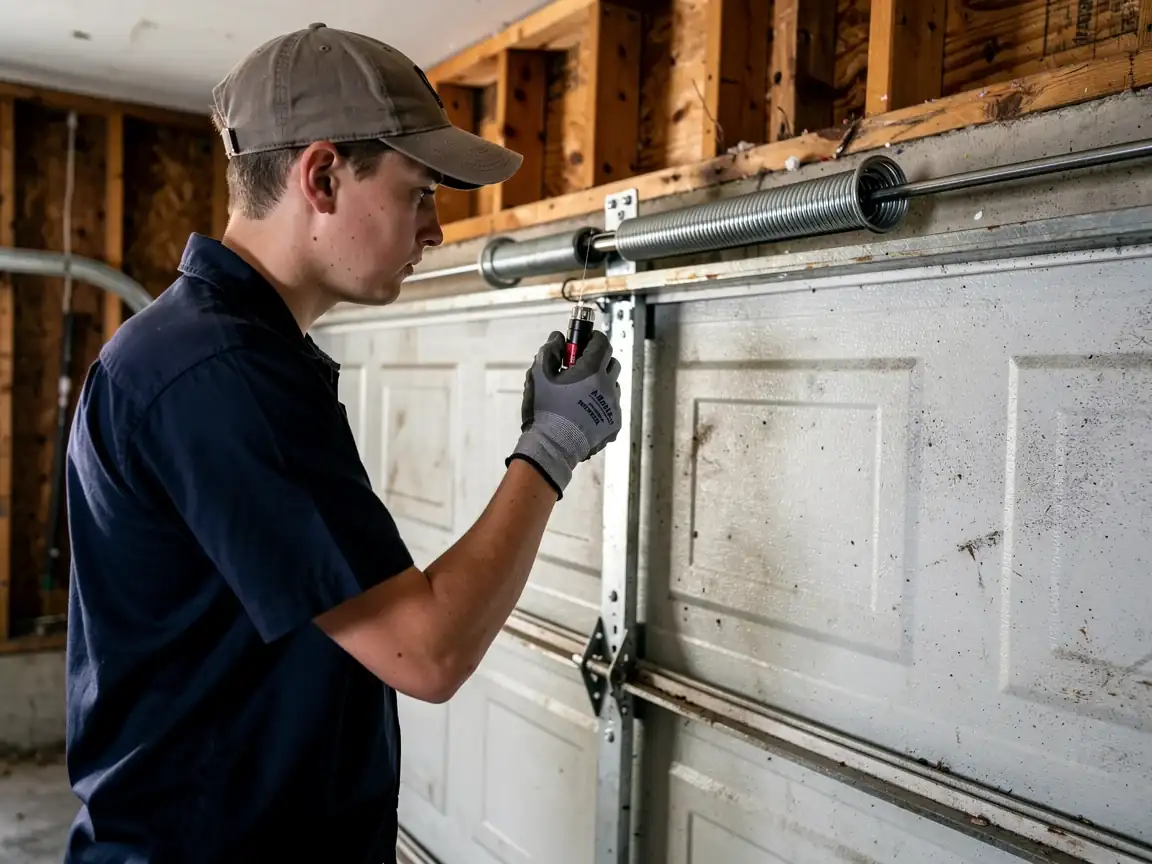
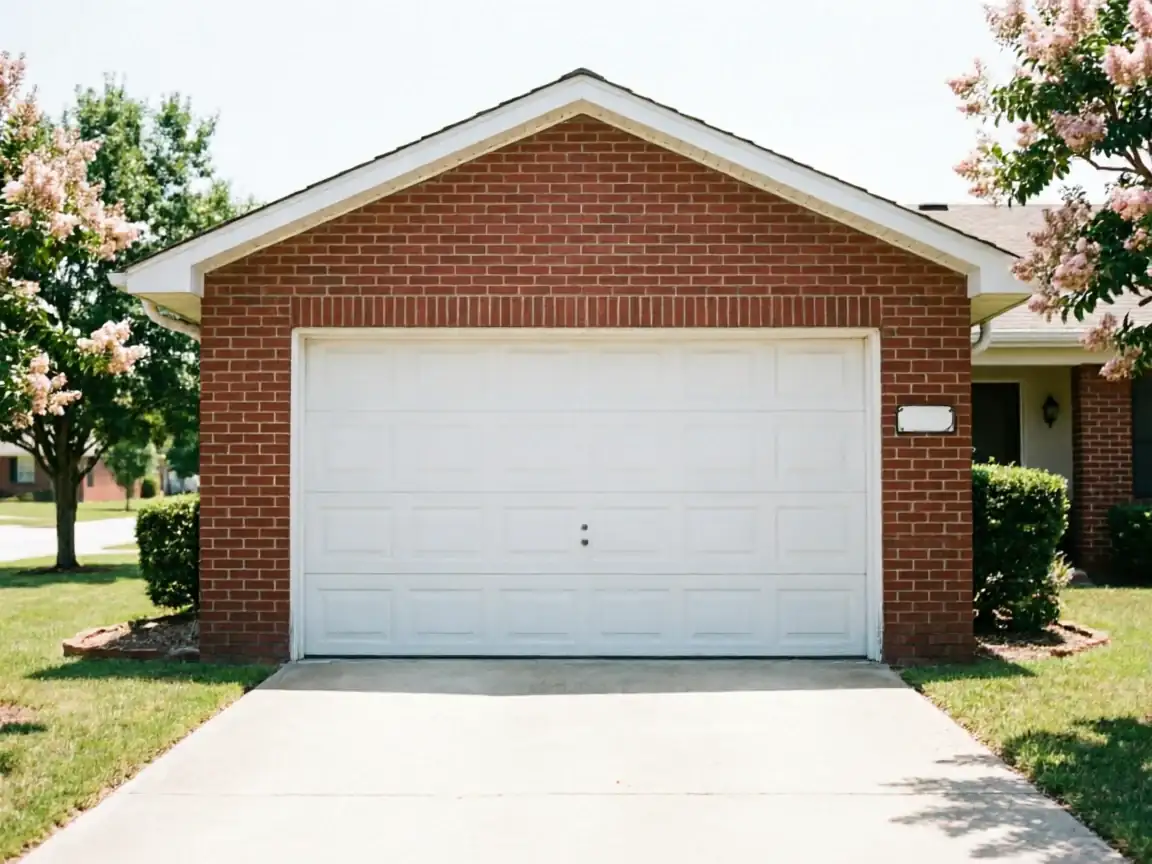
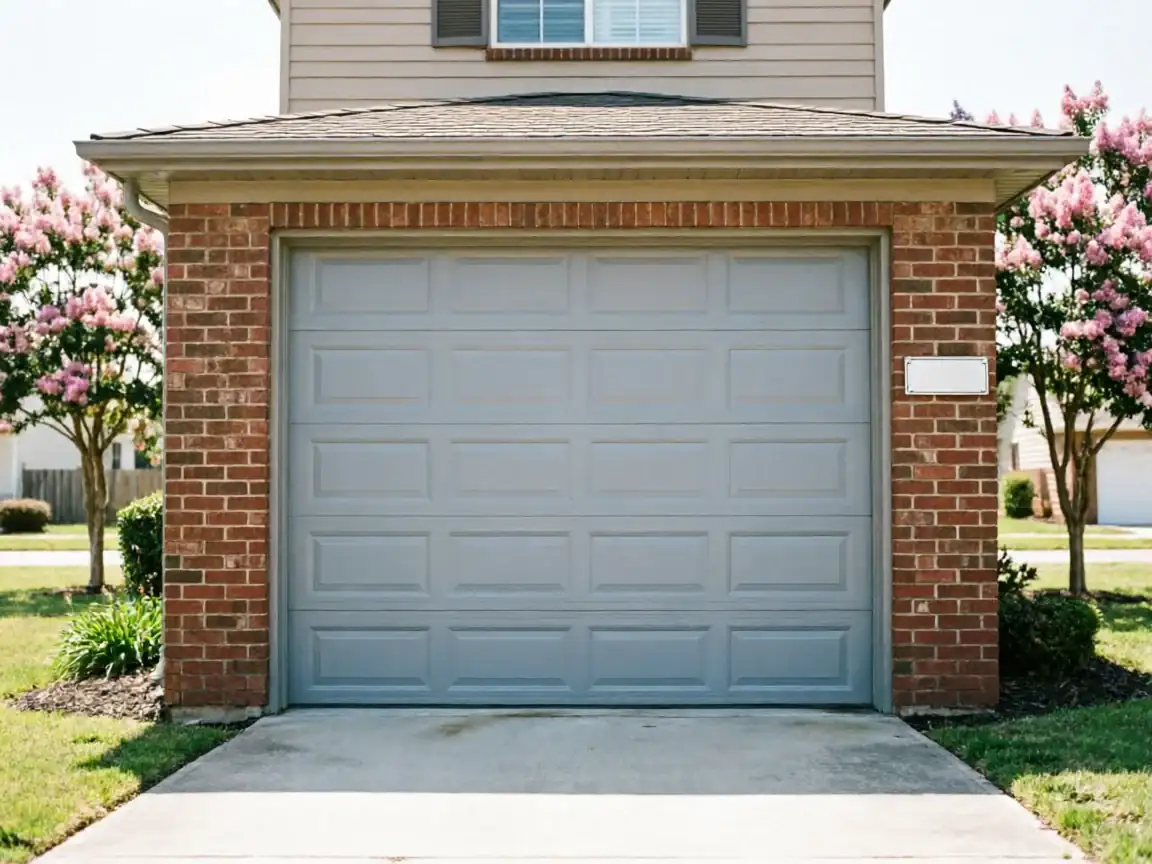
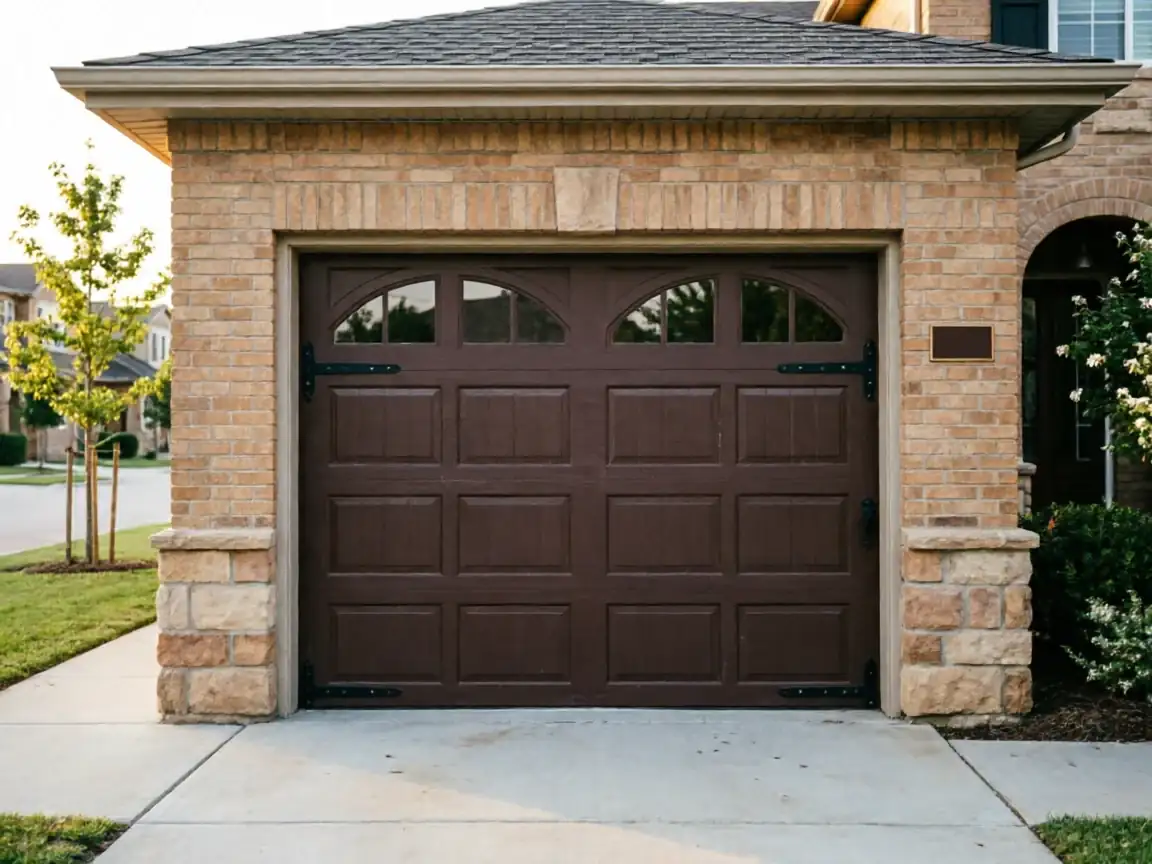
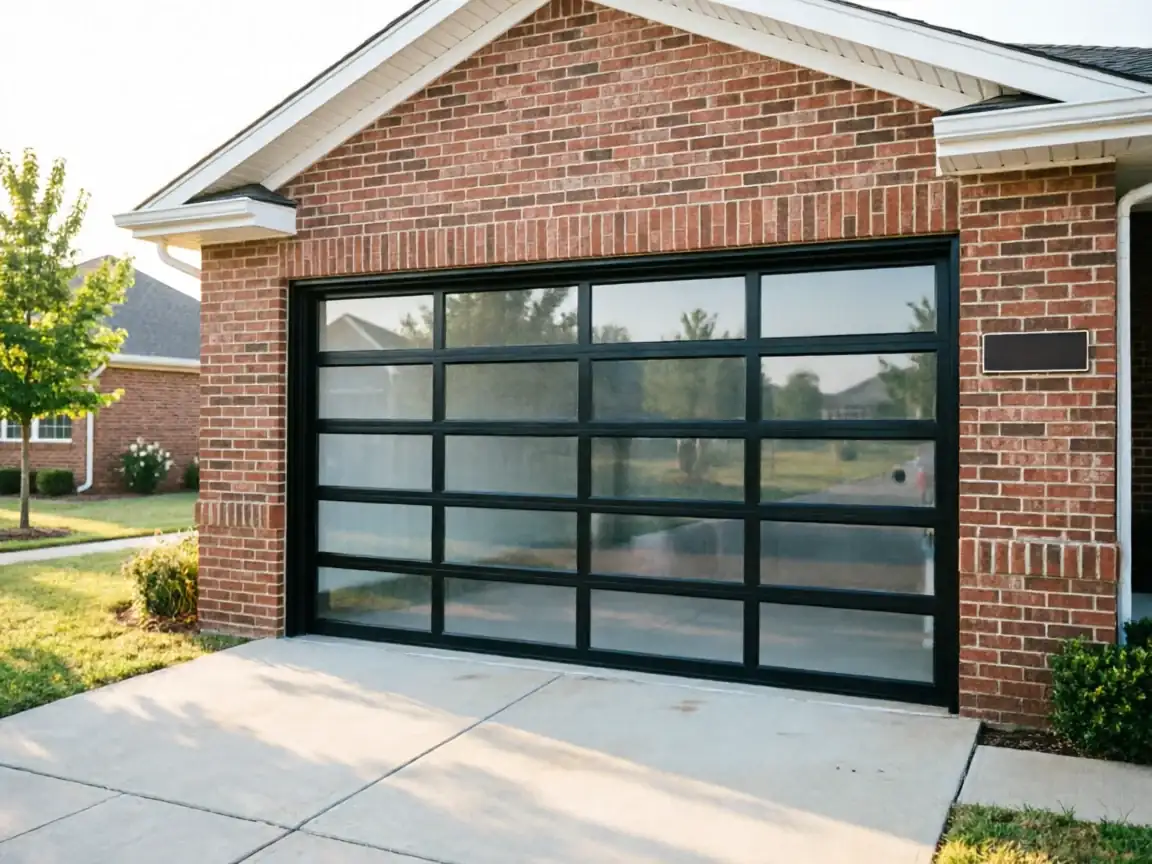
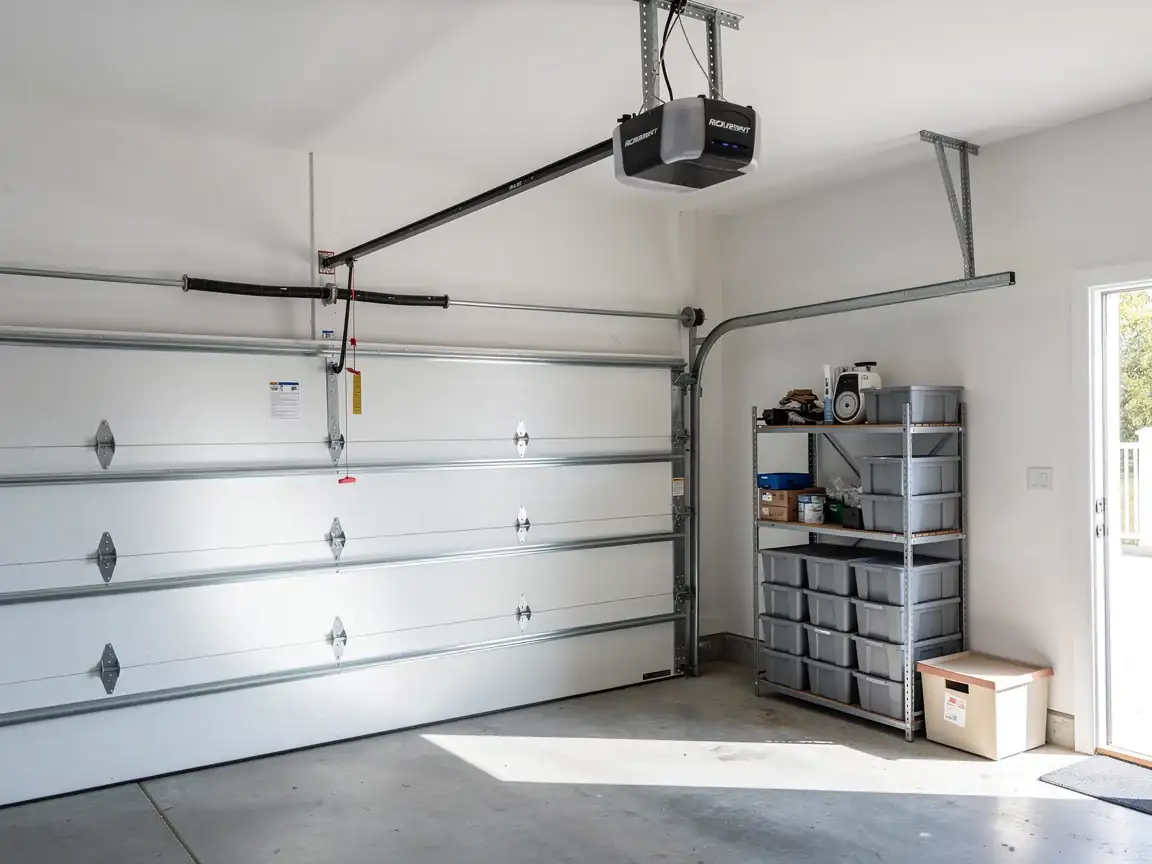
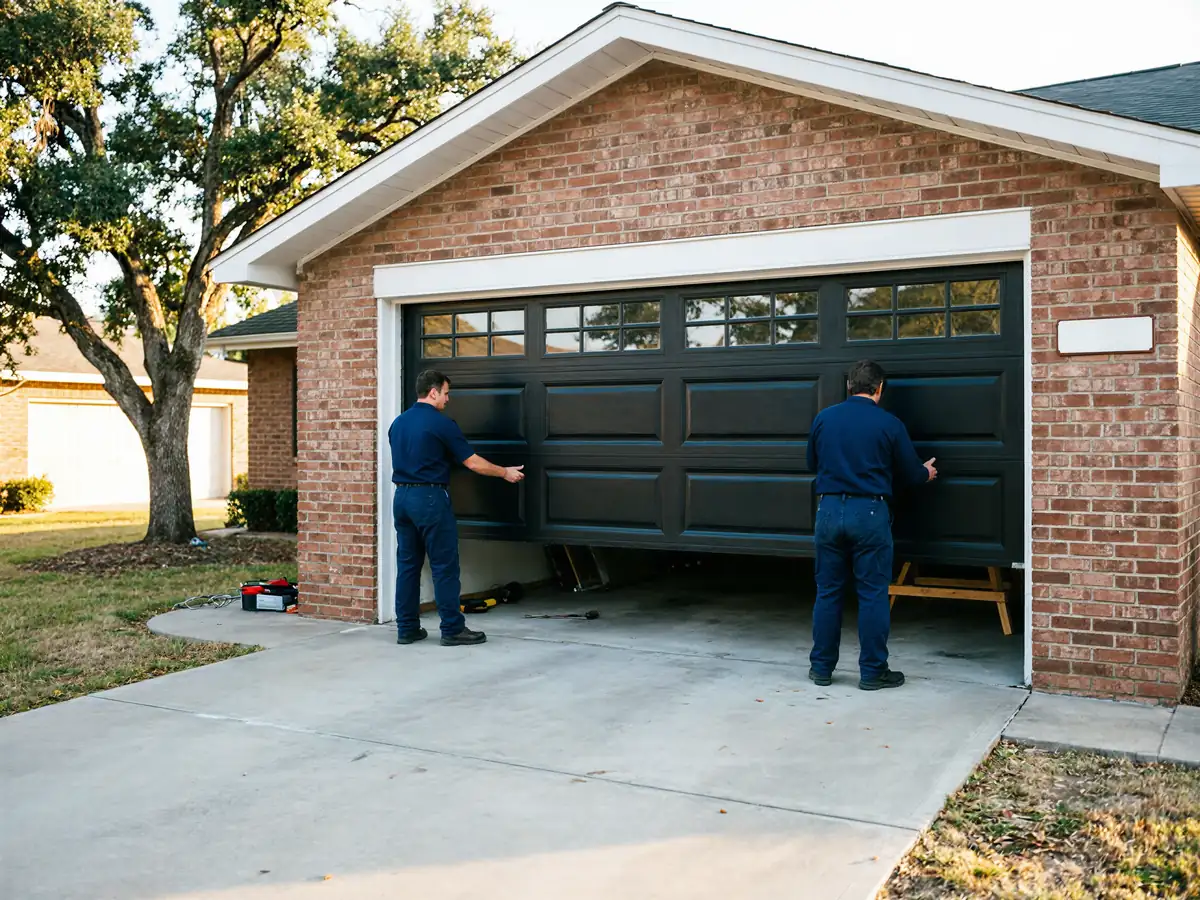
The call usually starts the same way: the door drags on one side, or the opener strains and groans before the panel even clears the floor. Sometimes it's a single-layer steel door that's gone soft and wavy from four decades of sun. Sometimes it's a spring that was sized for the door the builder hung in 1978, not the heavier insulated replacement someone bolted on in the 2000s without re-checking the torsion.
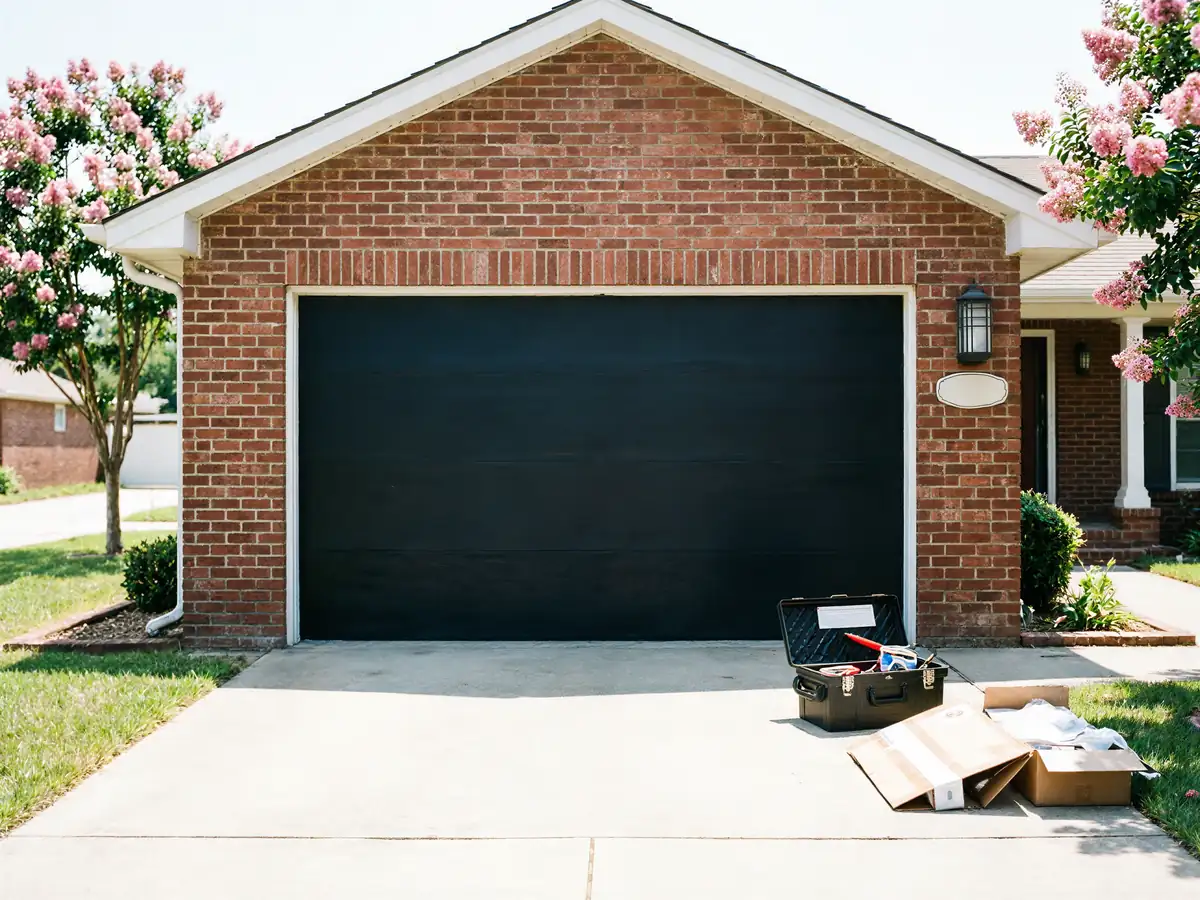
La Marque's median home dates to 1978 - at the early edge of the broader service area's 1978-1993 build window. That matters more than it sounds like it should. A door and spring system specced to a 1978 opening, track, and header was built for a specific weight and a specific drum size. Swap the door, keep the hardware, and you get exactly the symptom above: a door that technically closes but fights you every time, and an opener that's doing a spring's job on top of its own.
If your door feels heavier than it used to, or the opener reverses partway down, that's not a settling-in problem. That's hardware from one era trying to lift a door from another.
Why It Happens Here
Most of La Marque went up around the same stretch of years, which means most of the garage doors did too. With 7,193 households built mostly in that same window, a large share of the town is carrying nearly identical original hardware - same gauge track, same style of extension or torsion spring, same vintage of opener bracket. When one fails, the house two doors down is usually not far behind it.
The climate here is mild temperate, which is a mixed blessing for a door this old. It means the steel isn't rusting through the way it would somewhere colder and wetter, so panels often look fine from the driveway. But mild and humid still means UV breakdown on weatherseal, gasket, and any foam-backed insulation laminate, plus thermal cycling that loosens roller brackets over the years nobody's looking. A door can be cosmetically sound and mechanically done at the same time, and 45 years is enough time for both things to happen quietly.
The other factor is simpler: a door spec'd for a 1978 opening wasn't built with today's insulated double-layer panels in mind. When those get retrofitted without updating the spring and drum sizing, the mismatch is baked in from day one.
How We Fix It
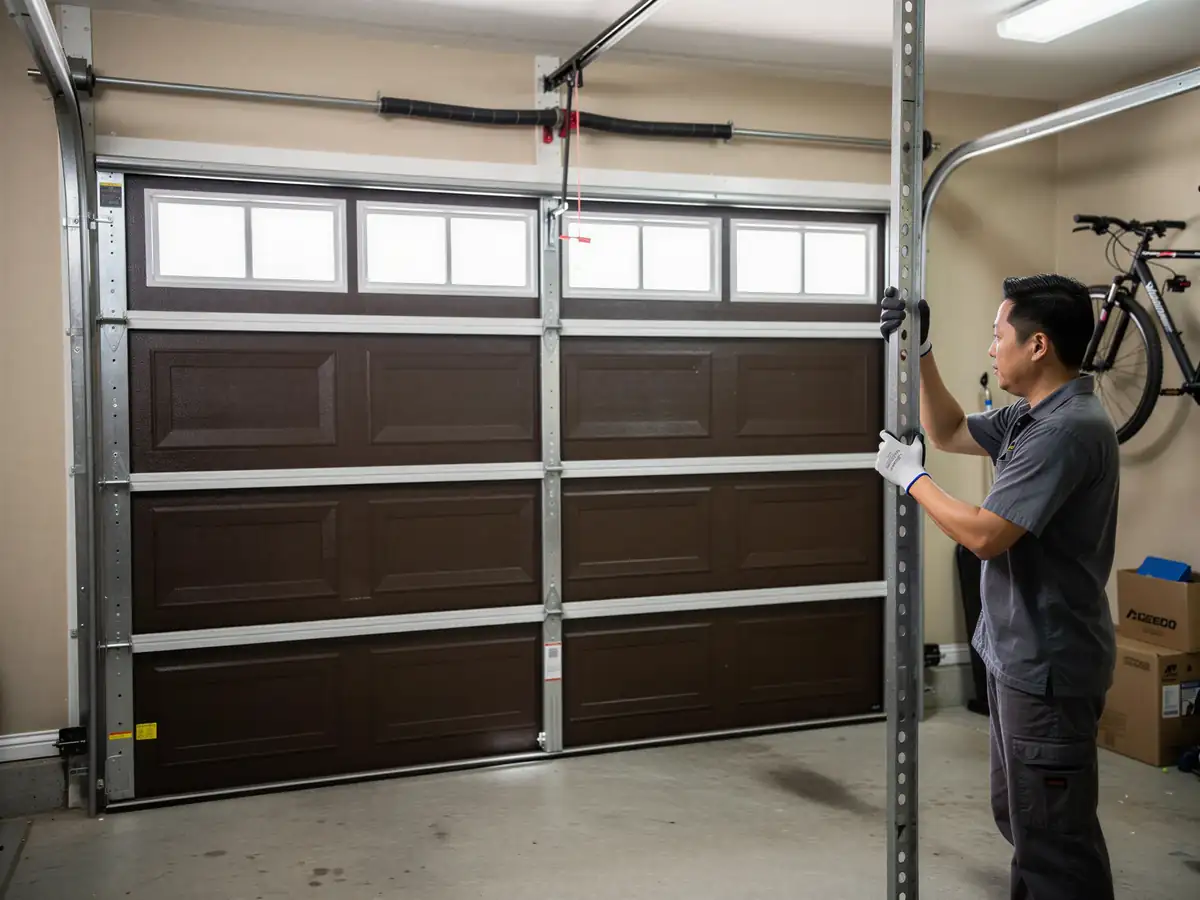
We don't swap a door without first measuring what the opening actually needs now
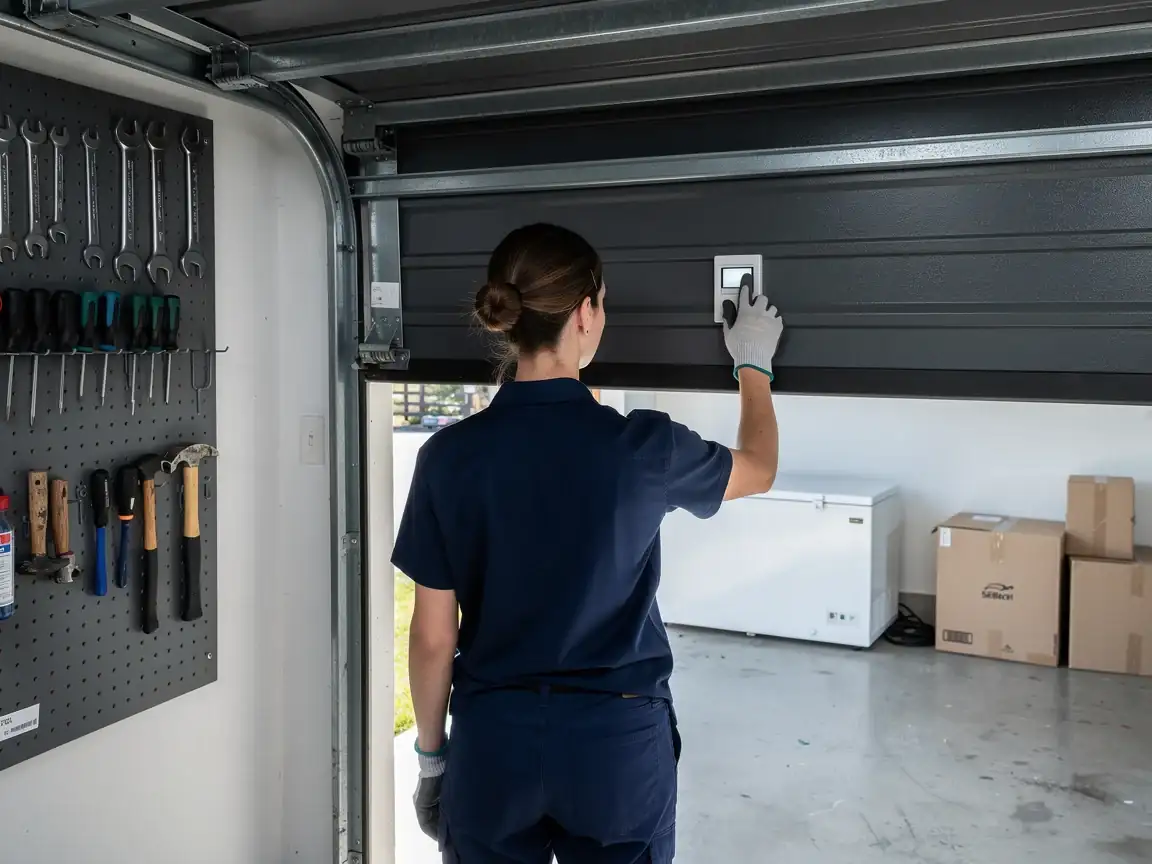
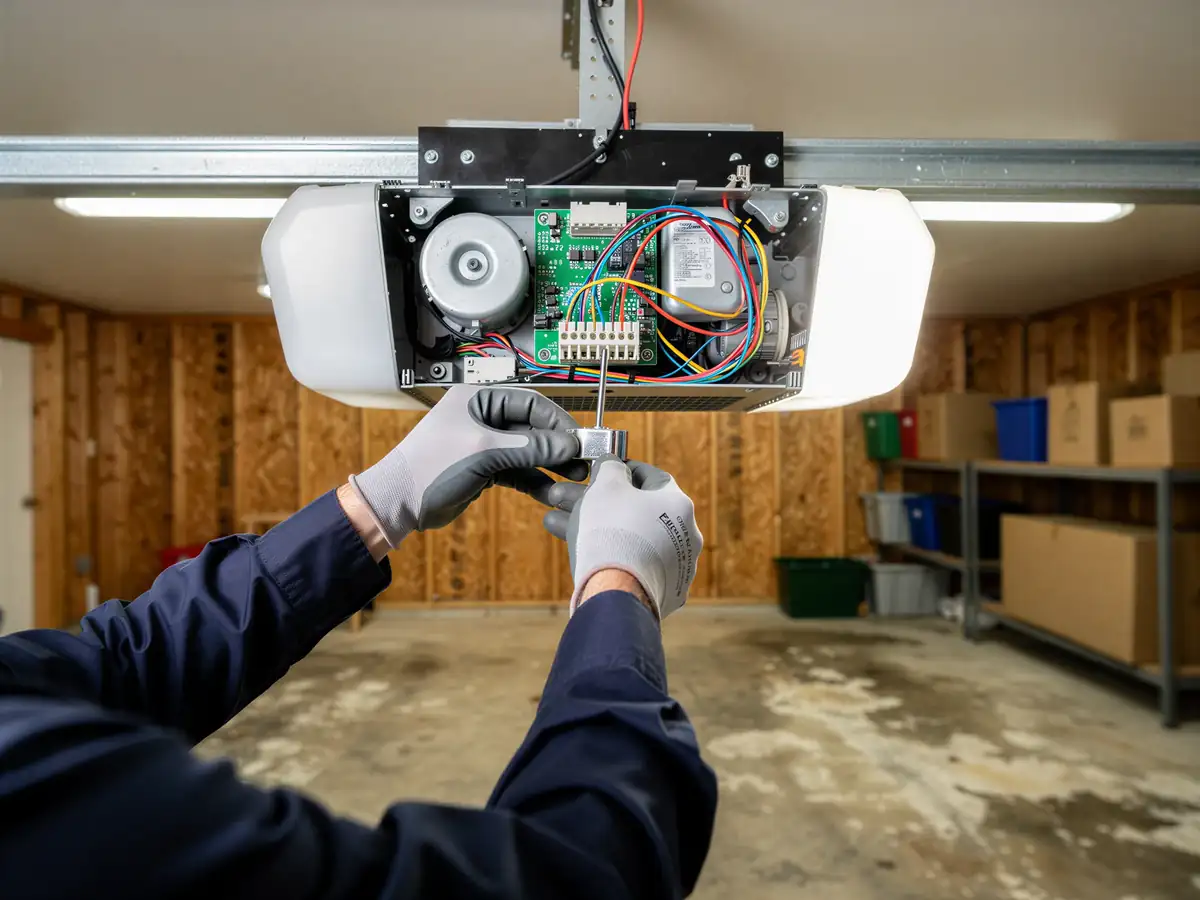
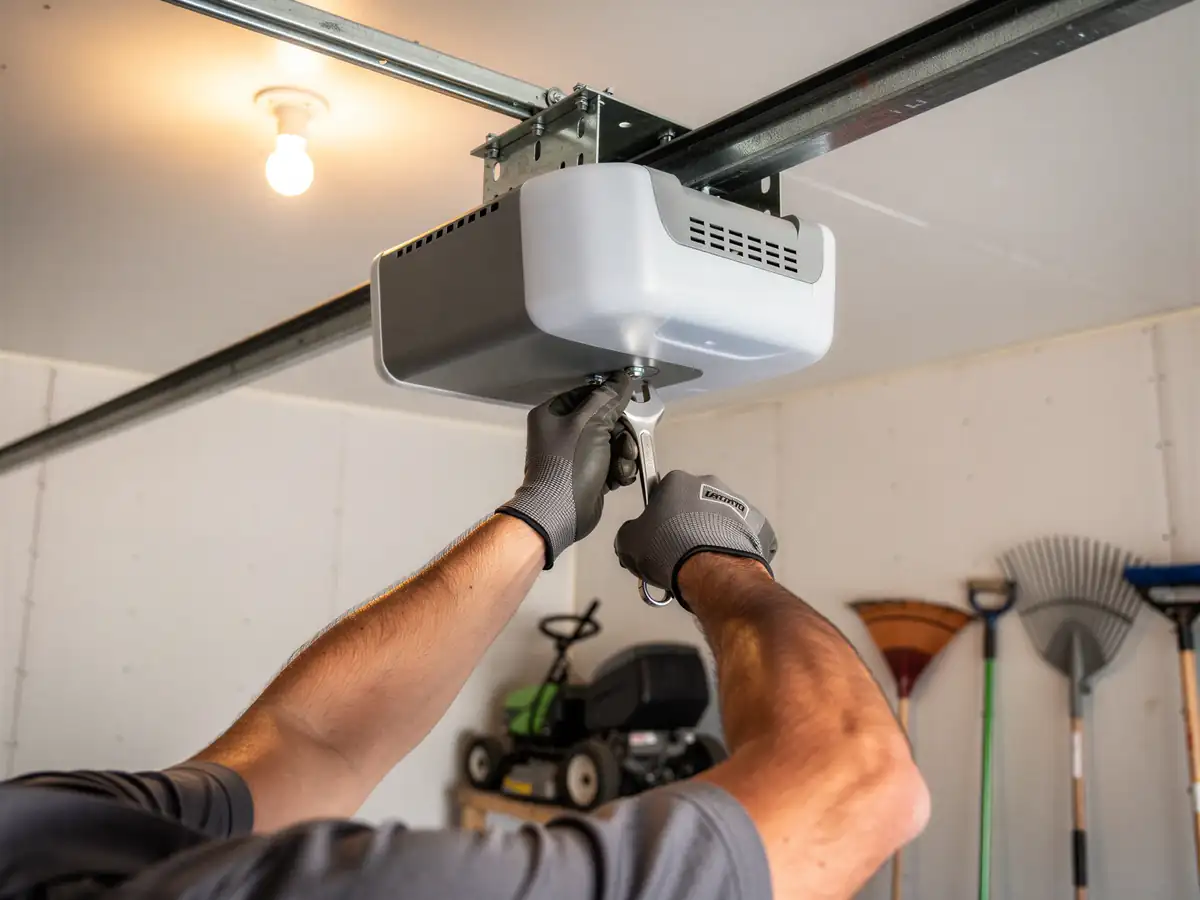
Not what it needed in 1978. That means checking the header and track for the new door's real weight, sizing the torsion spring to match - not reusing what's already hanging there out of convenience - and matching the opener's lift capacity to the panel you're putting in, insulated or not.
For a mild coastal climate, we lean toward panels and seals rated for UV and moisture resistance rather than the cheapest option
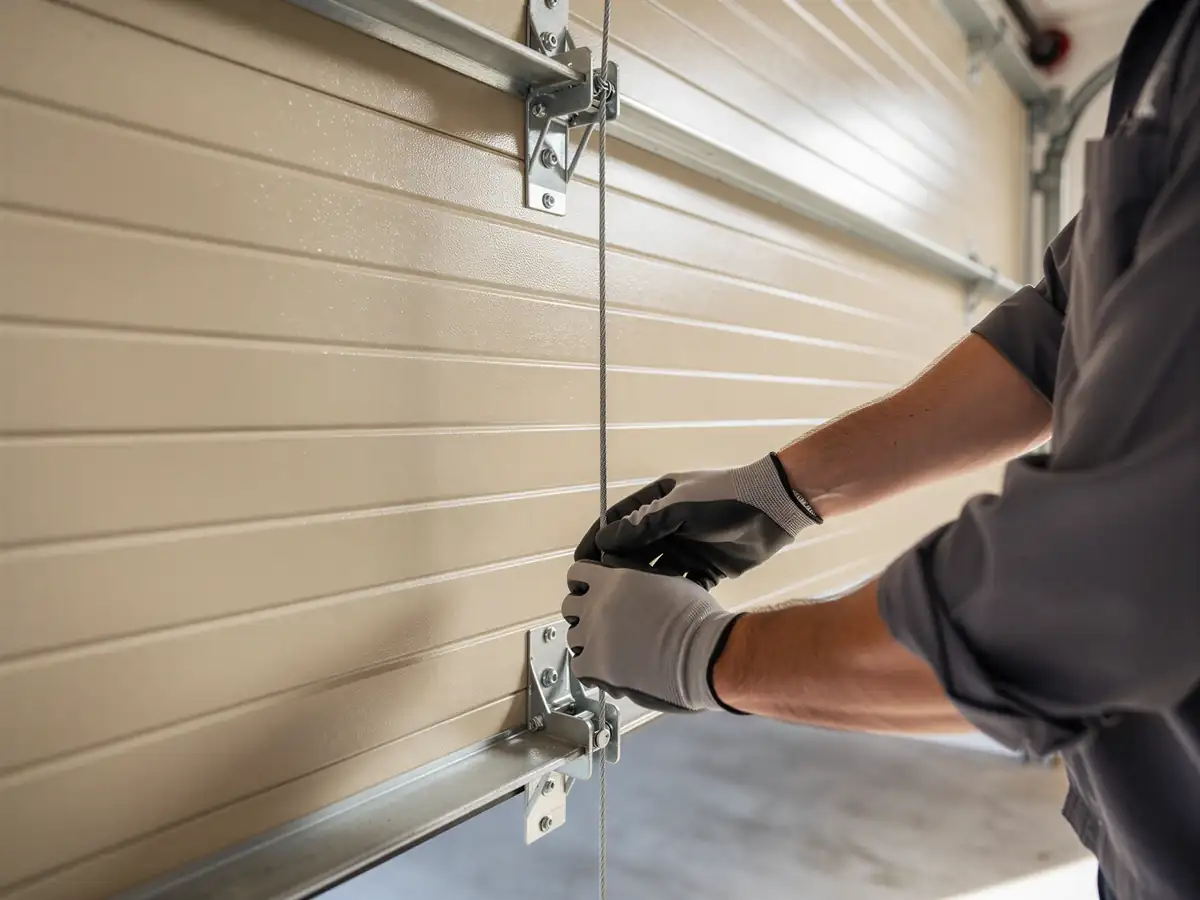
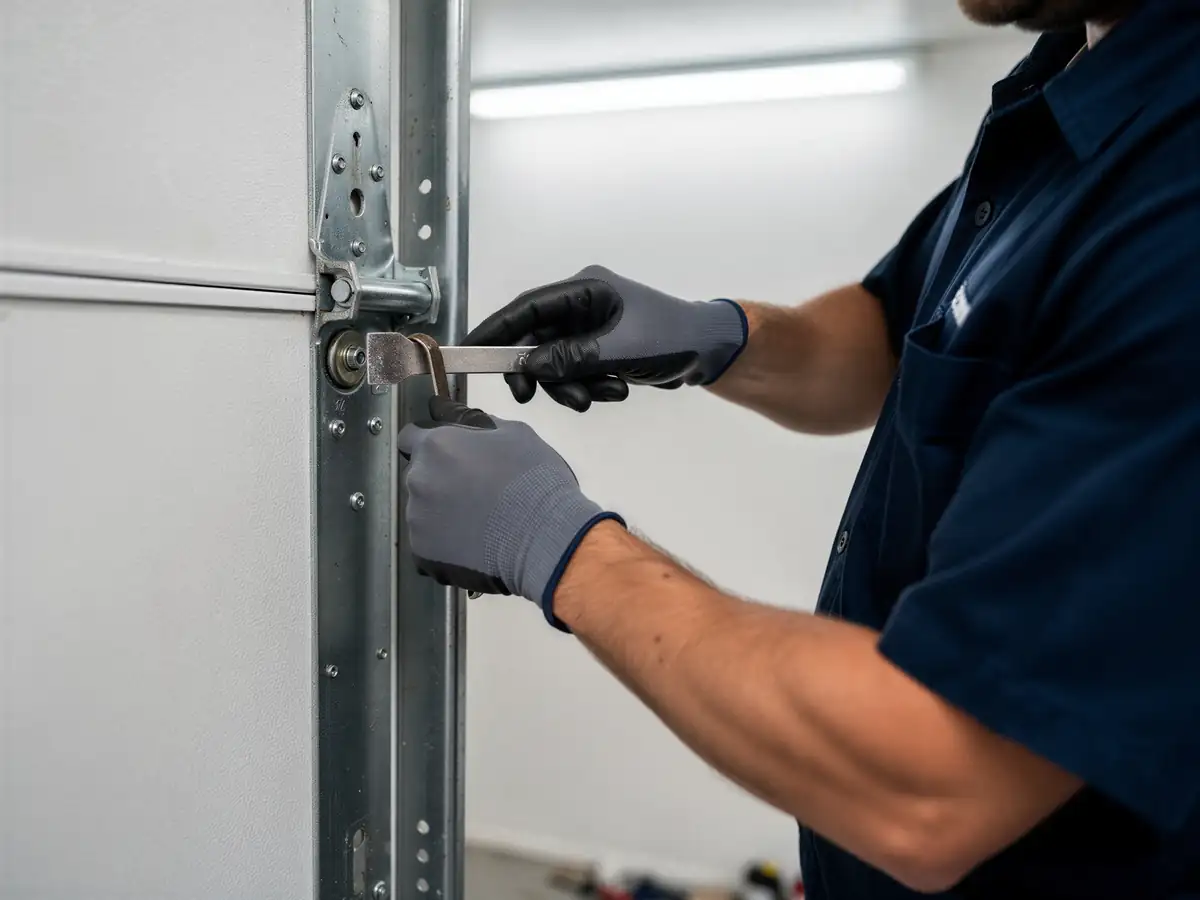
Since that's the failure mode that actually shows up here over time, not rust-through. Hardware gets replaced as a set - rollers, brackets, cable - rather than mixed old-and-new, which is one of the more common causes of an early second service call.
We work out of Galveston, 13 miles out
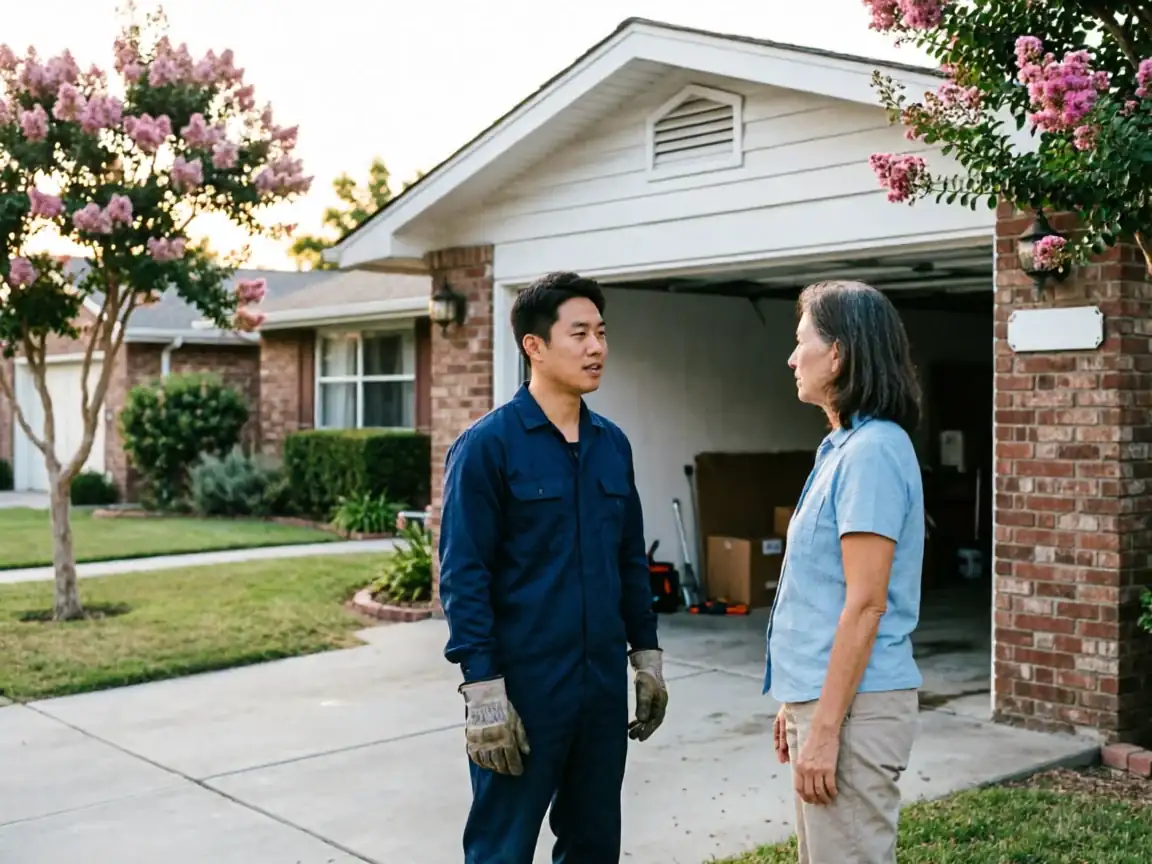
So the job gets planned before the truck leaves: door measured, spring calculated, opener matched, parts loaded. We don't run a branch or a drop box in La Marque - every job here is a trip we plan for, which is part of why we measure twice before we order.
- 13 miles
How Long You Are Without the Door
A straightforward swap - same opening, standard size, door in stock - is usually a one-visit job once we're on site. What stretches it out is anything non-standard: a wider double door, a specific insulated panel color, or custom window inserts. Those get special-ordered, and that lead time is set by the manufacturer, not by us, so we won't promise a date until the order's confirmed.
The honest limitation here: because we travel from Galveston rather than running a local branch, we can't offer a same-day emergency slot the way a depot five minutes away might. We plan the trip around the parts and the schedule, which usually means a short wait to get on the calendar rather than a wait on-site. If your door is stuck shut and unusable, that's worth saying up front when you call, since it changes how we prioritize the job - but it doesn't change how fast the part itself can arrive if it has to be ordered.