Can You Do This Yourself
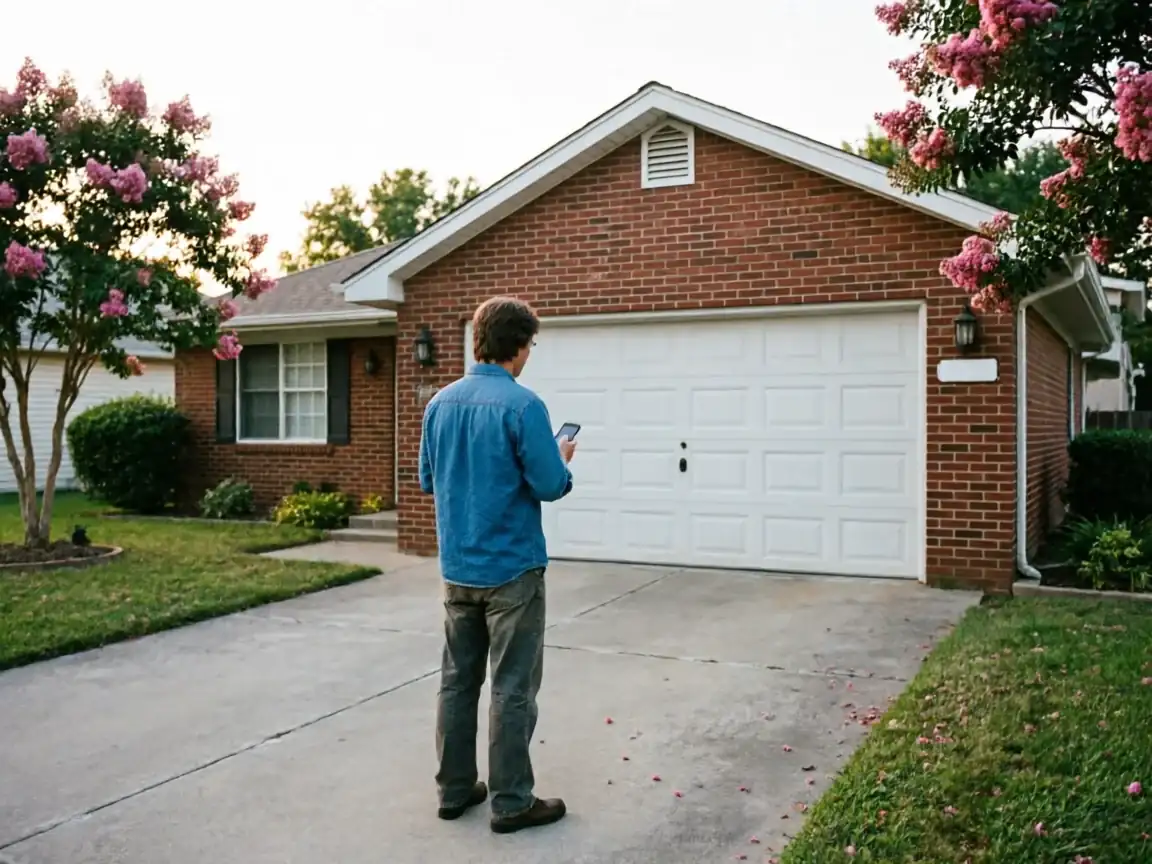
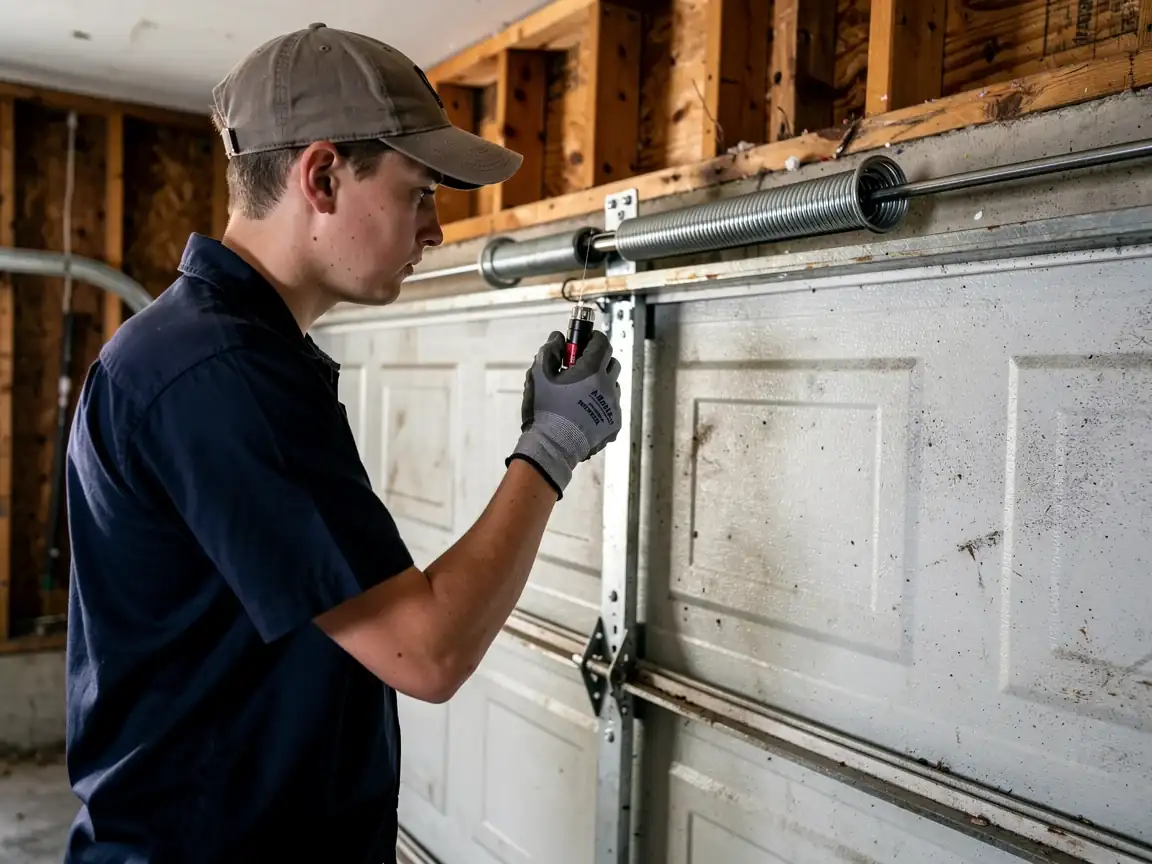
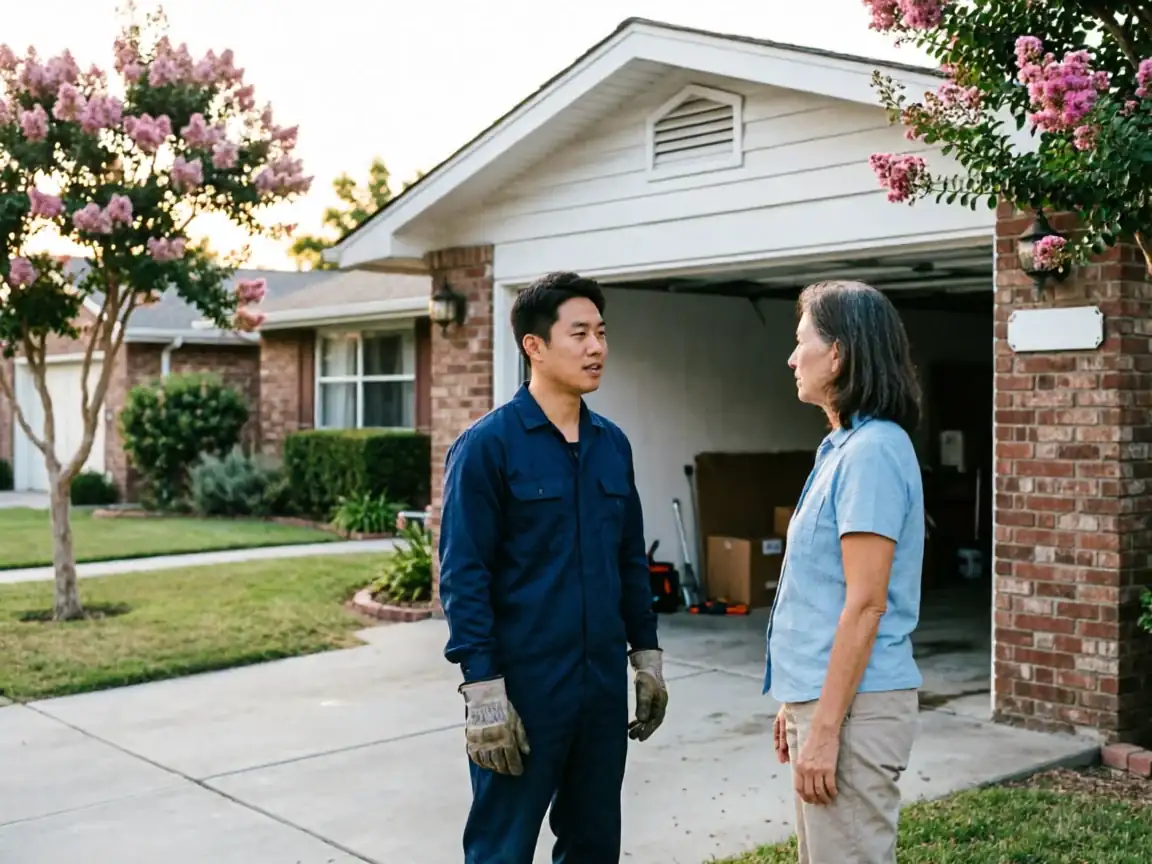
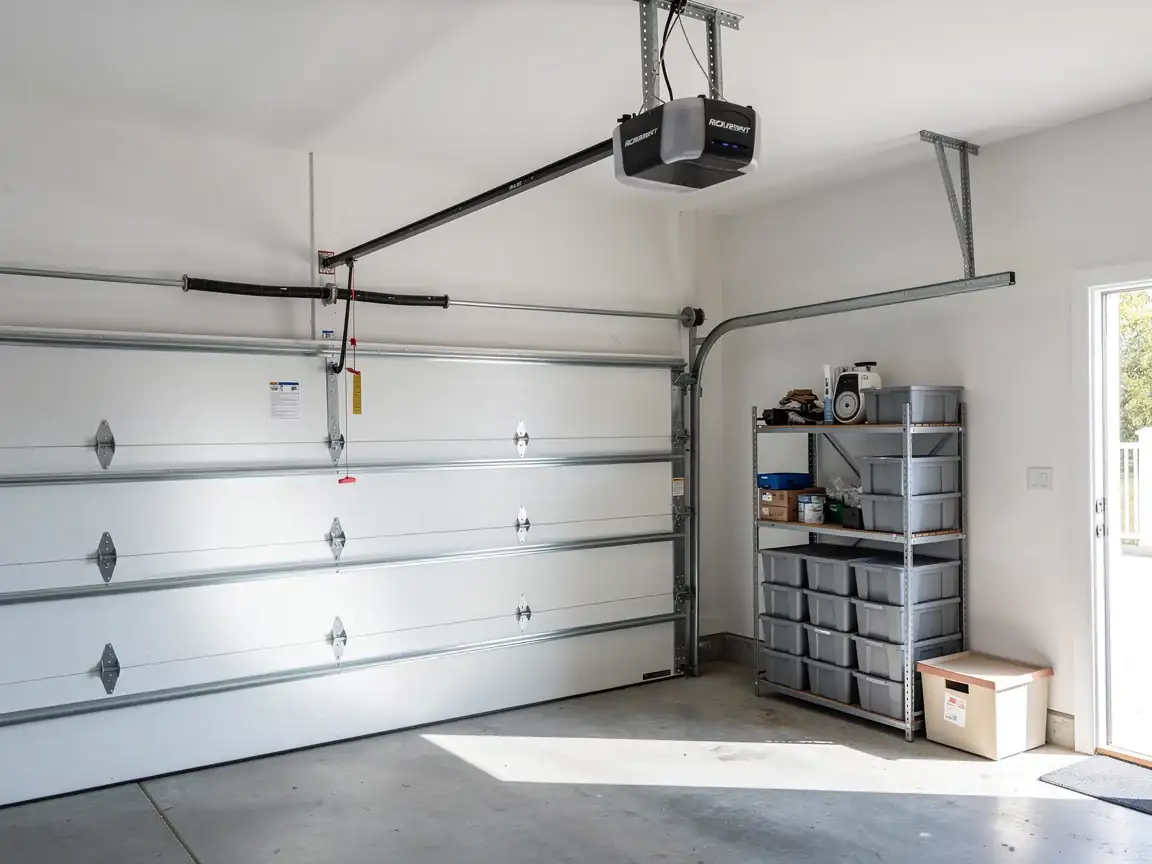
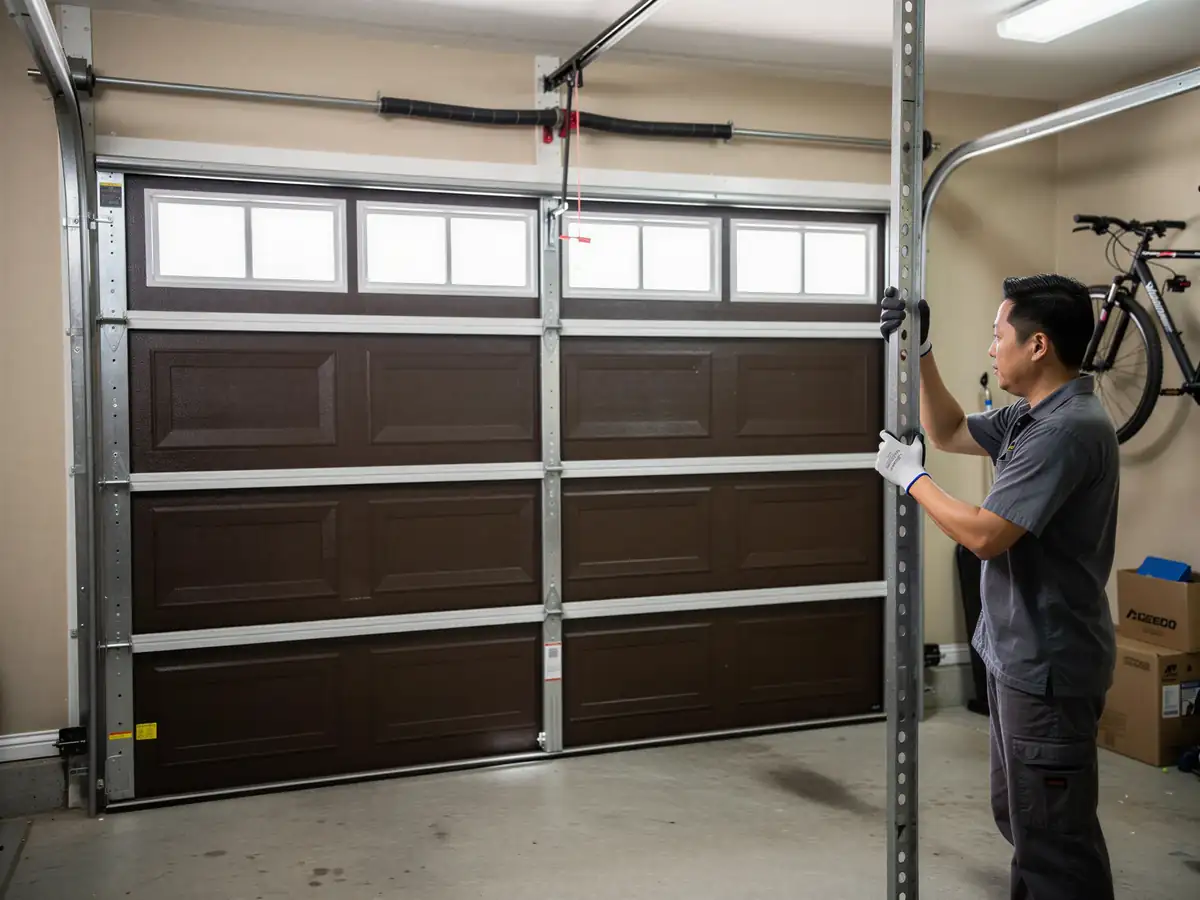
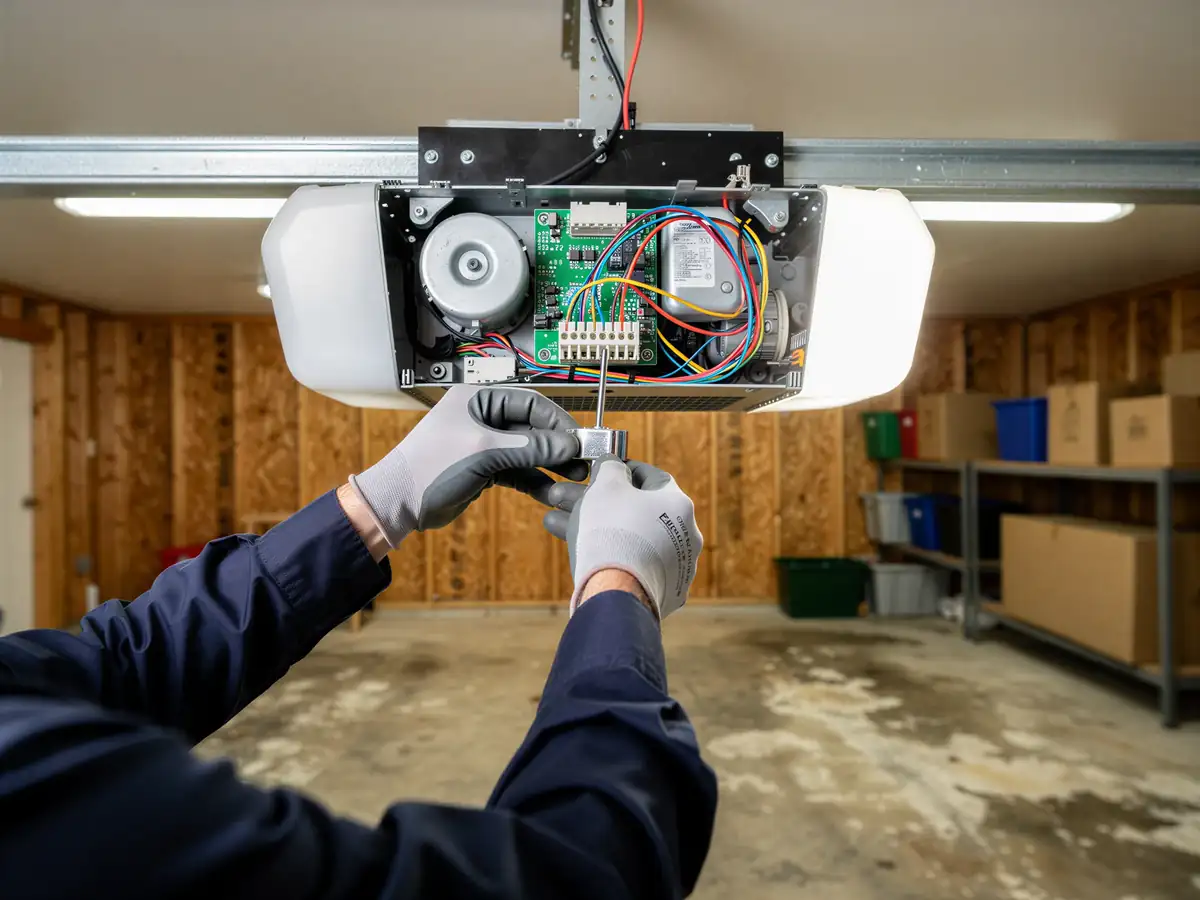
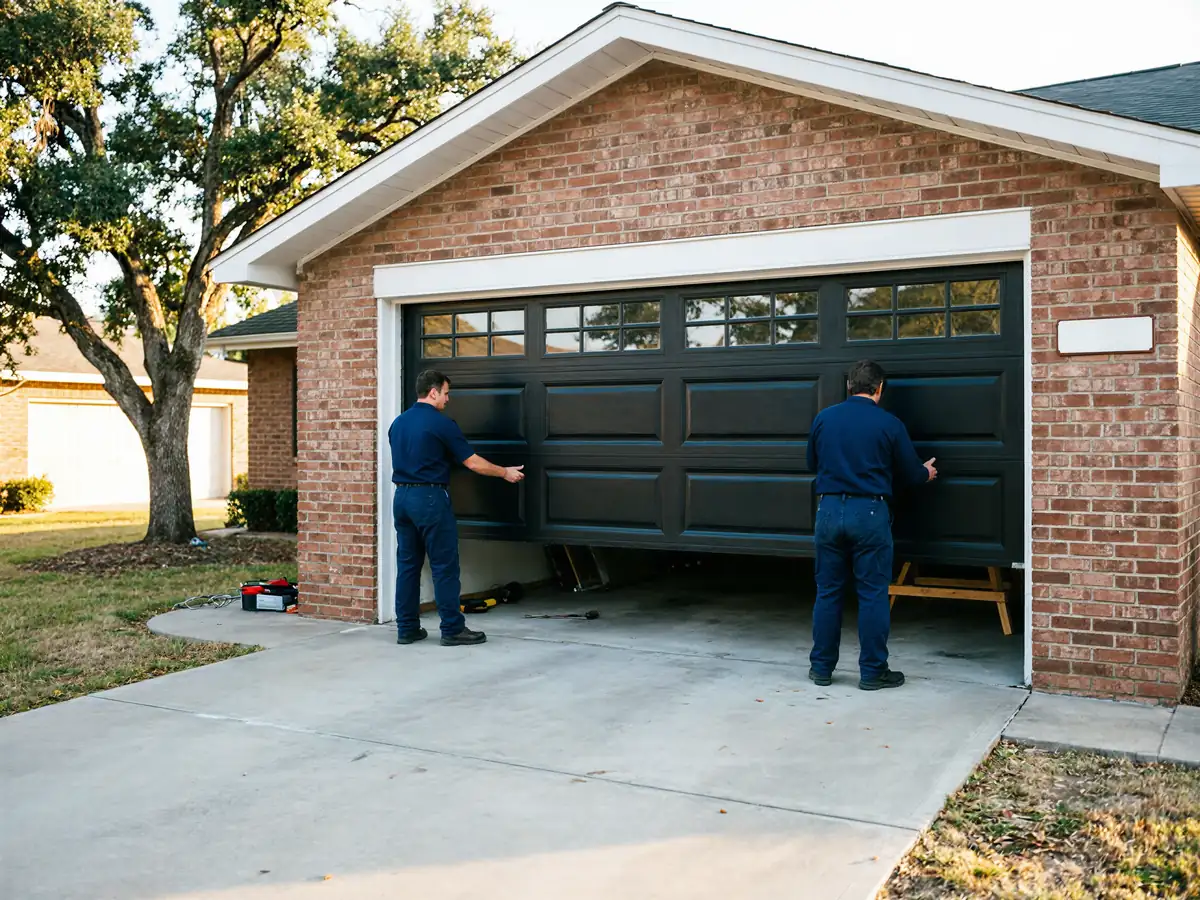
Dickinson sits about 19 miles from our shop in Galveston, which matters more than it sounds like it should. It means a tech isn't swinging by on a whim to eyeball a squeaky roller - when we come out, we come loaded for what we expect to find, because a second trip burns most of an afternoon. That's actually good news for you if you're deciding whether to tackle something yourself first. A loose bracket, a track knocked out of line by a bumped car, a sensor that needs re-aiming - those are fair DIY jobs, and we'd rather you save the call. A broken torsion spring is not one of those jobs. The spring is wound under enough tension to break bone, and on the double doors common in houses built through the 1980s and 90s here, that spring is sized to lift more door than people expect. If the opener is straining, grinding, or the door won't stay up on its own, that's a call, not a YouTube afternoon.
What Is on the Truck
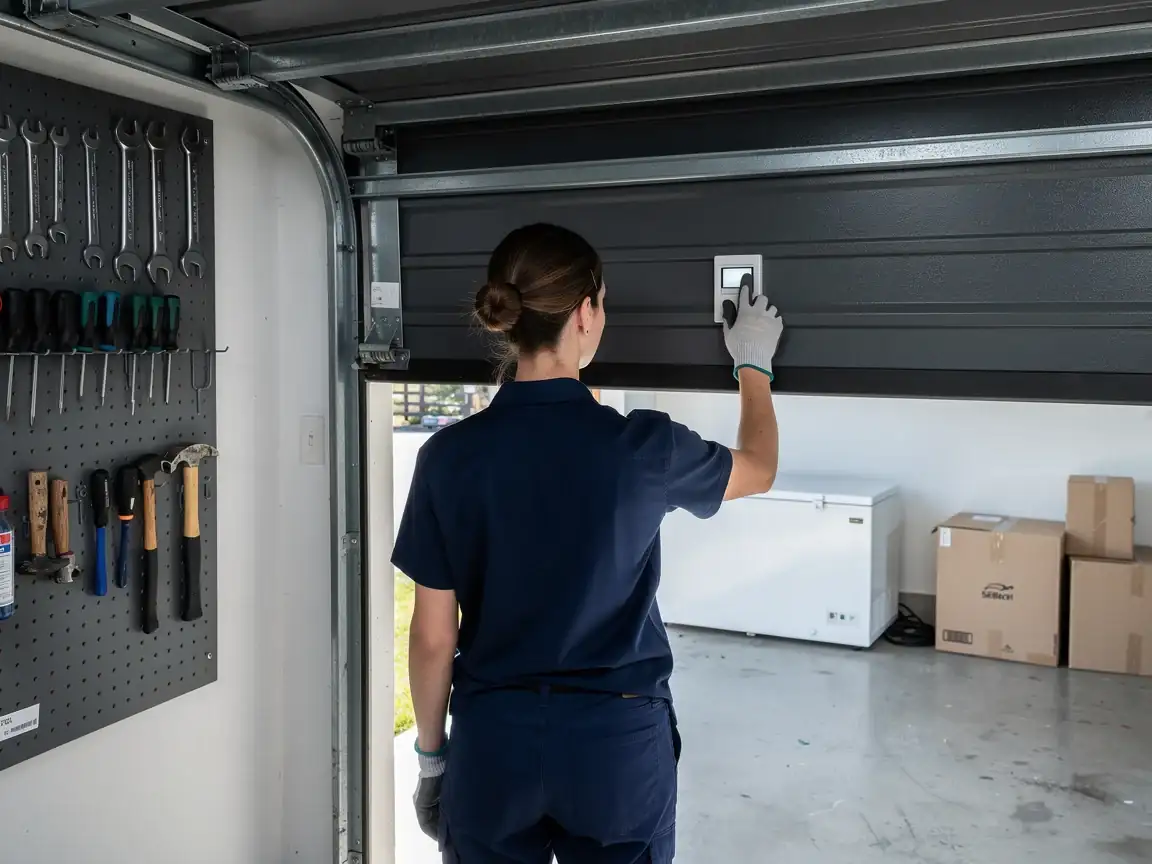
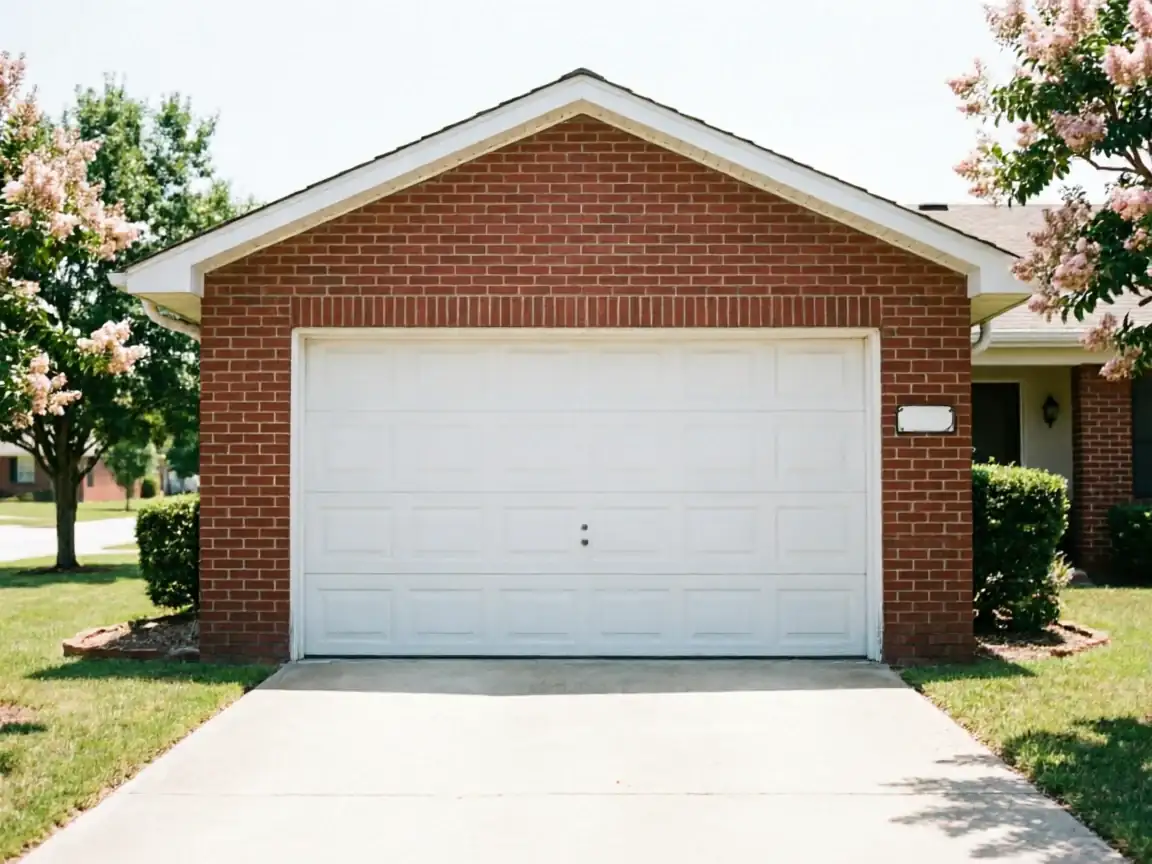
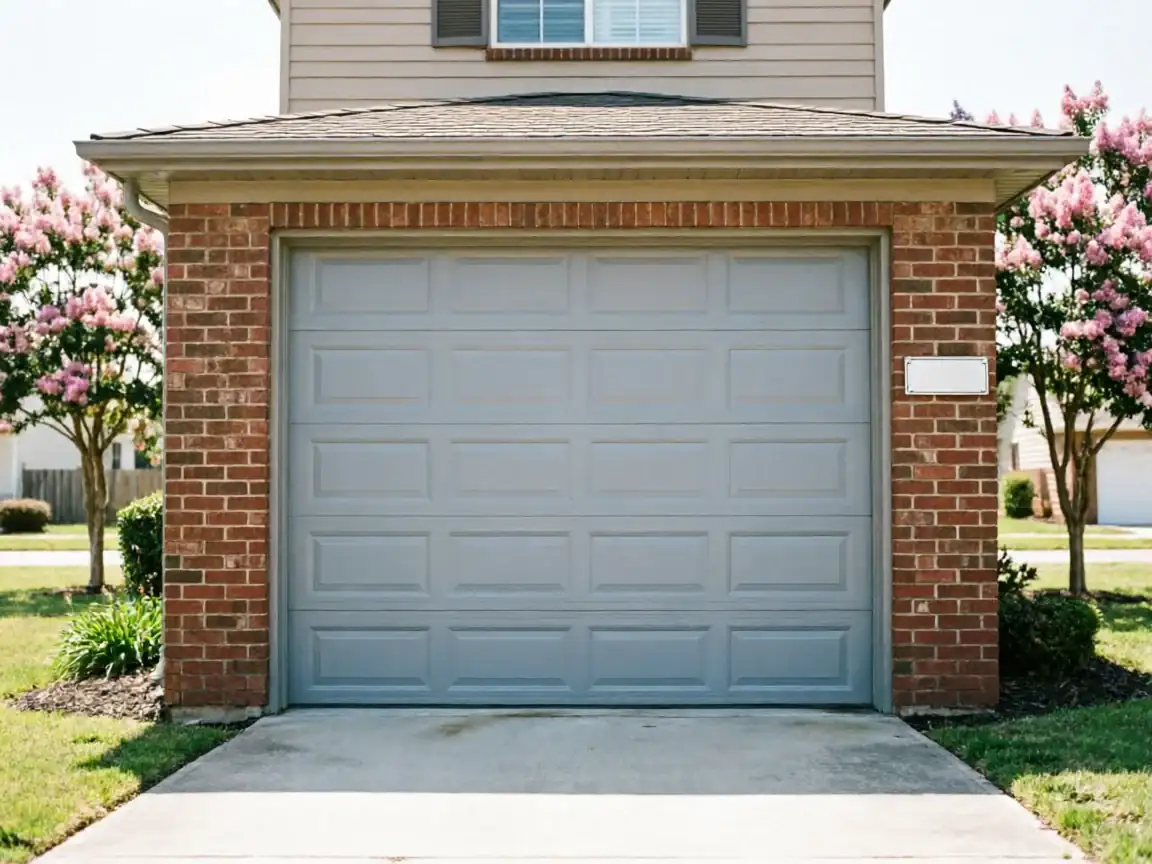
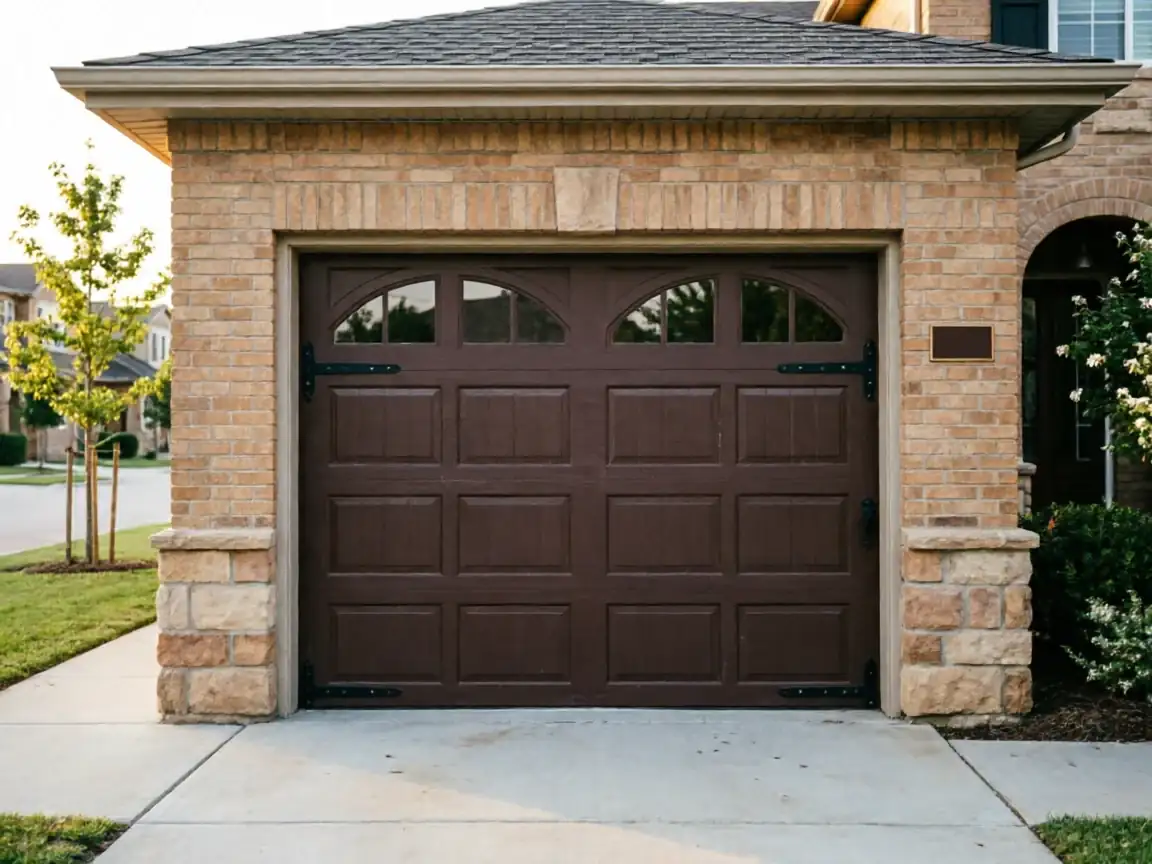
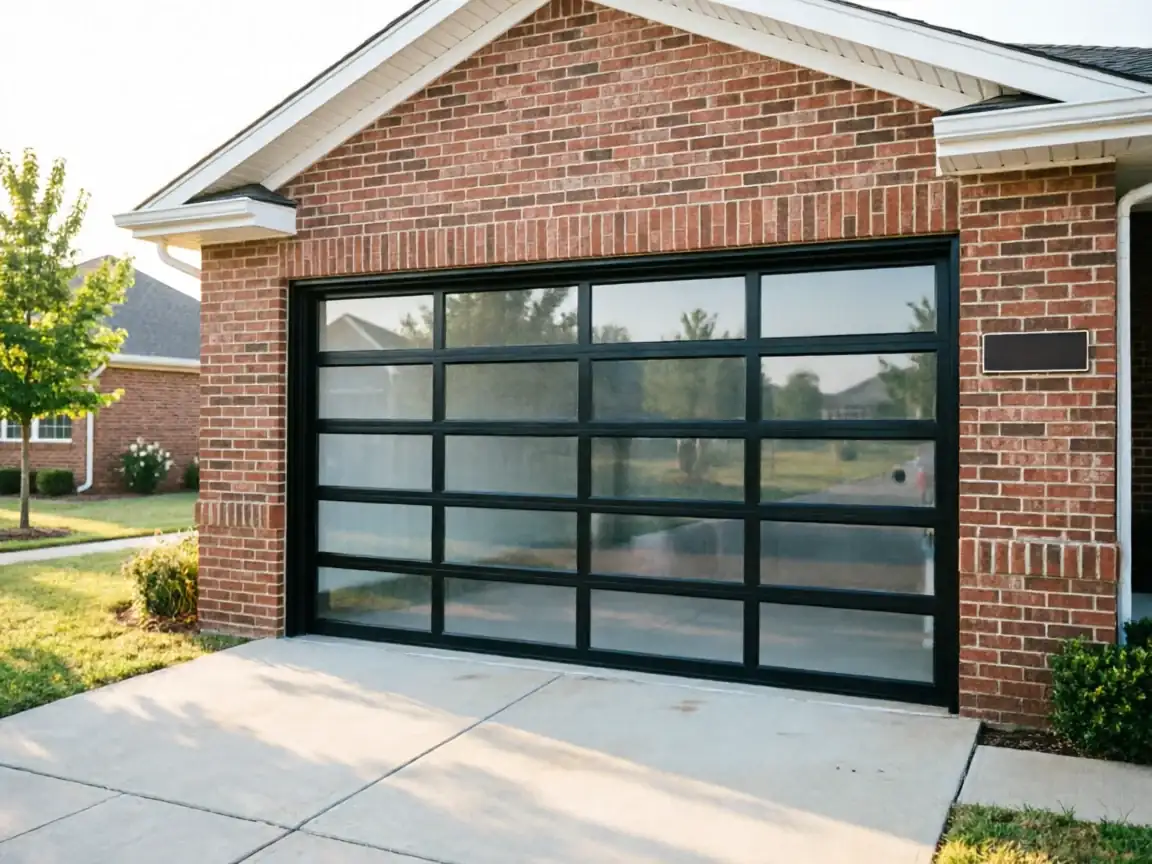
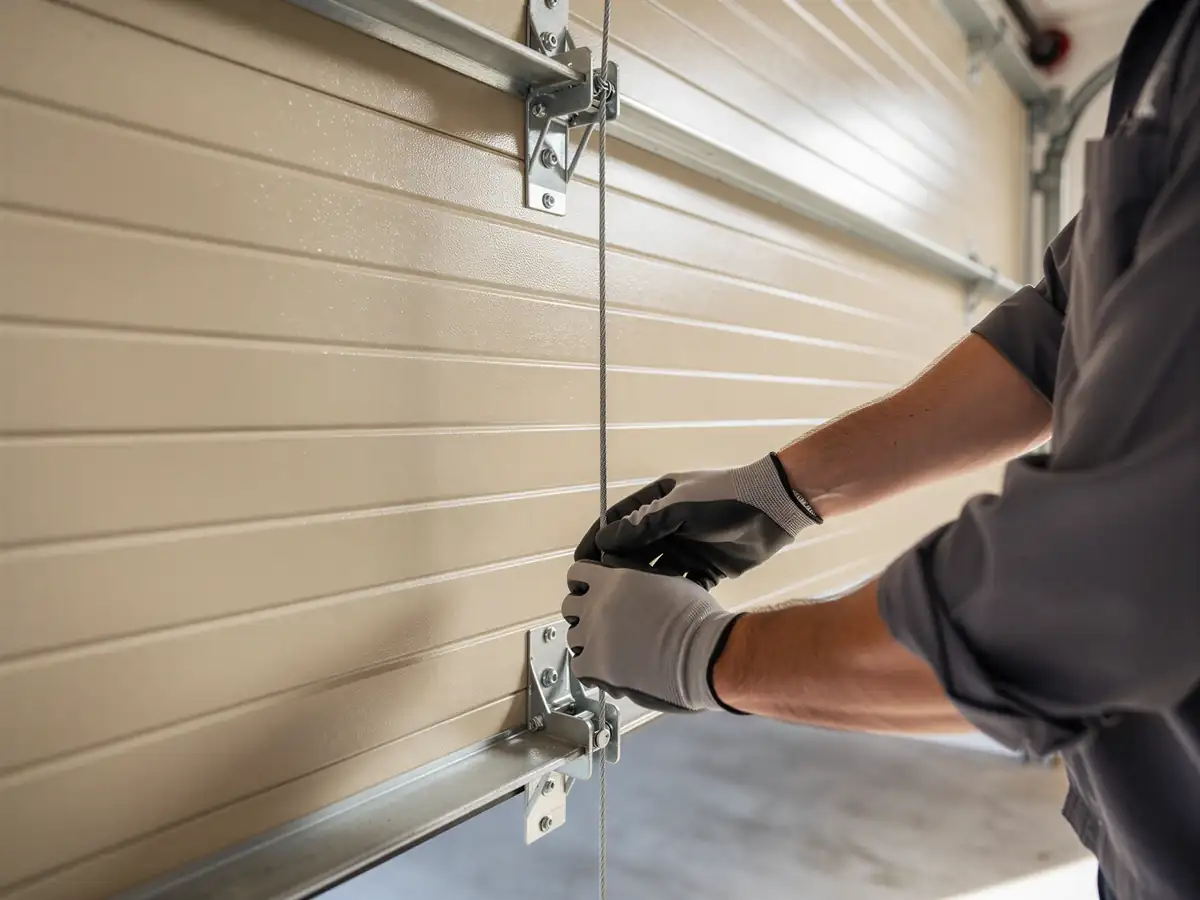
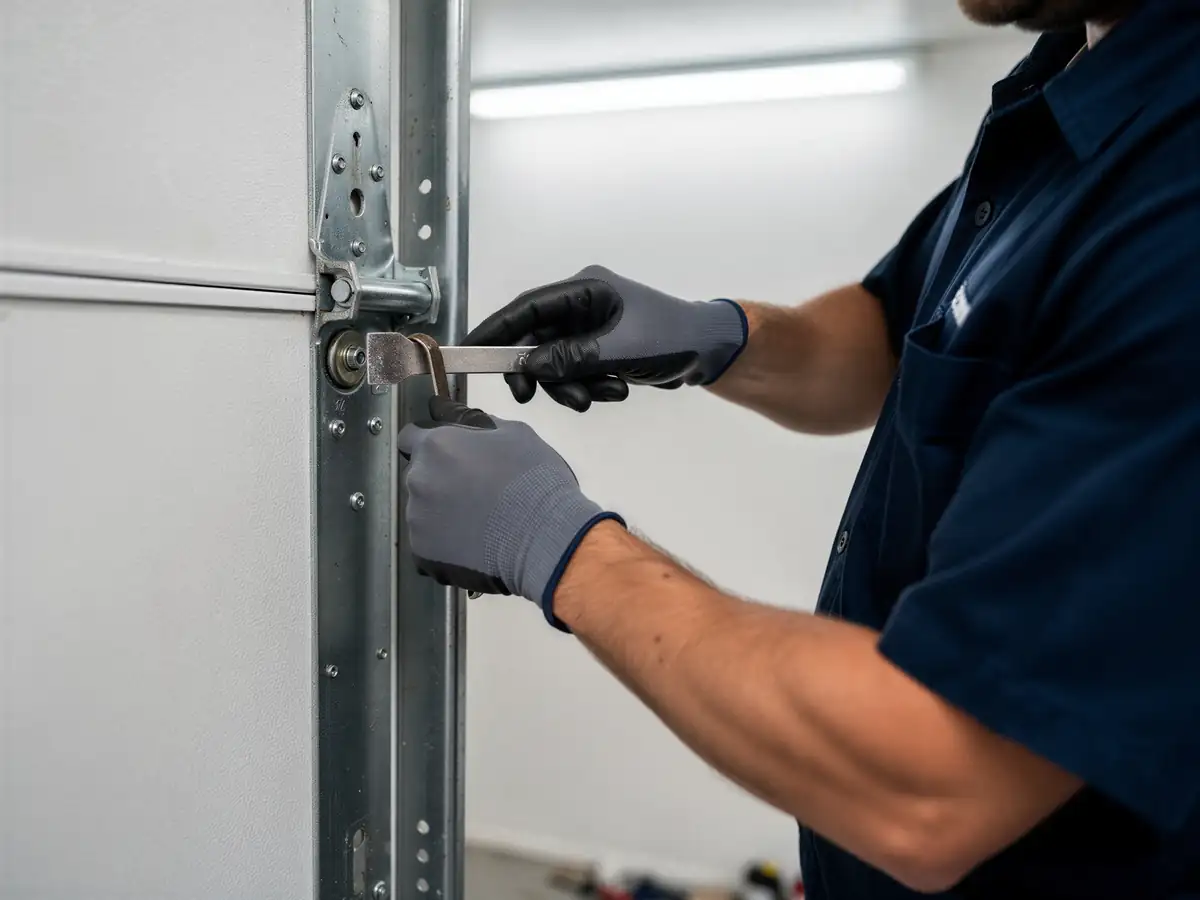
Because the trip out is real mileage, the truck gets loaded around what actually fails on doors from this era. Housing in the areas we cover around Dickinson was mostly built between 1978 and 1993, median right around 1984, so we carry torsion springs and drums sized for the hardware that shipped on doors from that stretch - not the lighter consumer-grade coils that show up on newer builds. We also carry the rollers and hinges that wear out fastest on doors pushing 30 to 45 years old, plus a stock of standard lift cables. What we don't carry is every proprietary opener board for every brand ever sold - if your opener is an odd or discontinued model, that part may need to be ordered, and we'll tell you that up front rather than pretend otherwise.
Why It Happens Here
The climate around here is mild rather than extreme, so you're not dealing with the freeze-thaw cycles that crack springs up north or the desert heat that breaks down lubricant fast. What wears doors out here is closer to simple age. With median construction around 1984 across the neighborhoods we cover near Dickinson, a lot of these doors are on their original torsion hardware or a first-generation replacement from the 90s - springs rated for a 10,000-cycle life that have long since been used up by a door opened twice a day for forty years. Humidity plays a role too, slowly rusting cable ends and pitting spring coils even without hard freezes to blame. It's steady wear, not storm damage, and it tends to announce itself the same way: a door that's gotten louder over months before the morning it doesn't open at all.