Can You Do This Yourself
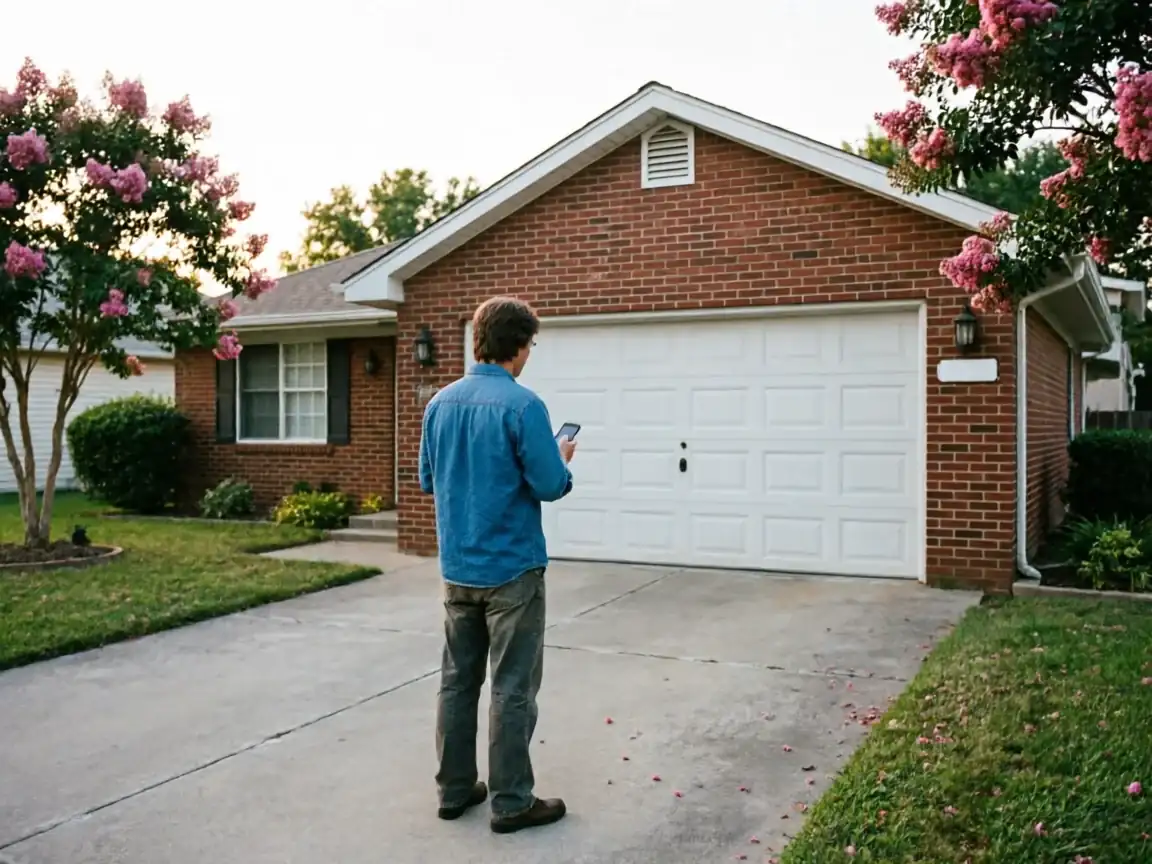
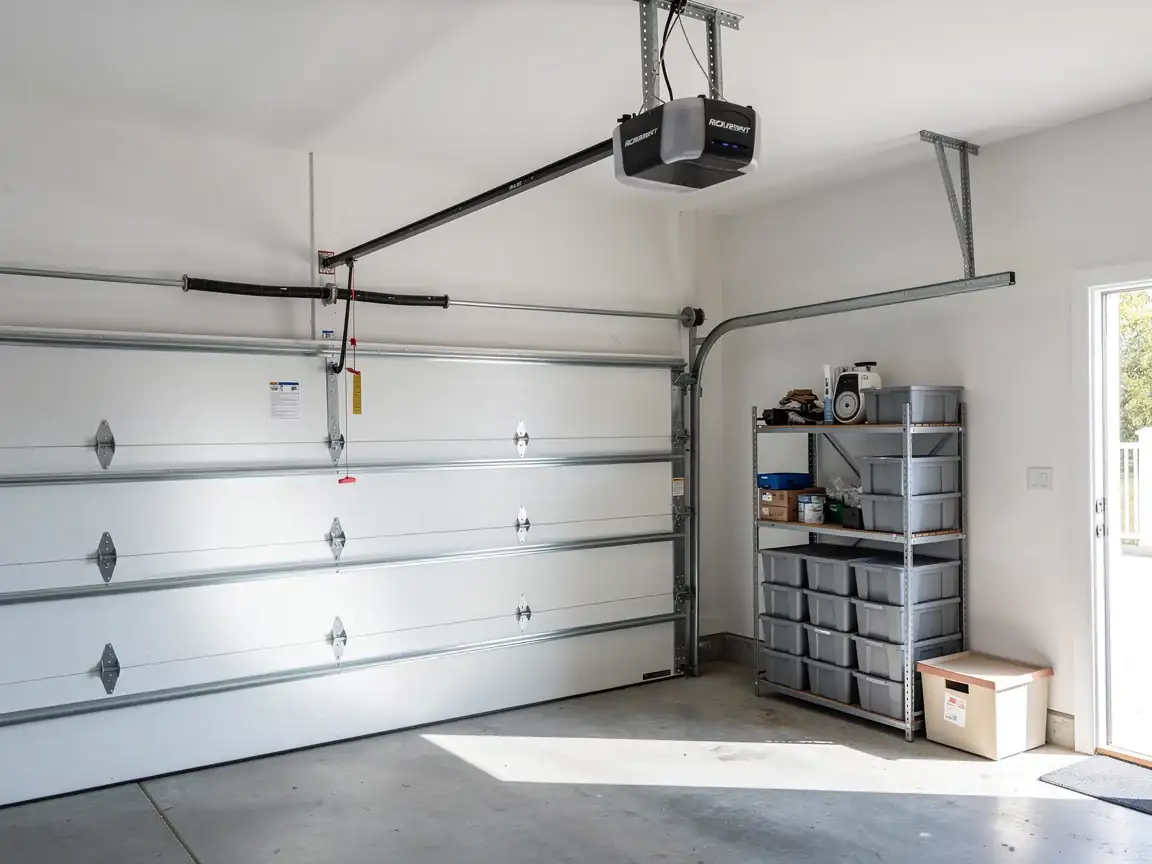
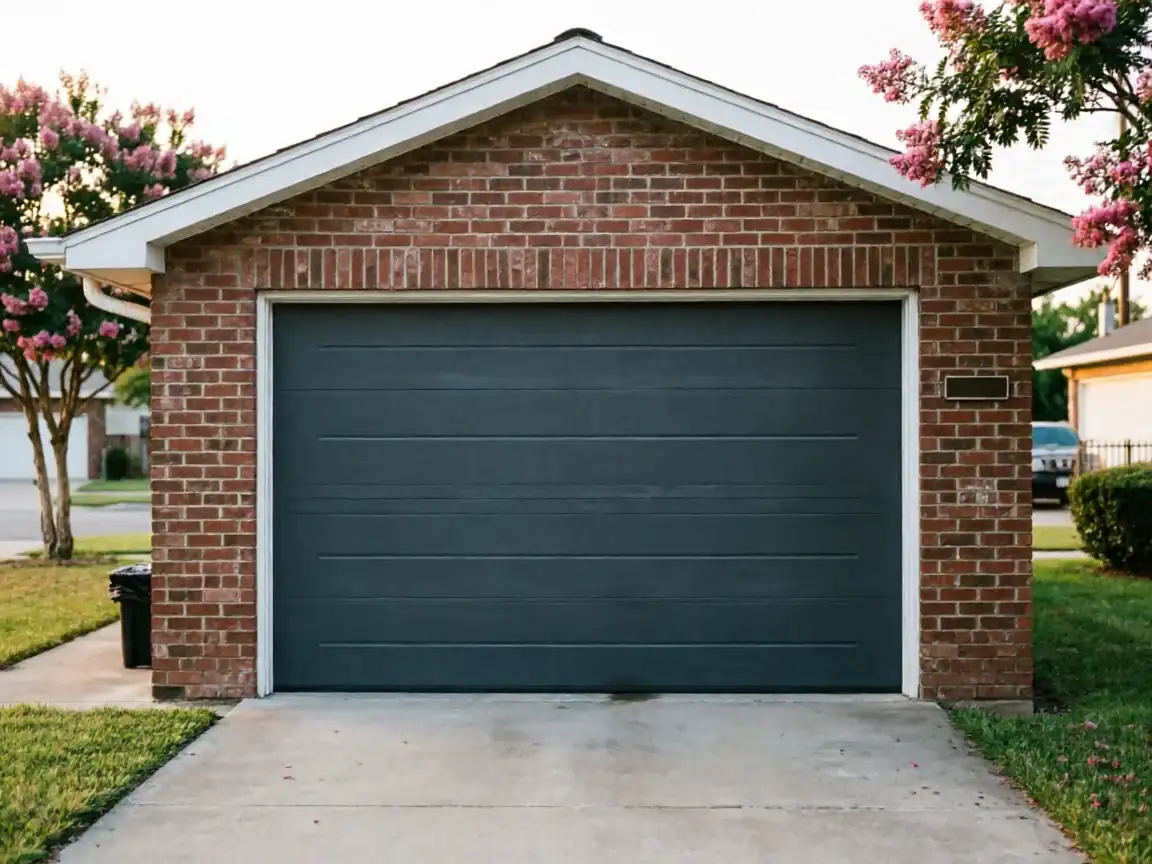
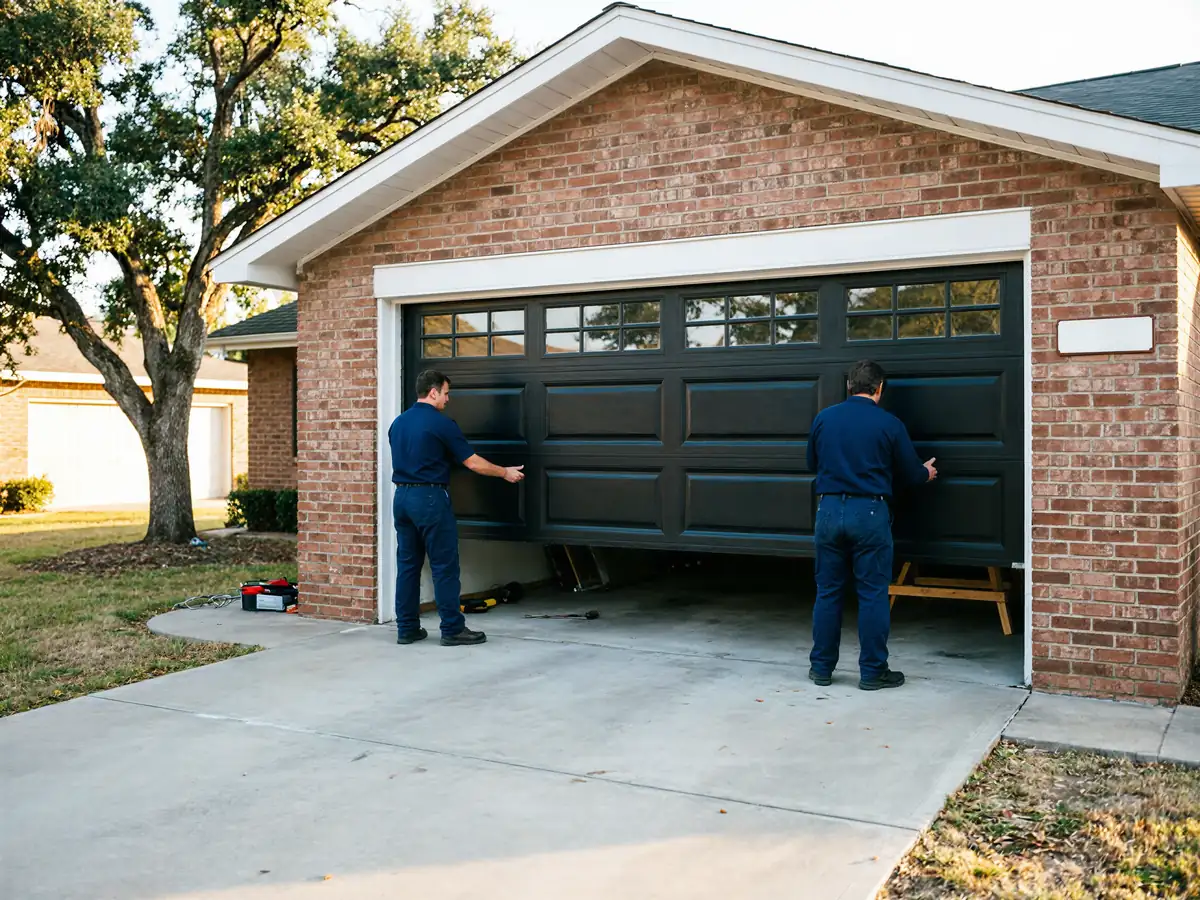
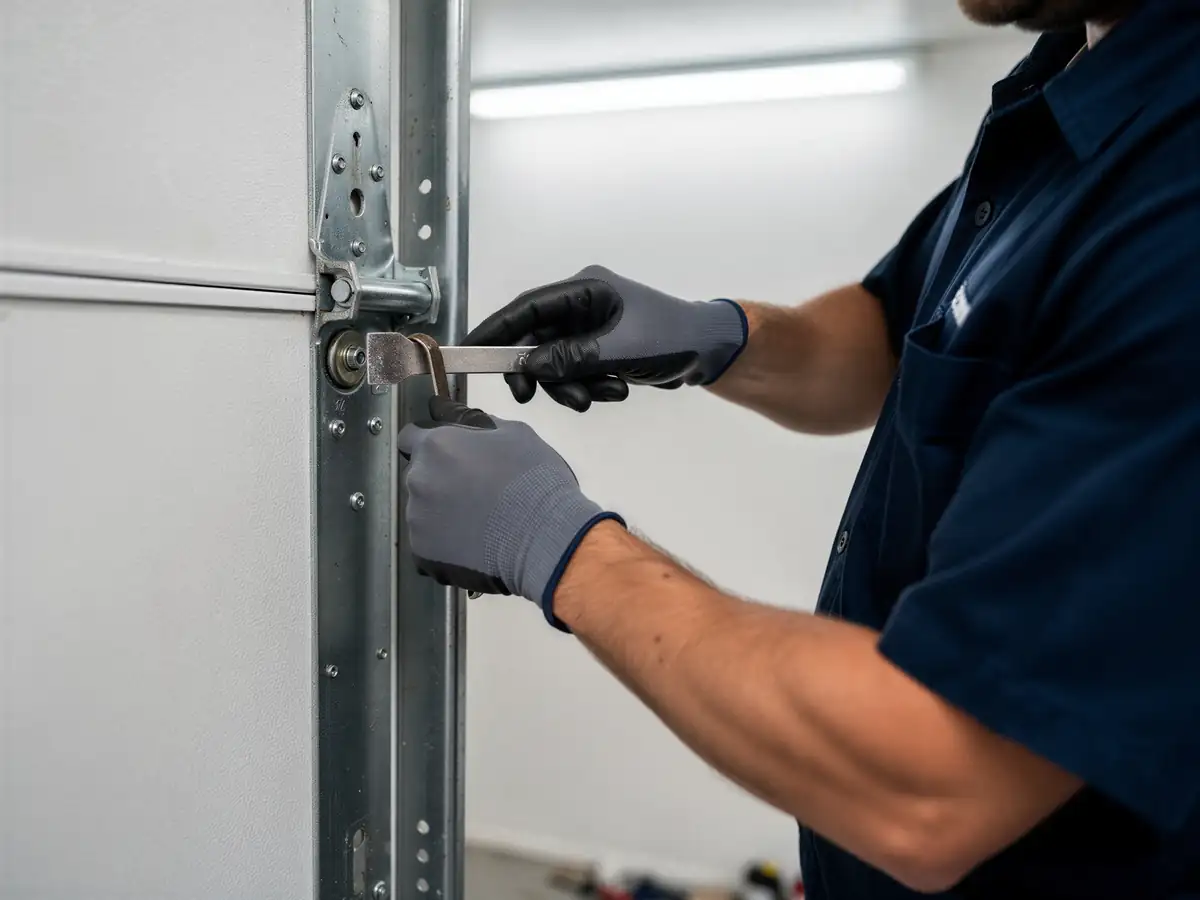
An off-track door is not a DIY job, and the build era here is exactly why. Most houses in this part of Dickinson went up between 1978 and 1993, with 1984 as the rough midpoint, which means you're usually looking at roller tracks and bracket hardware that are original to the house. Pulling on a door that's hopped the track can bend the bracket further, snap a cable under tension, or drop a panel on a foot. If the door came off because a roller cheese-wheeled out of the track, or because a cable jumped the drum, the fix needs the door supported on a jack while the track gets re-set and squared - that's two hands and a clamp, not a homeowner with a ladder. The one thing you can safely do yourself is stop. Don't run the opener again once a door is visibly off a rail; that's how a light re-align job turns into a bent track and a cracked panel. Pull the release cord so the opener isn't fighting the door, and leave it where it sits until a tech looks at it.
What Is on the Truck
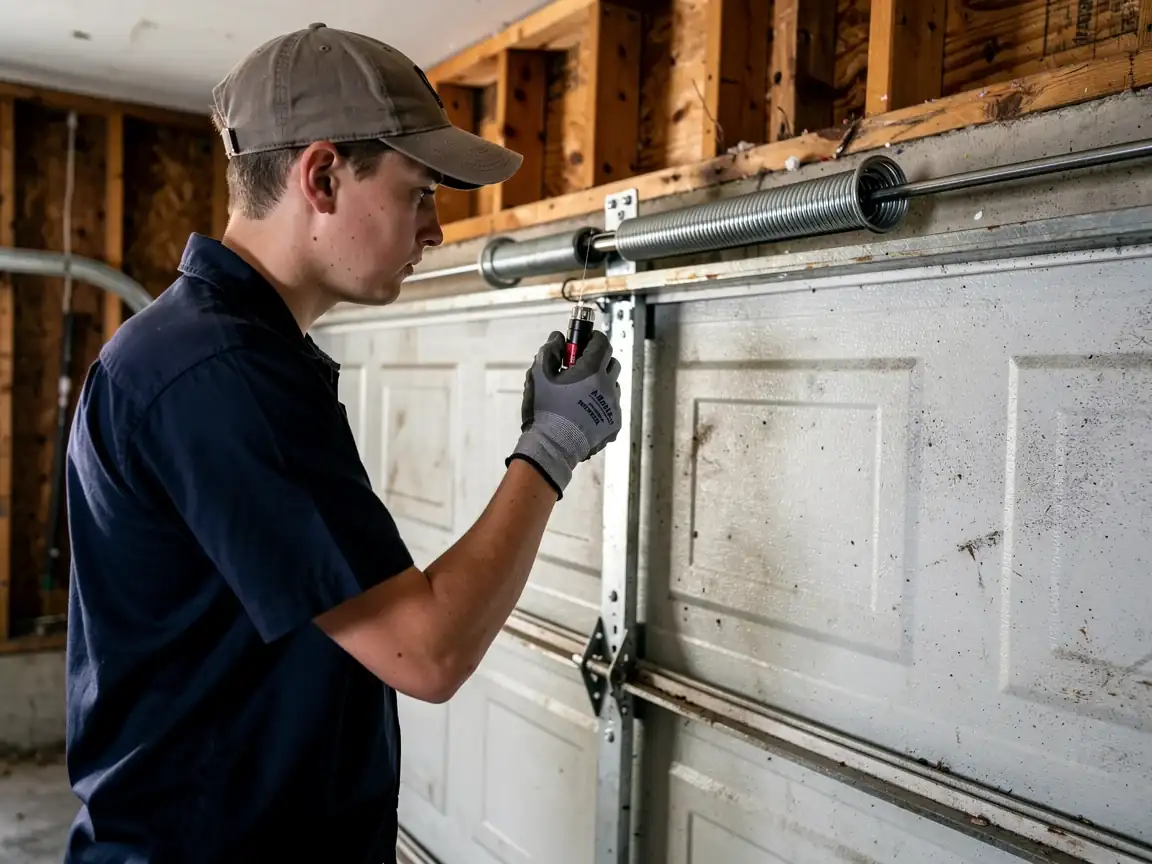
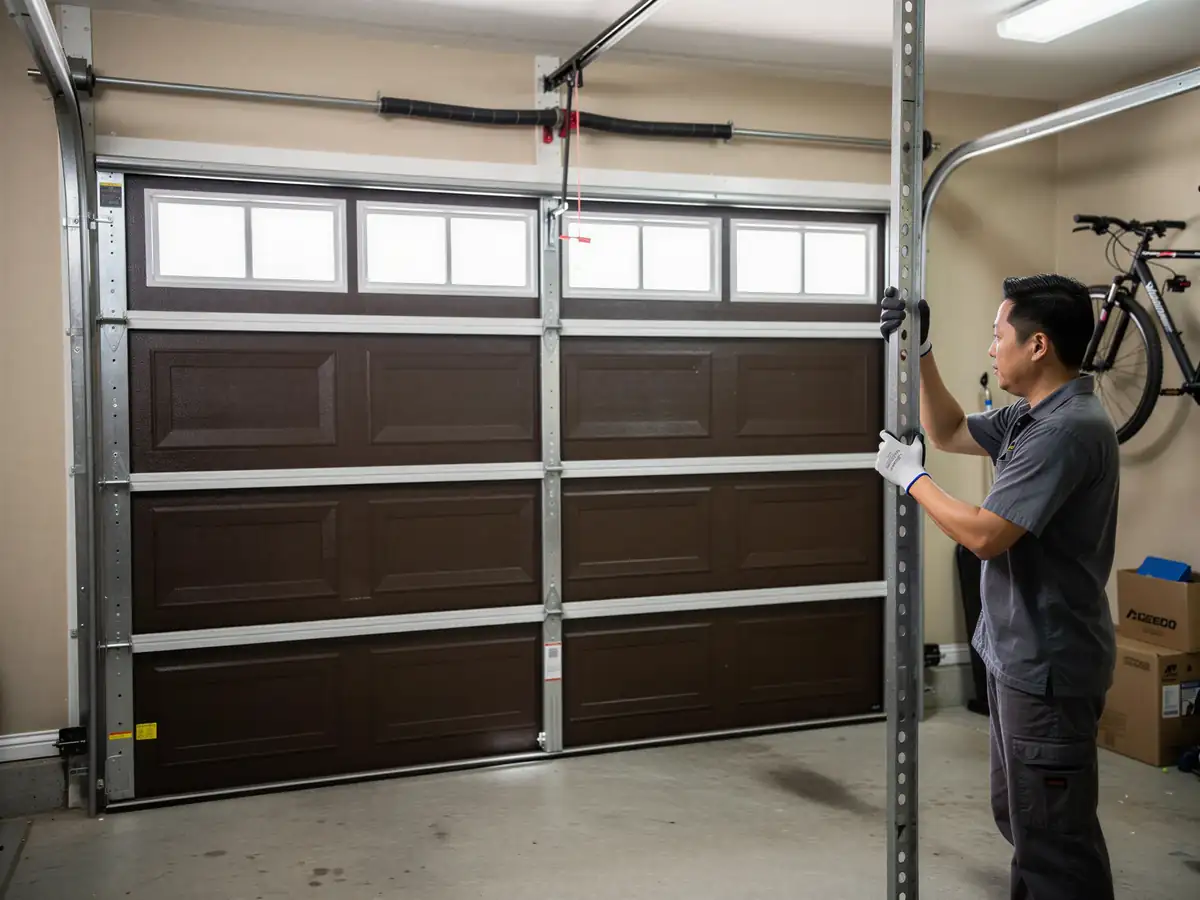
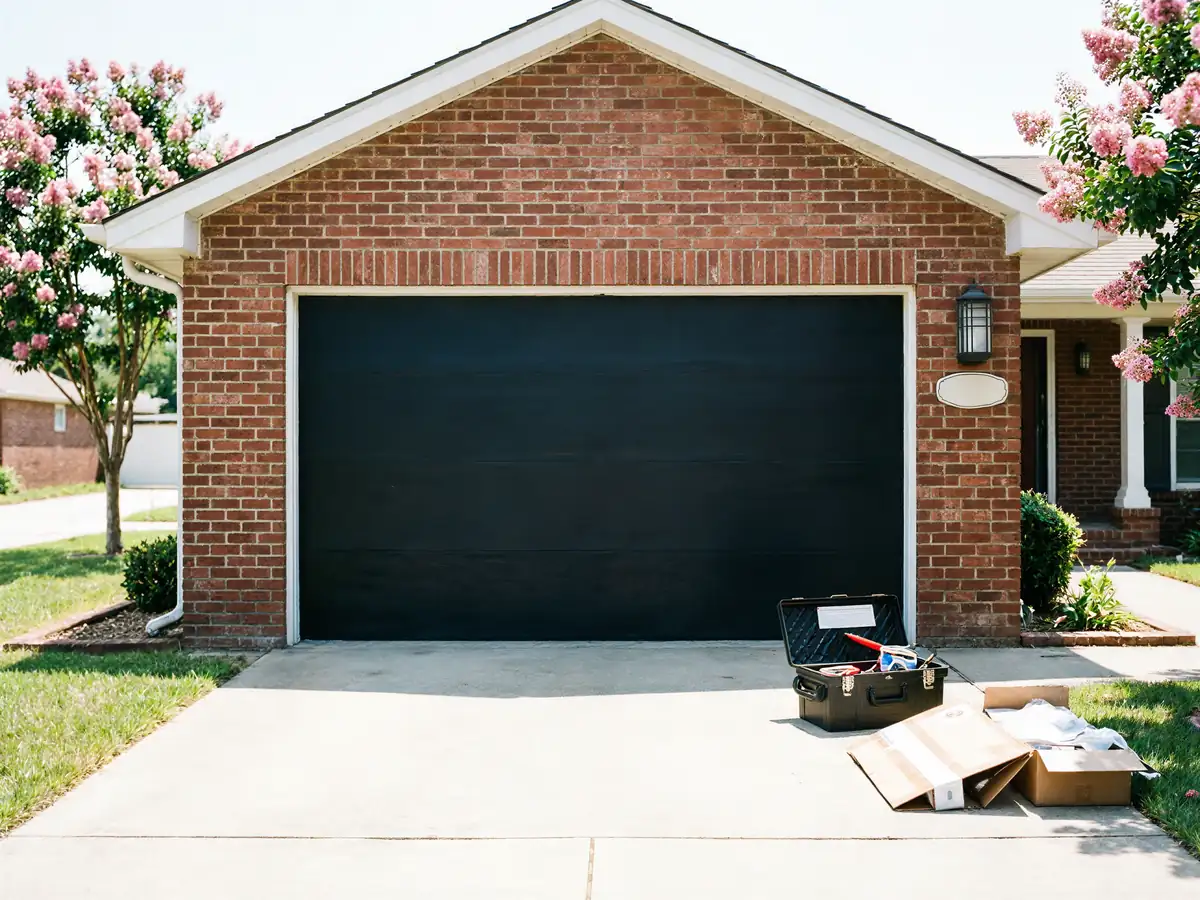
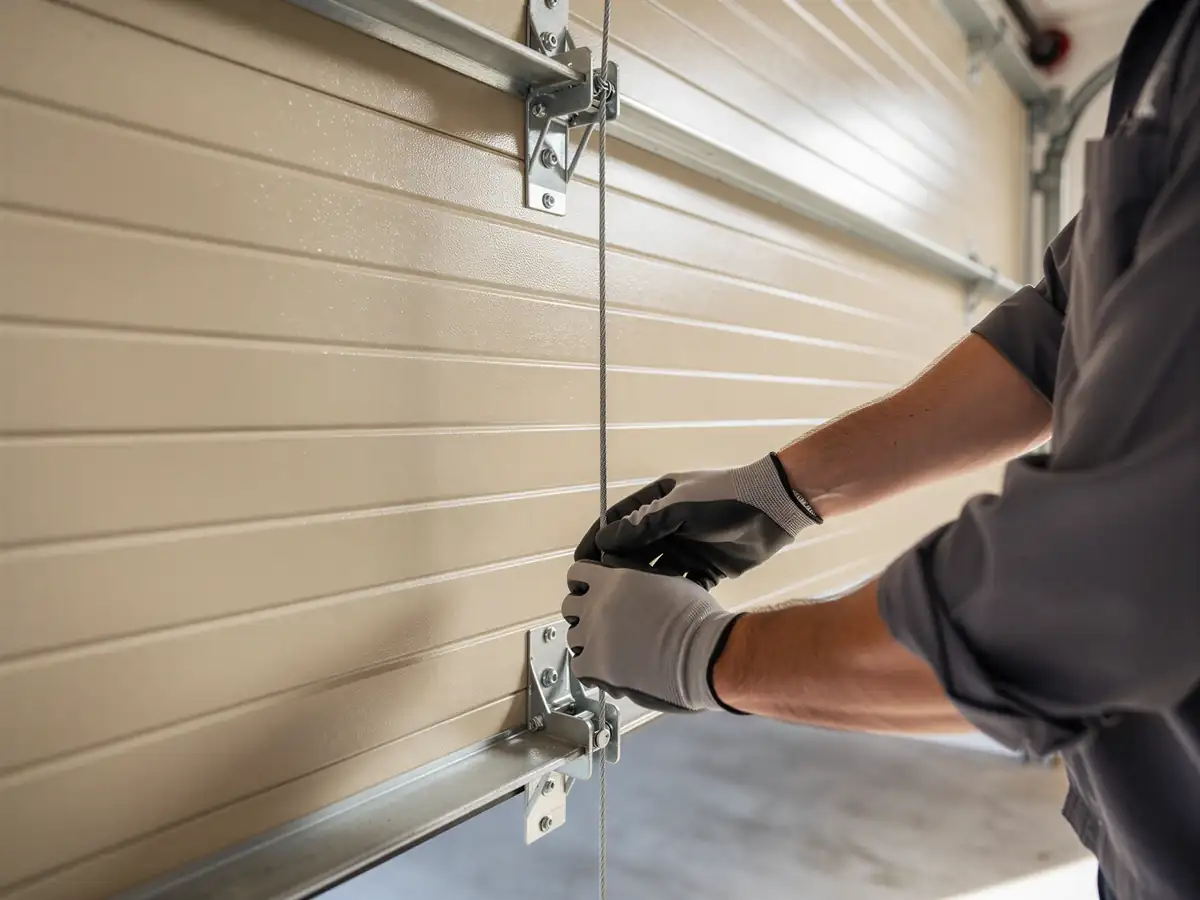
The truck comes from Galveston, 19 miles up the road, so what's loaded for a Dickinson call reflects the housing stock out here rather than the island's older construction. That means rollers and track sections sized for the torsion hardware common to houses built through the 1980s and early '90s, along with replacement brackets for the lighter-gauge track that era typically used. We also carry cable and drum stock sized to that same hardware generation, since an off-track door often means a frayed or jumped cable is the real cause, not just a bent rail. What doesn't always ride along is a replacement panel - panels are ordered to match the existing door, and that's a lead-time item rather than a same-visit part. If the track itself is bent past where it can be clamped back straight, that's a track replacement, not a realignment, and it's worth saying plainly so you're not expecting a five-minute fix.
Why It Happens Here
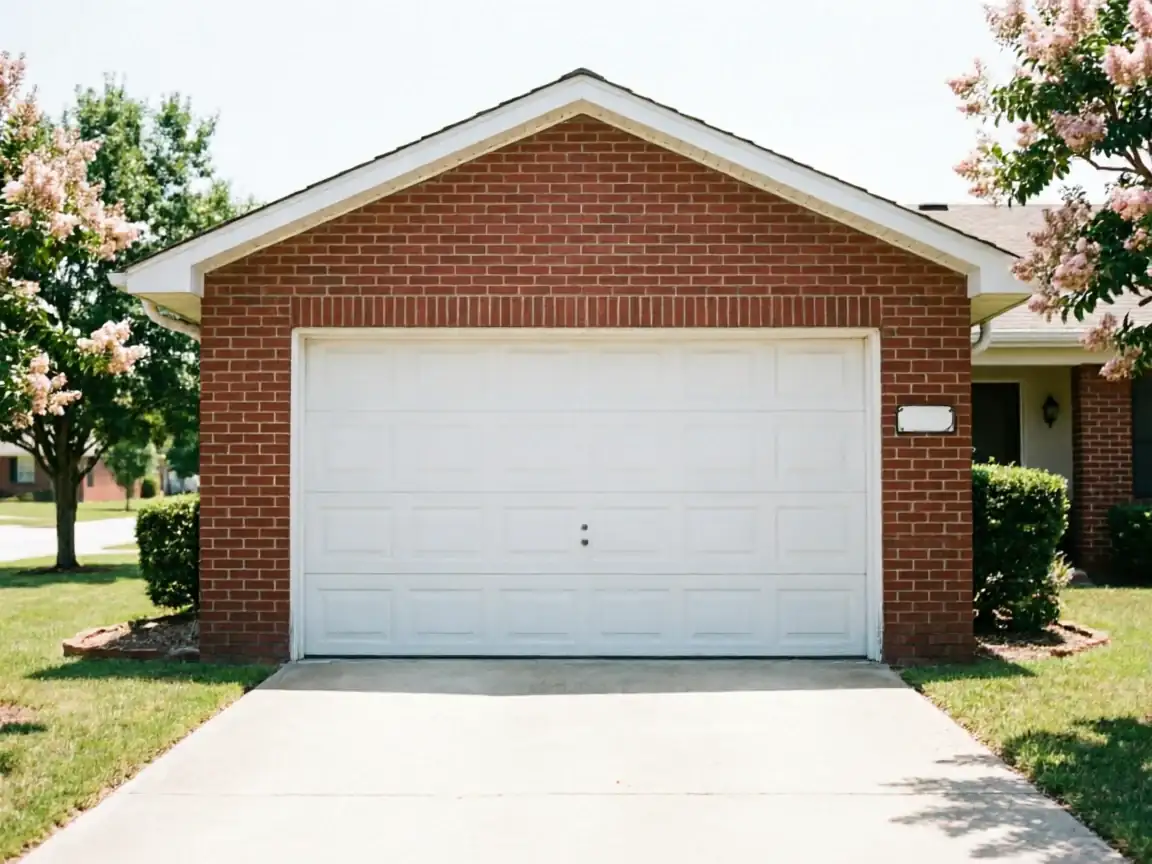
The housing stock answers most of the why. With torsion and track hardware across the area running from the late 1970s through the early '90s, a lot of these doors are working on original rollers and brackets pushing four decades old, and worn rollers are the single most common reason a door jumps its track. The region's mild temperate climate means it's not freeze-thaw cycling that loosens the hardware the way it does further north - here it's closer to steady heat and humidity working on grease and plastic rollers over time, plus the ordinary wear of thousands of open-close cycles on a track that was never replaced. With roughly 7,748 households in the area and a median income of $82,018, a lot of these are owner-occupied houses where the garage door hardware has simply never been touched since the house was built.