Can You Do This Yourself
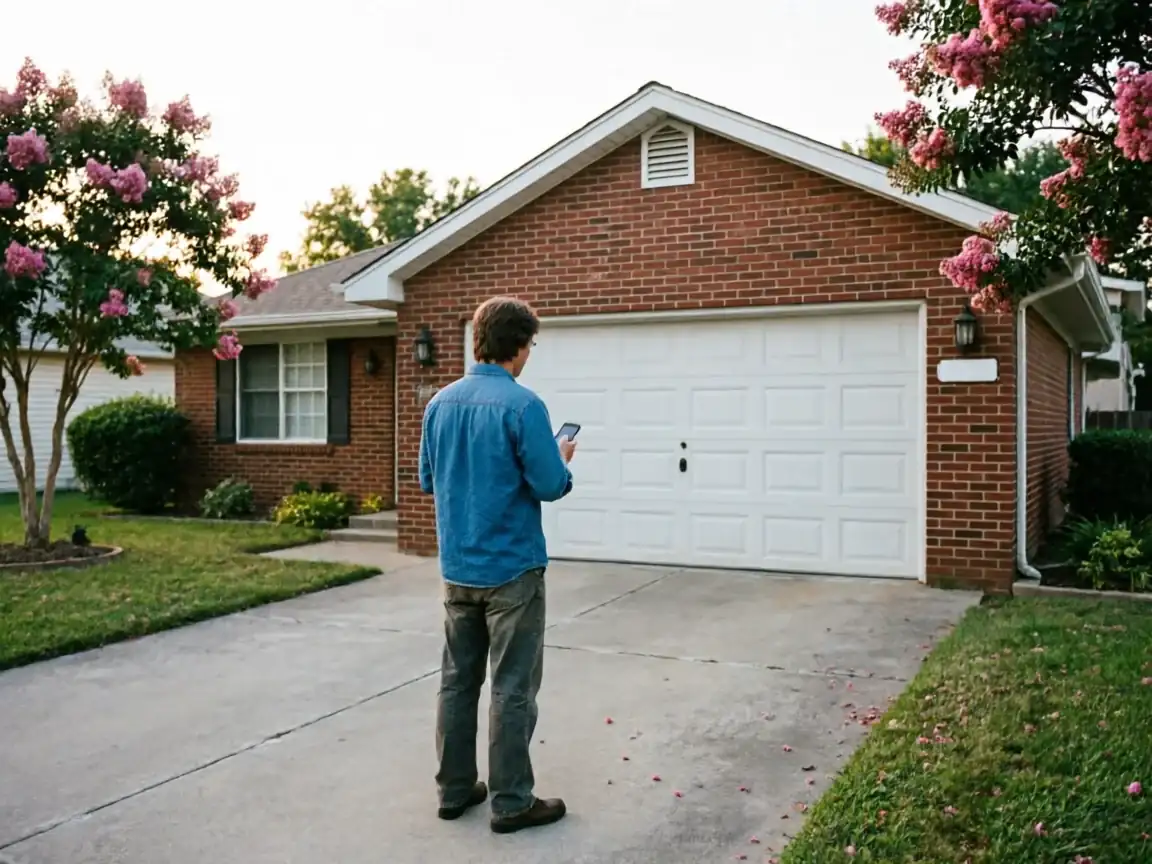
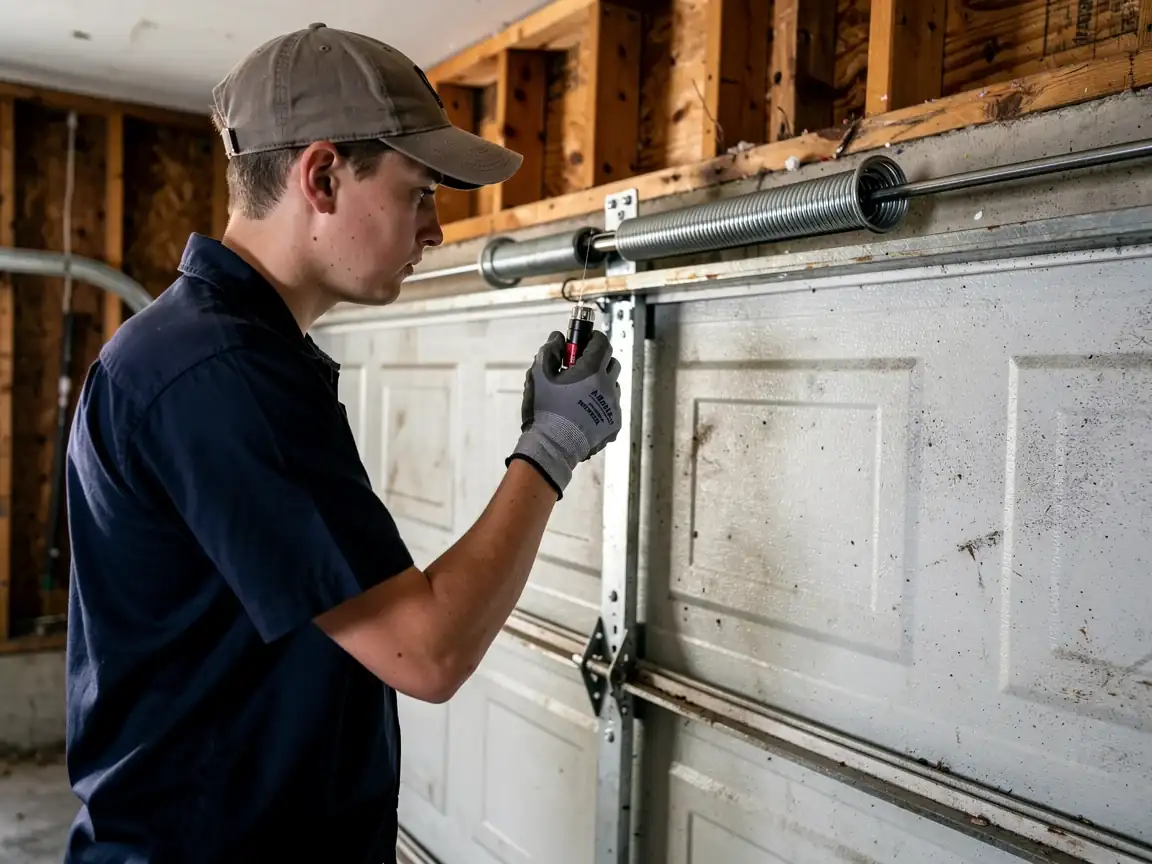
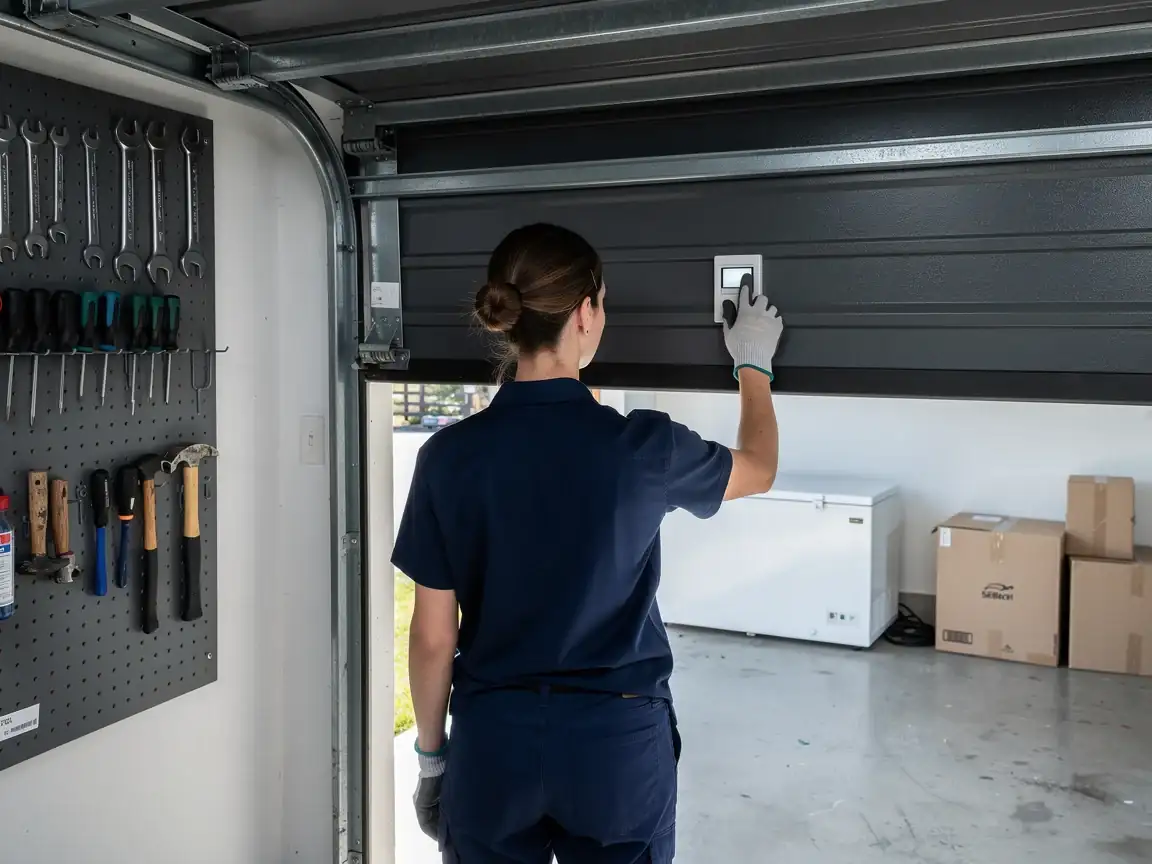
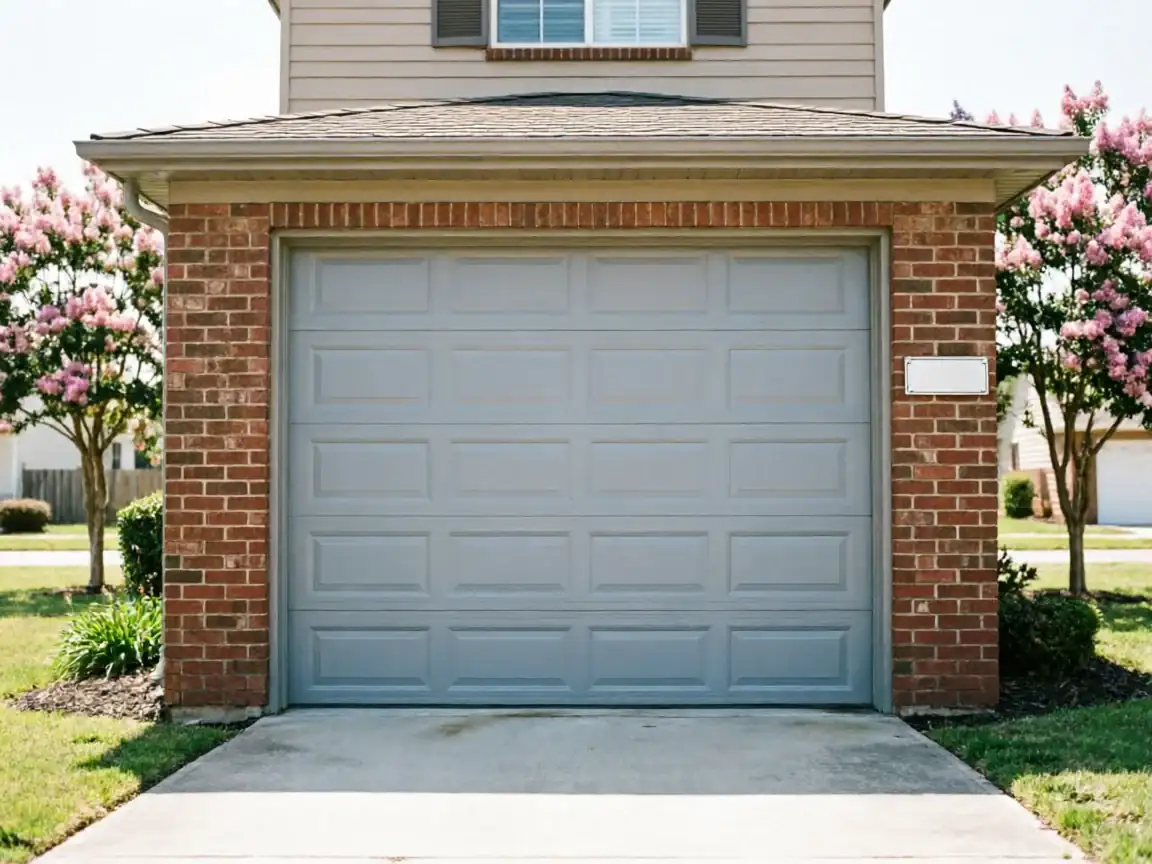
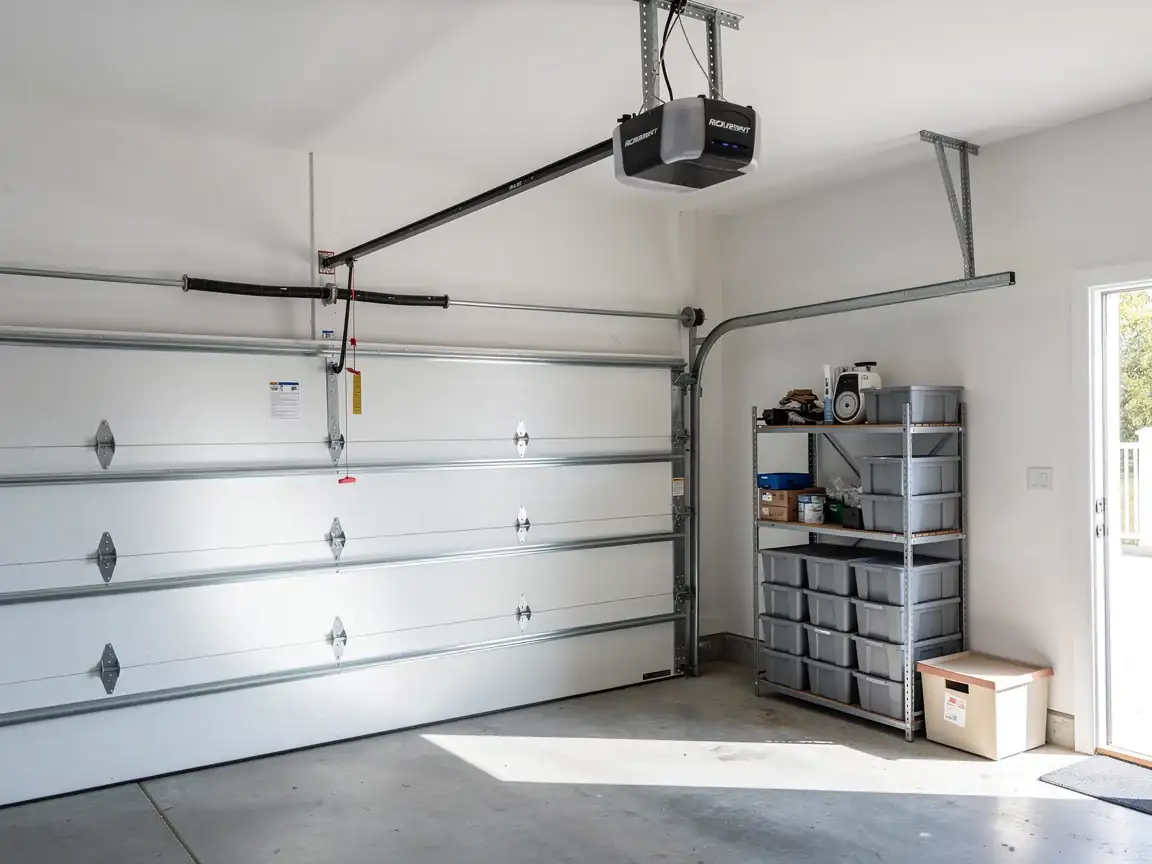
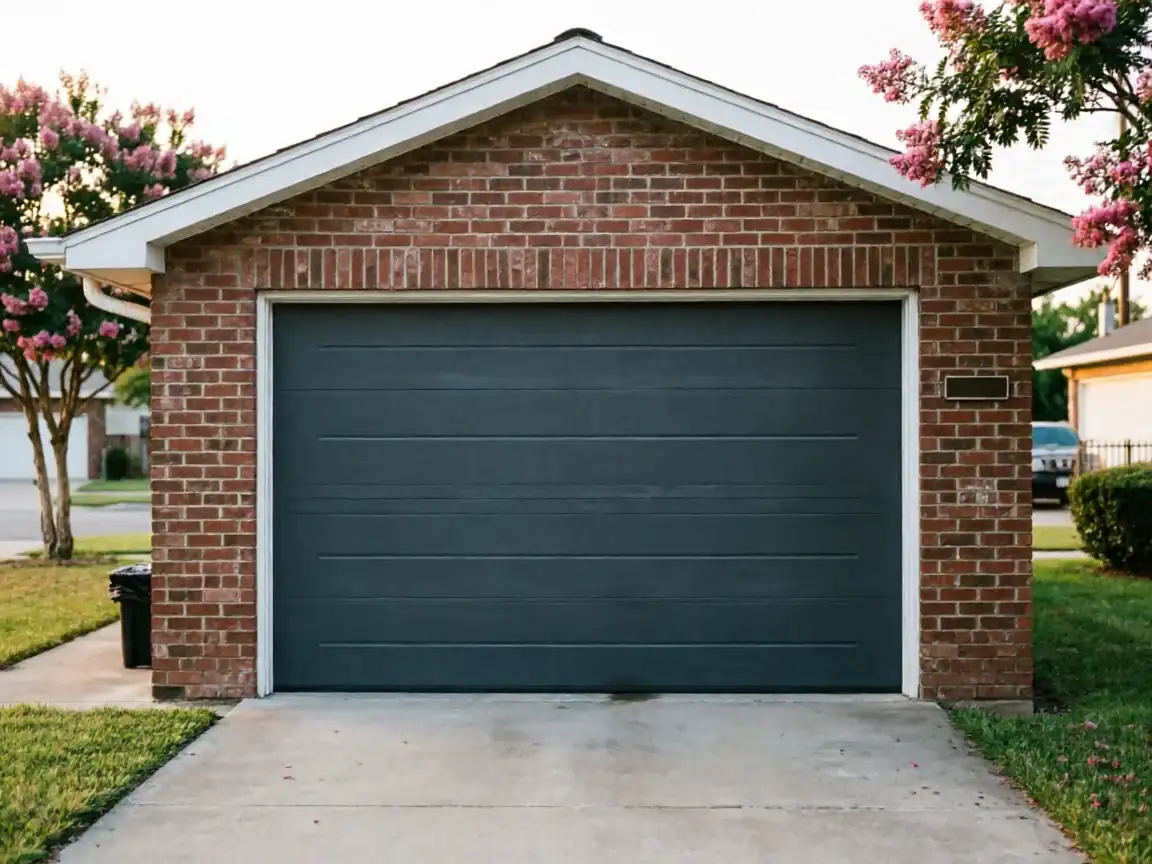
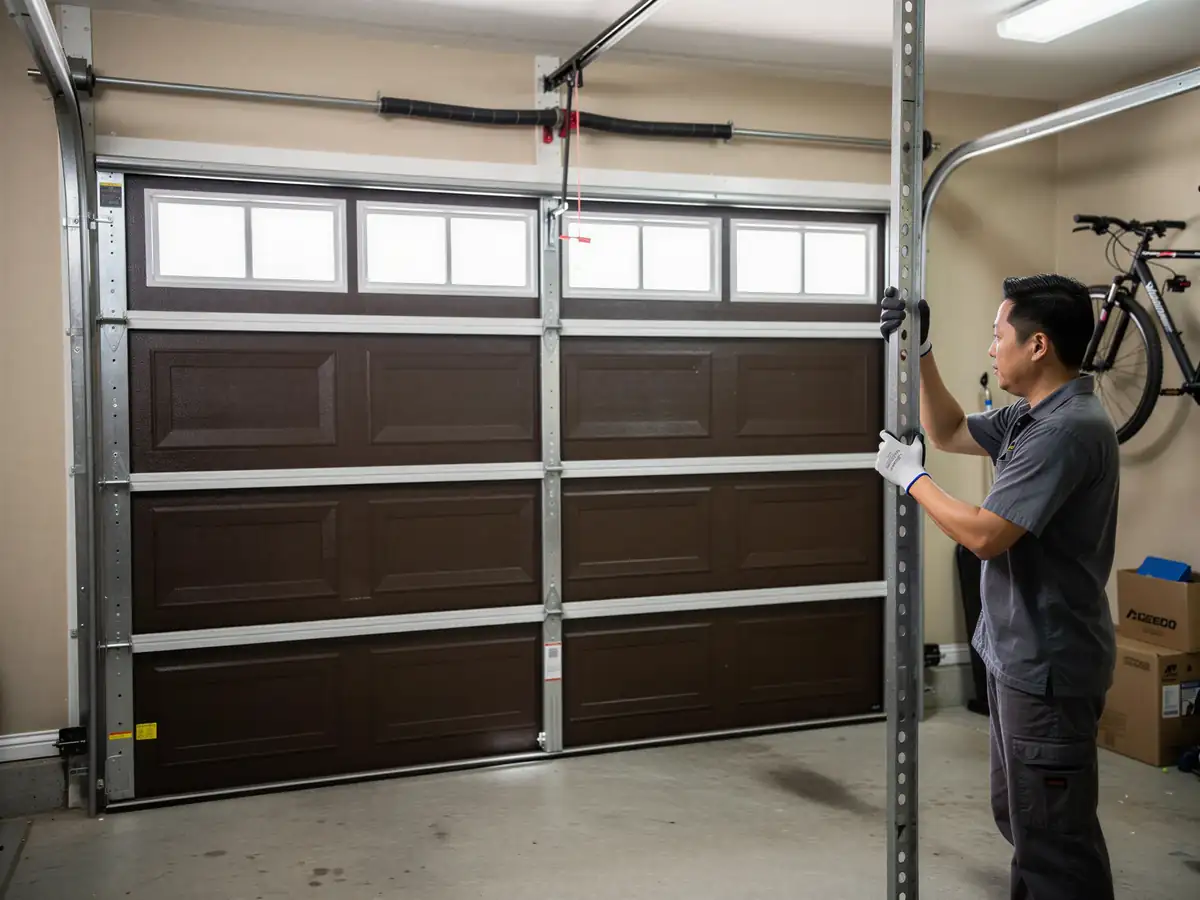
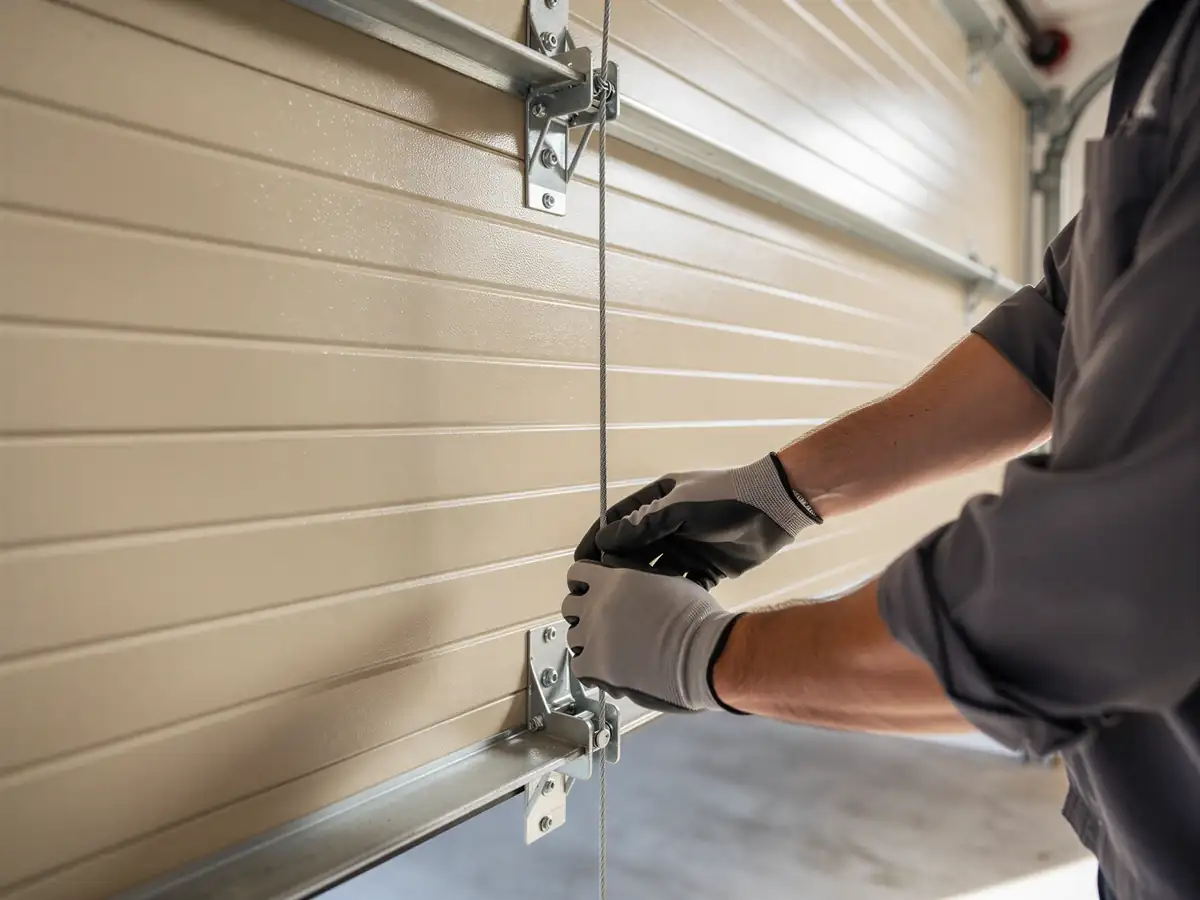
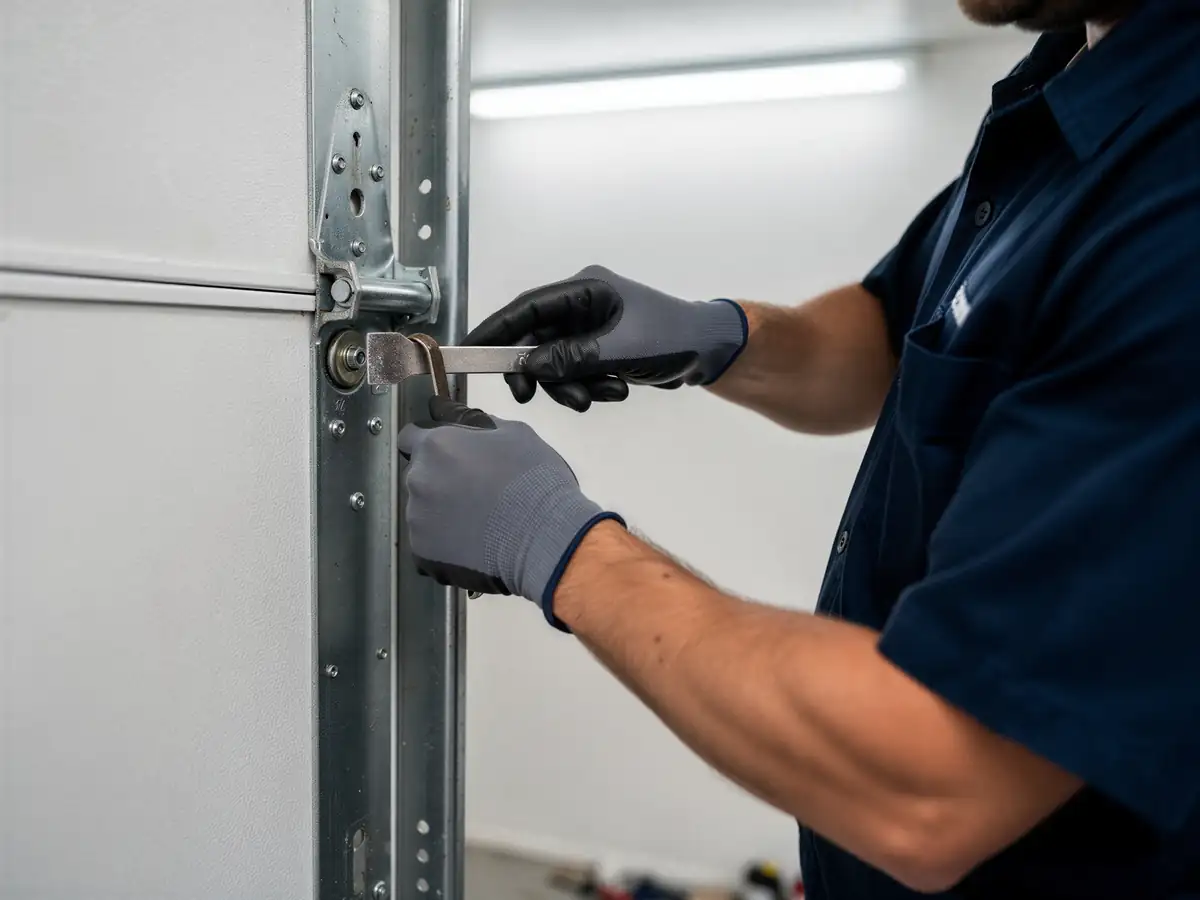
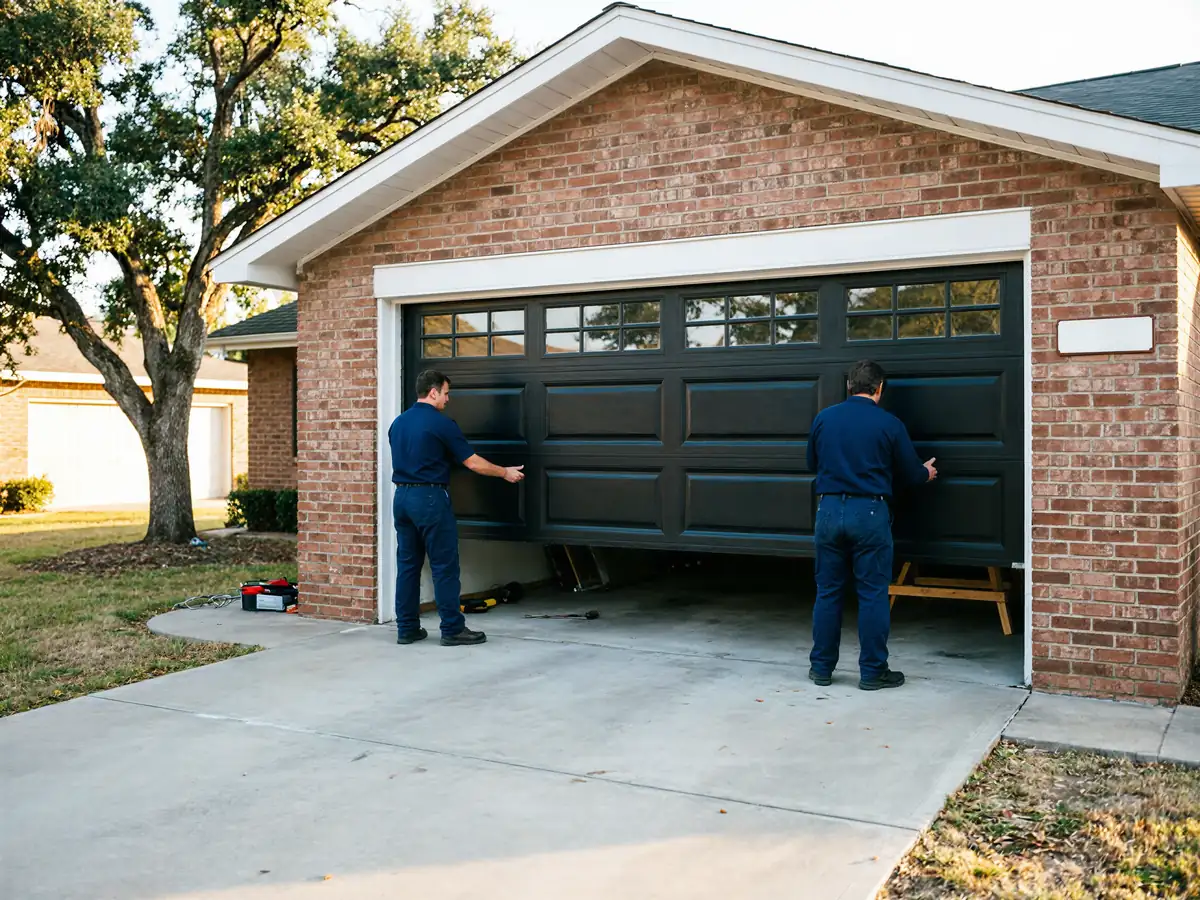
A dented or cracked panel on a door from the 1984 build era is usually a steel sectional door, two or three car-width sections stacked, bolted at the hinge points to the sections above and below it. Swapping one section out looks simple from the driveway. It isn't, once the door is under spring tension. You can unbolt the hinges on an unloaded section, but the moment you pull the bad panel the whole door's balance shifts, and a double-car door from that era usually runs on torsion springs rated for its original weight, not whatever weight the replacement panel happens to be. If the springs aren't matched afterward the opener will strain, and on an older unit the gears go first. We'll walk a homeowner through checking for obvious things, loose hinge bolts, a bent track rail, a roller that's jumped its channel, because sometimes that's all it is. But pulling and resetting a structural panel on a door this old, where the matching replacement section may not be the exact gauge or profile the manufacturer used in 1984, is not a weekend job. Get it wrong and you've got a door that won't seat square in the opening, which wears the weatherstrip and the seals faster than the dent ever would have.
What Is on the Truck
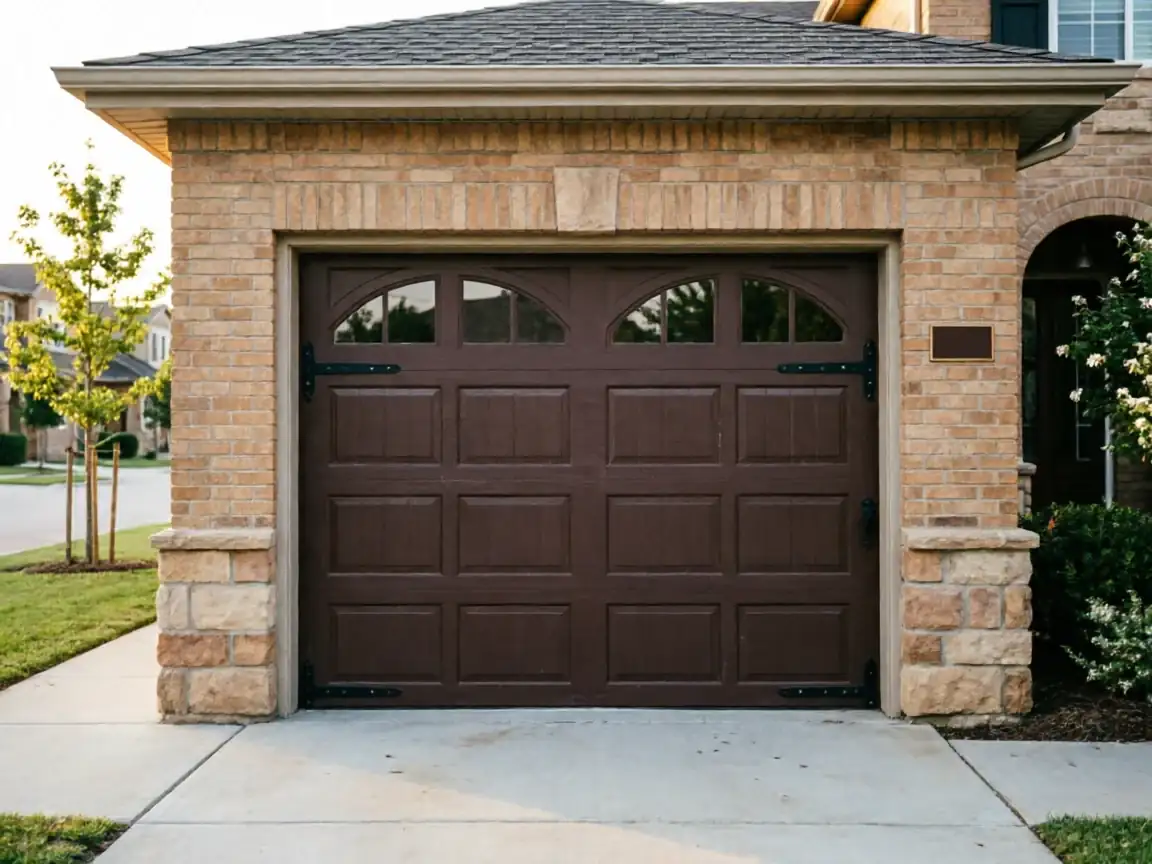
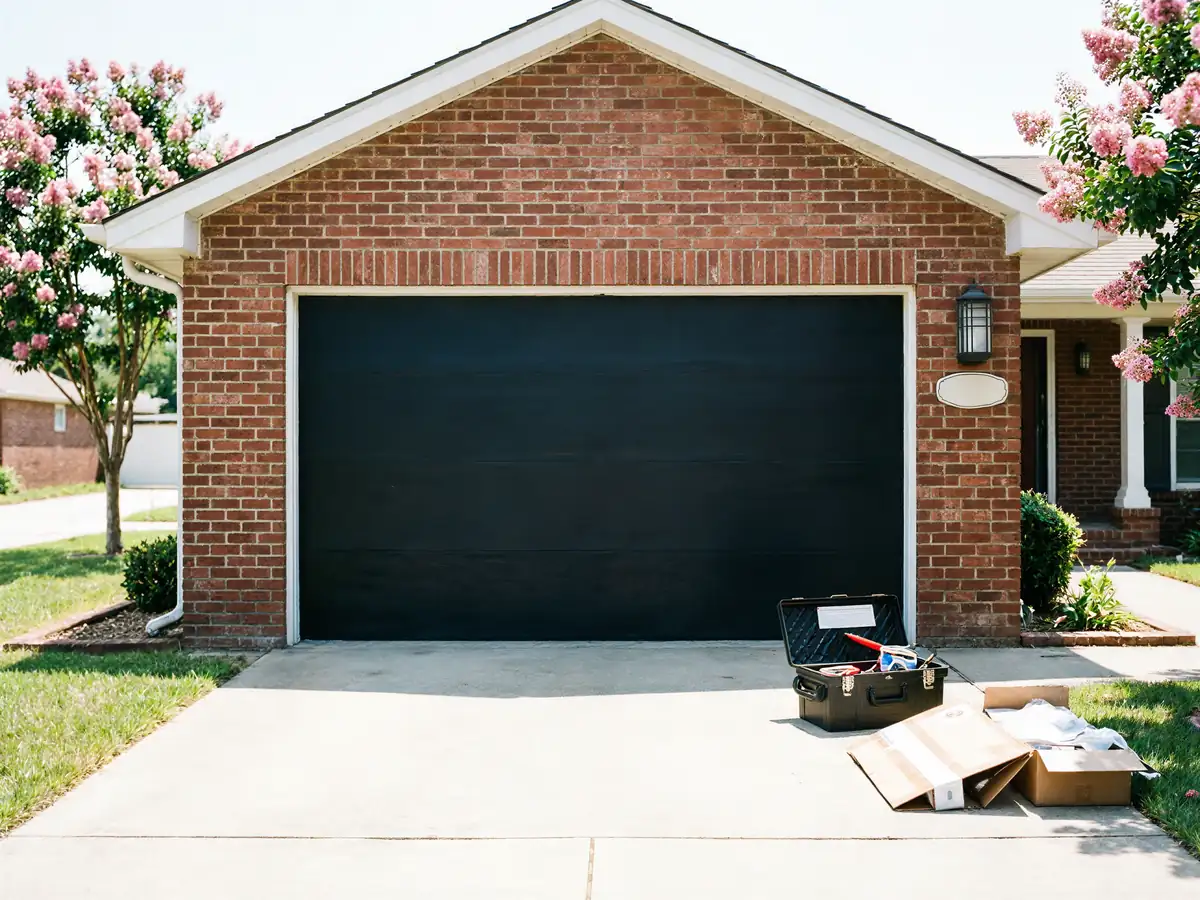
Because most of the service area, Dickinson included, is sitting on 1980s and 90s housing stock, we carry raised-panel steel sections sized for that era's common door widths rather than stocking only current builder-grade profiles. A lot of these doors are still on their original rolled-steel hardware, non-insulated, single layer, which is lighter than today's doors and takes a panel swap without needing new springs in most cases. We bring hinge sets, replacement rollers, and both long and short stem hardware since a house built in the mid-80s can have either depending on who installed the door. What we don't carry is every discontinued panel profile ever made. If a door's original manufacturer stopped producing that exact ribbed pattern years ago, we'll tell you straight that the closest match will be a visible color or texture difference on one section, and let you decide if that's acceptable or if it's time to talk full-door replacement instead.
Why It Happens Here
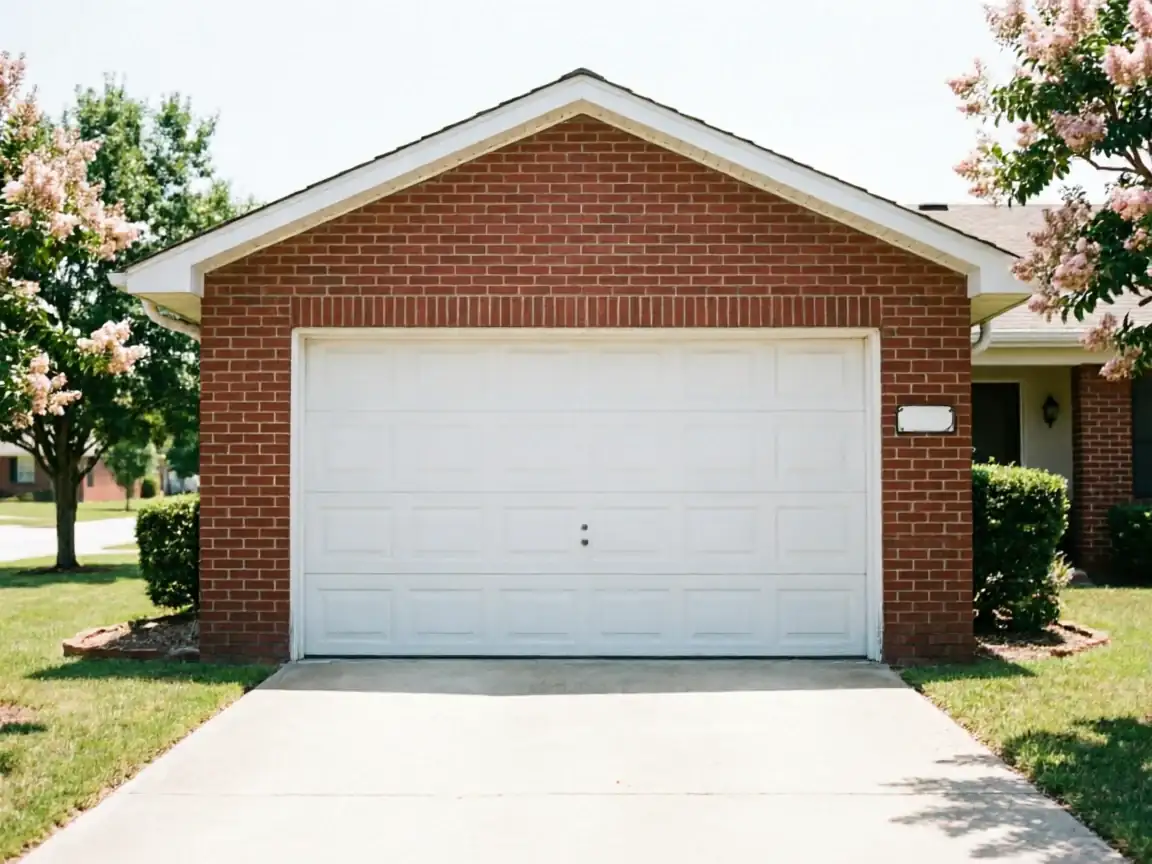
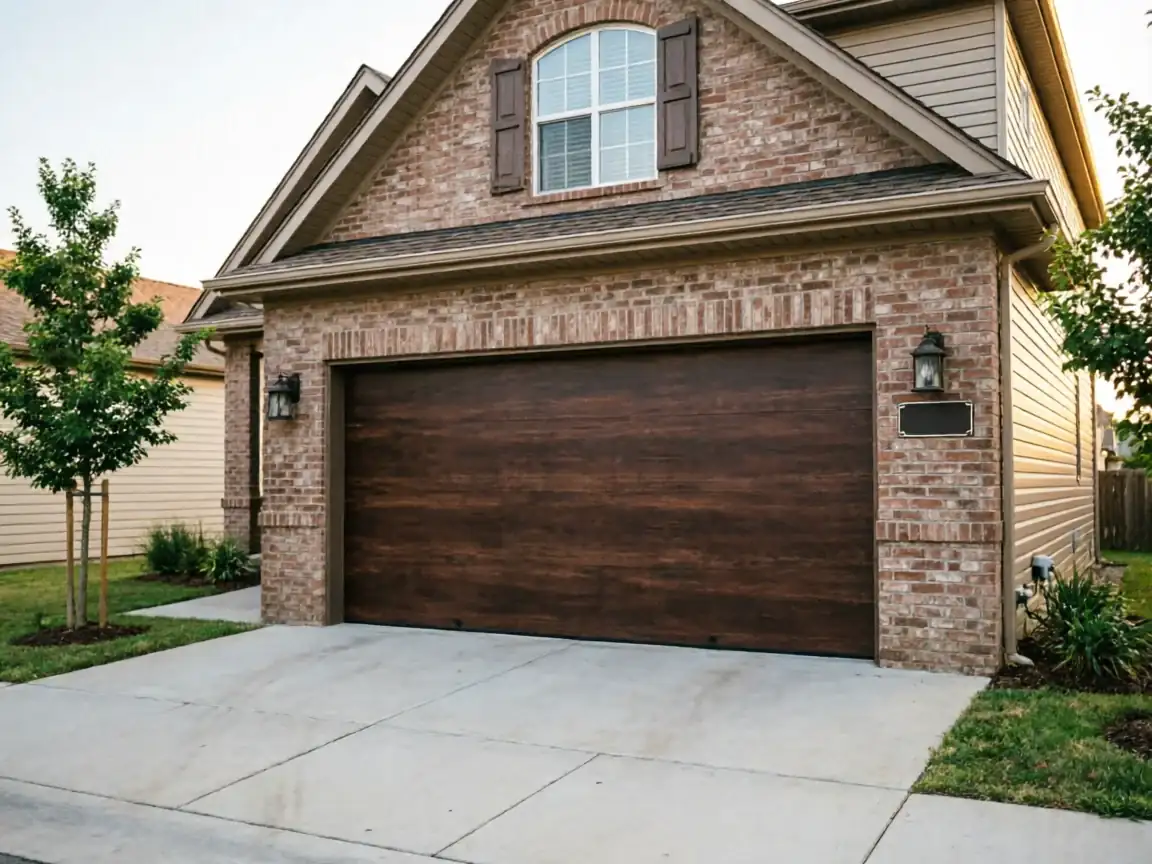
Dickinson's housing mostly traces to the same wave the rest of the area was built in, the early-to-mid 1980s, which puts a lot of these garage doors at roughly forty years old. The region's climate here runs mild temperate rather than seeing hard freezes or heavy hail, so the panel damage we see on doors this age is rarely weather-driven. It's wear: thinner steel gauge than current doors use, hinges that have cycled tens of thousands of times, and rollers that were never swapped out since the house was built. A ding from a backed-into bumper or a basketball hits harder on a panel that's already thinned from decades of flexing than it would on a new door. None of that is unique to one street, but it is specific to a neighborhood built in that window, and it's why we check the whole section, not just the dent, before we quote the fix.