How We Fix It
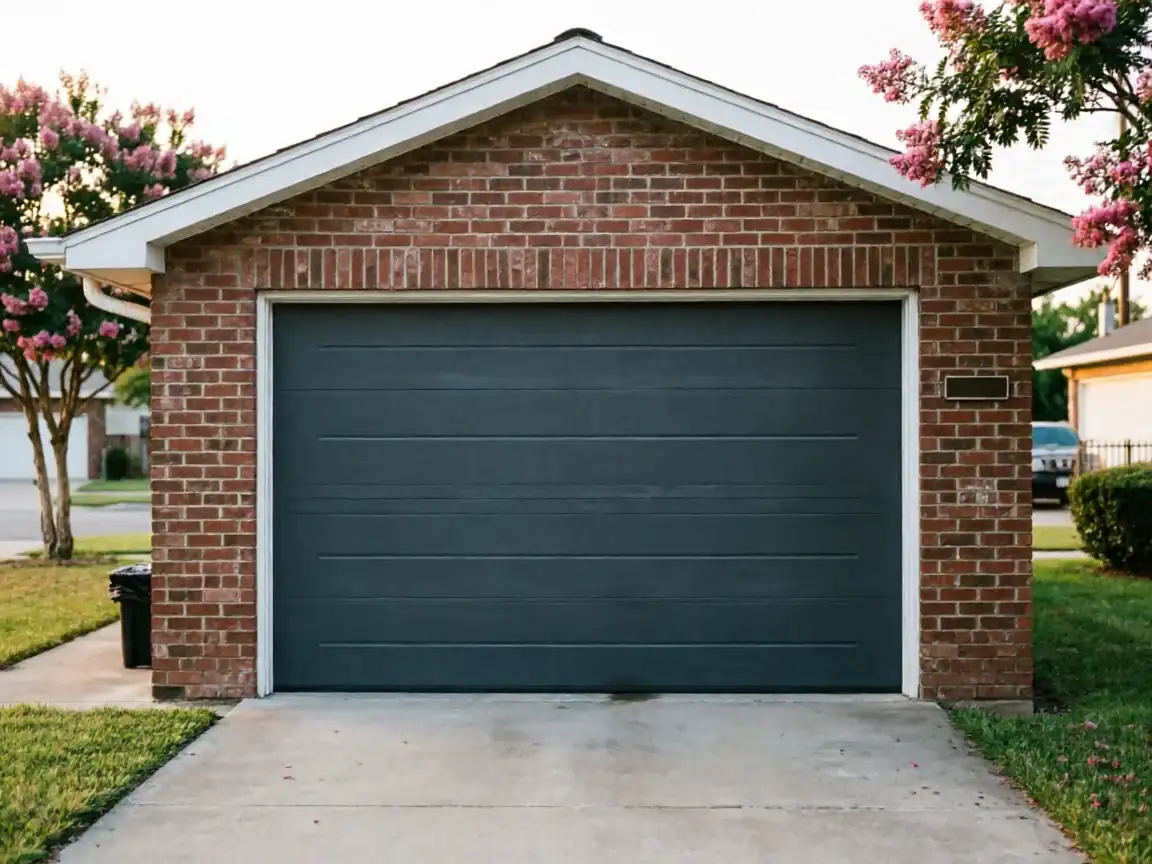
Most of the service area we cover out of Galveston runs 1978 to 1993 construction, with a median build year of 1984. Santa Fe sits on the newer end of that range, with a median year built of 1991. That gap matters more than it sounds. Openings framed in the late 80s and early 90s tend to follow a narrower set of standard widths than the mixed stock from the late 70s, so we're usually measuring against a more predictable baseline before we ever pull a door off the truck.
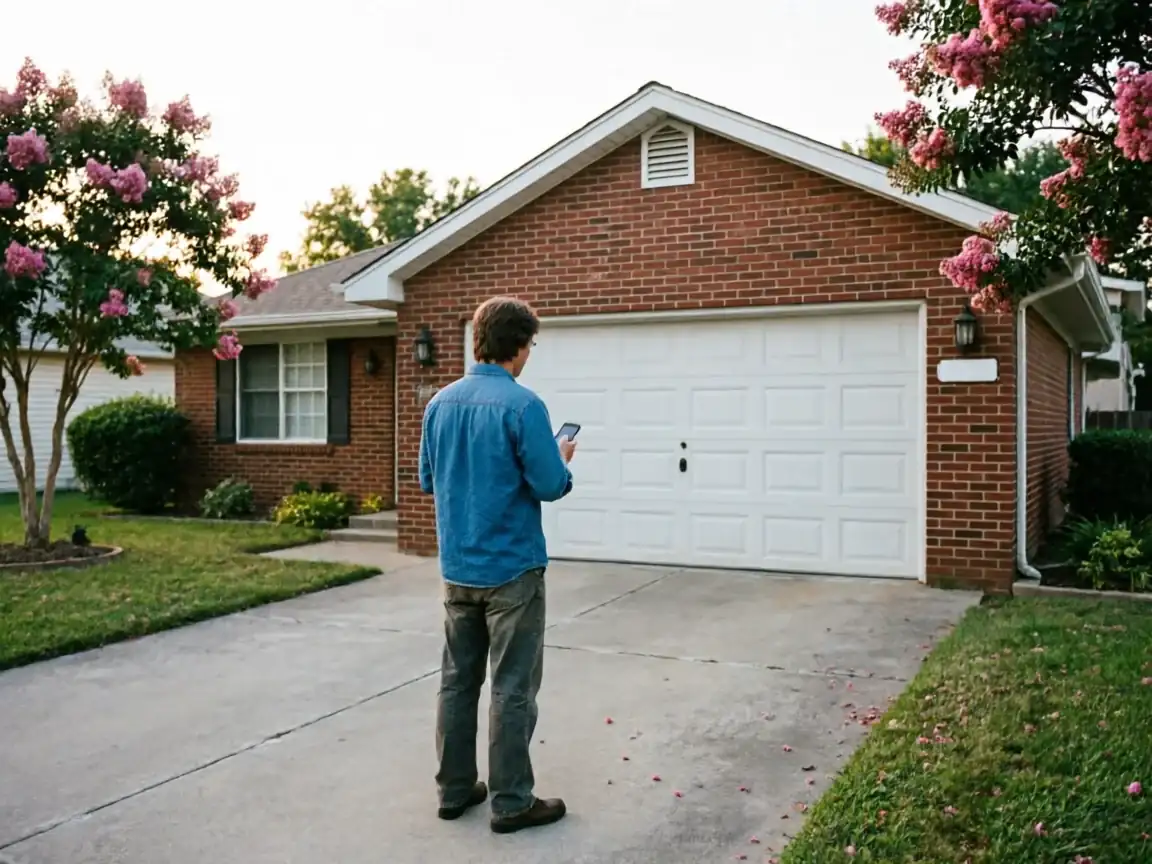
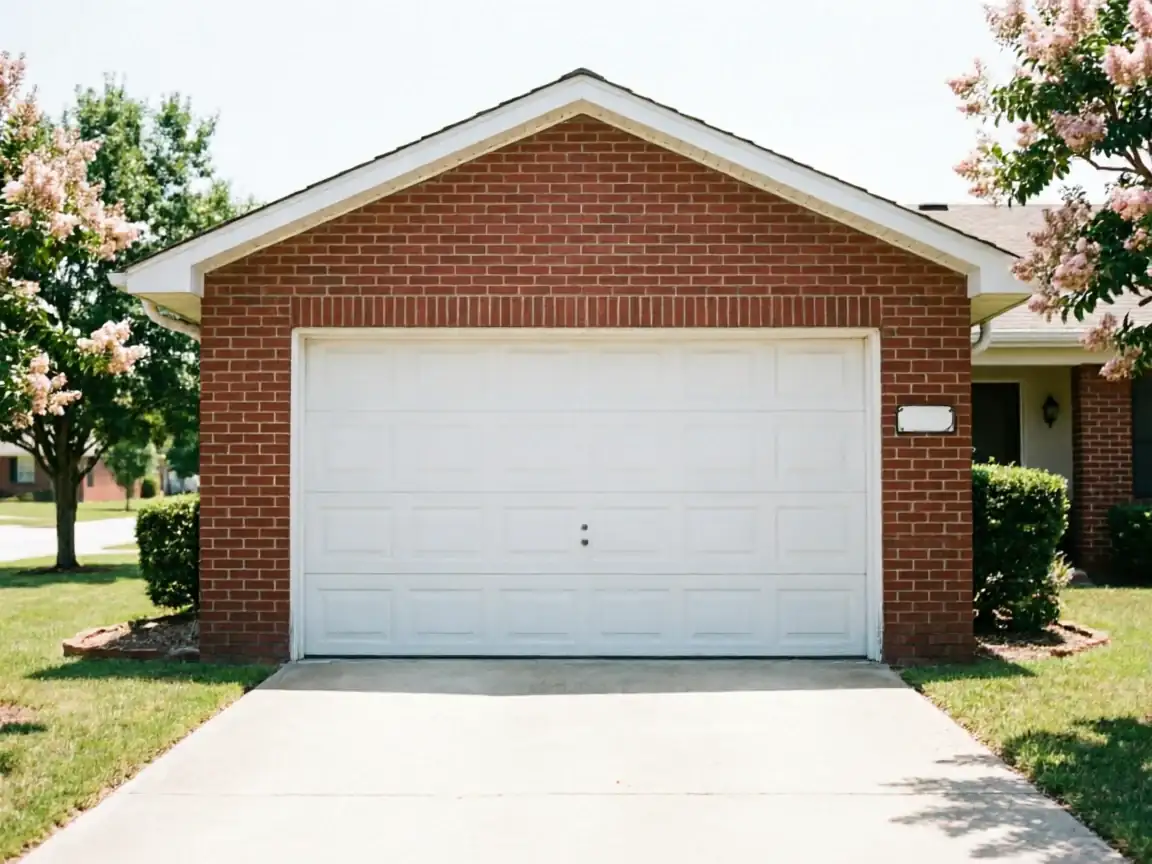
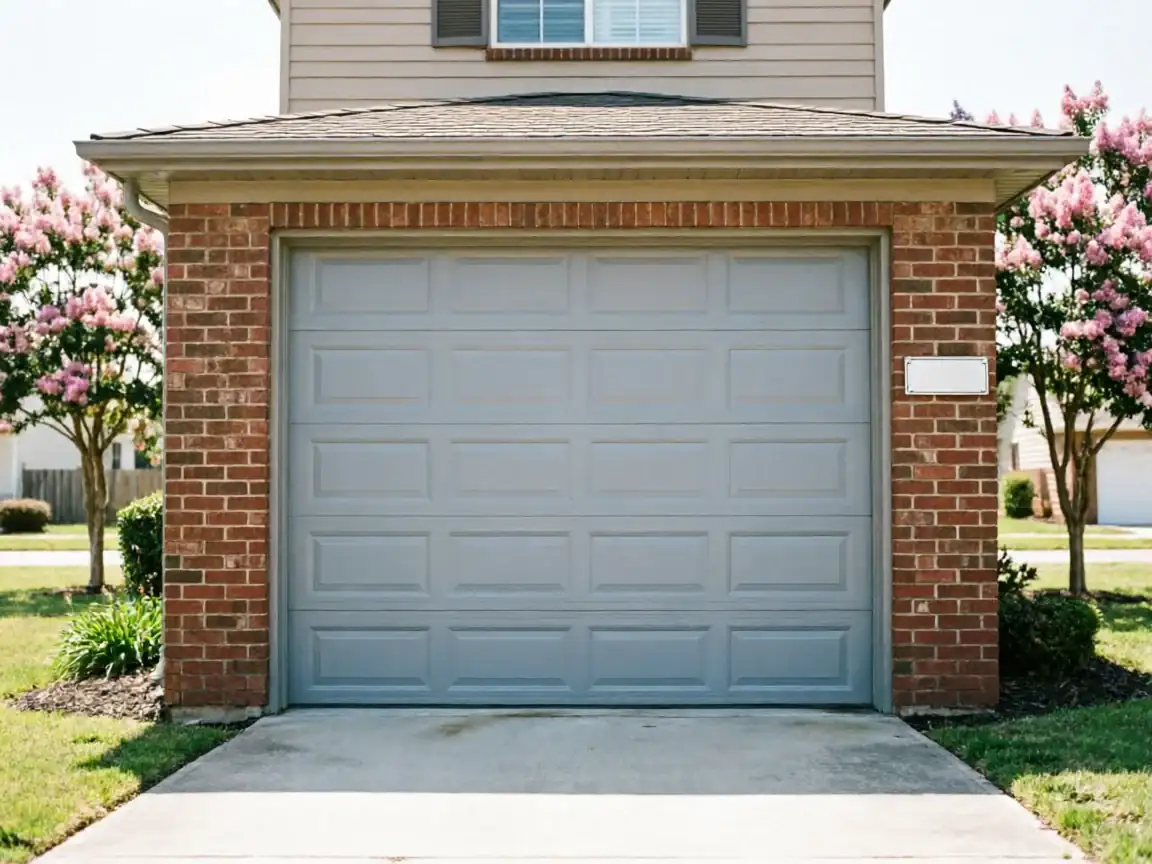
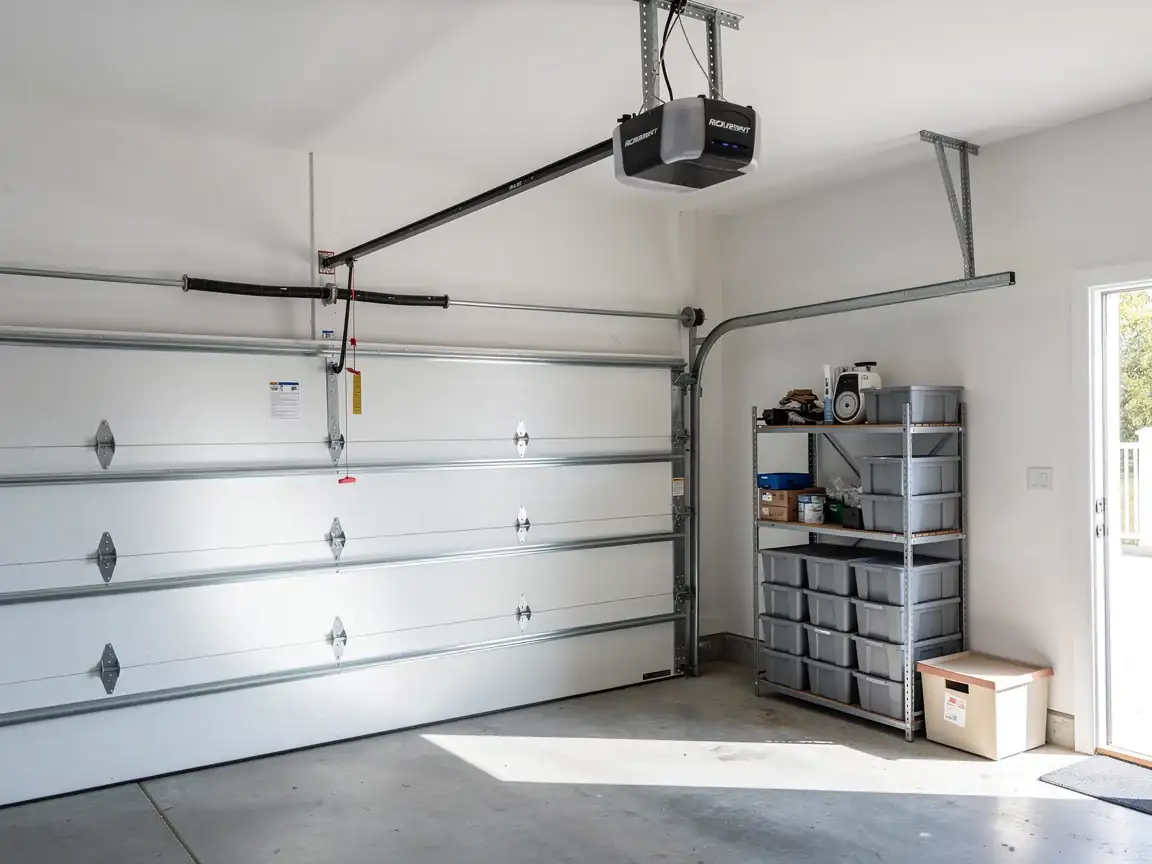
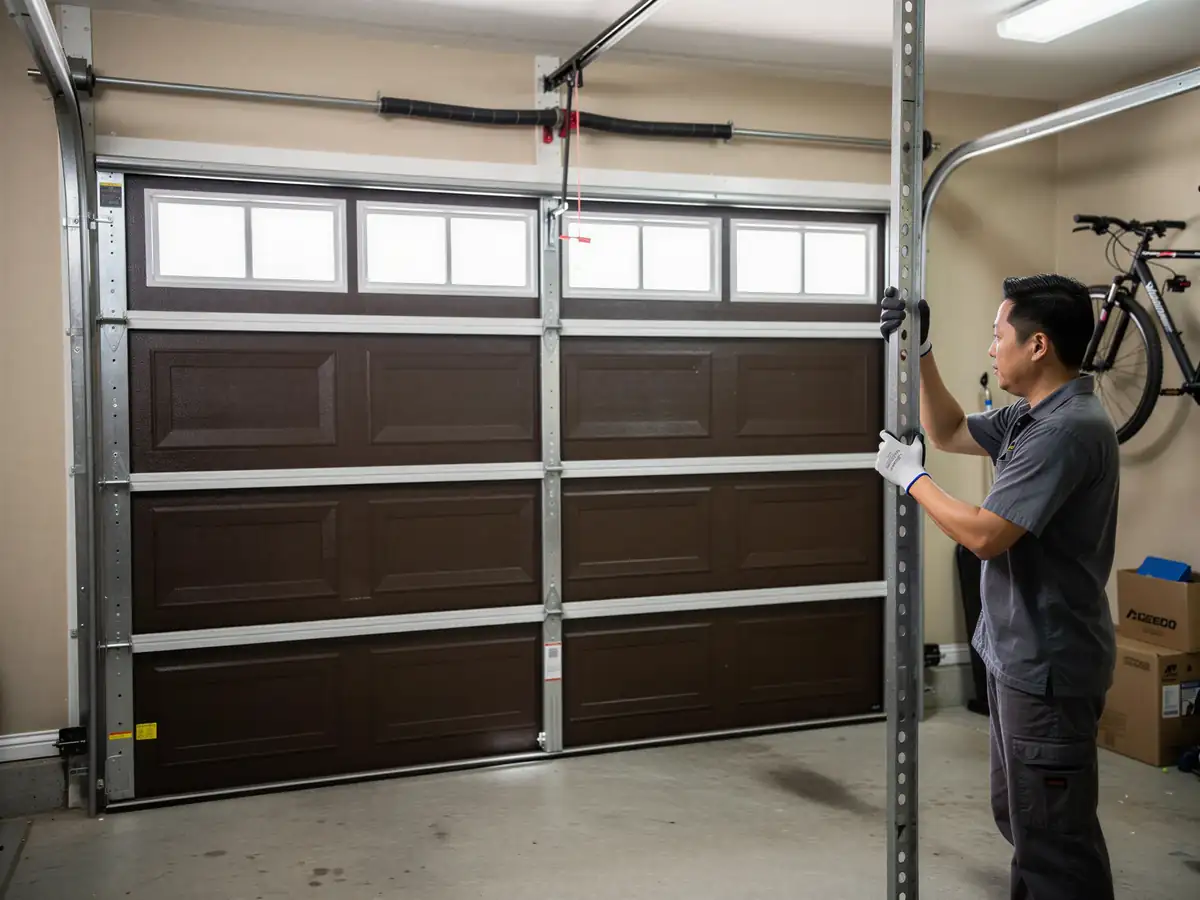
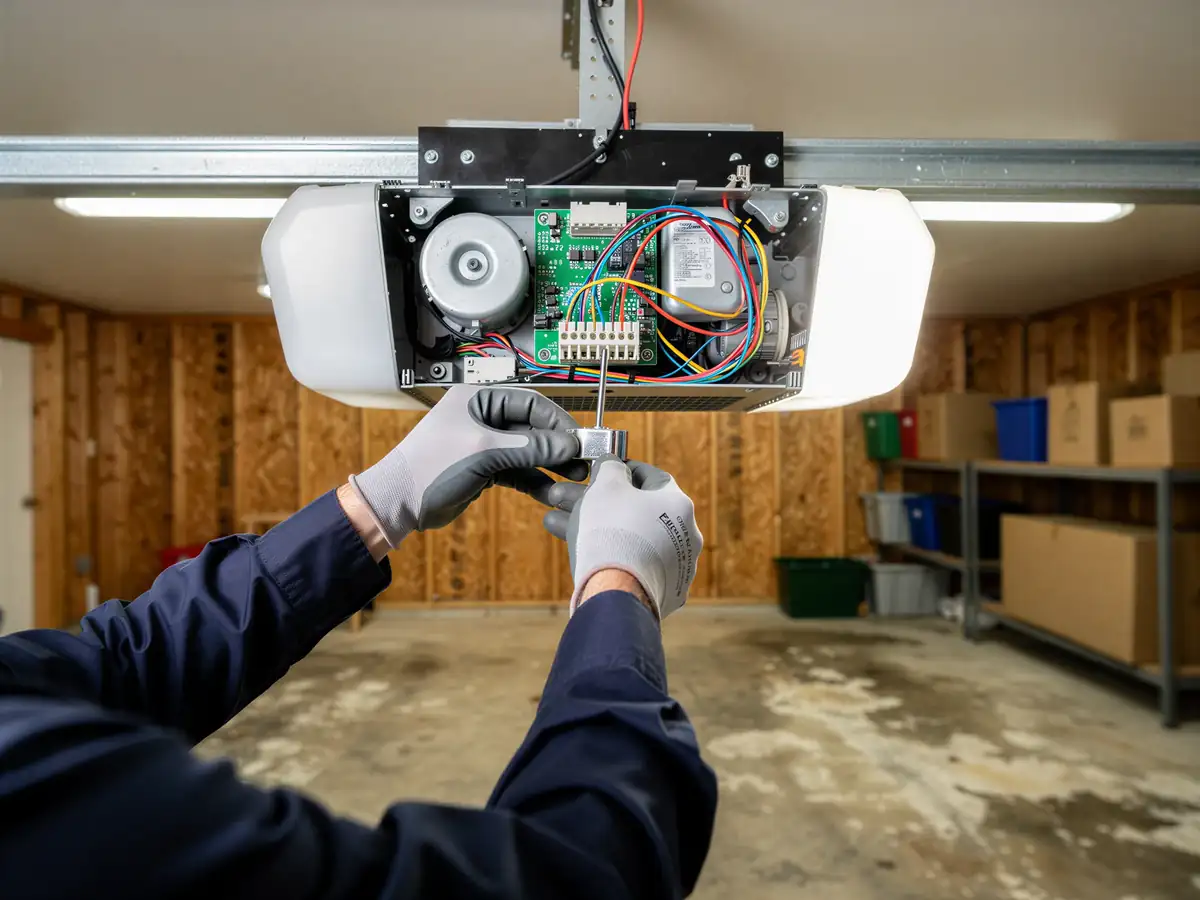
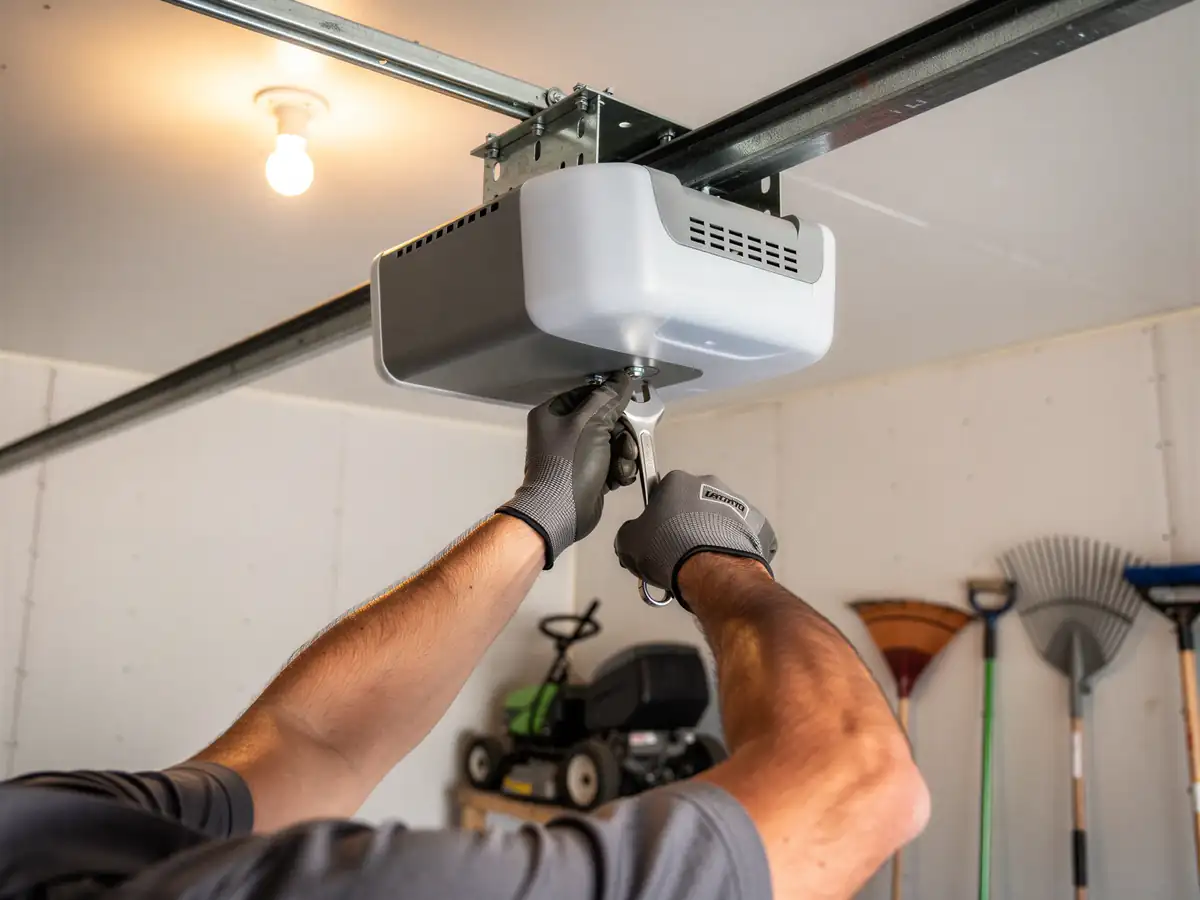
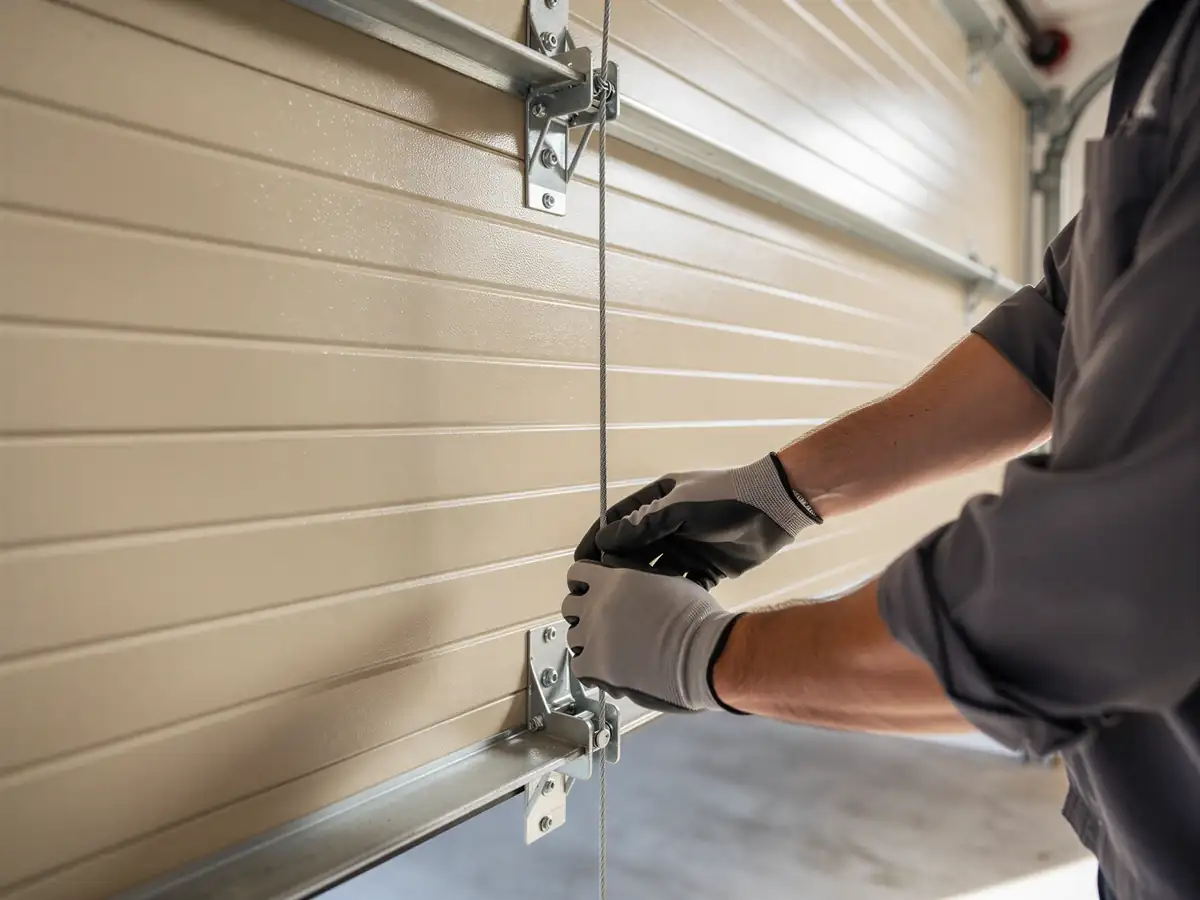
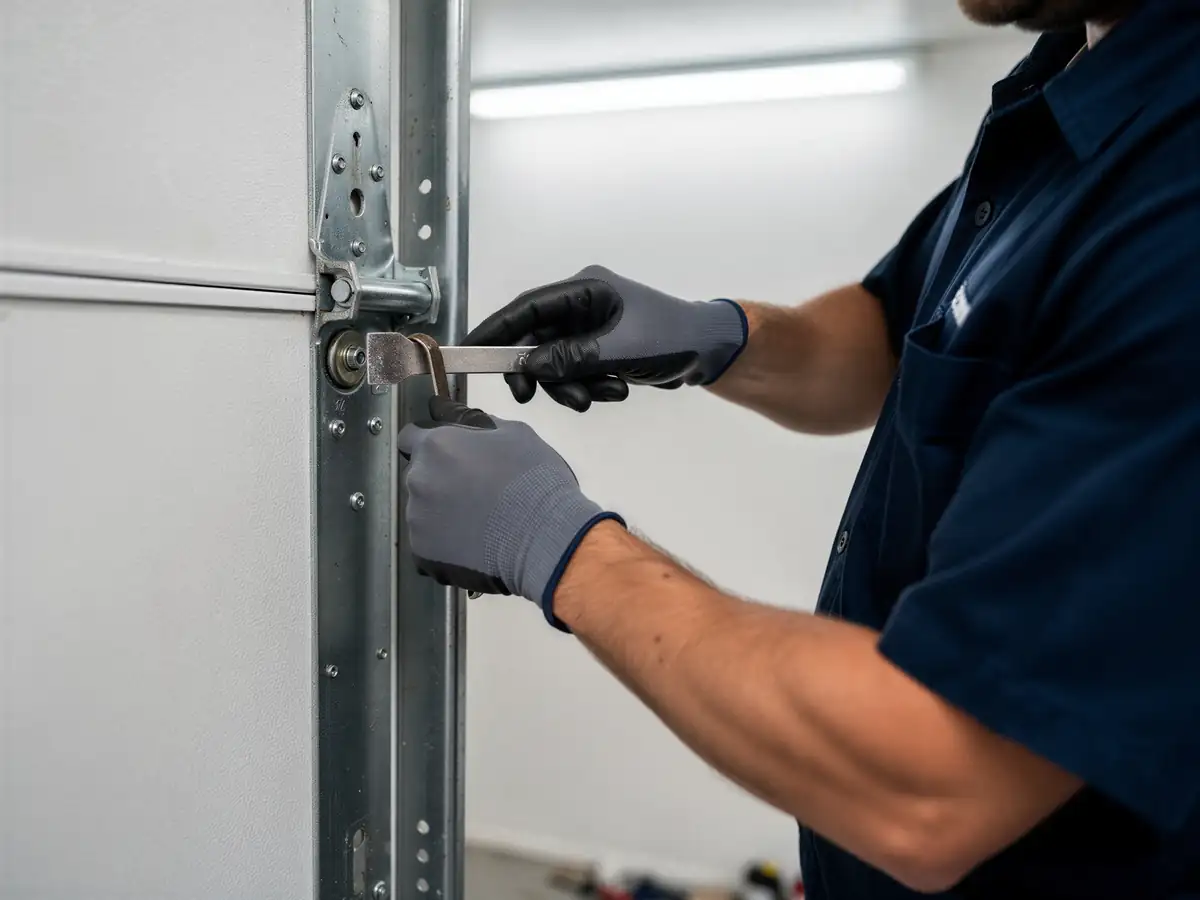
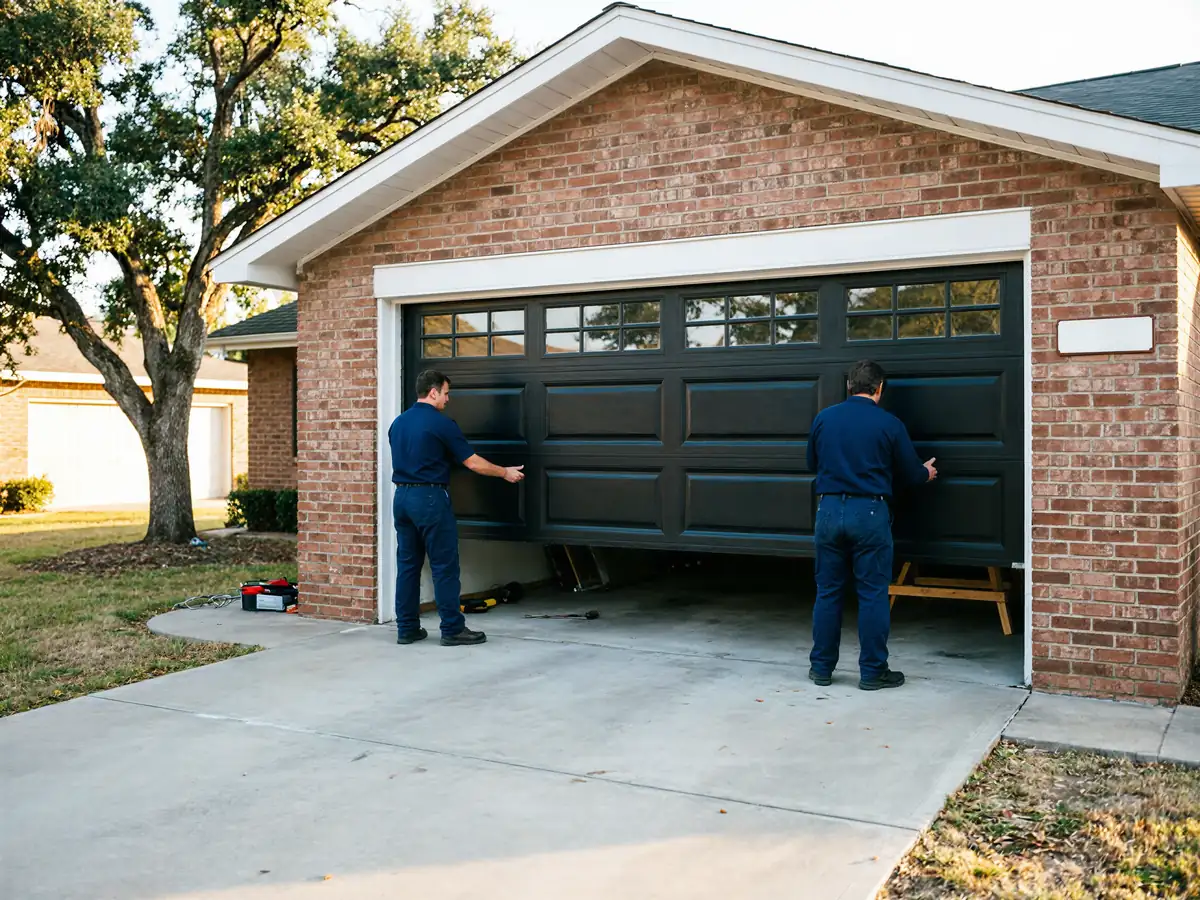
We start with the opening itself: width, height, headroom, and backroom, since a door that's a half-inch off on any of those won't track right no matter how good the panel is. From there we talk through track type - standard lift versus low headroom - and whether the opener gets replaced or reused. Santa Fe's 1991-era garages were mostly built with enough headroom for standard extension or torsion setups, so we're rarely improvising bracket positions the way we sometimes have to on older stock closer to the water.
One limit worth saying up front: we don't stock every size and panel style on the truck. Custom widths or anything outside common dimensions gets ordered, and that's a lead time we don't control.
Why It Happens Here
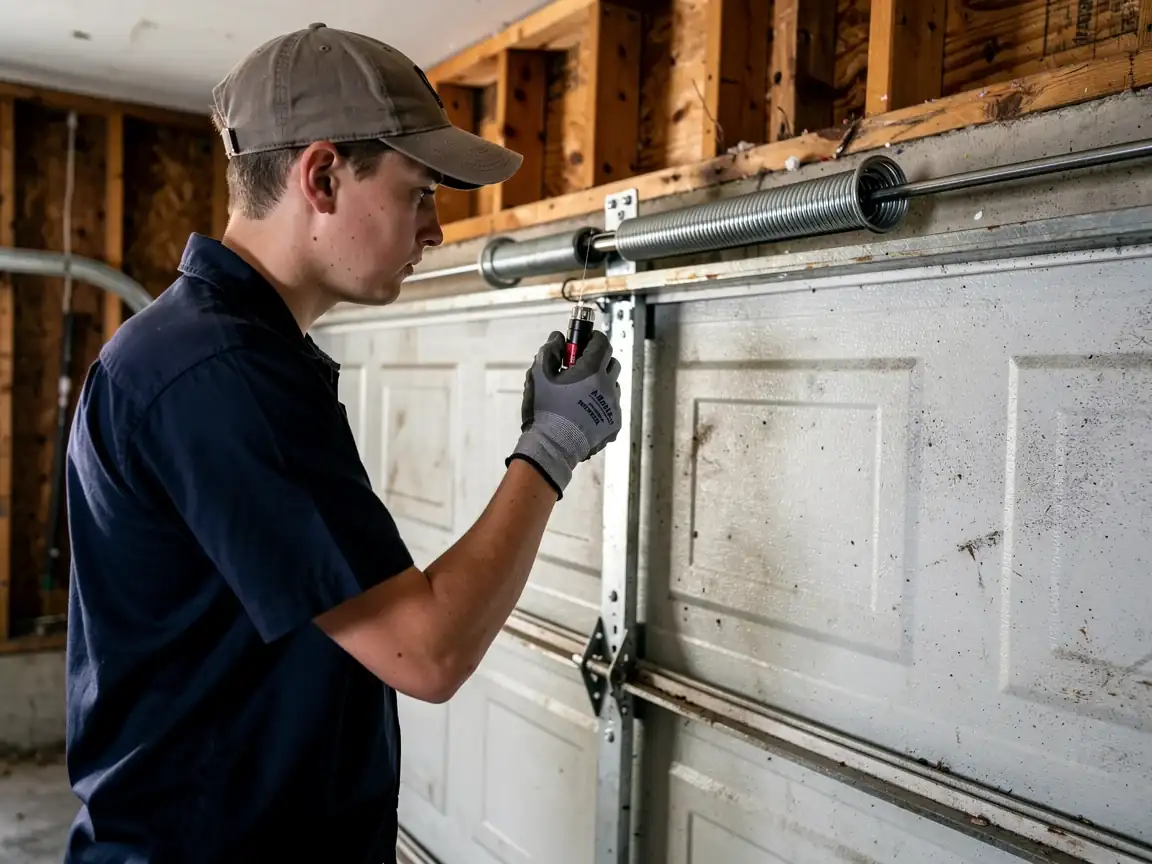
A door installed when a Santa Fe house was built in 1991 is now past the 30-year mark. Steel fatigues, torsion springs lose tension cycle by cycle, and rollers that were fine for two decades start binding without warning. That's the main driver of new installs here - not storm damage, not a sudden failure, just a door that's reached the end of a useful life that started before a lot of current owners bought the house.
The area's climate band is mild temperate, so we're not dealing with the freeze-thaw cracking or extreme humidity swings that chew through seals and hardware faster in other parts of the country. That works in your favor: a well-built door from 1991 often still looks presentable even as the internal hardware wears out, which is why a lot of Santa Fe installs start as a spring or opener call and turn into a full replacement once we're inside the mechanism.
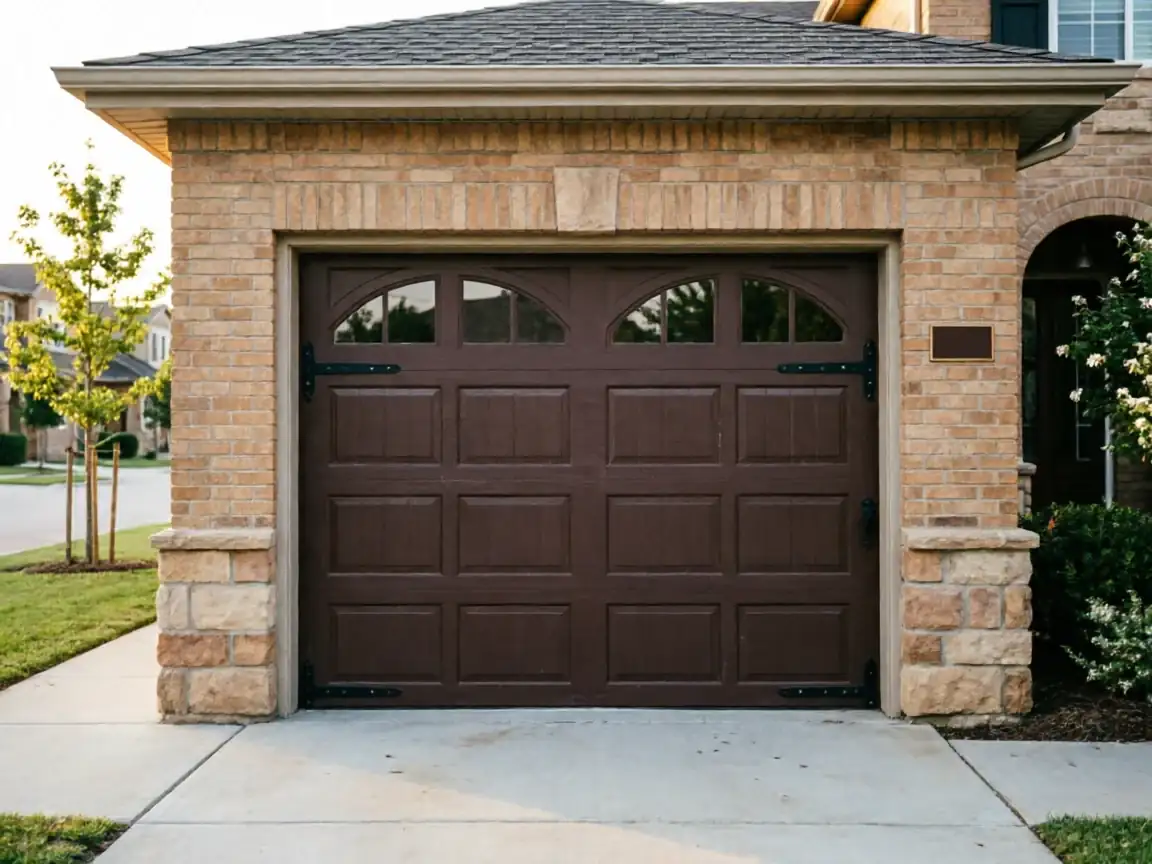
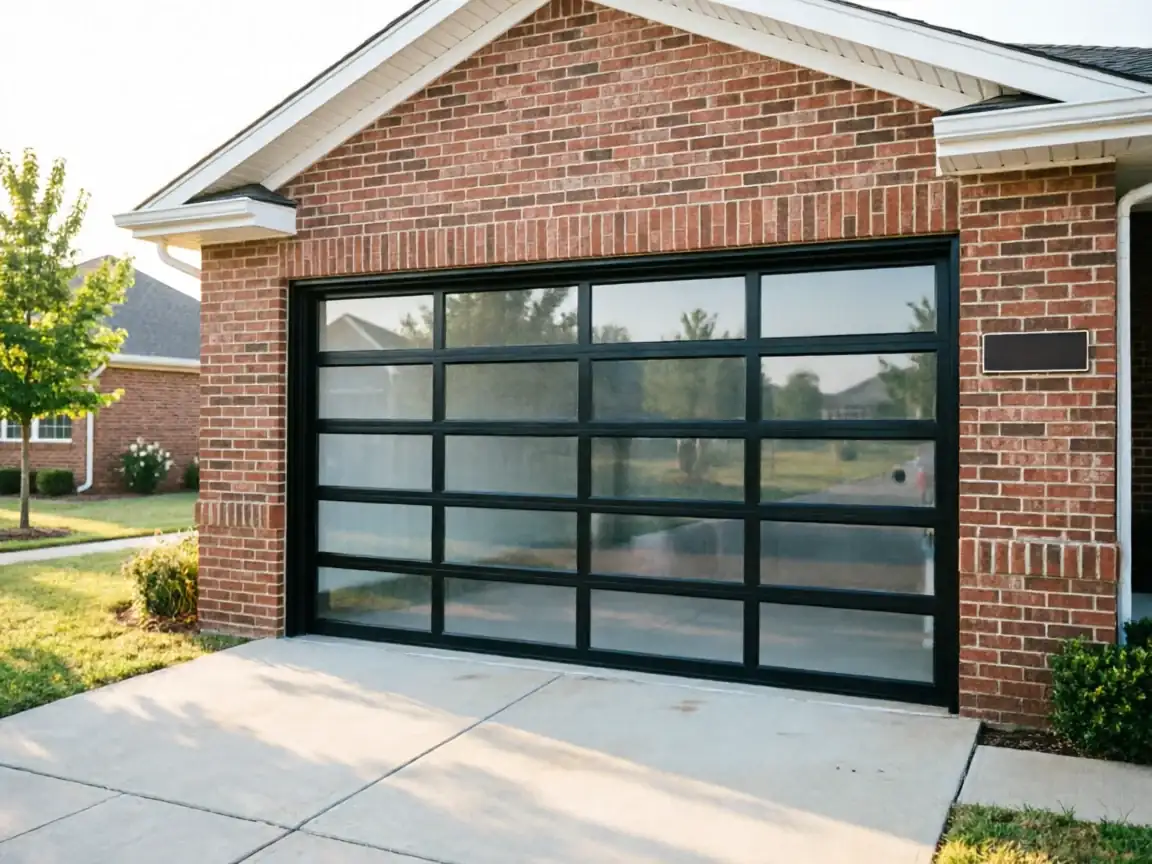
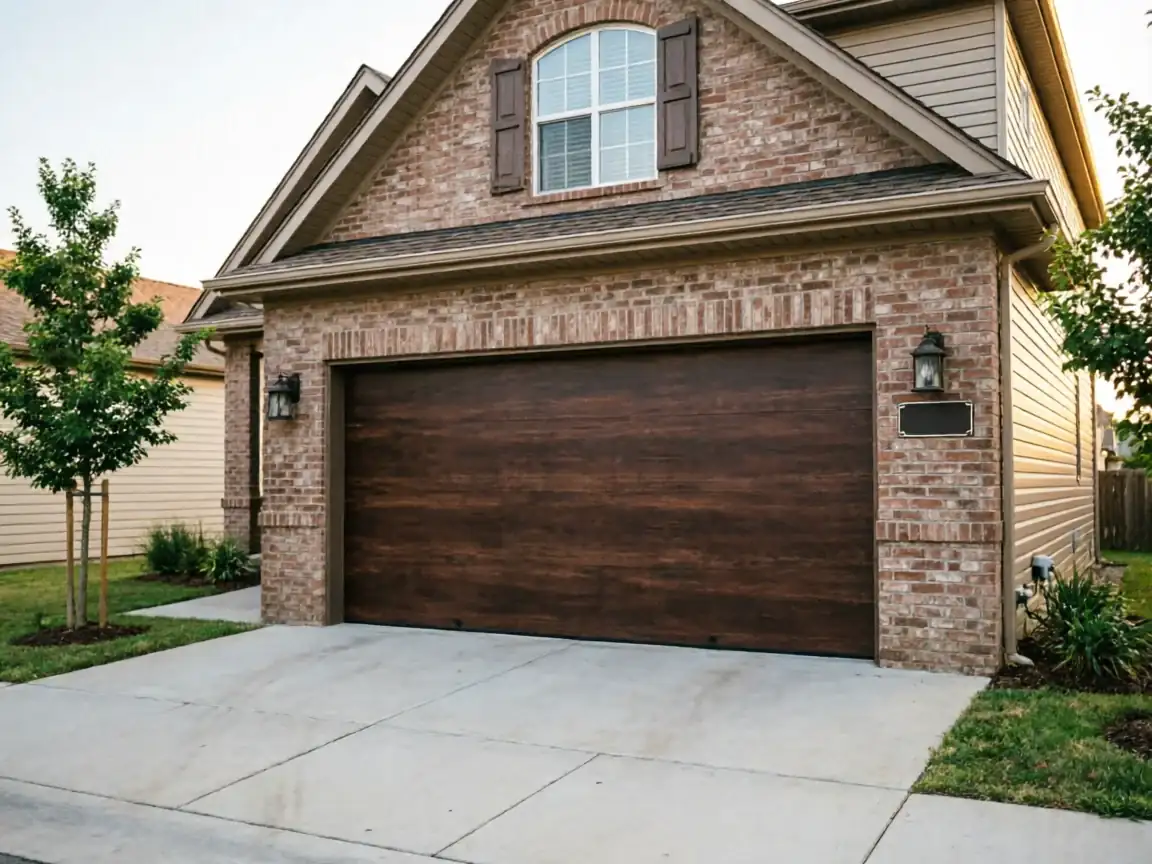
Household income in the broader service area runs a median of $82,018, but Santa Fe itself comes in meaningfully higher at $95,815. That income gap shows up in the kind of door people choose to replace with - more insulated and custom-panel requests here than in some of the other towns we cover.
The Cost of This Job
We don't post a flat price for new installation because the door itself drives most of the cost
Not the labor to hang it - a standard steel panel door costs a fraction of an insulated custom-panel unit, and Santa Fe's income profile means we get asked for the higher end of that range more often than not.
What we can tell you is what changes the number on our side
Whether the existing track and opener are salvageable, whether the opening needs reframing (uncommon in 1991-era construction but not unheard of), and whether you're matching an existing garage's trim versus doing a full stylistic change. Santa Fe's roughly 4,685 households sit on lots built to a fairly consistent code era, which keeps most jobs here closer to a standard swap than a structural rebuild.
- 4,685 households
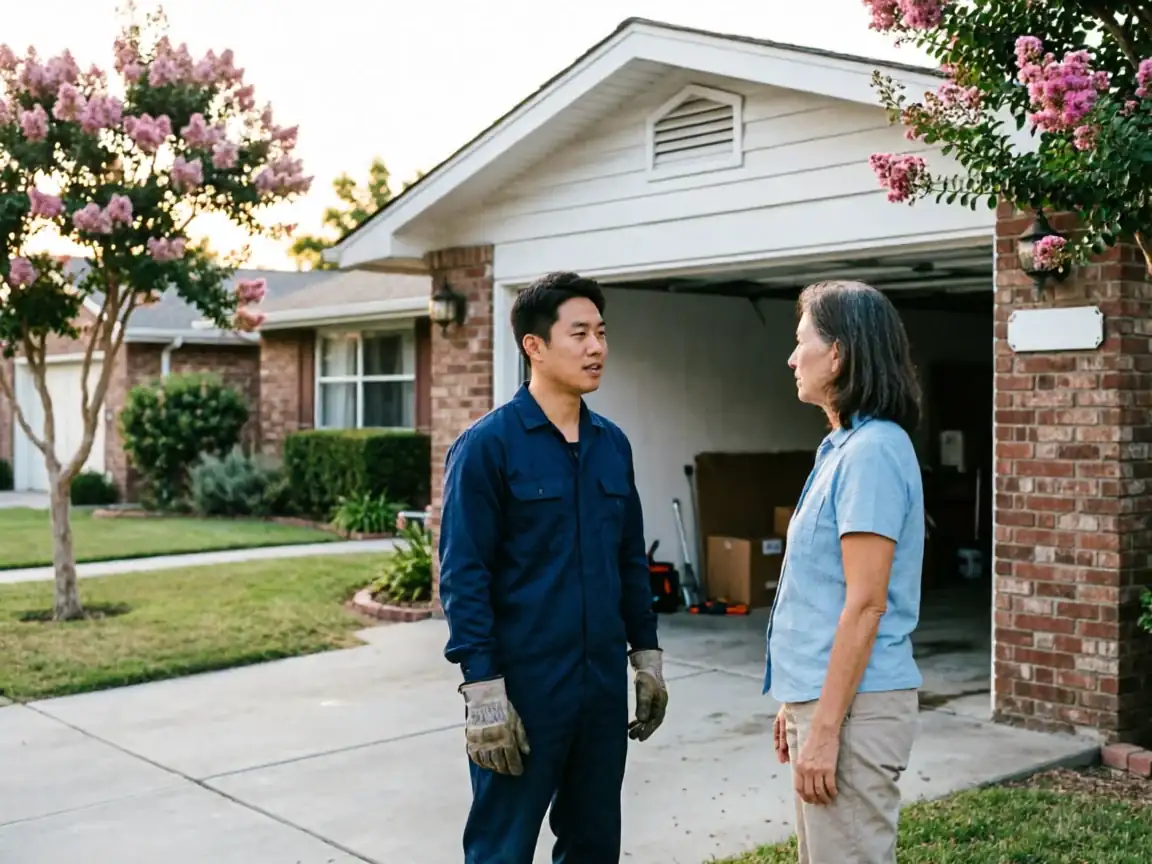
We'll give you a real number after we see the opening in person, not before
Anyone quoting a firm price over the phone without measuring the header and jambs is guessing, and we don't do that.
How Long You Are Without the Door
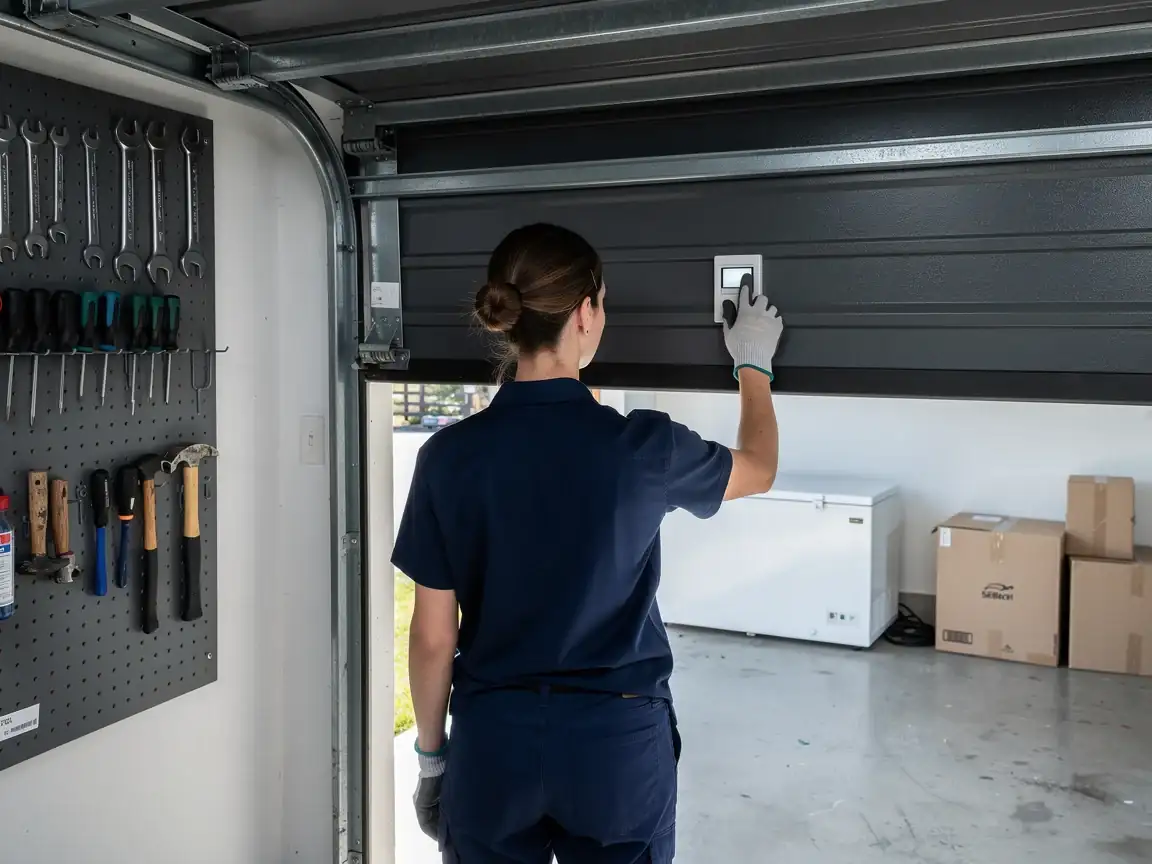
We run this job out of Galveston, about 16 miles from Santa Fe, so travel time is part of scheduling, not an afterthought. For a straightforward swap where the door is in stock, you're looking at a single visit, start to finish, same day. For anything custom - a non-standard width, a specific insulated panel, a color or window pattern that isn't sitting on a shelf - the install date depends on when the manufacturer ships it to us, and that lead time is the one thing we can't speed up by driving faster.
We'll tell you which category your job falls into before we schedule anything, so you're not left guessing whether you're getting a door this week or next month. If your current door is still operational but failing, we'll usually leave it in place and functioning until the new one is ready to go in, rather than pulling it early and leaving the opening exposed.