How We Fix It
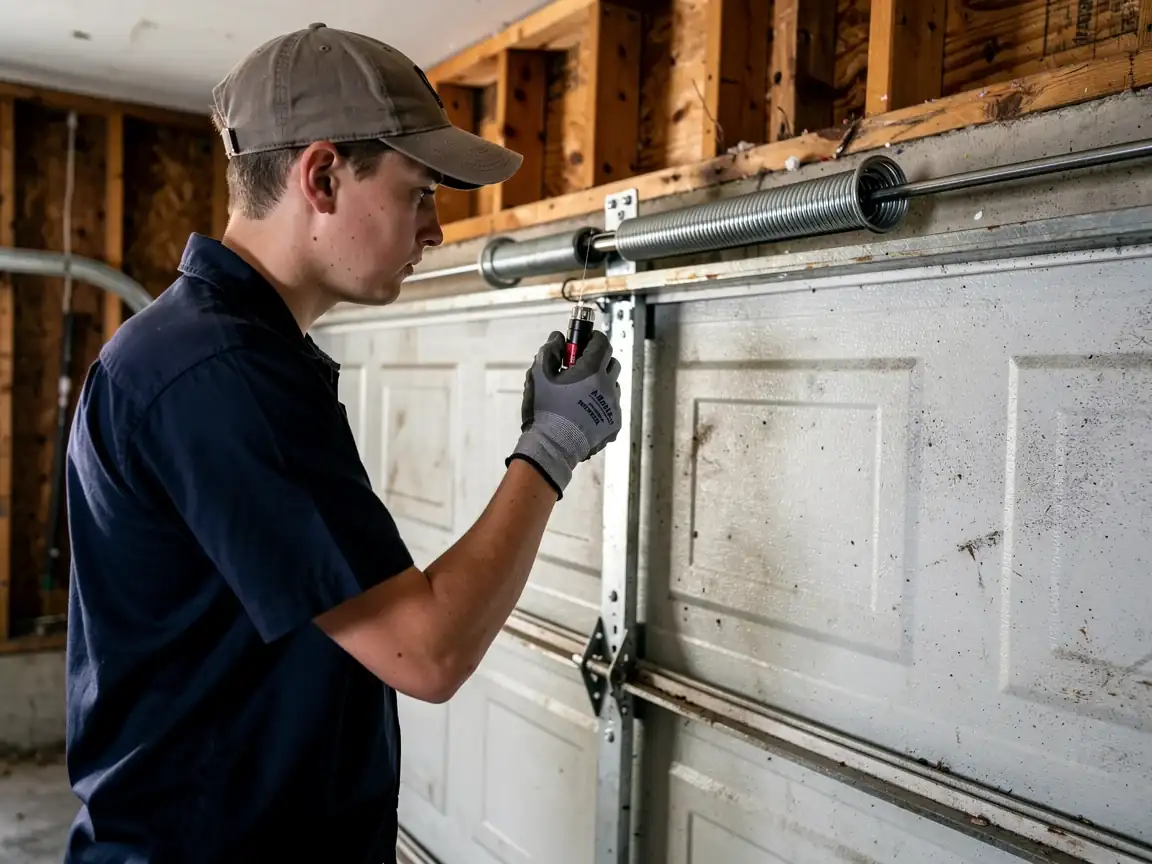
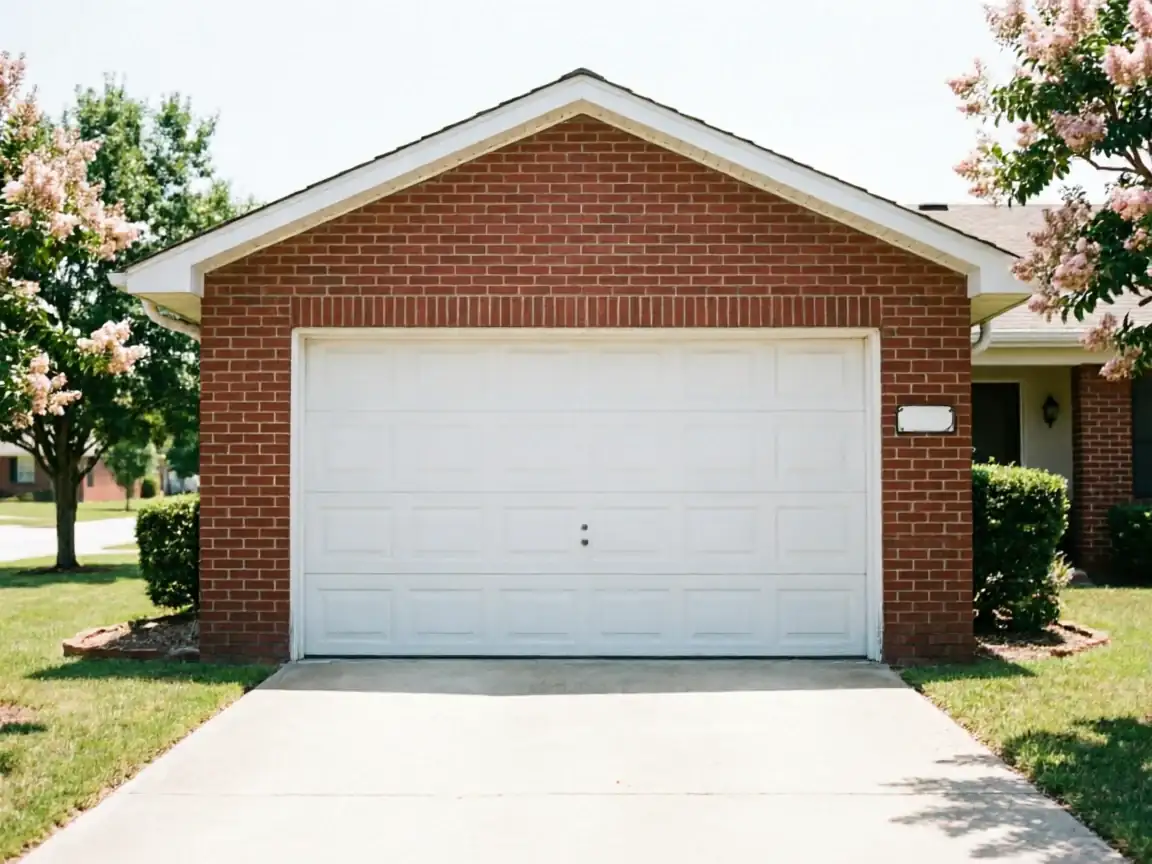
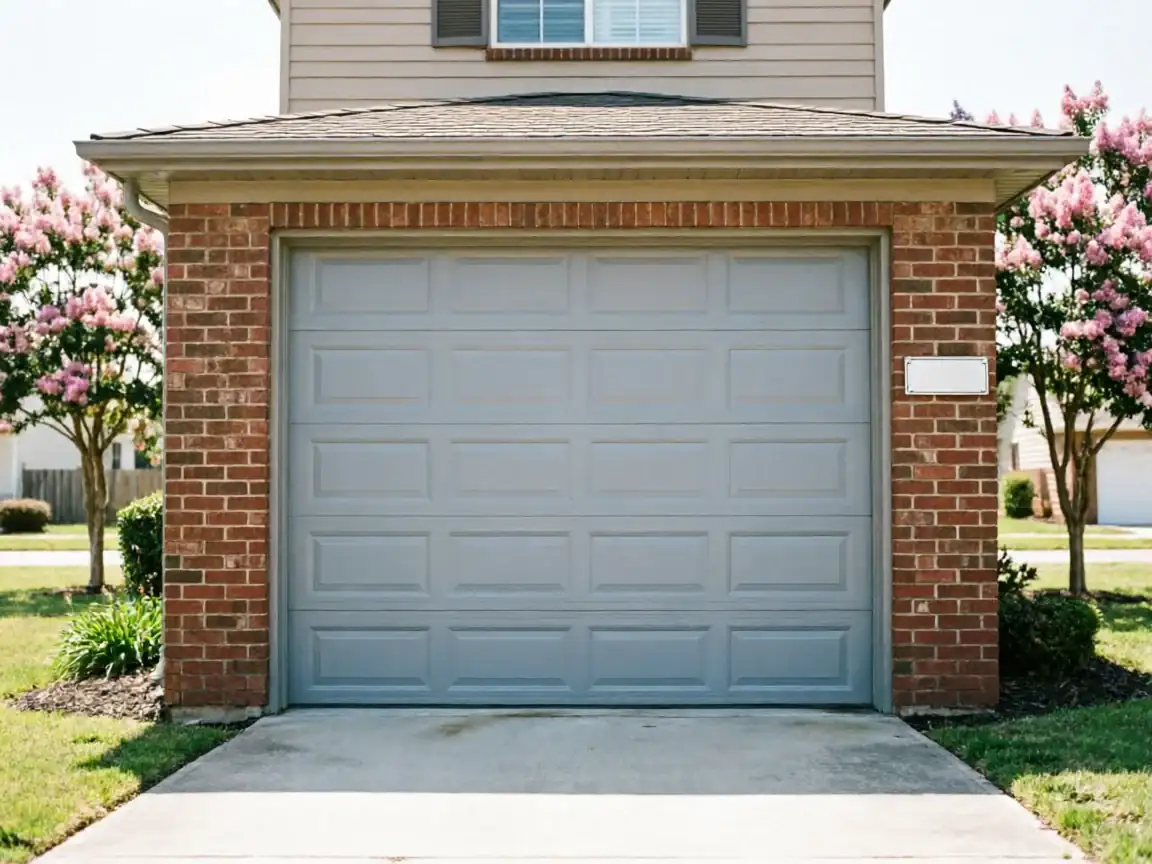
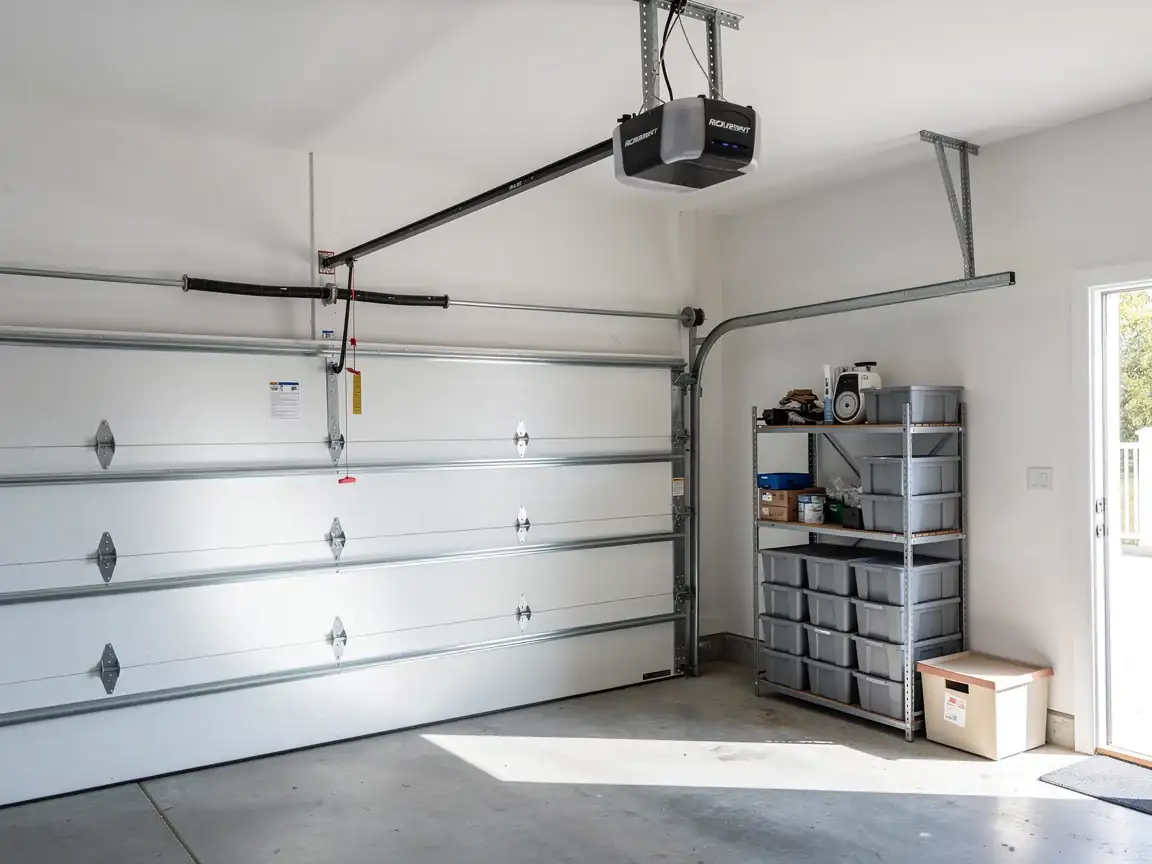
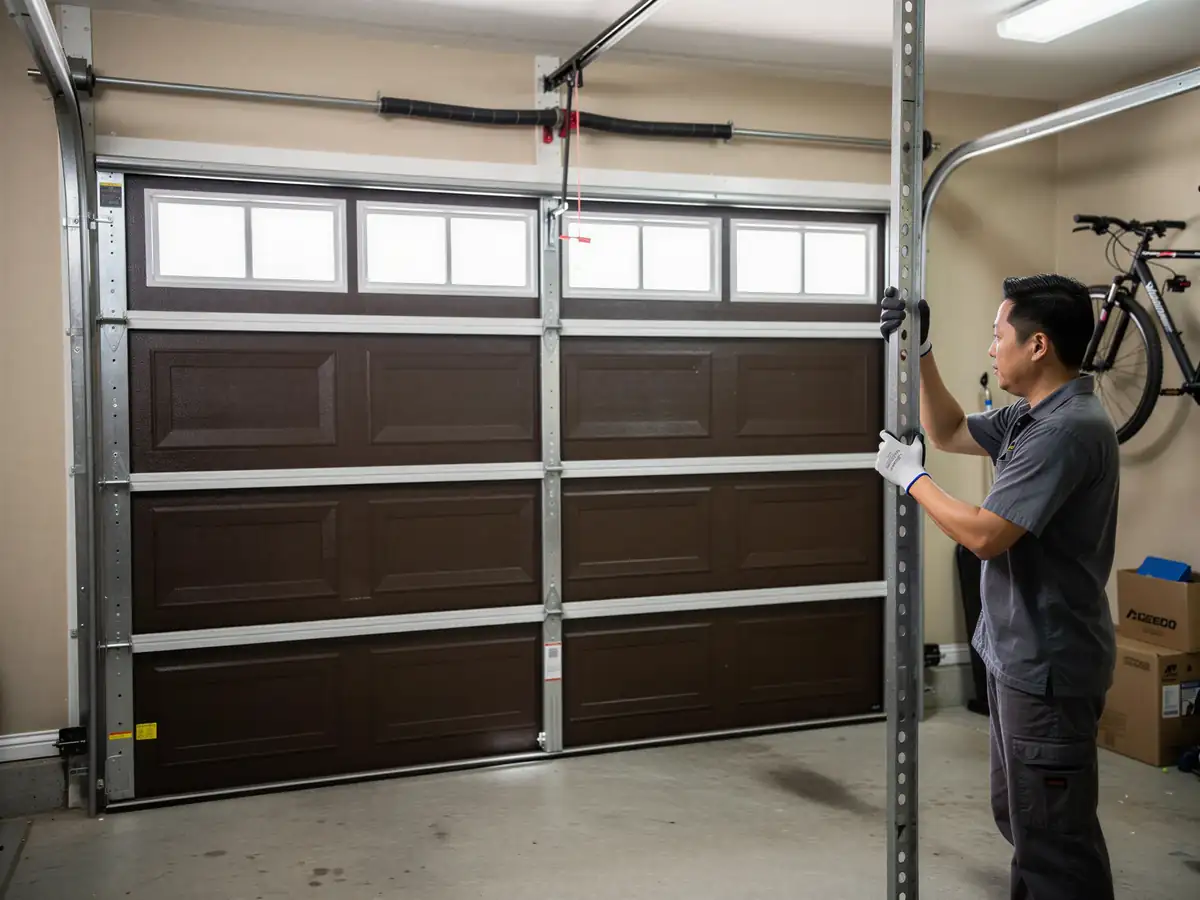
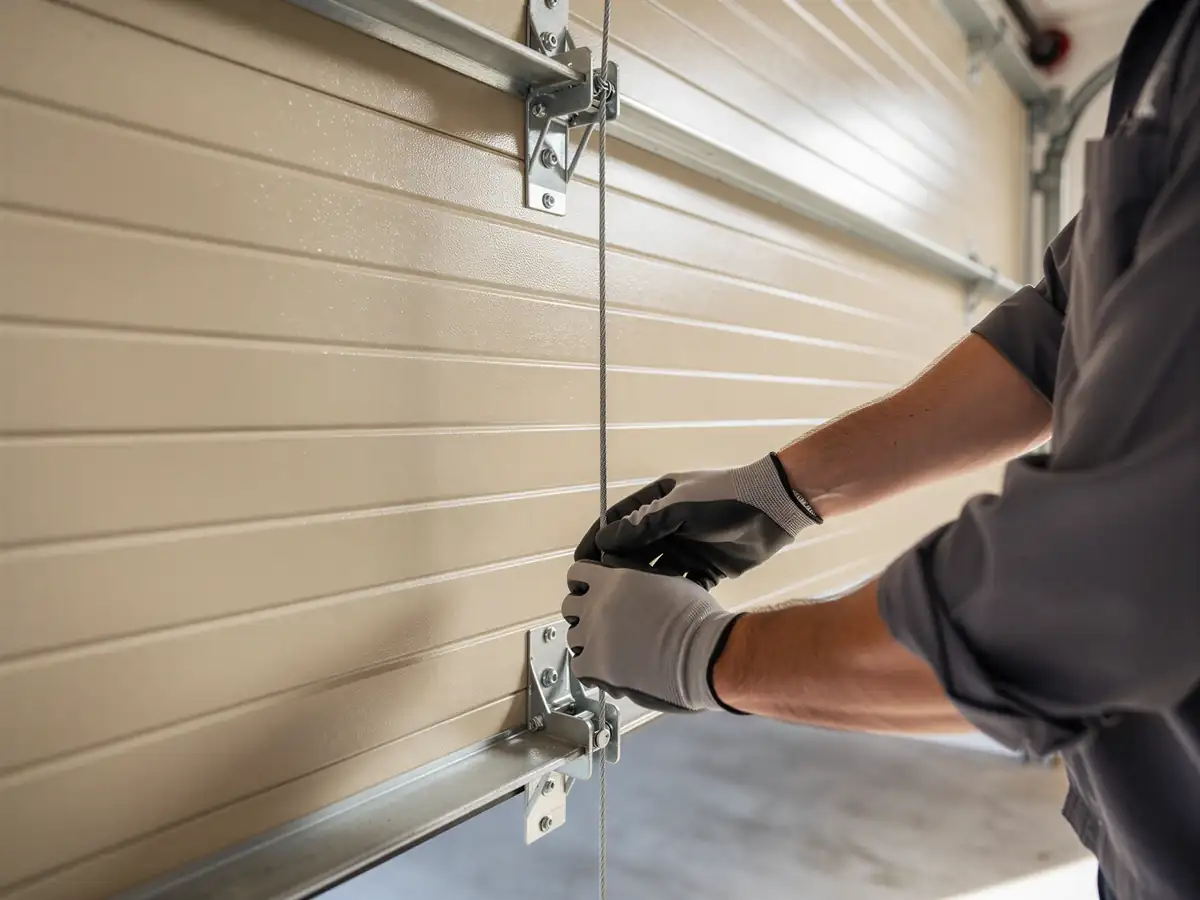
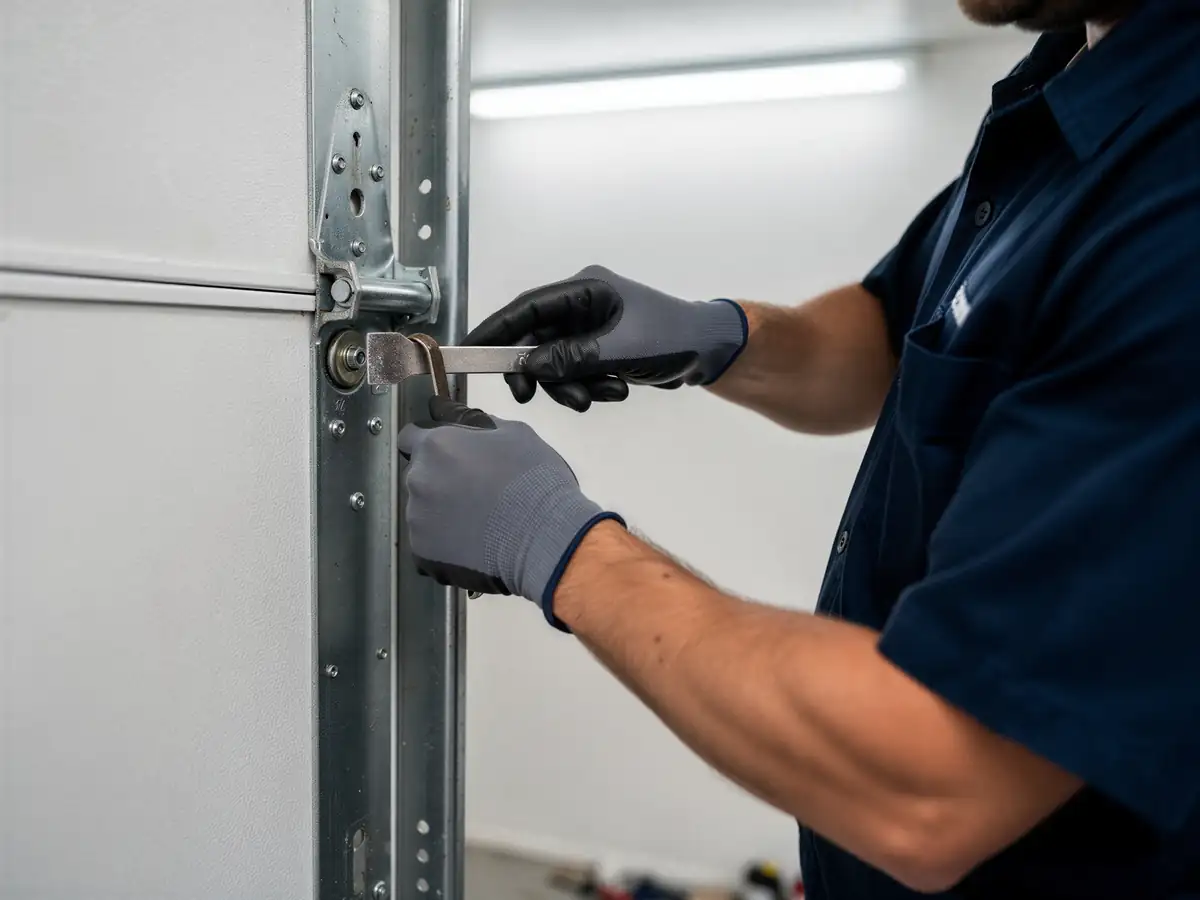
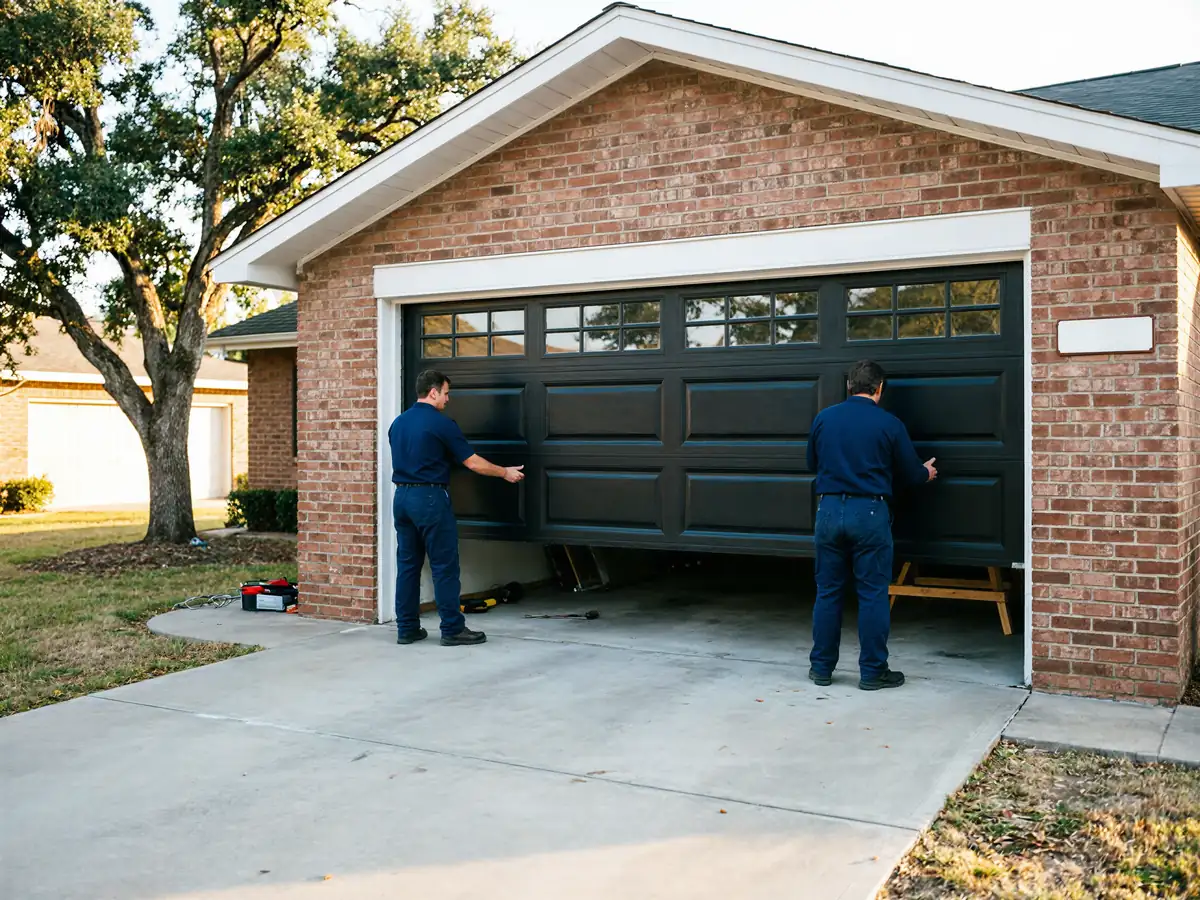
Most garages in Santa Fe went up around 1991, and that means a steel sectional door - usually a 16x7 double or an 8x7 single - paired with whatever chain-drive opener the builder installed at the time. Before we touch the opener, we check the door itself: track alignment, roller wear, and whether the springs are original to a house built in that window. If the door drags or binds, swapping the opener on top of a bad track just burns out the new motor faster.
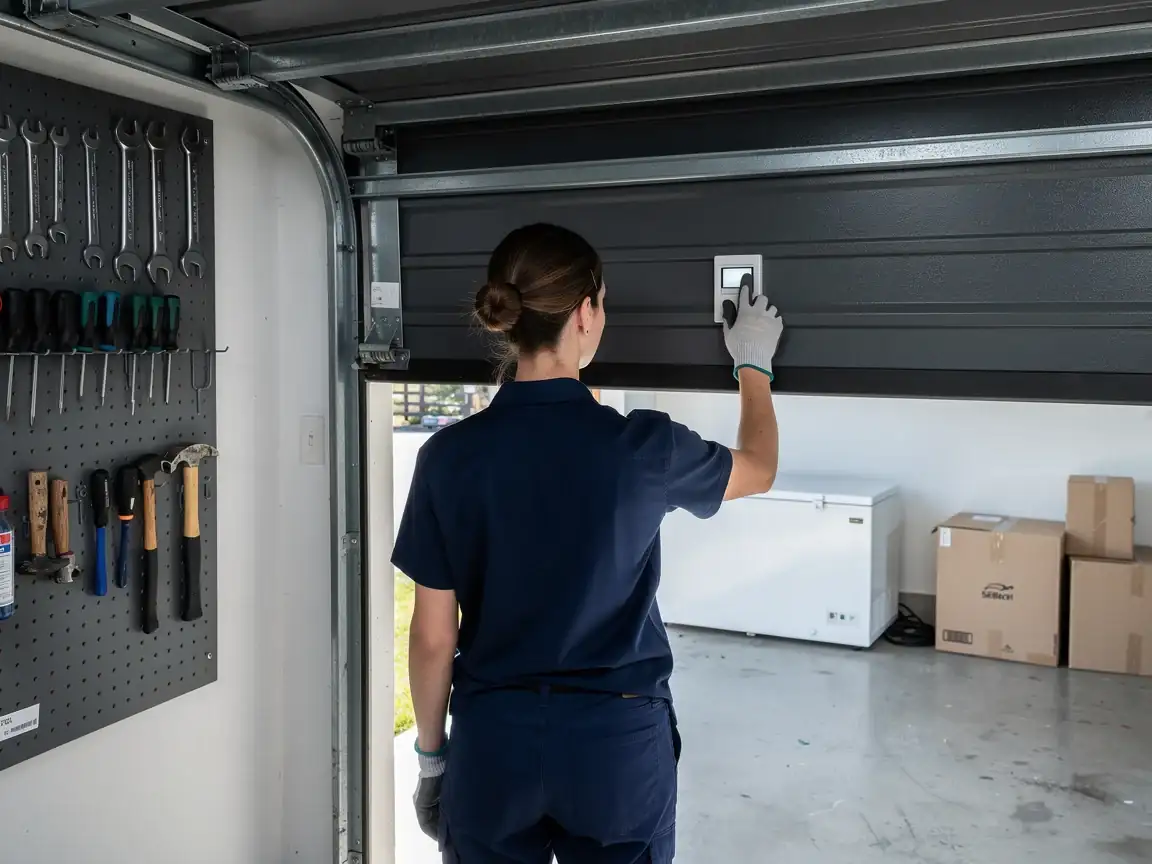
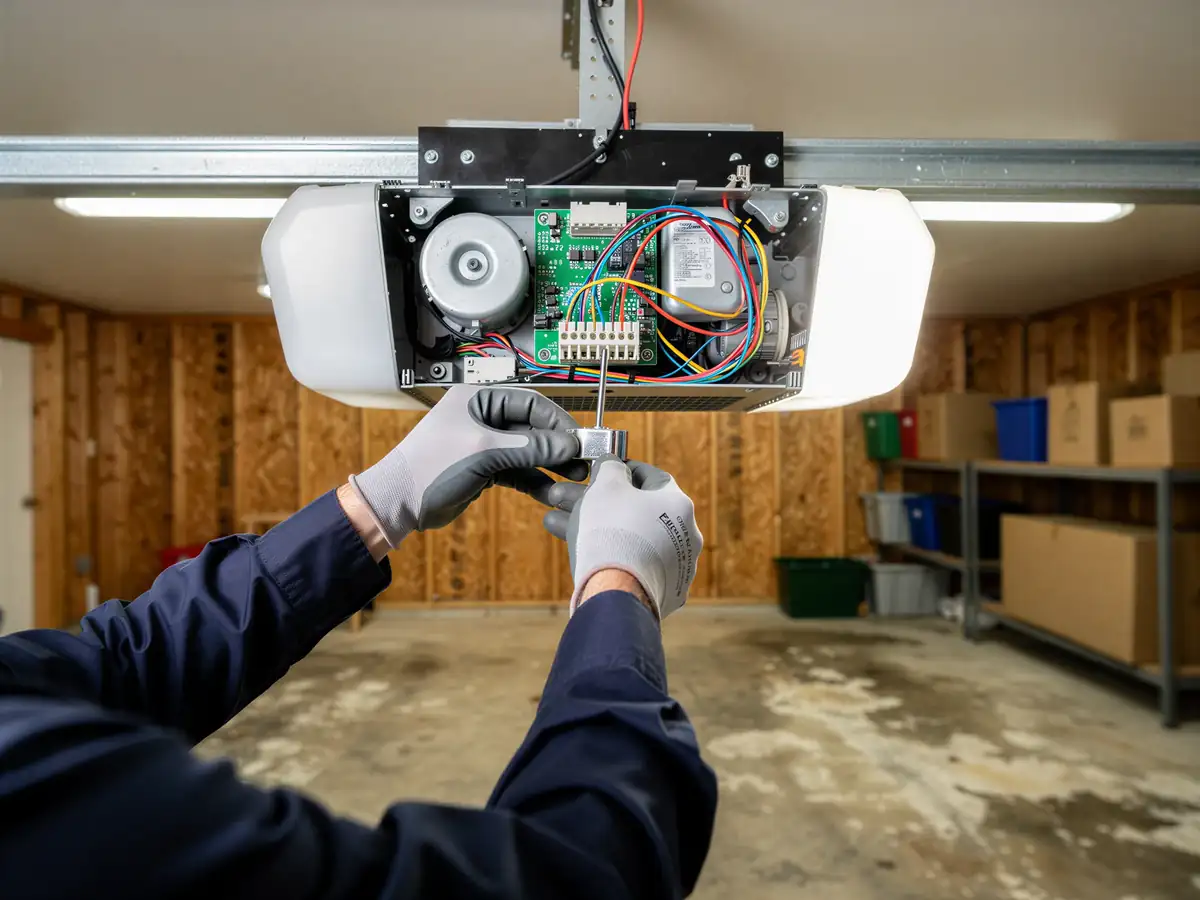
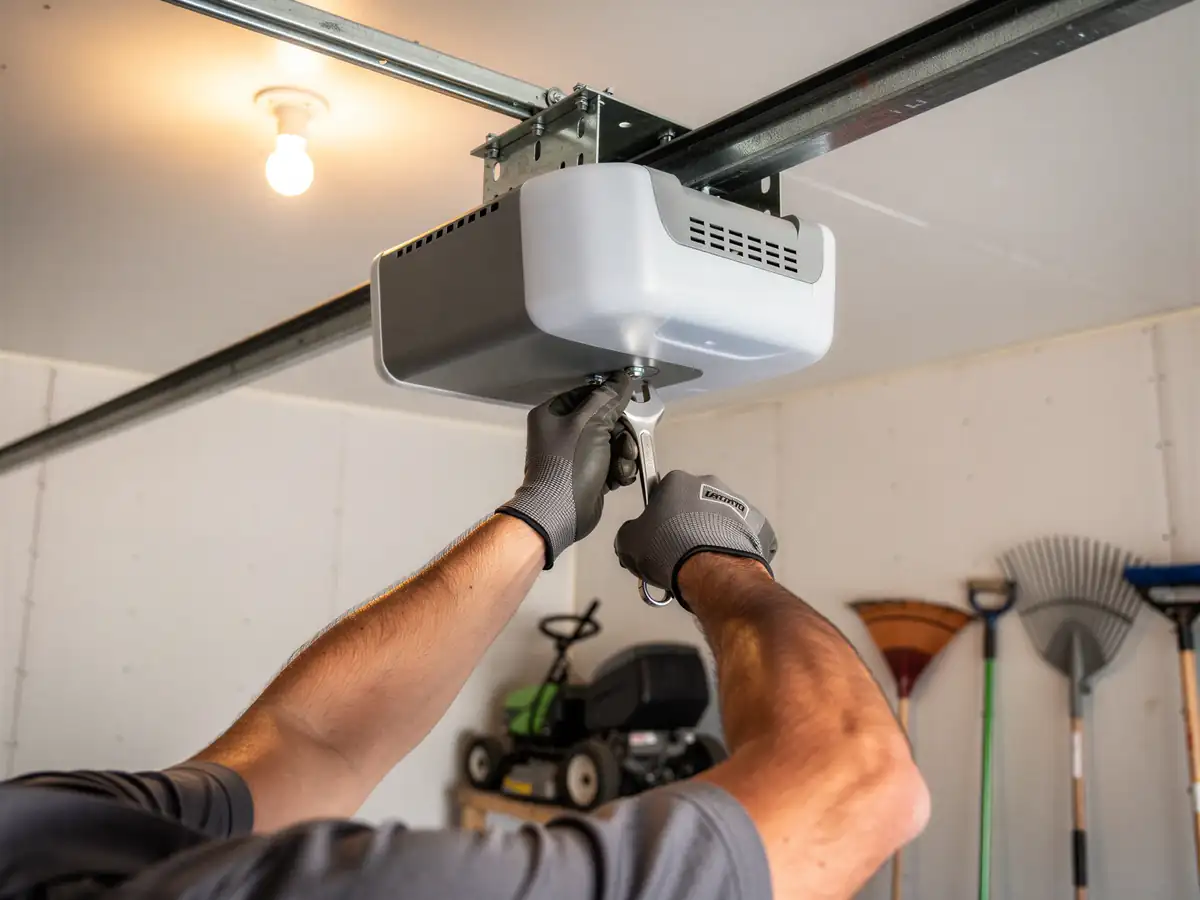
Once the door moves clean, we pull the old unit and mount the new one to the existing header, reinforcing it if the wood has dried out over three decades. We run new wiring to the wall control and safety sensors, since 1991-era installs often predate the photo-eye sensors required now. We set the travel limits to the actual door, not a factory default, and test force settings so the door reverses properly if something's in its path.
We program the remotes and keypad last, after everything else is dialed in, so you're not troubleshooting electronics on top of a mechanical issue. We don't leave a job half-adjusted - if the opener runs but the door still sticks on the track, we say so before we pack up, not after.
Why It Happens Here
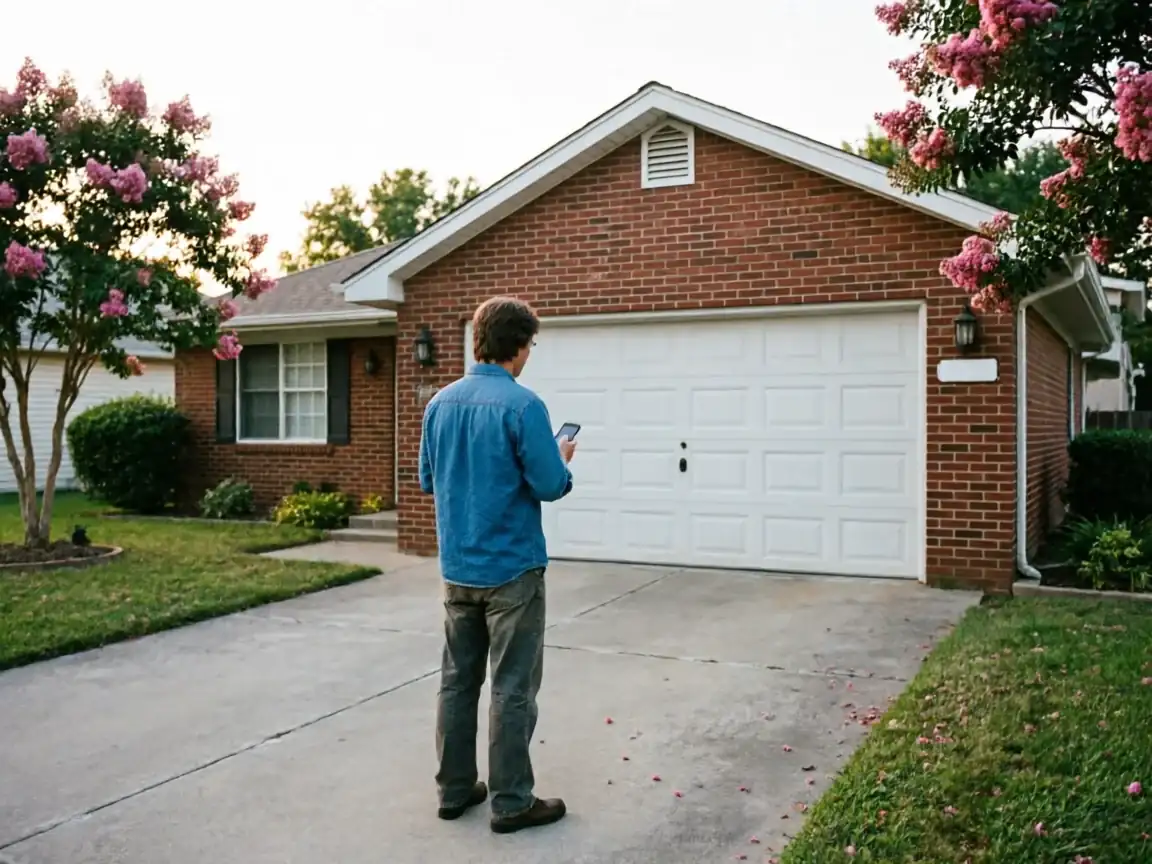
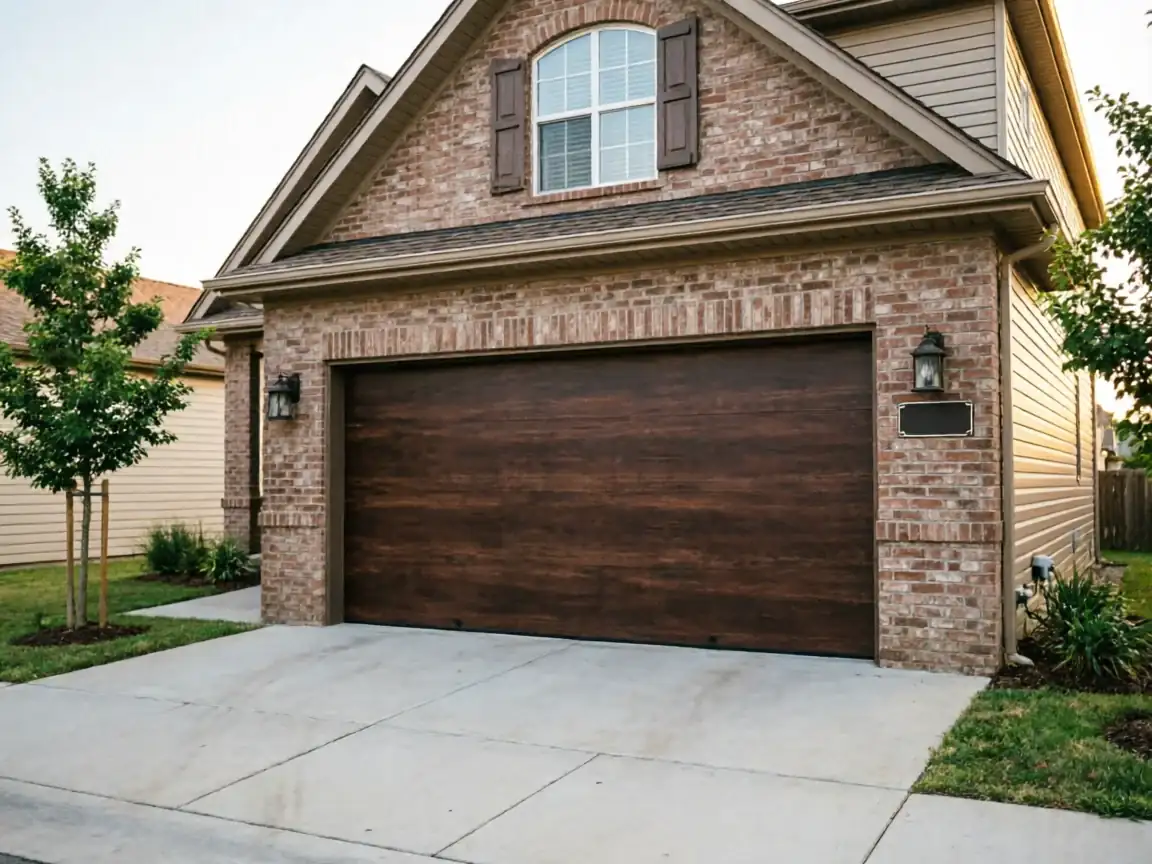
Santa Fe's housing stock sits right in the middle of this area's broader 1978-1993 build-out, with a local median build year of 1991. That means a lot of original chain-drive openers are now pushing past their expected service life, running on hardware that predates rolling-code remotes and the safety-reversal standards openers are built to today. A chain drive from that era is louder and has fewer failsafes than what's sold now, and parts for the oldest units in that run are getting hard to source.
With 4,685 households in Santa Fe, a good share of the garages here are original two-car setups that never had the opener swapped once since the house was built. The area's median household income, at $95,815, runs well above the roughly $82,018 median across the rest of the service area, and we see that reflected in how often homeowners here replace an aging opener before it fails outright rather than waiting for a breakdown.
The mild temperate climate this region sits in doesn't put the same stress on garage door hardware that freeze-thaw regions see, so when an opener goes, it's almost always age and wear, not weather damage.
The Cost of This Job
We don't quote a flat number for opener installation sight unseen
Because the cost depends on what's already on the wall and what the door needs. A straight swap - new opener on an existing, properly aligned track - costs less than a job where we're also replacing a worn header bracket, adding missing safety sensors, or dealing with a track that's been fighting the old opener for years.
The honest limitation here
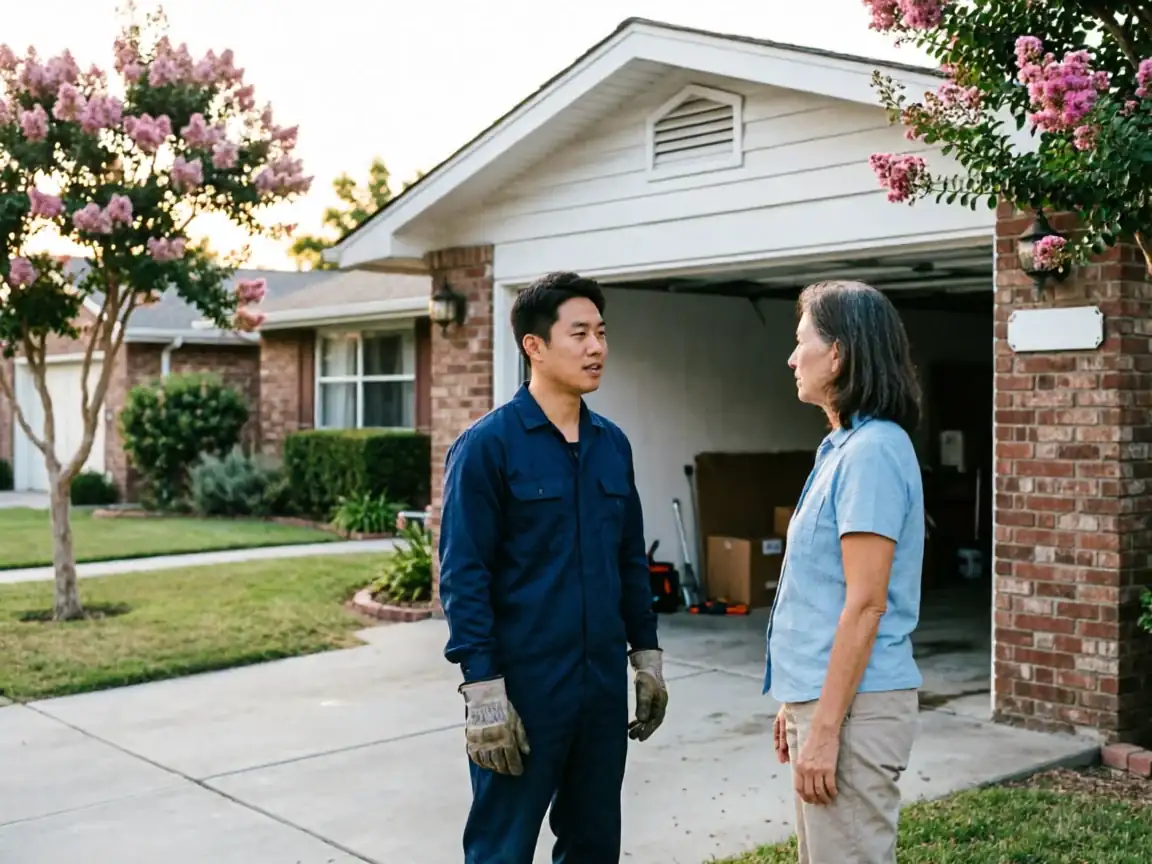
If your door is original to a 1991 build and the springs or rollers are shot, putting a new opener on top of that hardware is a short-term fix. We'll tell you if the smarter move is handling the door work first, even though that means a bigger job than the one you called about. We'd rather lose a quick sale than have you calling back in six months because the opener's straining against a door that was never fixed right.
We travel to Santa Fe from Galveston for this work, about 16 miles each way, and that's built into how we schedule the visit rather than tacked on as a separate charge
- 16 miles
How Long You Are Without the Door
An opener swap doesn't take your door out of service the way a full door replacement does. Through most of the job, the door itself stays mechanically sound - we disconnect it from the old opener, test that it moves freely by hand, and only reconnect it to the new unit once everything's wired and adjusted. If you need to get a car out mid-job, the door can usually still be raised manually.
What takes the time isn't bolting in the new motor - it's getting the safety sensors aligned, the travel limits set to your specific door, and the force settings tuned so the door reverses correctly instead of fighting whatever's underneath it. Rushing that part is how you end up with an opener that slams the door down on a sensor it should have caught.
If we find that the track or springs need work on top of the opener swap, that adds time, and we'll tell you before we start rather than discovering it halfway through and leaving the garage open longer than you expected.