Why It Happens Here
Hitchcock's median household income sits at $77,713, a notch below the wider service area's $82,018. That gap matters more than it sounds like it should, because it sets where the repair-or-replace line falls. At this income level, a $300-$500 spring or opener repair is almost always the right call on a door that's structurally sound, and full replacement only pencils out once the door itself is failing - rotted bottom panel, cracked stiles, a track that's been bent back into shape one too many times.
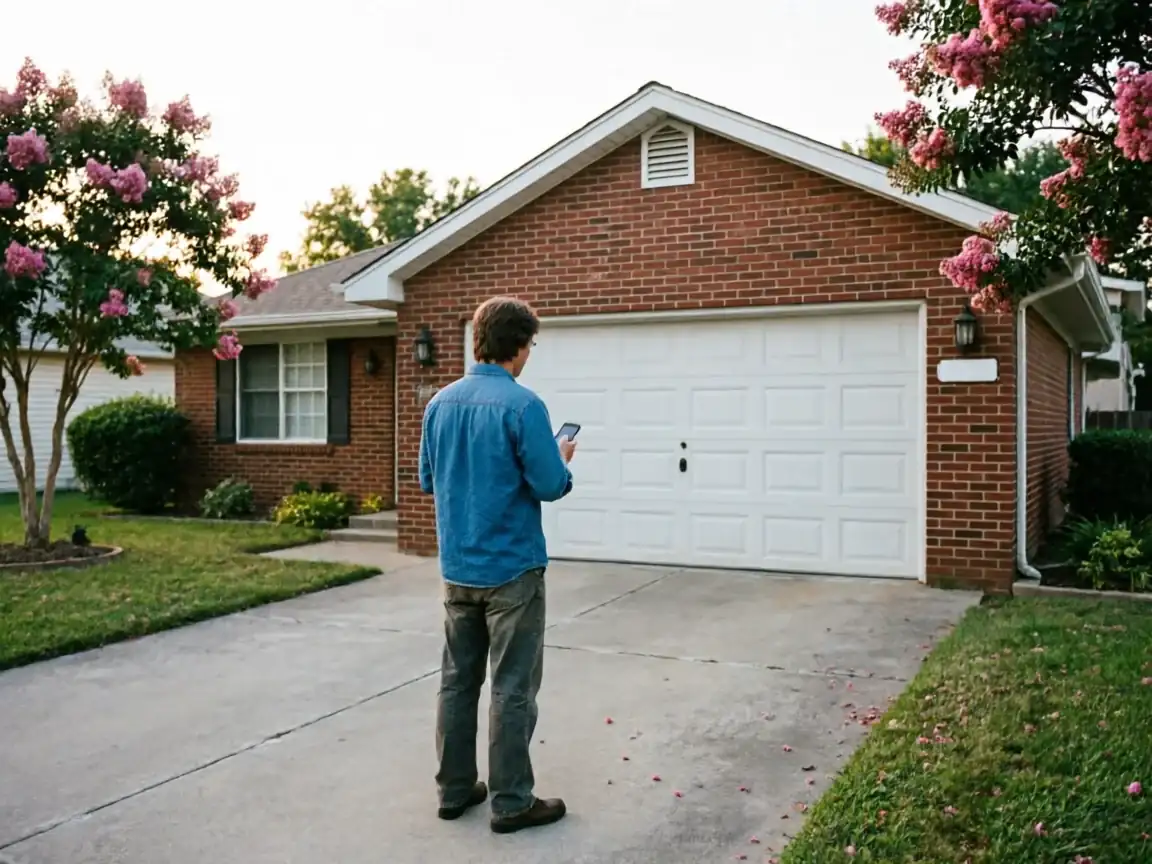
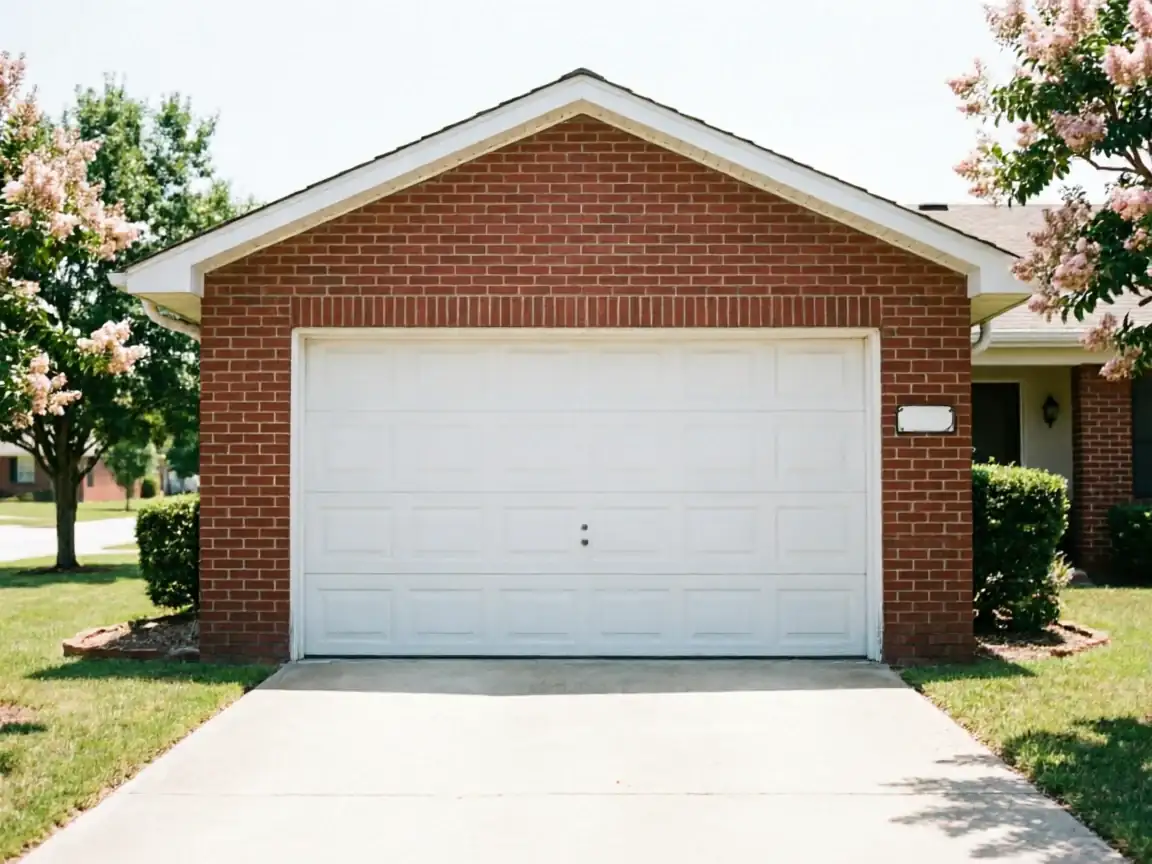
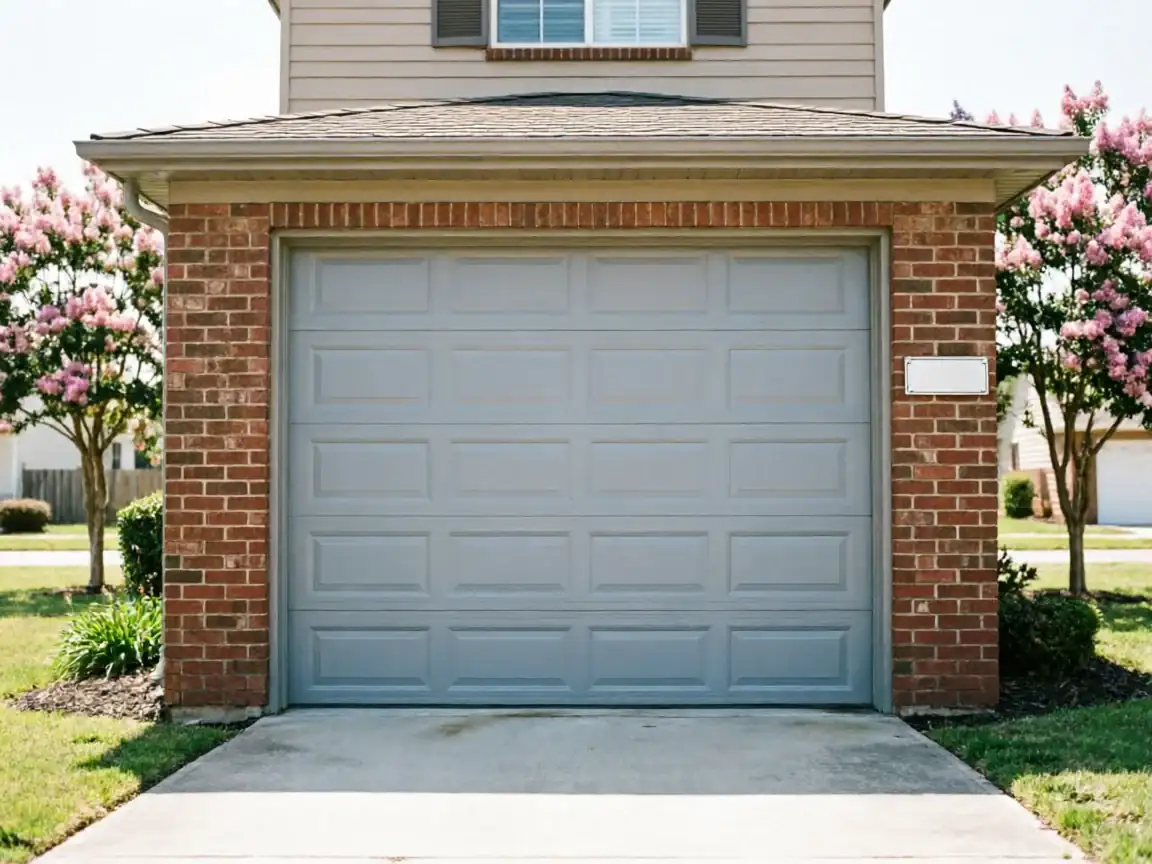
The houses themselves push repairs in a particular direction. Hitchcock's median year built is 1983, a year earlier than the broader area's 1984 median, and the housing stock here runs mostly 1980s builds. That means steel sectional doors on torsion springs that are now three to four decades old, with openers that have likely already been swapped once but tracks and drums that haven't. The mild coastal temperate climate doesn't freeze hardware or crack panels the way a harsher climate would, but it does mean humidity working steadily on unsealed spring coils and rollers that were never stainless.
With 2,769 households in Hitchcock, most sitting on original or near-original garage hardware from that build era, the failure pattern is consistent: springs that have simply worn out their cycle count, not springs that snapped from cold.
What Is on the Truck
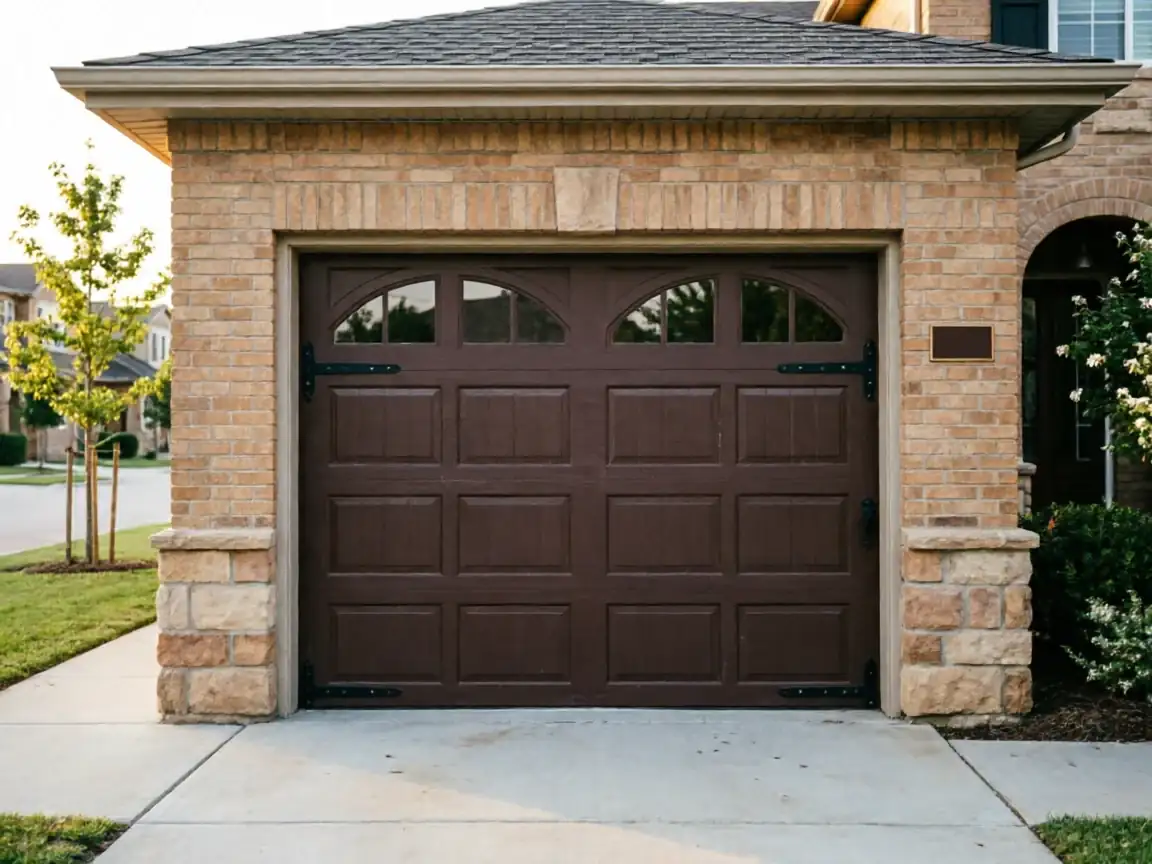
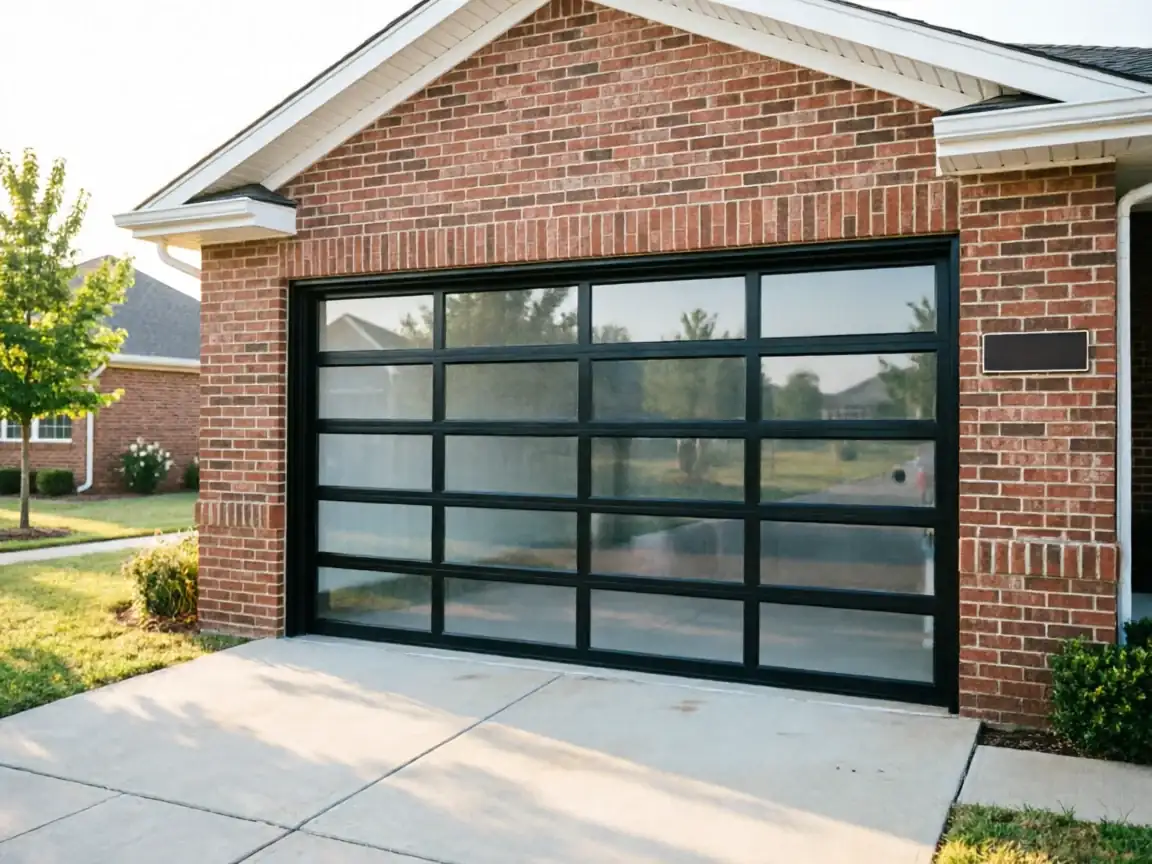
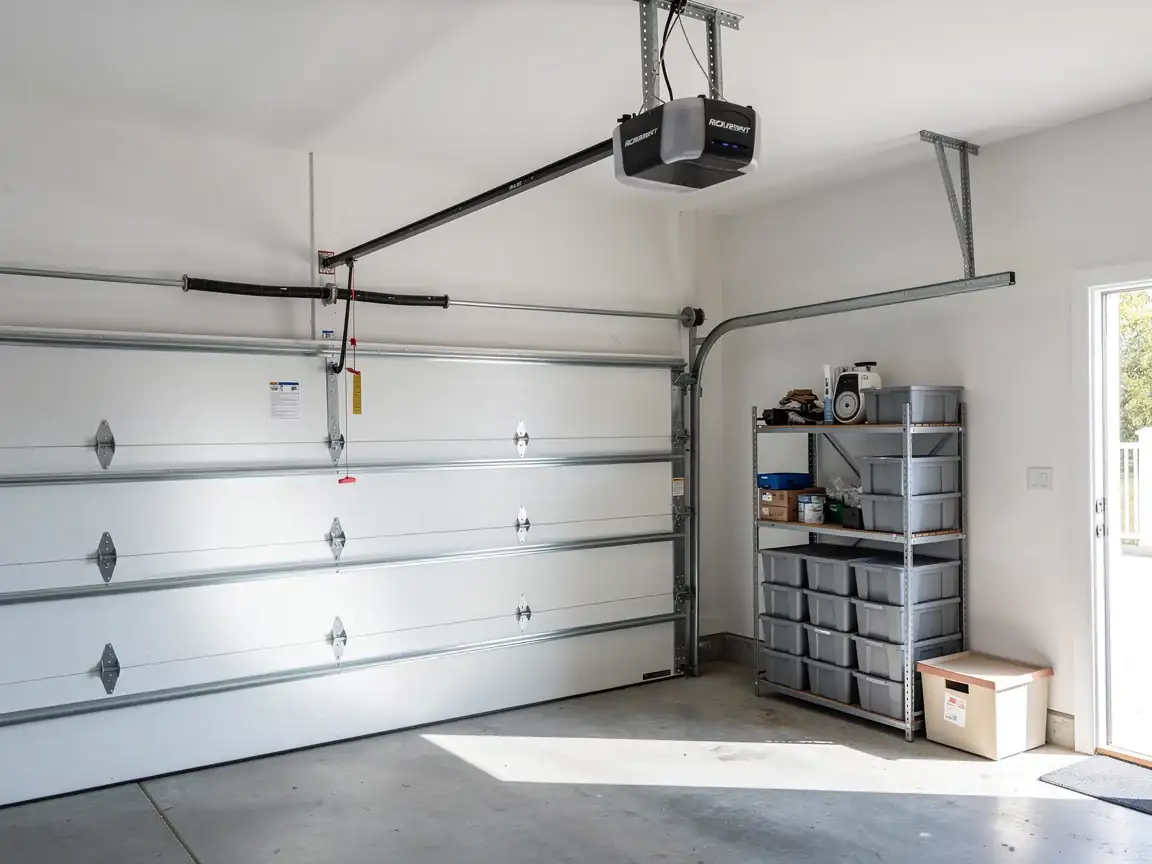
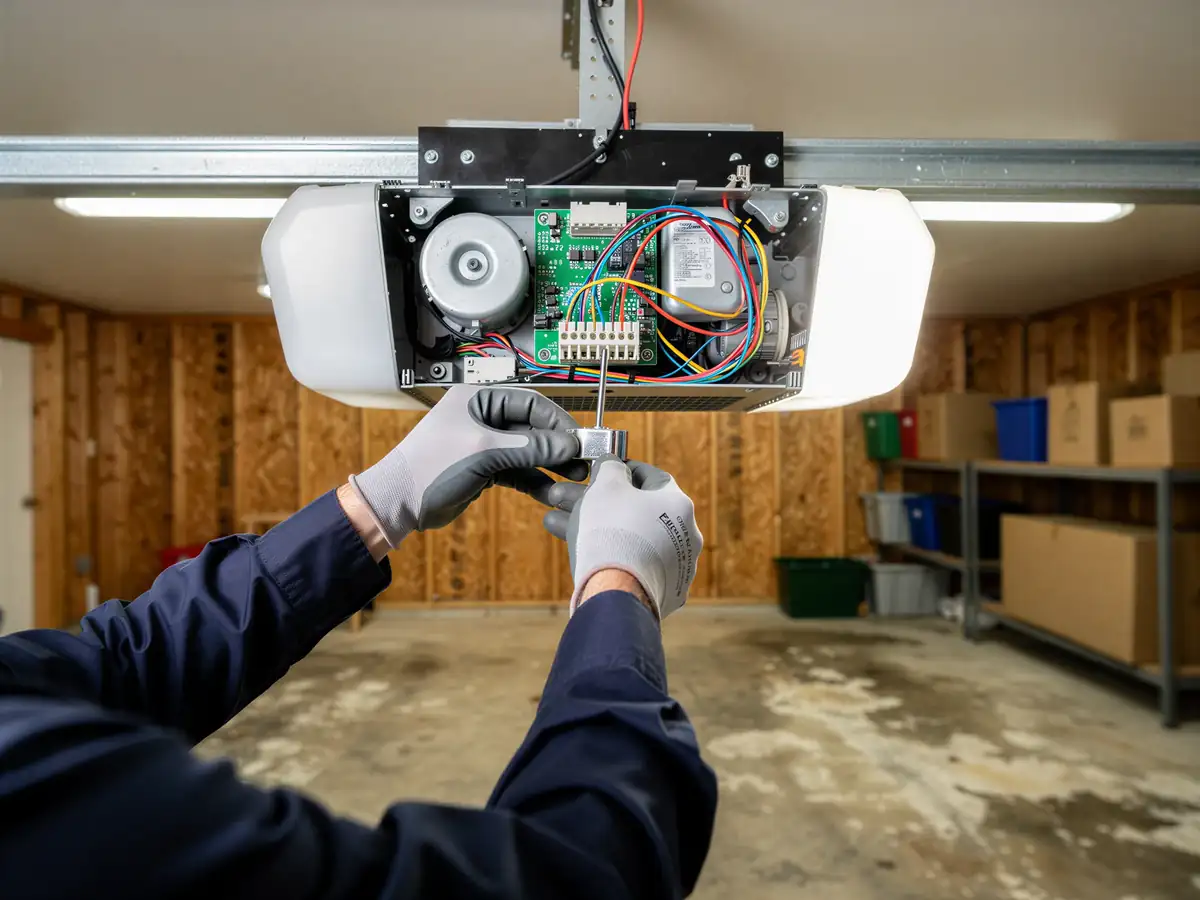
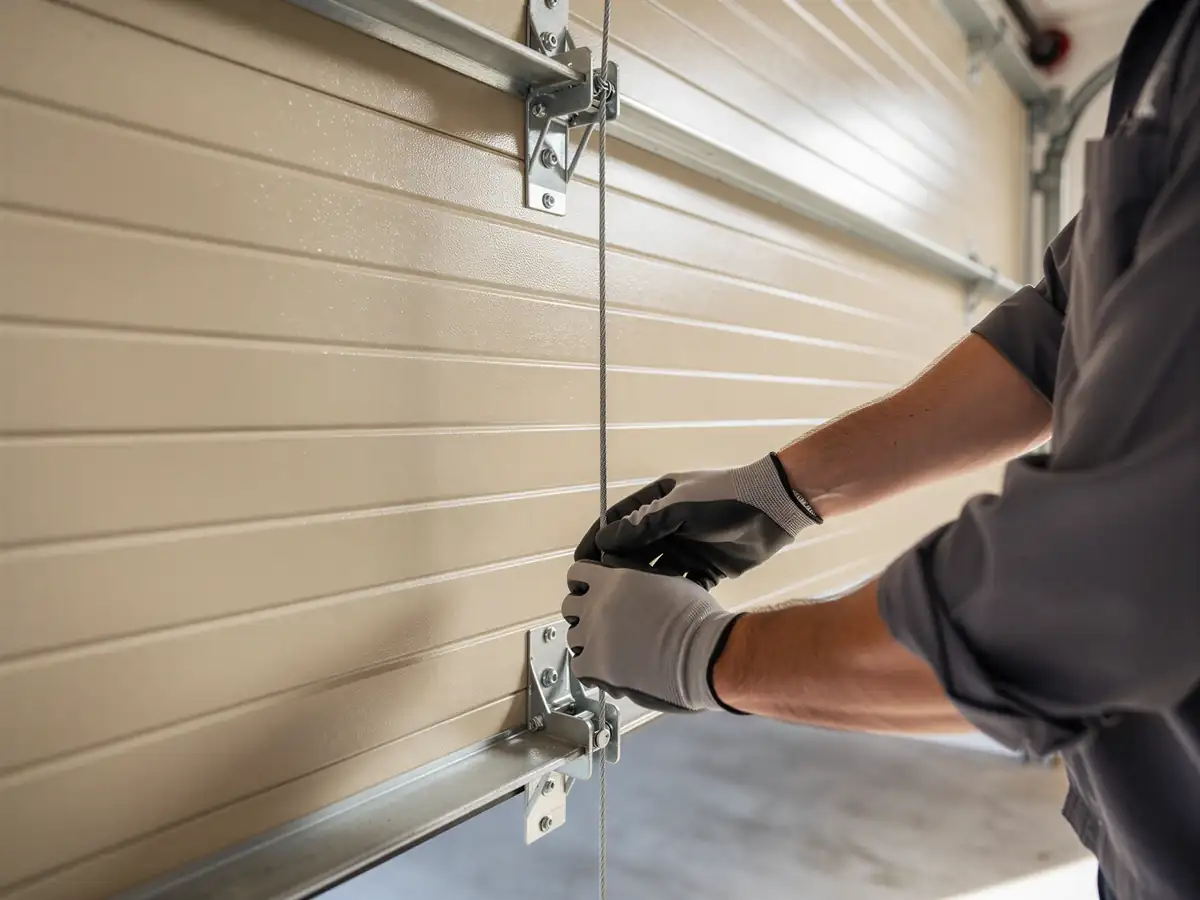
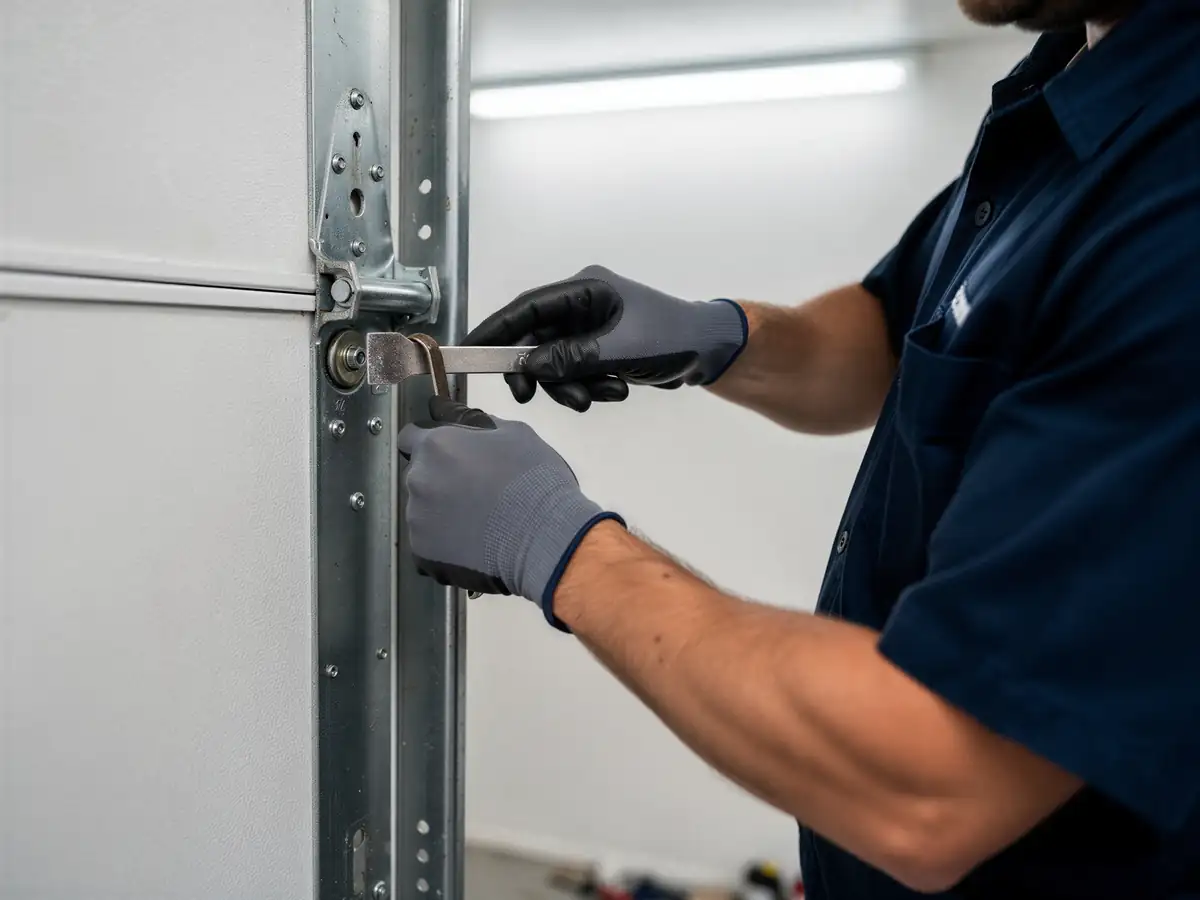
For a 1980s-era door, the parts that actually get used are torsion springs sized for the original door weight, standard-drum cable, steel rollers to replace the nylon ones that have gone brittle, and universal opener boards that cover most of what was installed as a second or third opener on these houses. What's less commonly needed is anything exotic - insulated glass-panel sections, smart-opener retrofits with battery backup, or wide commercial track. Those exist, but they're not what a typical call to Hitchcock turns into.
One honest limit: if a door needs a specific replacement panel that matched an original builder-grade door from the early 1980s, that panel may not be stocked anywhere and could mean a multi-day wait on special order, or a conversation about replacing the section with a close match instead of an exact one. We'll tell you which situation you're in before we start, not after.
How Long You Are Without the Door
The crew comes from Galveston, 7 miles out
So travel time to Hitchcock is short - this isn't a job that sits on a dispatch board for half a day because of distance. Most spring, cable, roller, and opener-board repairs on a standard door finish in a single visit once parts are on the truck, which covers the large majority of calls given the age and type of hardware common here.
- 7 miles
What extends the timeline isn't distance, it's parts
A broken spring or worn rollers get fixed same-visit nearly every time. A door that needs a full panel replacement, or an opener model old enough that boards aren't stocked for it, can mean ordering a part and a second visit. We'll give you a straight answer on which category your door falls into at the time we look at it, not a guess over the phone.
What Can Go Wrong
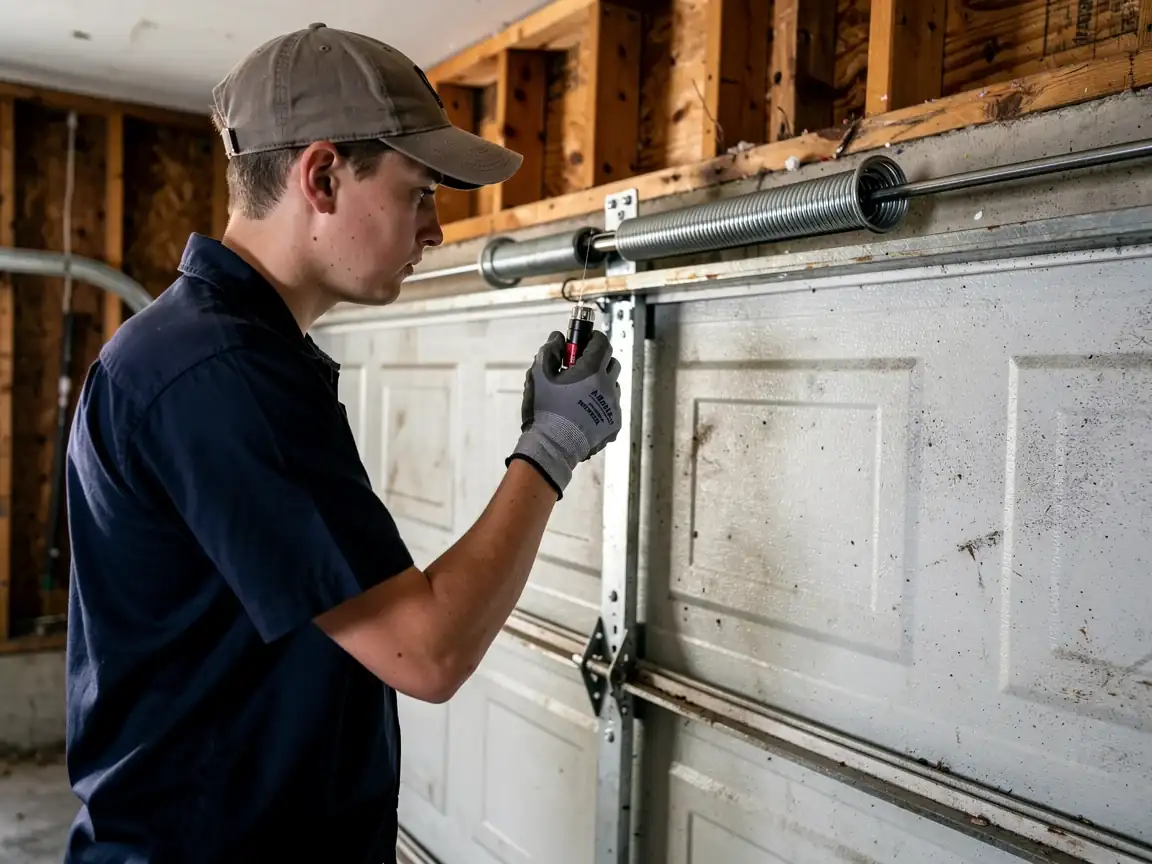
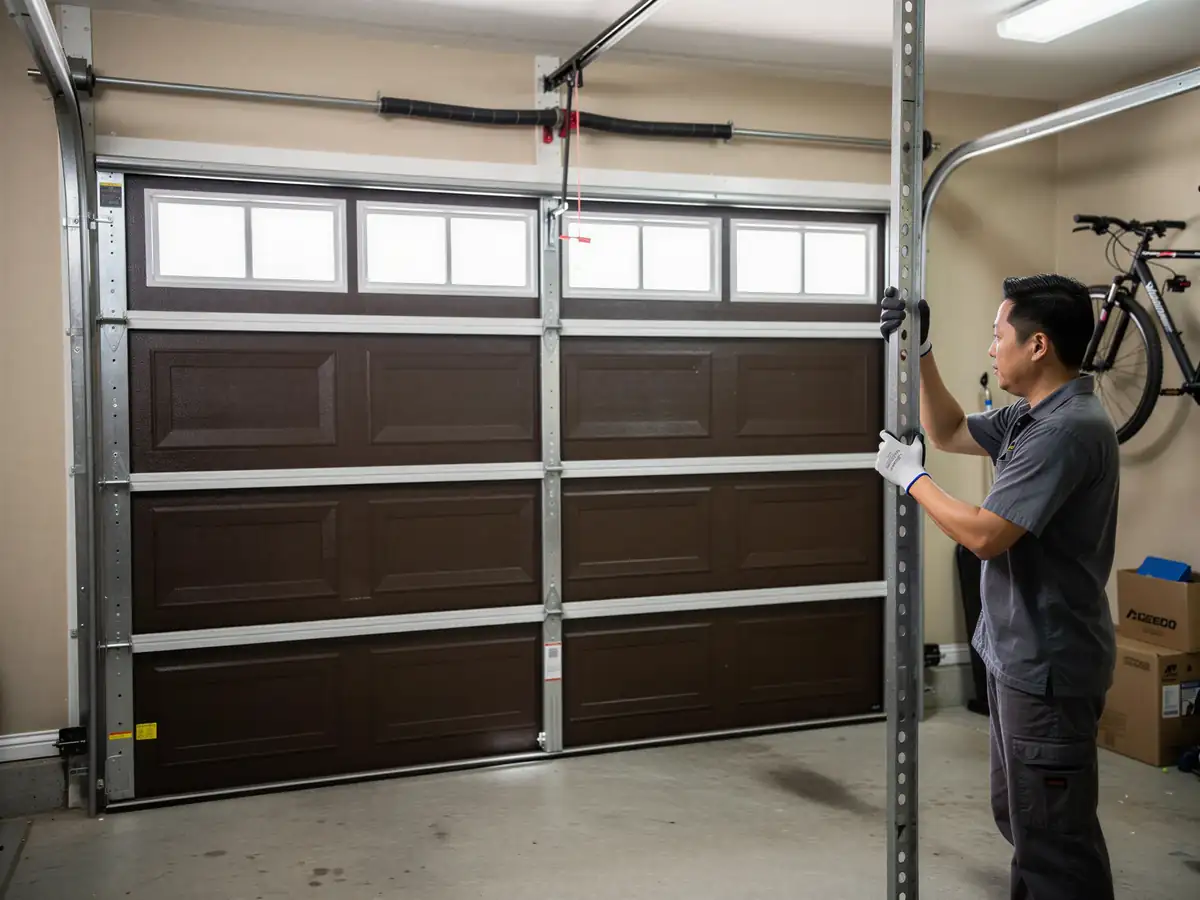
On a door from the early-to-mid 1980s, the spring is usually the first thing to go - torsion springs are rated for a cycle count, and a door opened twice a day for forty years has used up a lot of cycles. After that, it's cables fraying at the drum end and rollers that have gone from nylon-white to brittle and cracked, which puts uneven strain on the track and accelerates wear on everything else.
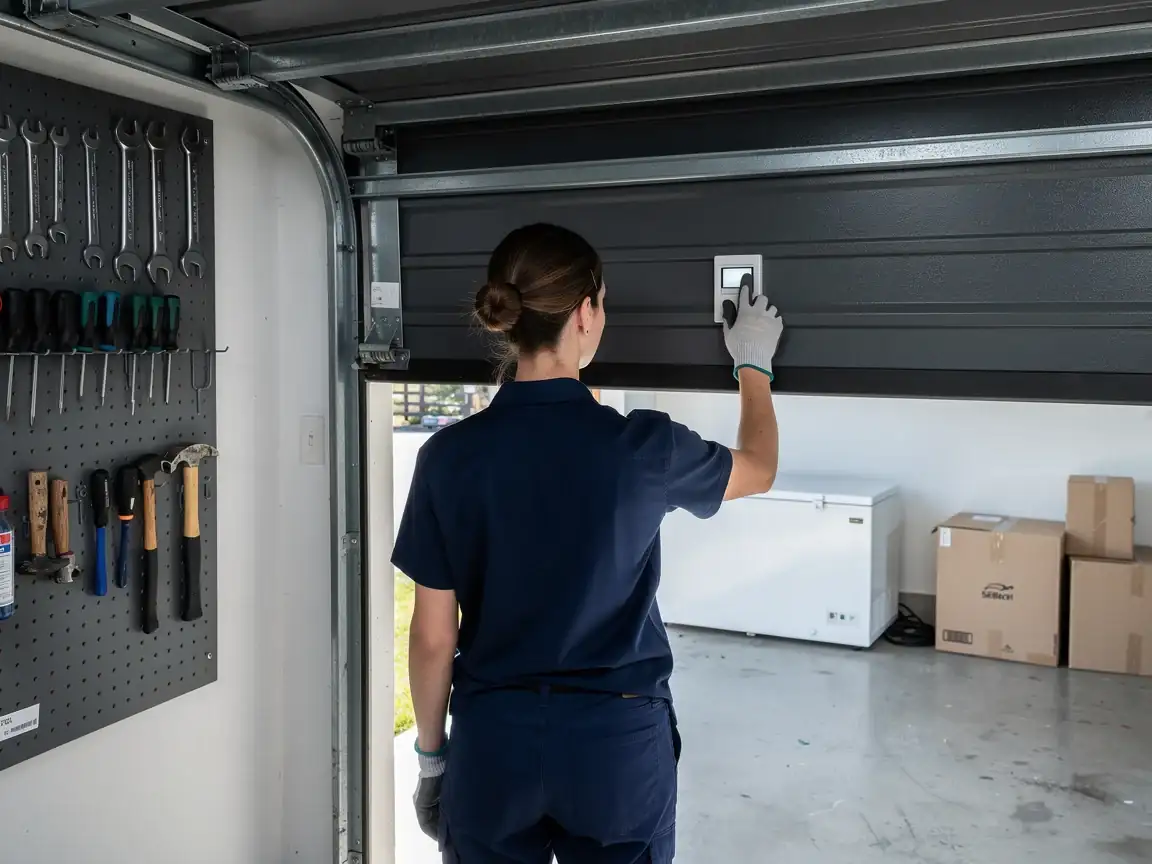
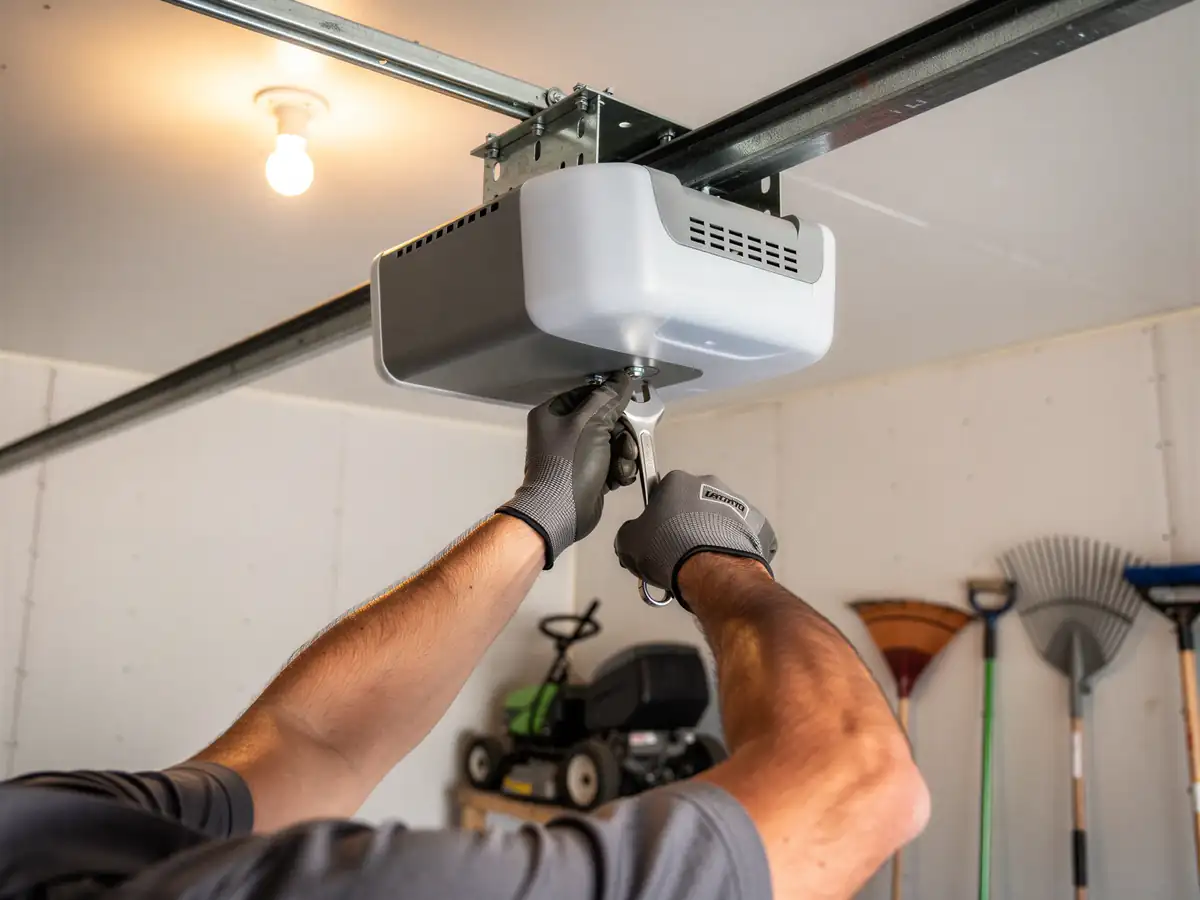
Openers from this era, or the first replacement opener installed sometime after, often run on circuit boards and drive systems that aren't made anymore. When one of those fails outright, repair isn't always possible - replacement with a current opener is usually the more sensible move, both for cost and for safety features like auto-reverse that older units may lack entirely.
The mild temperate climate here is kind to a door compared to places with hard freezes, but it isn't neutral: steady humidity works on unprotected spring coils and steel hardware over decades, which is part of why original coil winding and plating from a 1983 install tends to be the weak point by now rather than the door panel itself.