Why It Happens Here
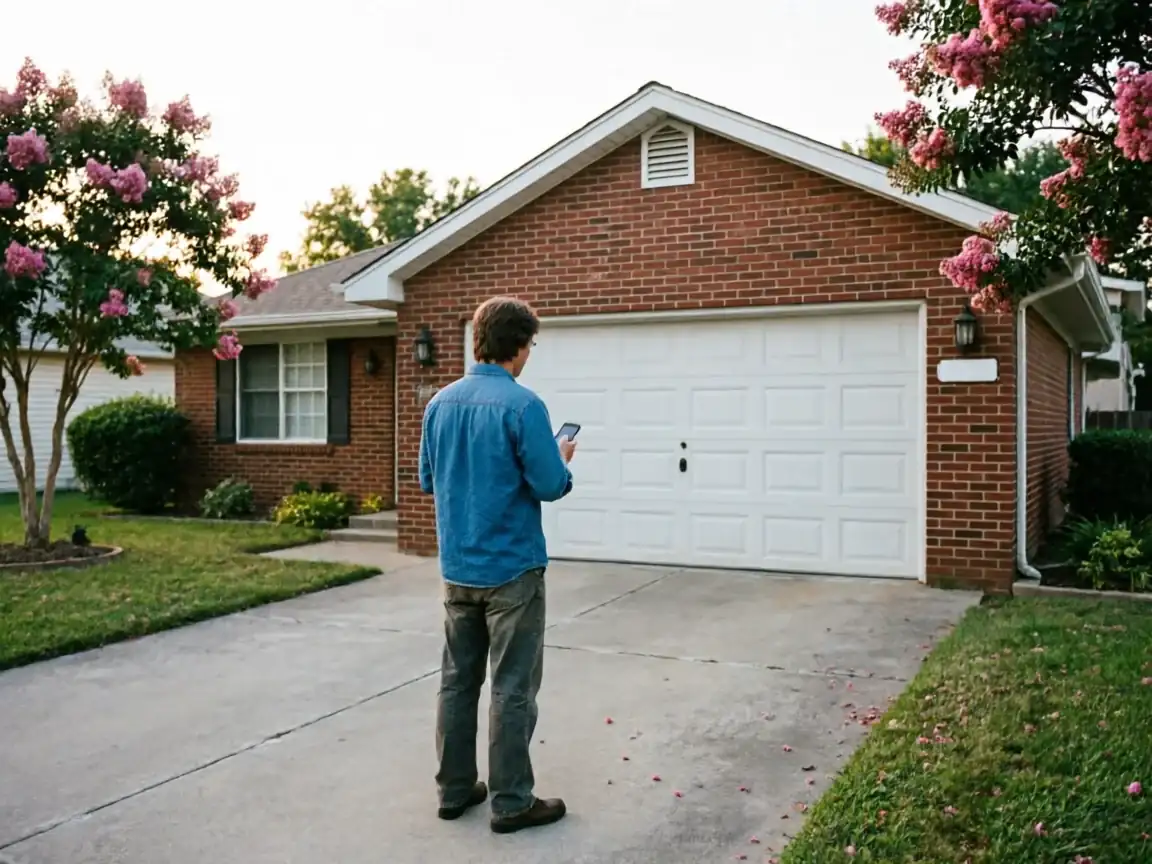
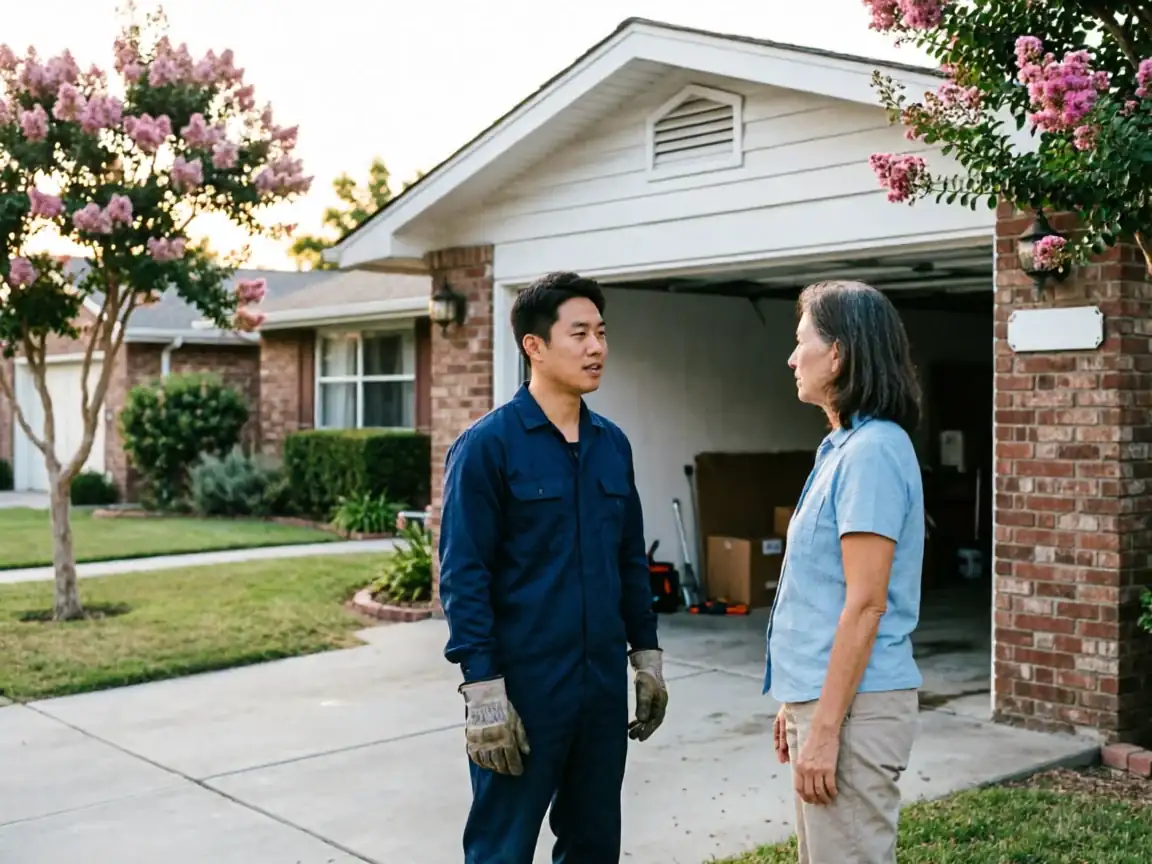
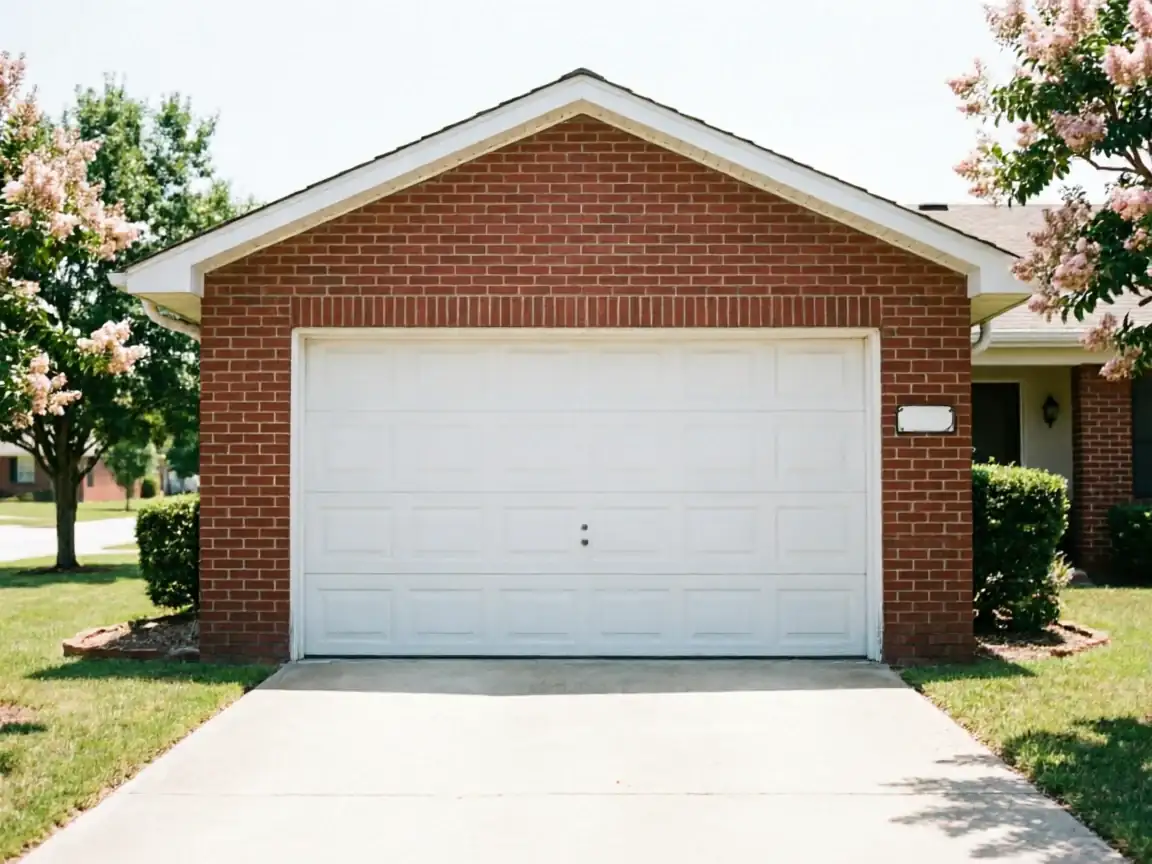
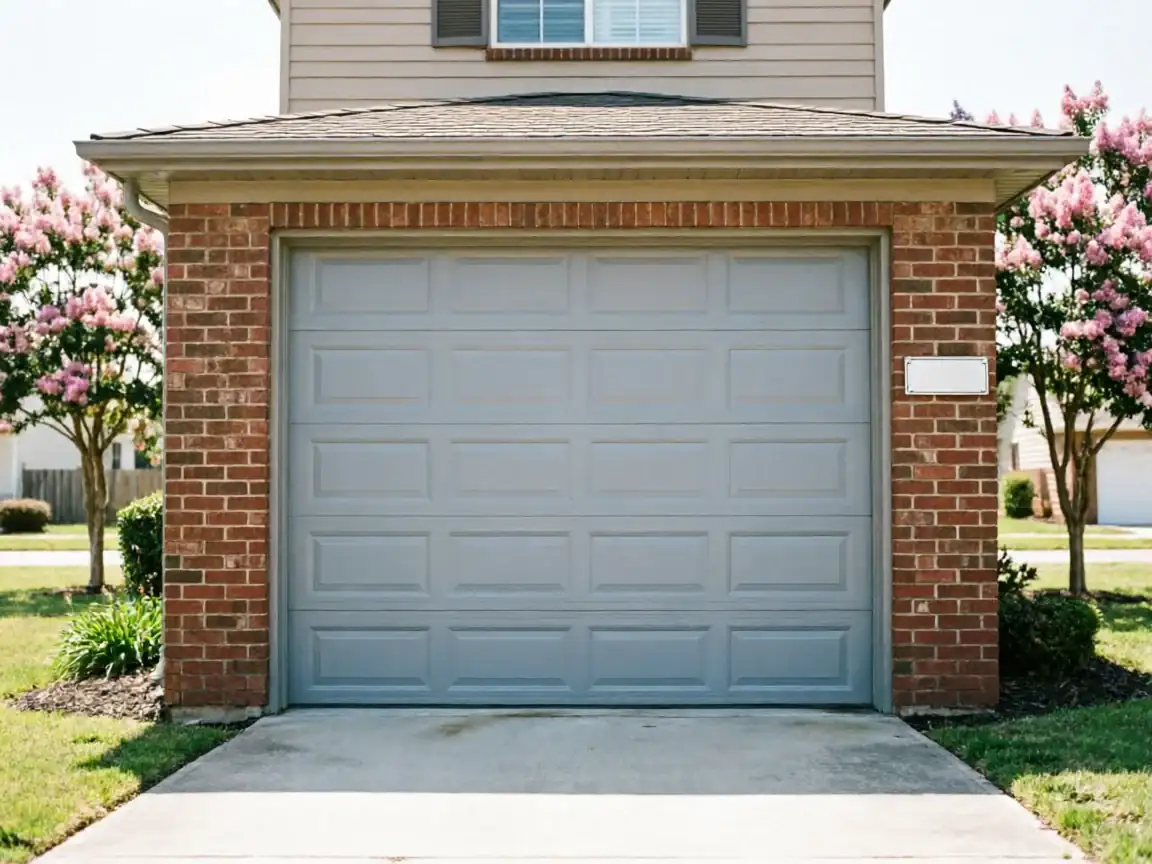
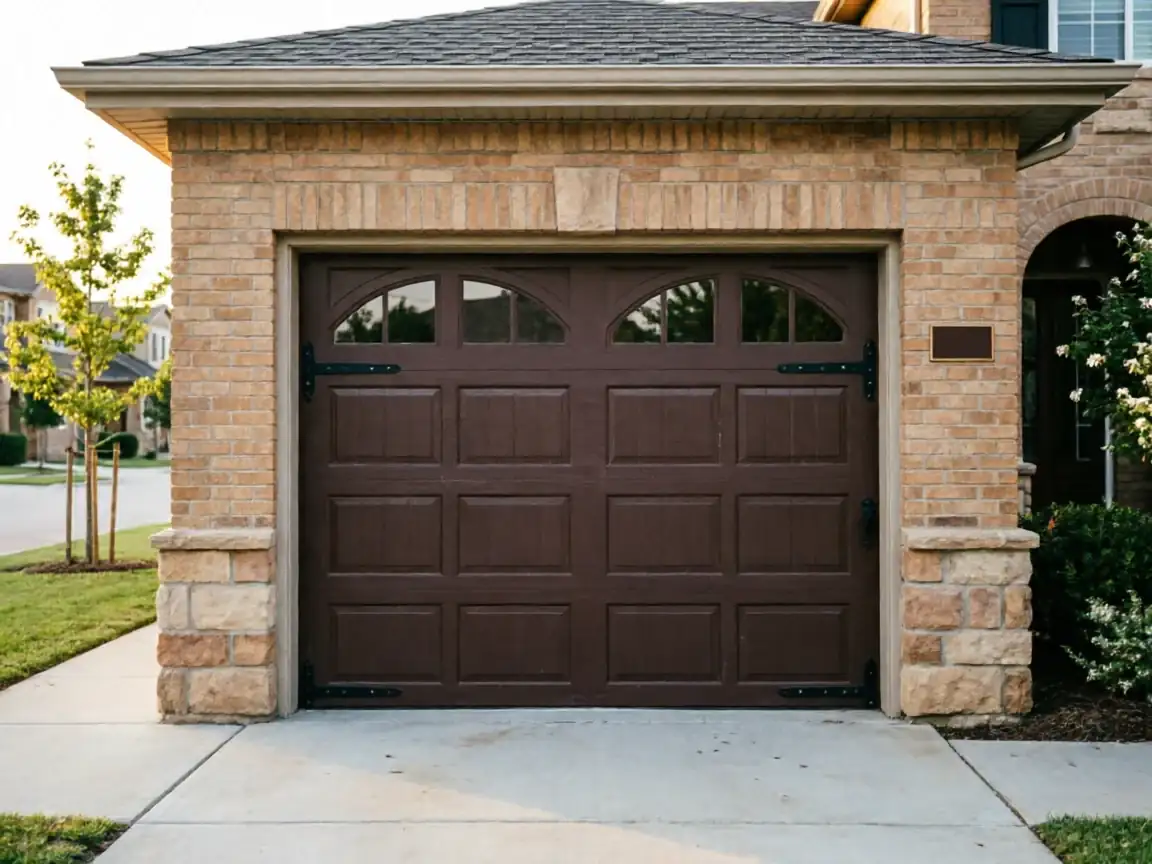
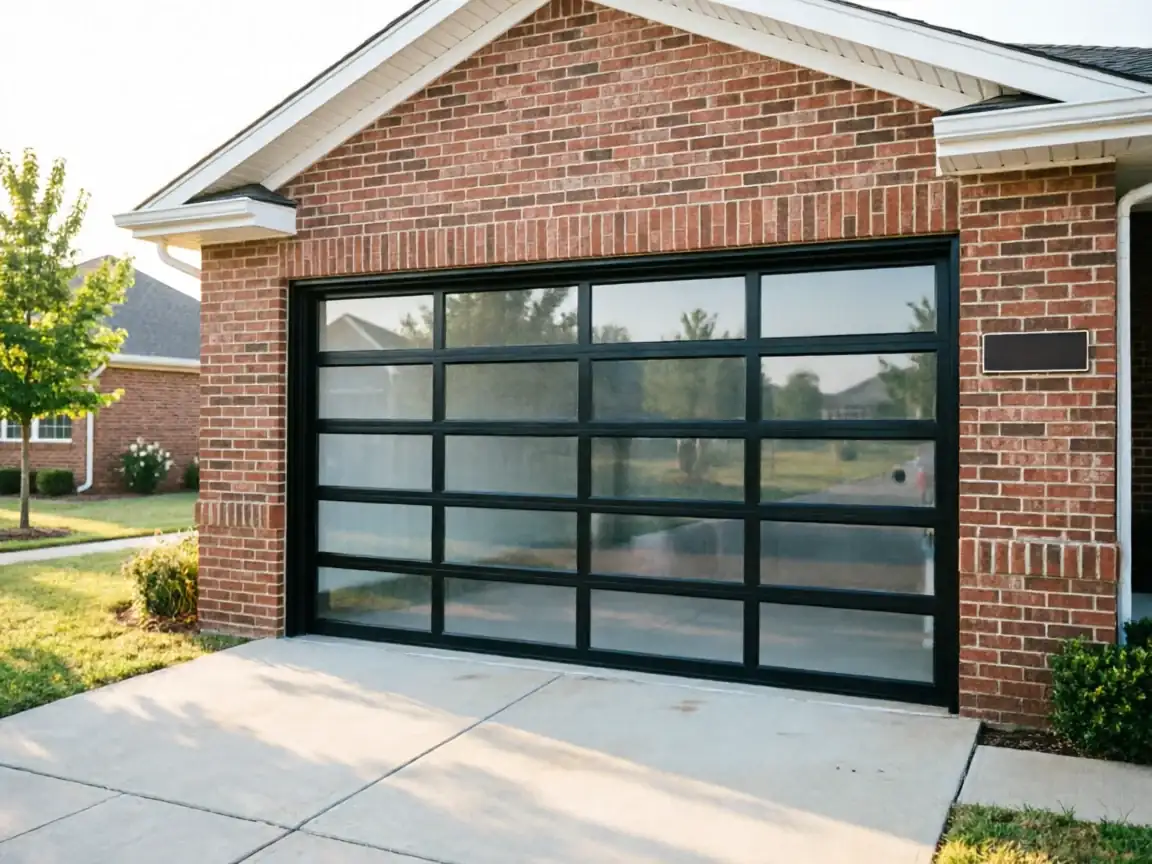
Hitchcock sits about 7 miles from our Galveston shop, close enough that a service call doesn't turn into a half-day trip, but far enough that we load the truck before we leave, not after we see the opener. That matters here because most houses in this part of the service area went up around 1983 - squarely in the 1978-1993 run that makes up most of the stock across the five areas we cover. Openers from that build era, or the first and second replacements installed since, tend to run chain-drive units with logic boards and safety sensors that weren't part of the original 1983 construction. Add a mild coastal climate that doesn't freeze components but does keep humidity high year-round, and you get a specific failure pattern: circuit boards that corrode slowly instead of dying all at once, drive gears that strip quietly, and safety-eye brackets that shift just enough to throw false reversals. None of that is dramatic. It just means the opener works fine for years and then doesn't, with no single obvious cause - which is why a lot of these calls start with 'it was fine yesterday.'
What Is on the Truck
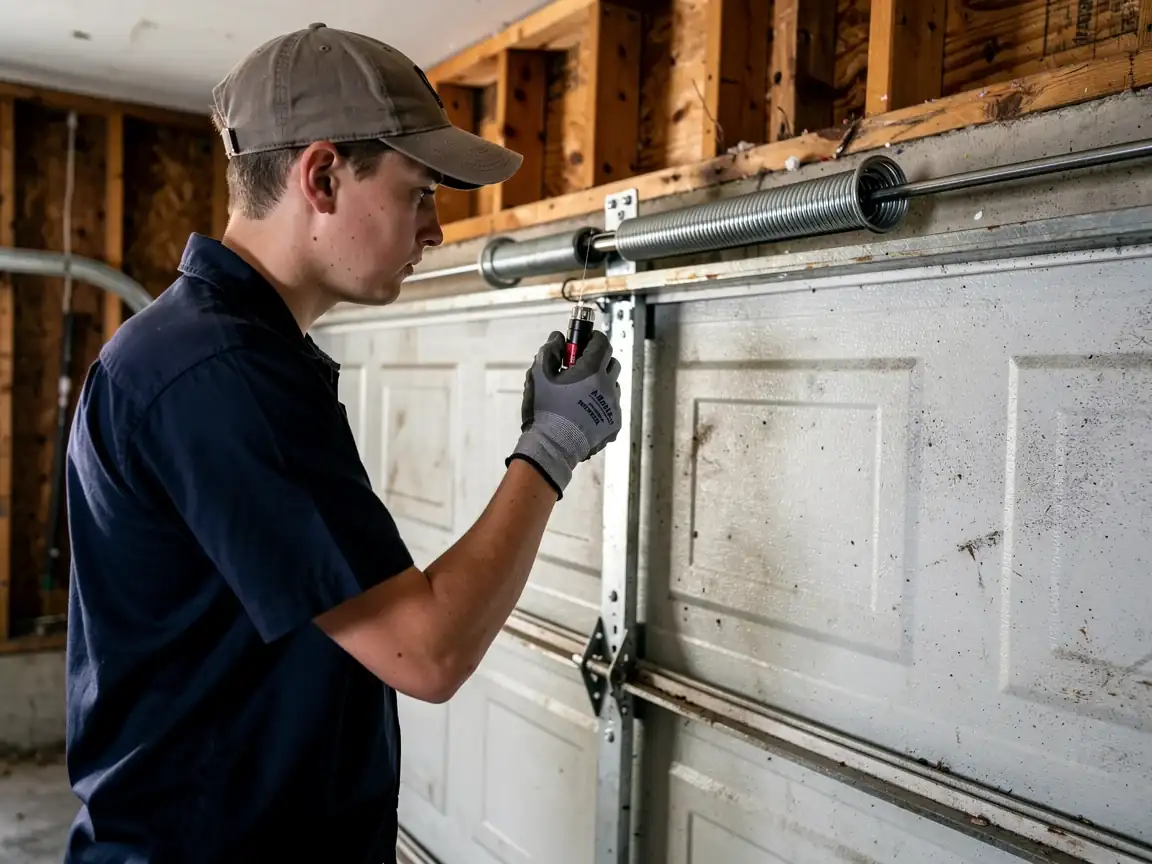
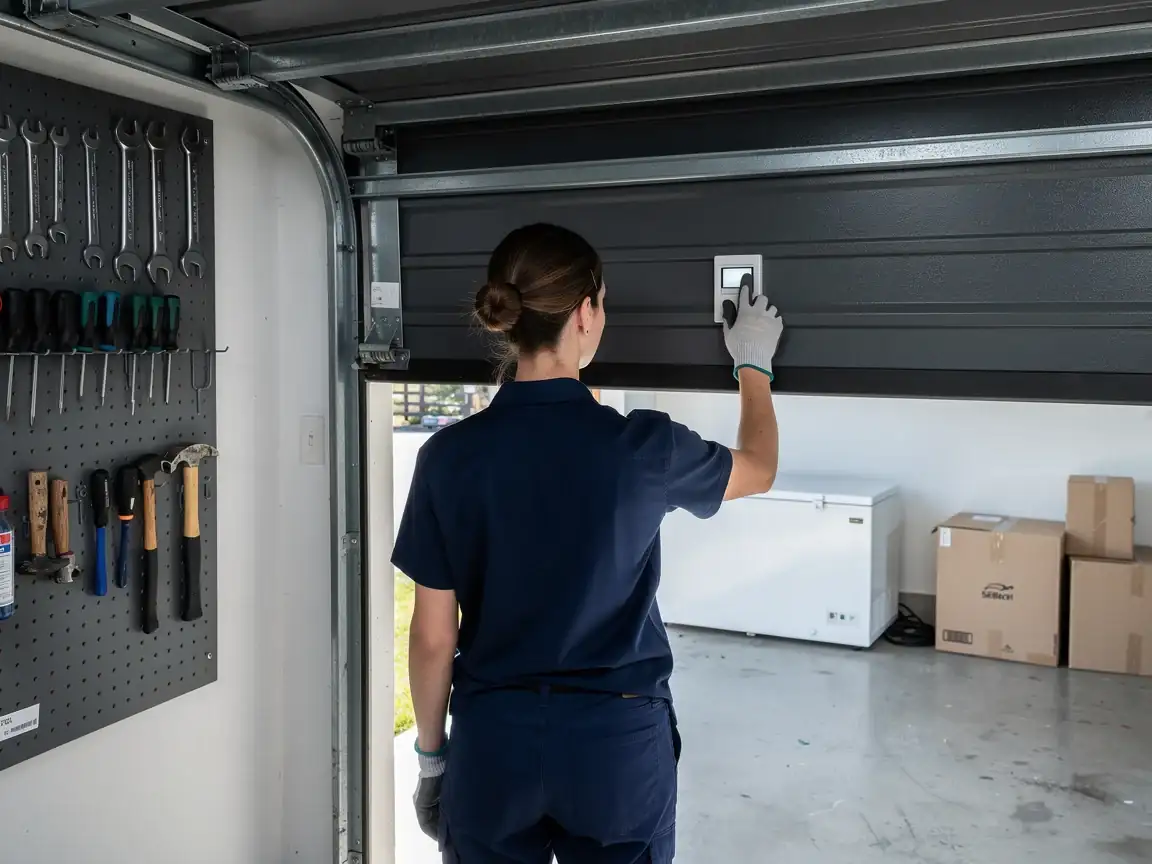
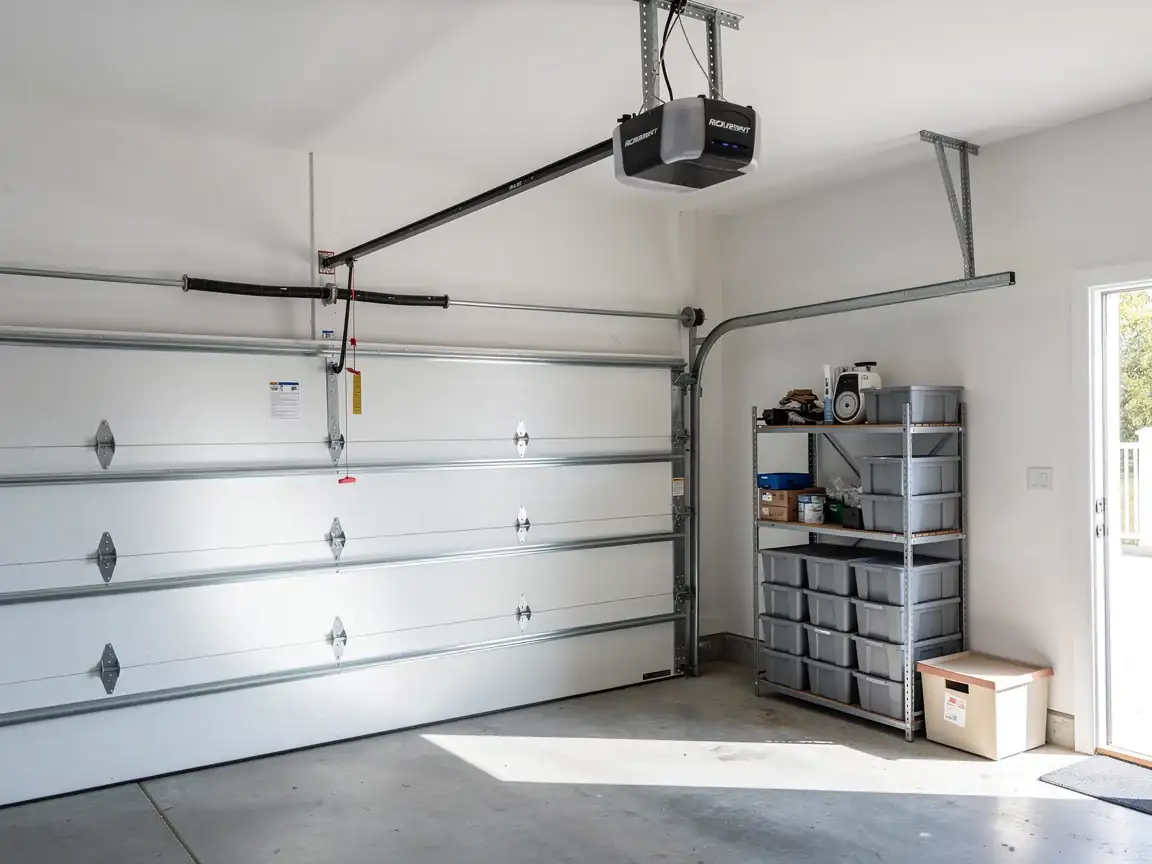
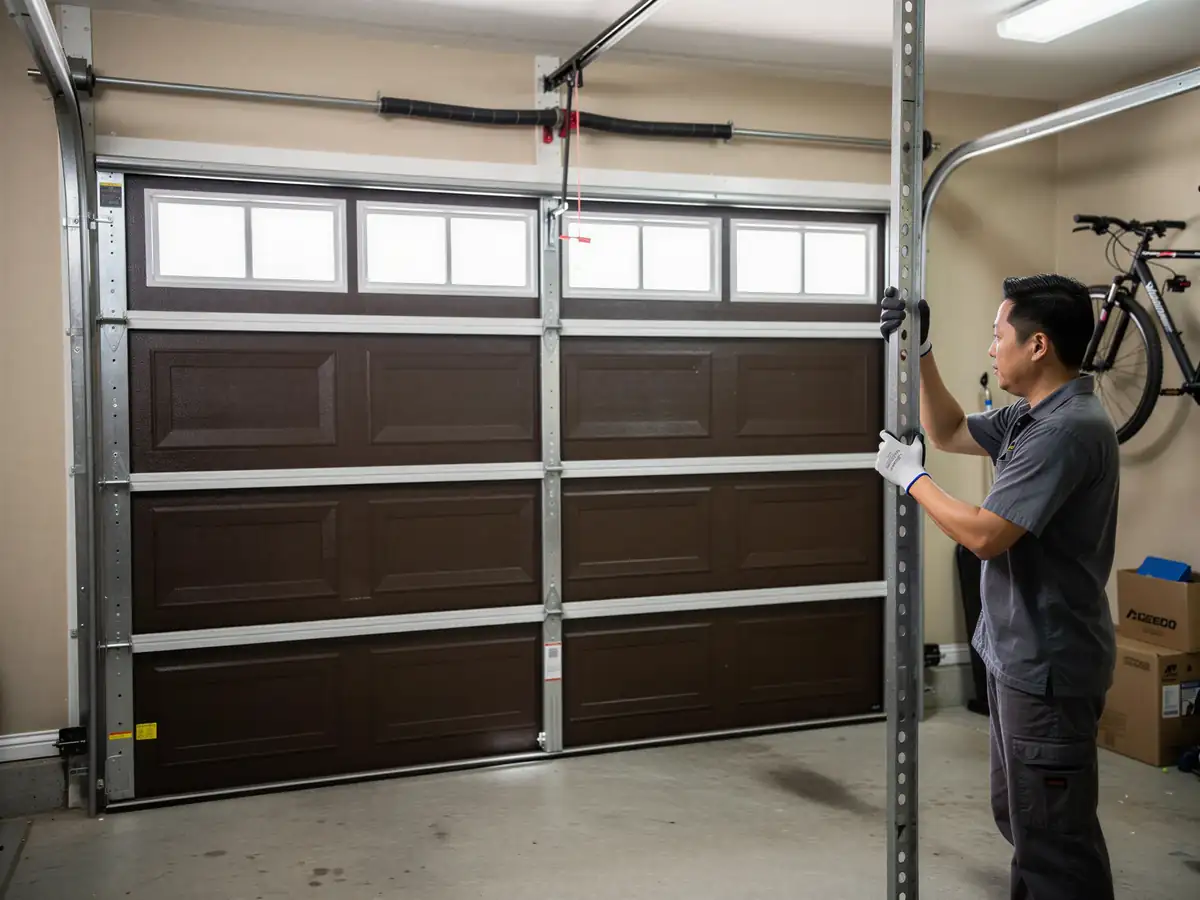
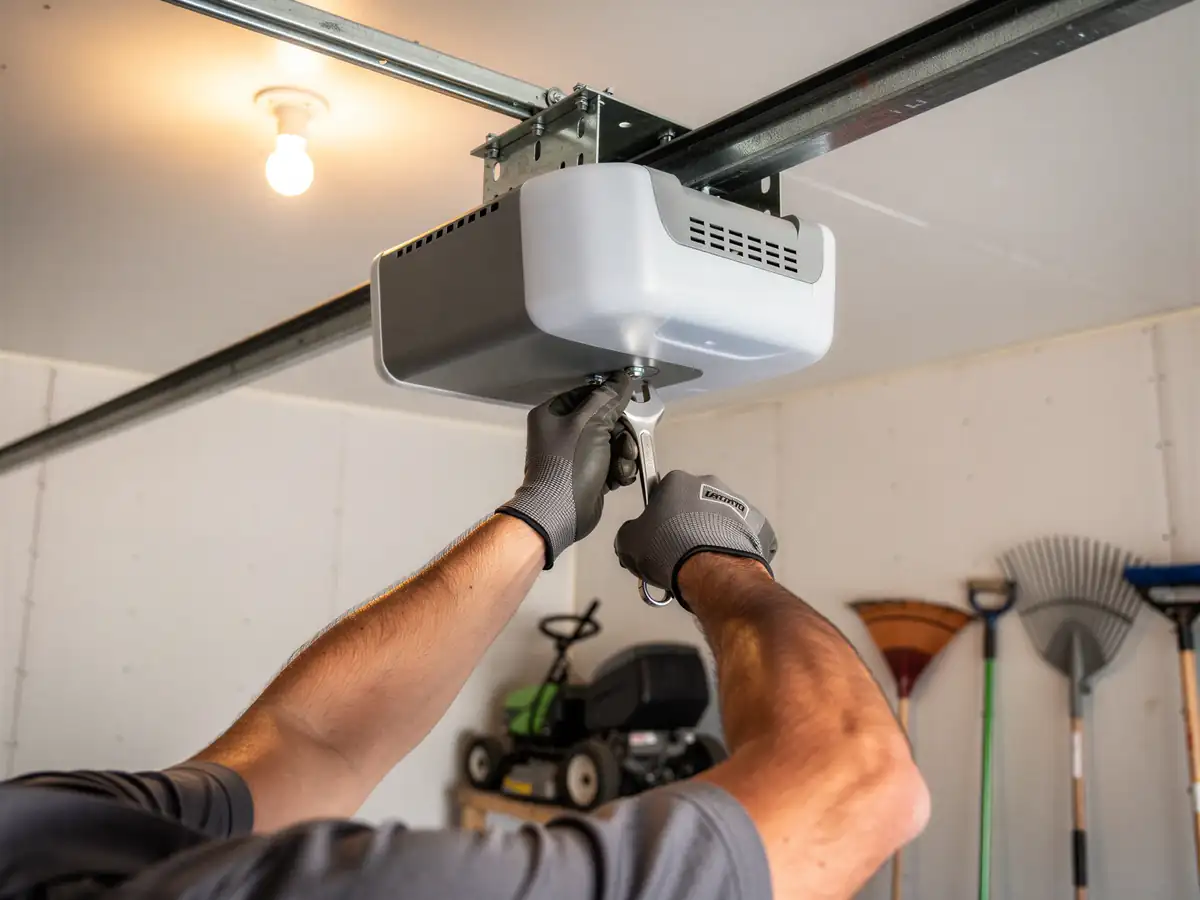
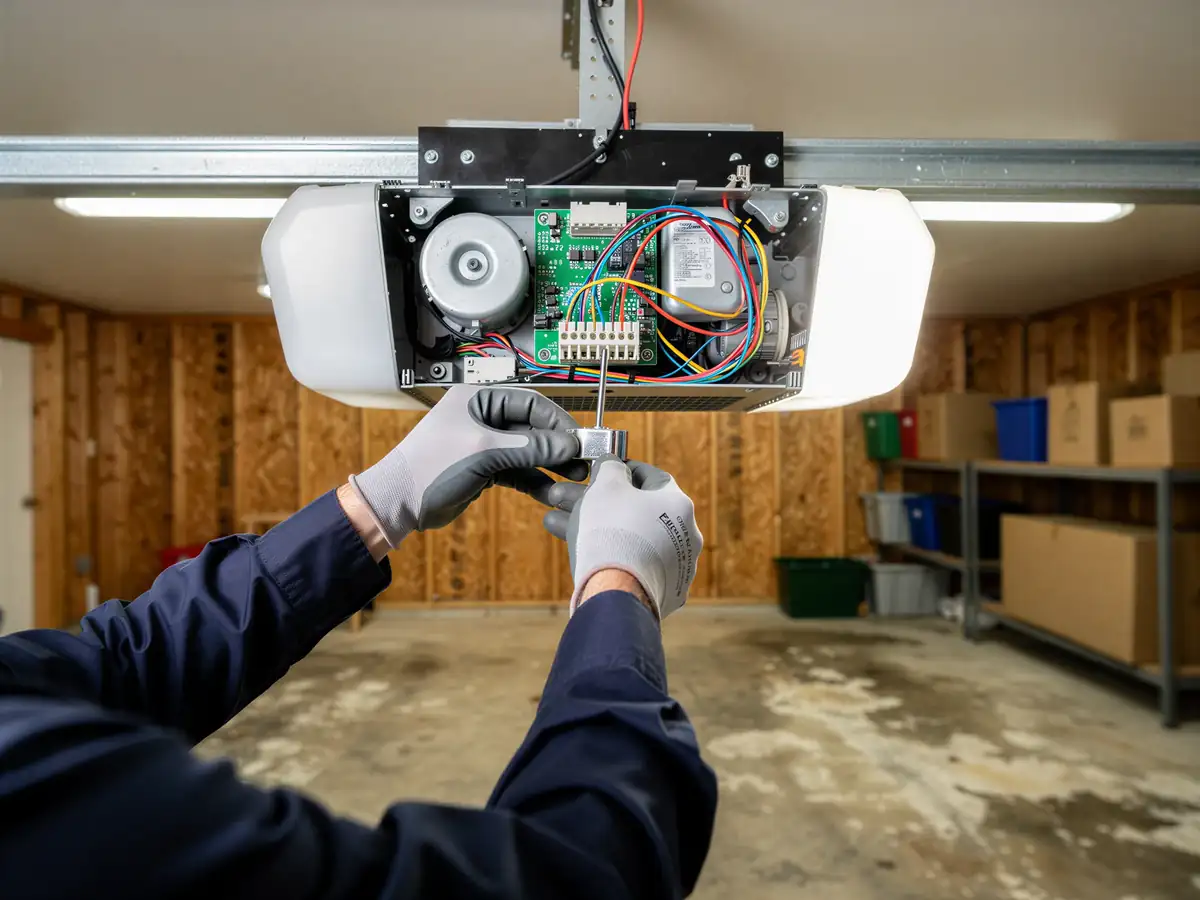
Because the drive out starts in Galveston, the truck carries parts chosen for what actually fails on openers from this housing era rather than a little of everything. That means logic boards and capacitors sized for the chain and belt-drive units common in homes built in the early-to-mid 1980s, replacement safety sensors and brackets, drive gears and sprockets, and wall control stations. Wall units and keypads get swapped more than you'd think - they take the most physical wear and sit exposed to the same humidity that gets into everything else out here. What doesn't ride along as a matter of course: full opener units in every brand and horsepower. If your unit needs a specific replacement model, that part gets ordered and the second trip gets scheduled once it's in hand, rather than guessed at on the first visit.
What Can Go Wrong
The honest limitation first: we don't stock every opener model on the truck, so if yours needs a full unit replacement rather than a part swap, you're looking at two visits, not one. Beyond that, the most common things we see go wrong with Hitchcock openers: safety sensor brackets that have crept out of alignment from years of garage temperature swings in this mild but humid climate, logic boards with corrosion on the contacts that causes intermittent operation long before total failure, and stripped nylon drive gears on older chain-drive units - a cheap part, but one that has to be matched to the specific opener model. Less common but real: wiring at the wall control that's been pinched or chewed, usually from something stored too close to the garage ceiling. None of these are emergencies in the fire-department sense, but a door that won't close on command is a security problem worth fixing that same week, not that same hour.