Why It Happens Here
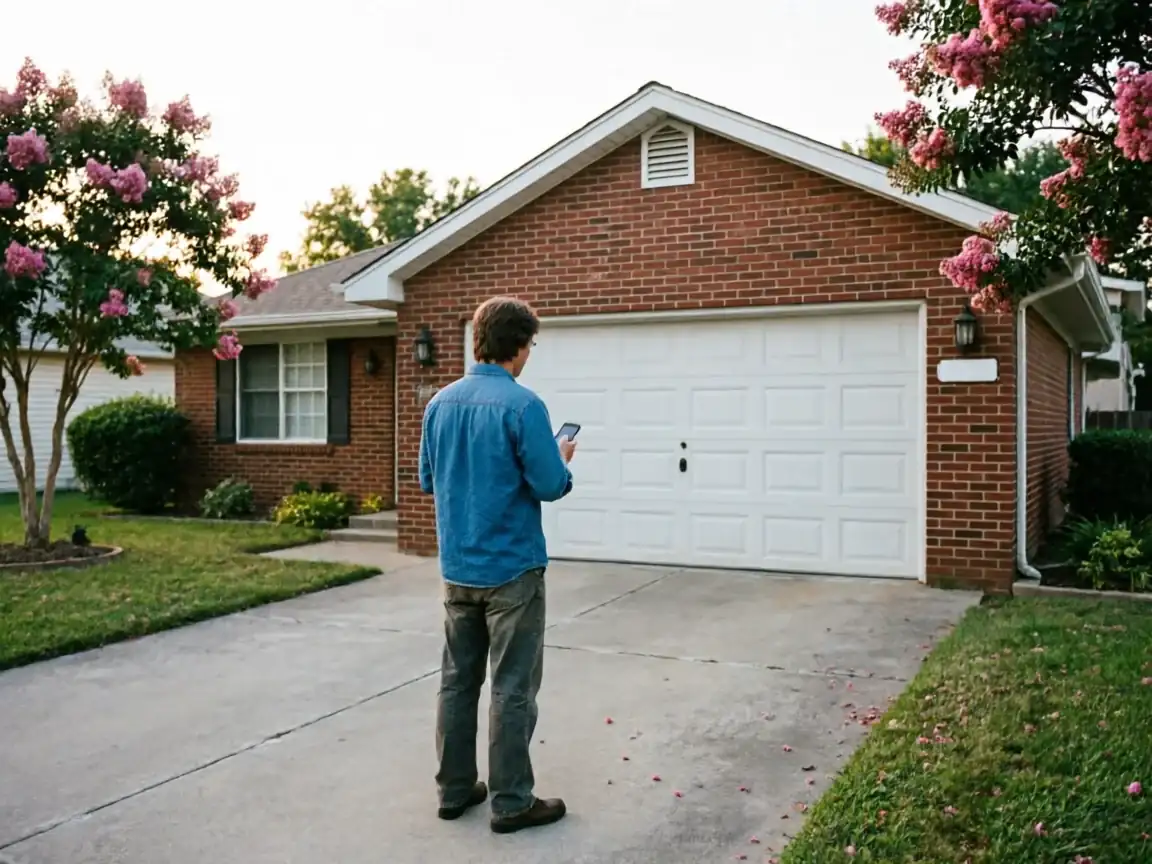
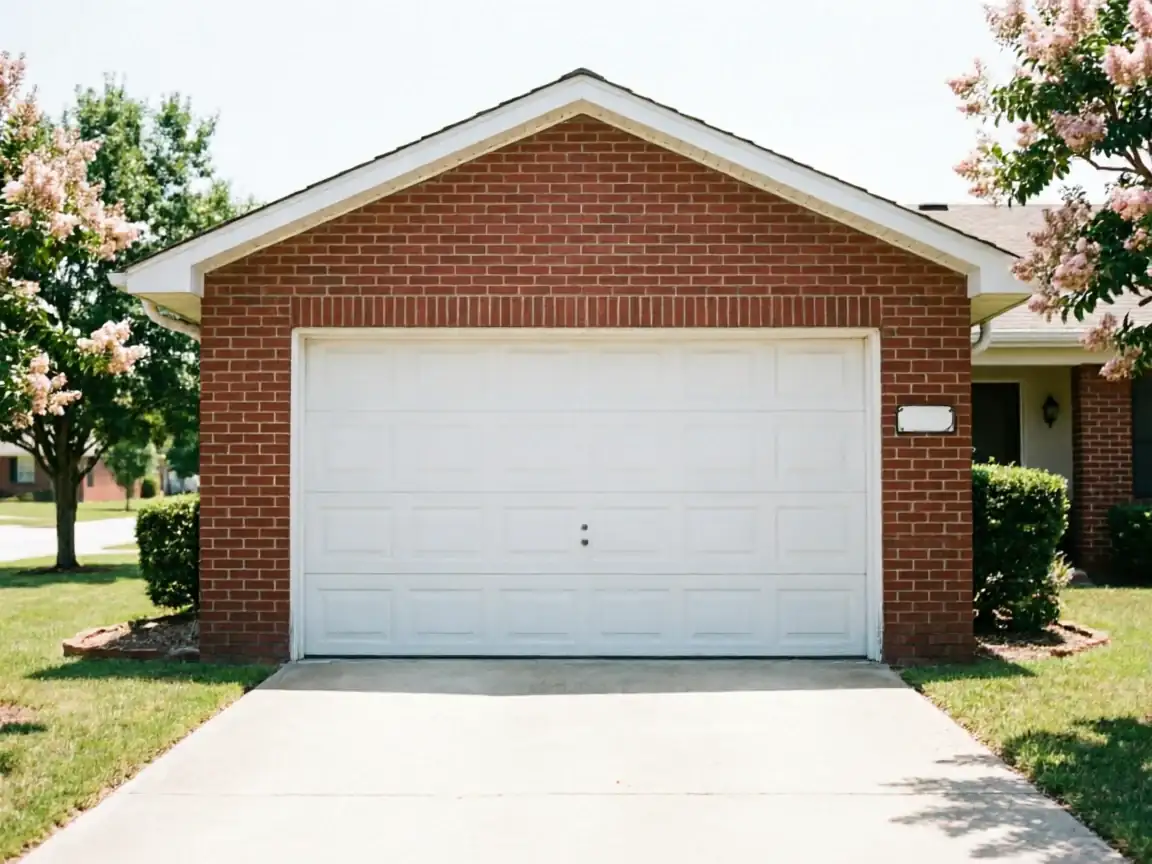
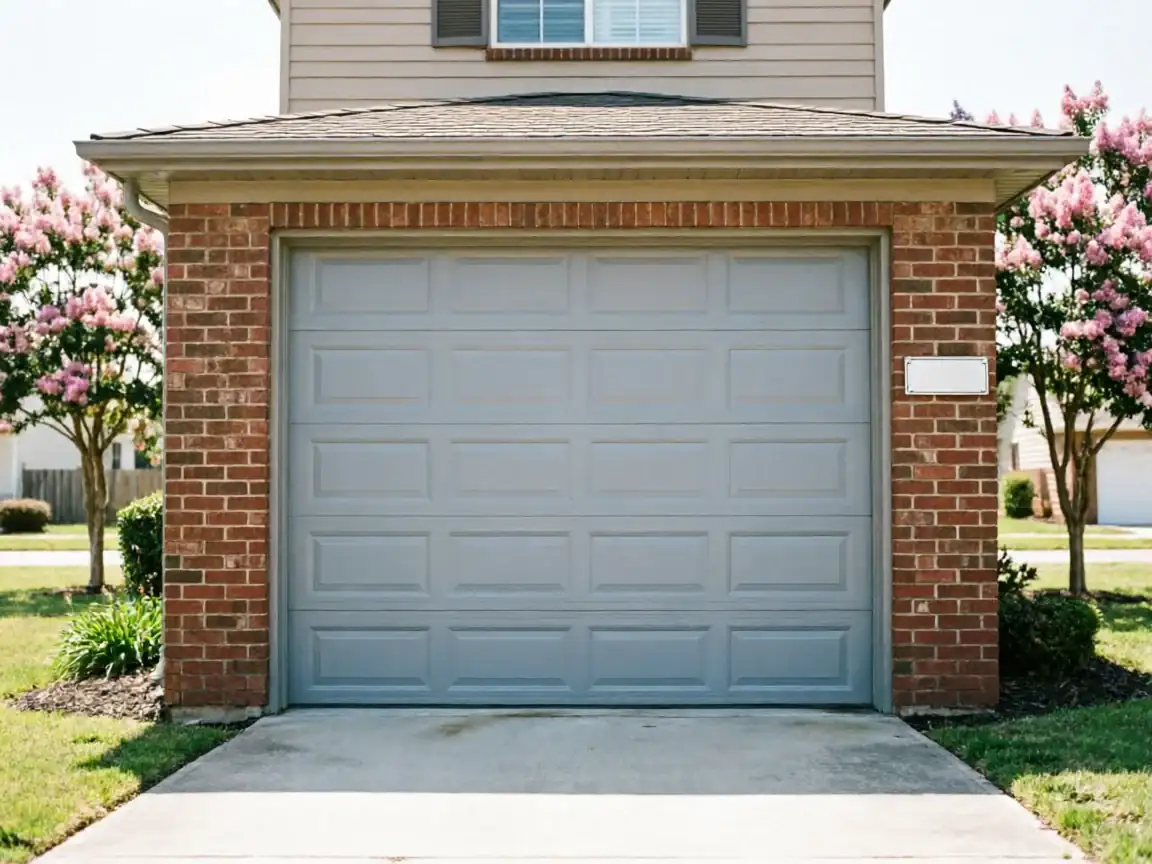
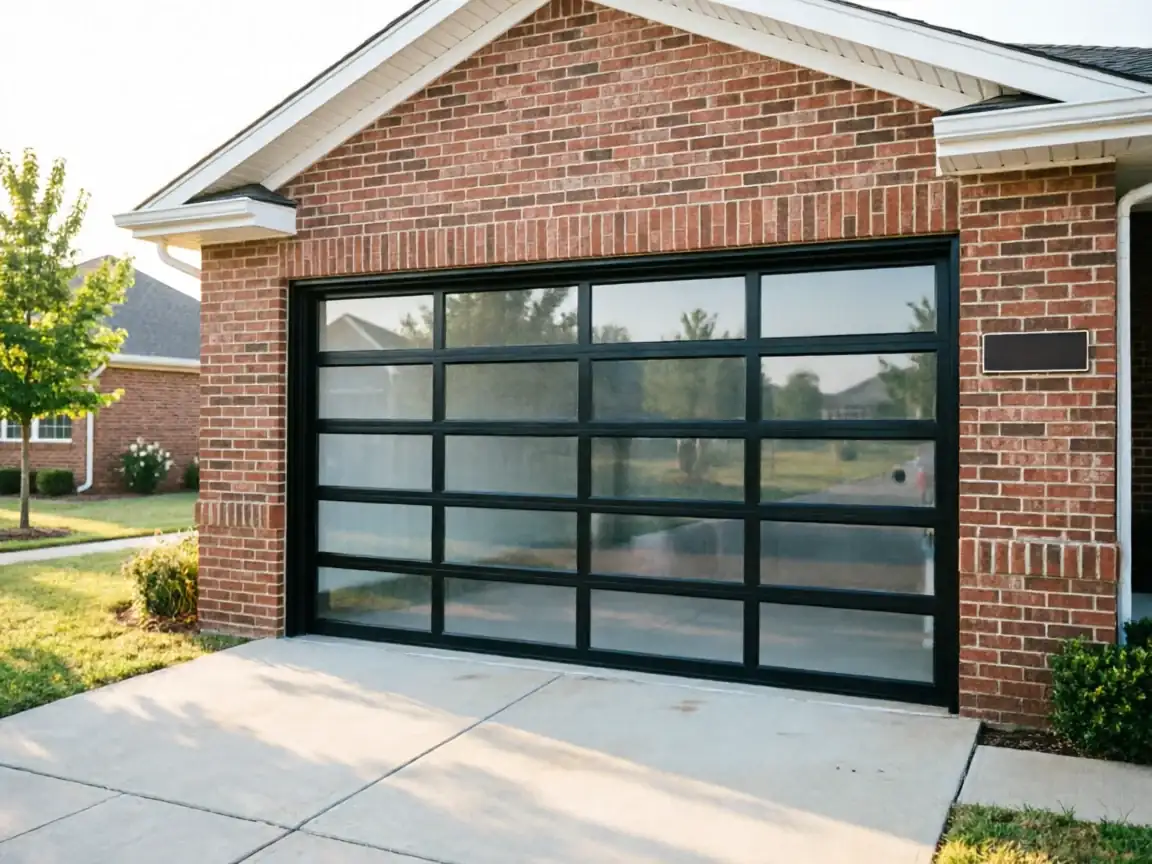
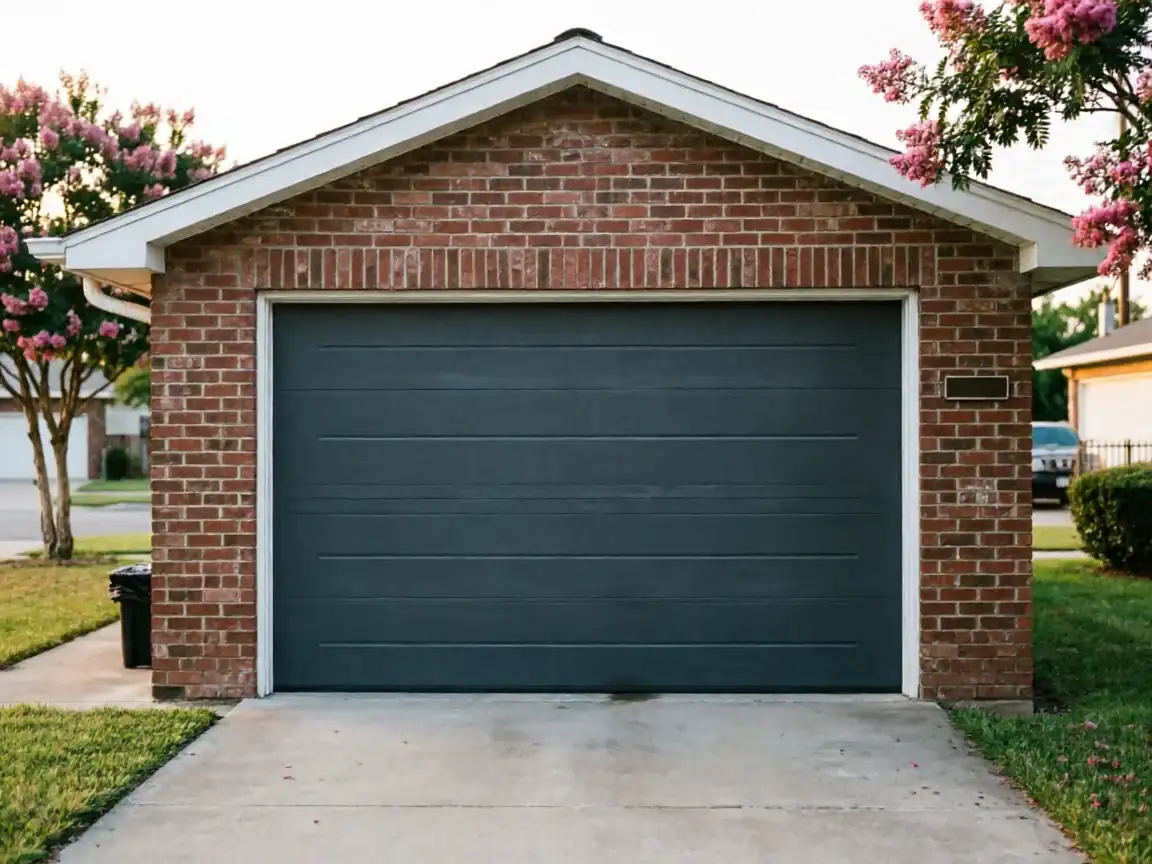
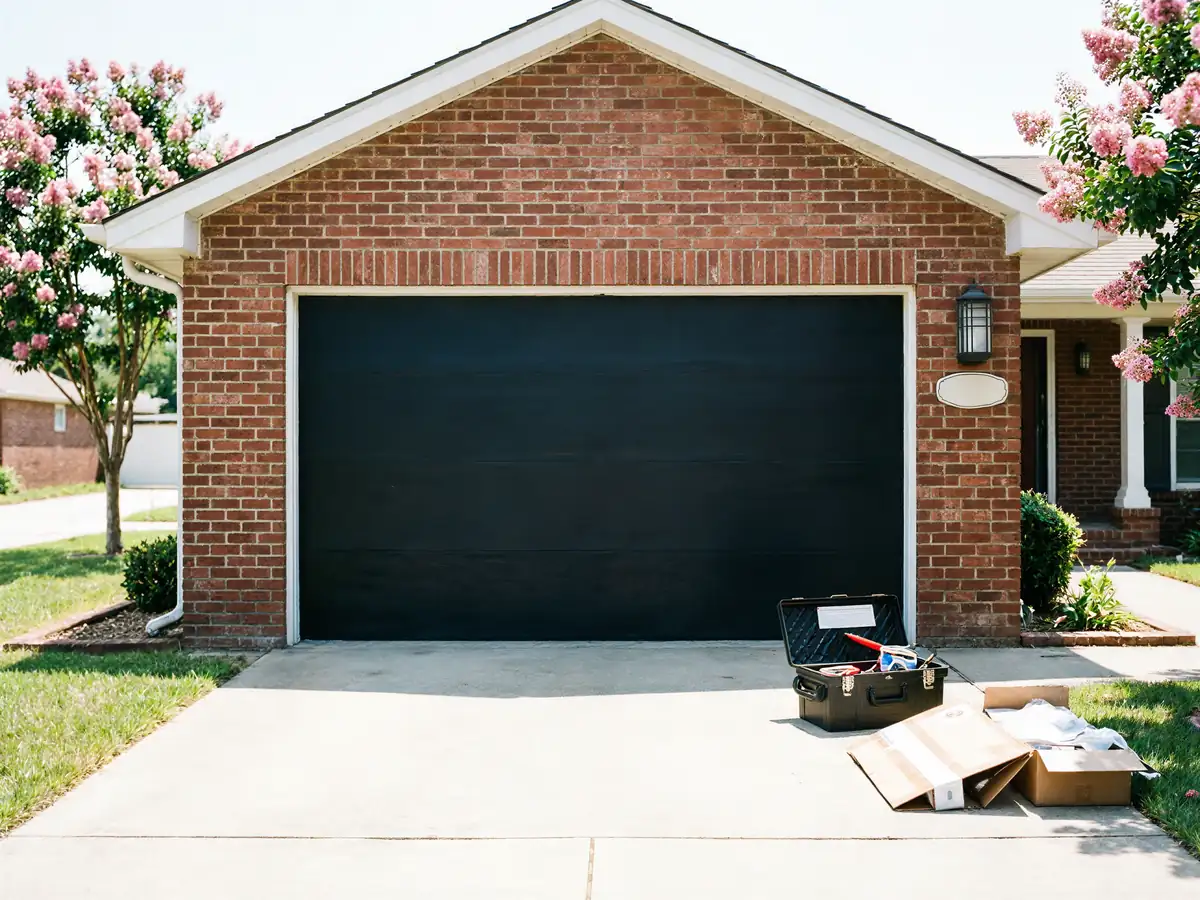
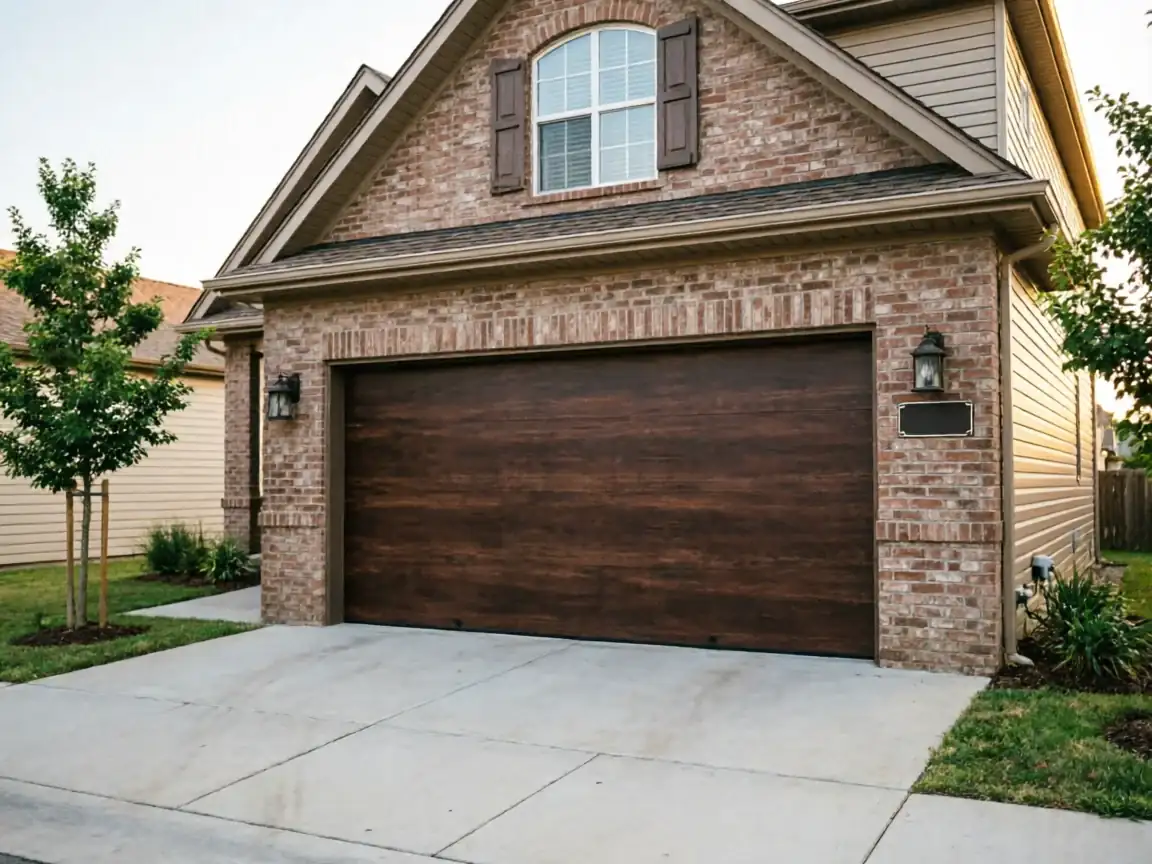
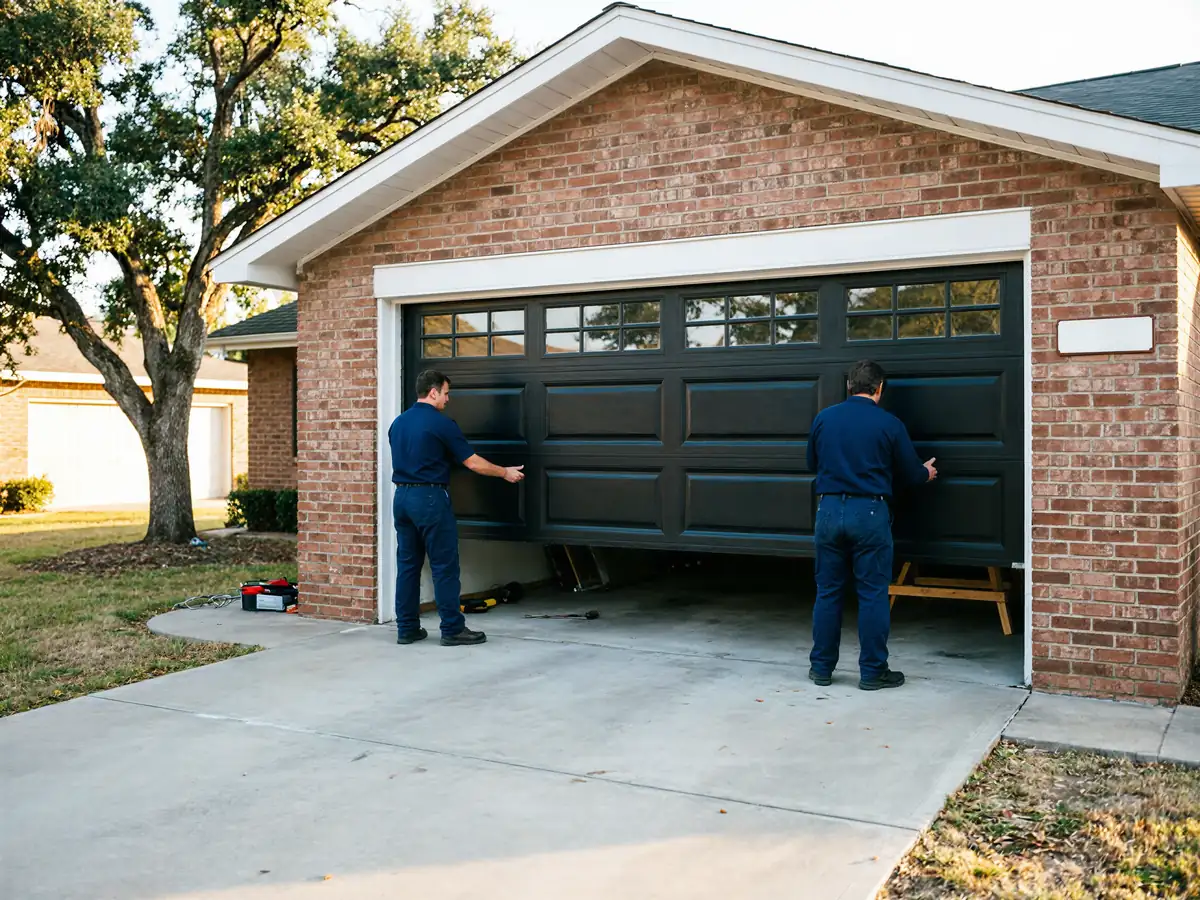
Hitchcock is a small town - 2,769 households, not the sprawl you get closer to Galveston proper. That size matters for panel work: a town this size doesn't have a dozen garage door shops competing for every job, so a lot of these doors have gone years without anyone touching the section that's dented or buckled. The median home here was built around 1983, which puts most garages on steel or aluminum sectional doors from the first wave of mass-produced residential doors - not the custom composite panels you see on newer builds. Those older sections used standard width and rib patterns that are still out there, but not every supplier stocks them anymore. We drive out from Galveston, about 7 miles, and the call we get most is a single bottom panel that's been backed into or buckled by wind pressure, not a whole-door failure. The mild coastal climate here means you're not dealing with freeze-crack panels like inland towns see - the damage tends to be impact, rust at the bottom seam, or UV-faded panels that no longer match the rest of the door.
What Is on the Truck
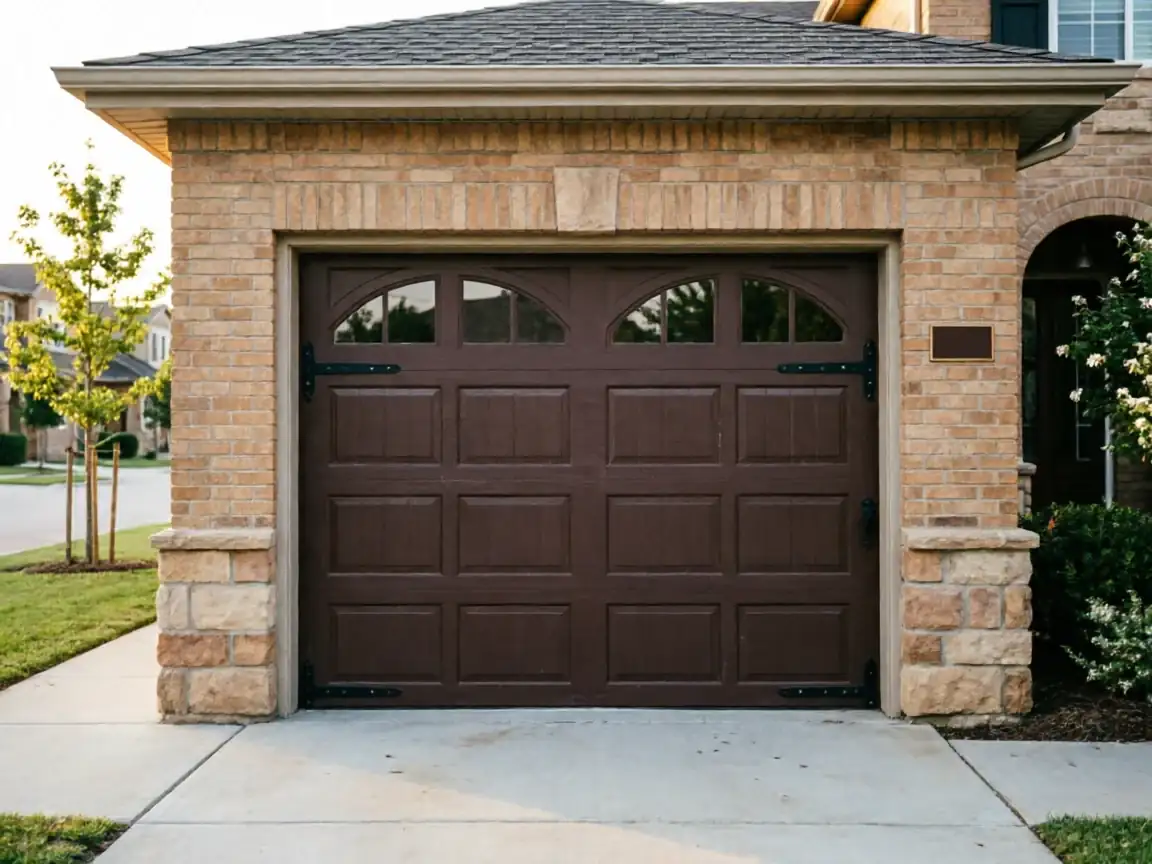
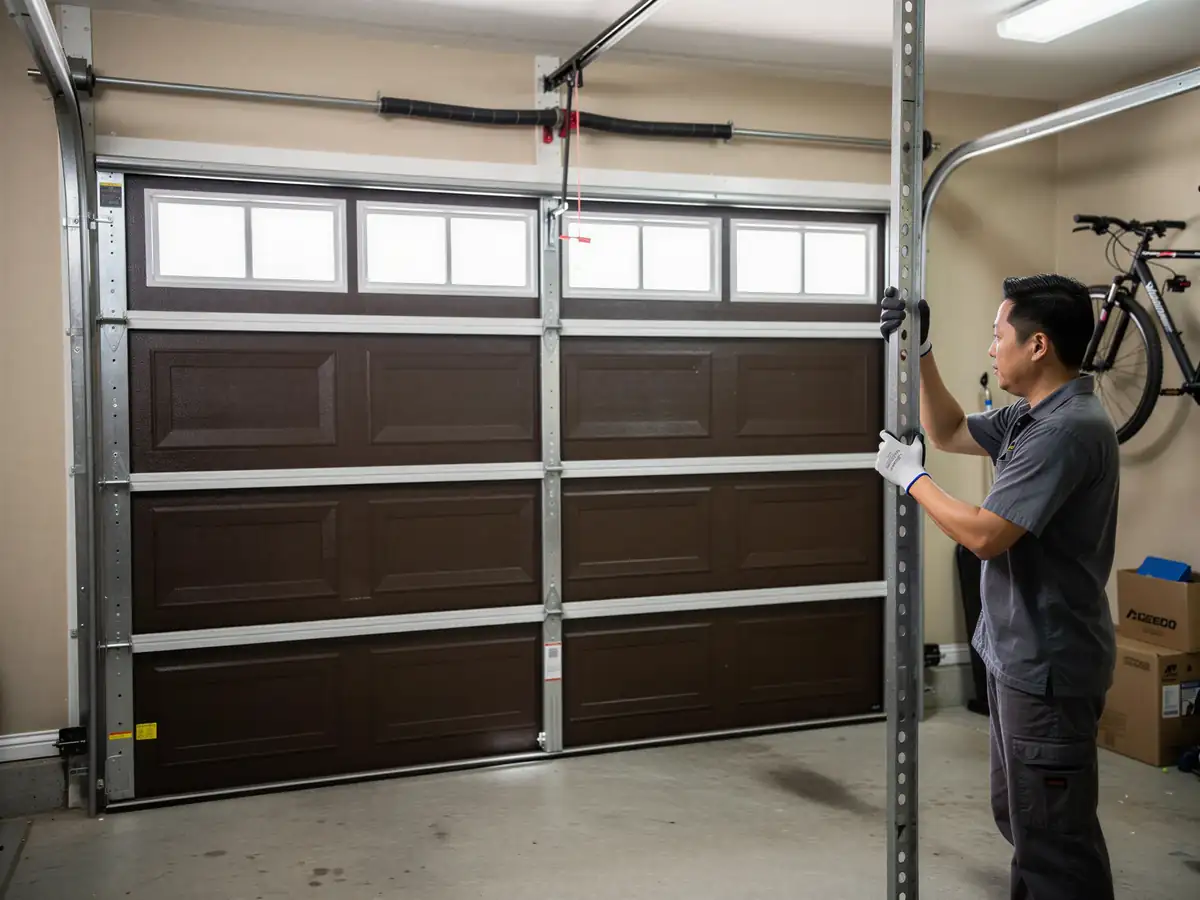
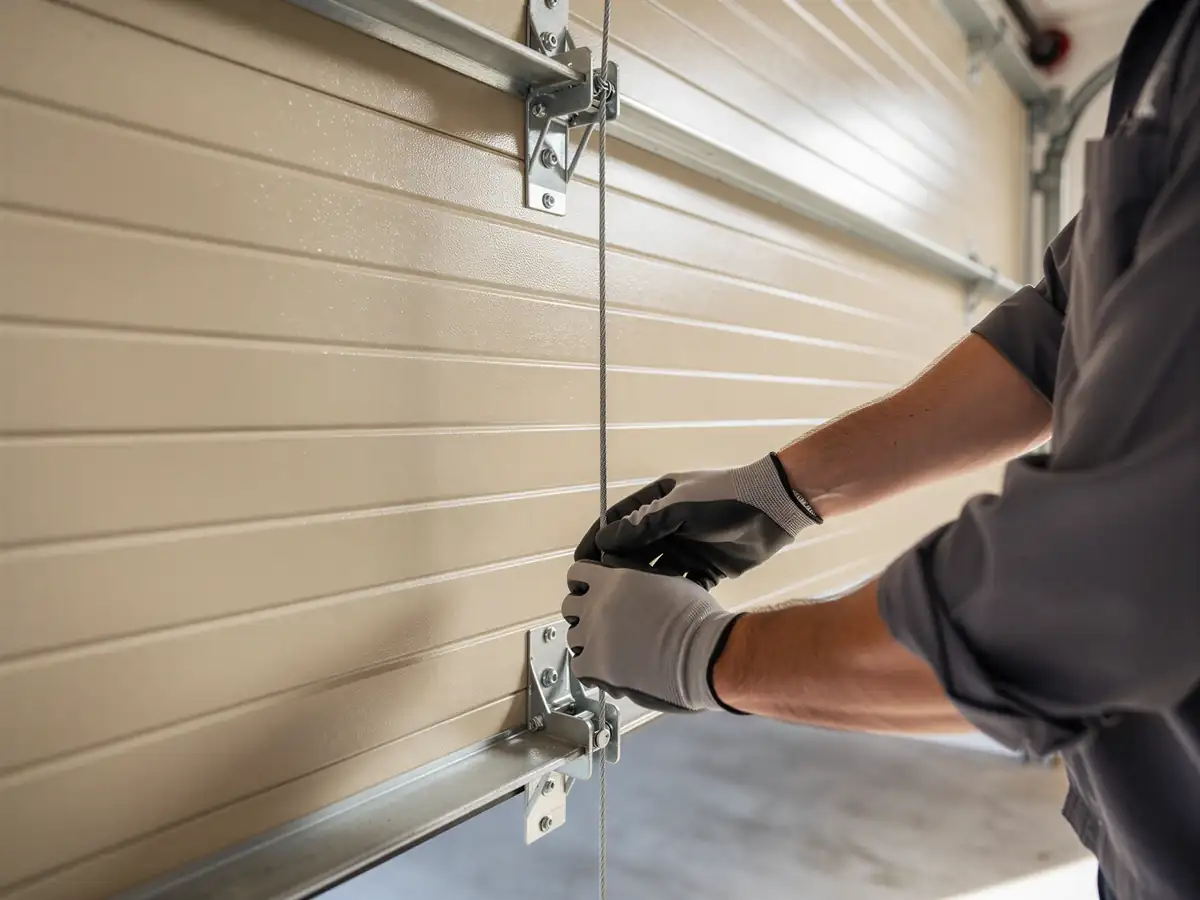
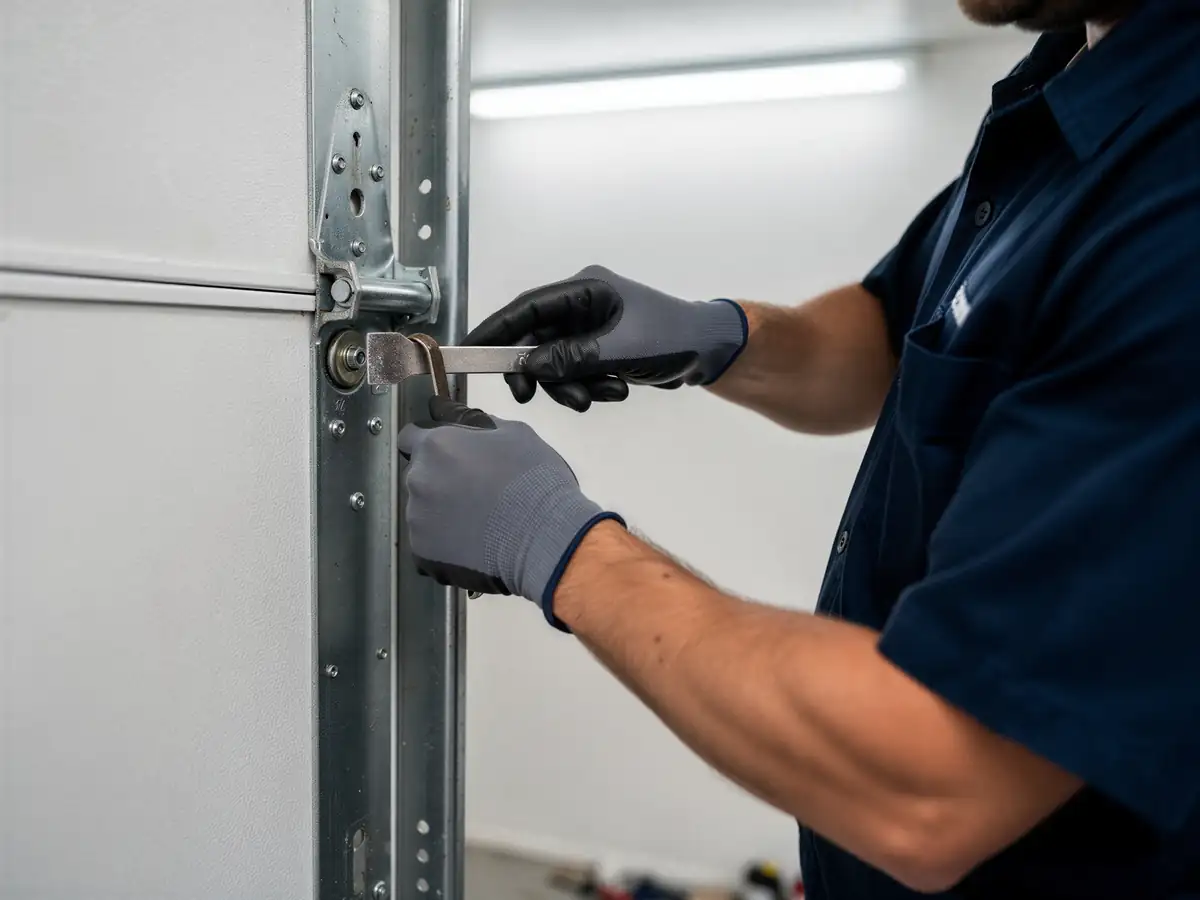
For a town built mostly in the early-to-mid 1980s, the panel sizes are predictable enough that we carry stock sections sized for that era's standard door widths - the common residential run, not oversized or custom-width doors. What we don't carry is every color and wood-grain finish; if your door was repainted or faded unevenly over 40 years, an exact color match on one panel sometimes isn't possible, and we'll say so before we start rather than promise a seamless blend. We bring the fasteners, end caps, and hinge hardware that bolt to that generation of door, since a lot of those parts aren't the same gauge as what's sold today. If the section has rusted through at the bottom rail - common on doors near ground level in a damp coastal town - we bring a full bottom panel rather than try to patch it.
What Can Go Wrong
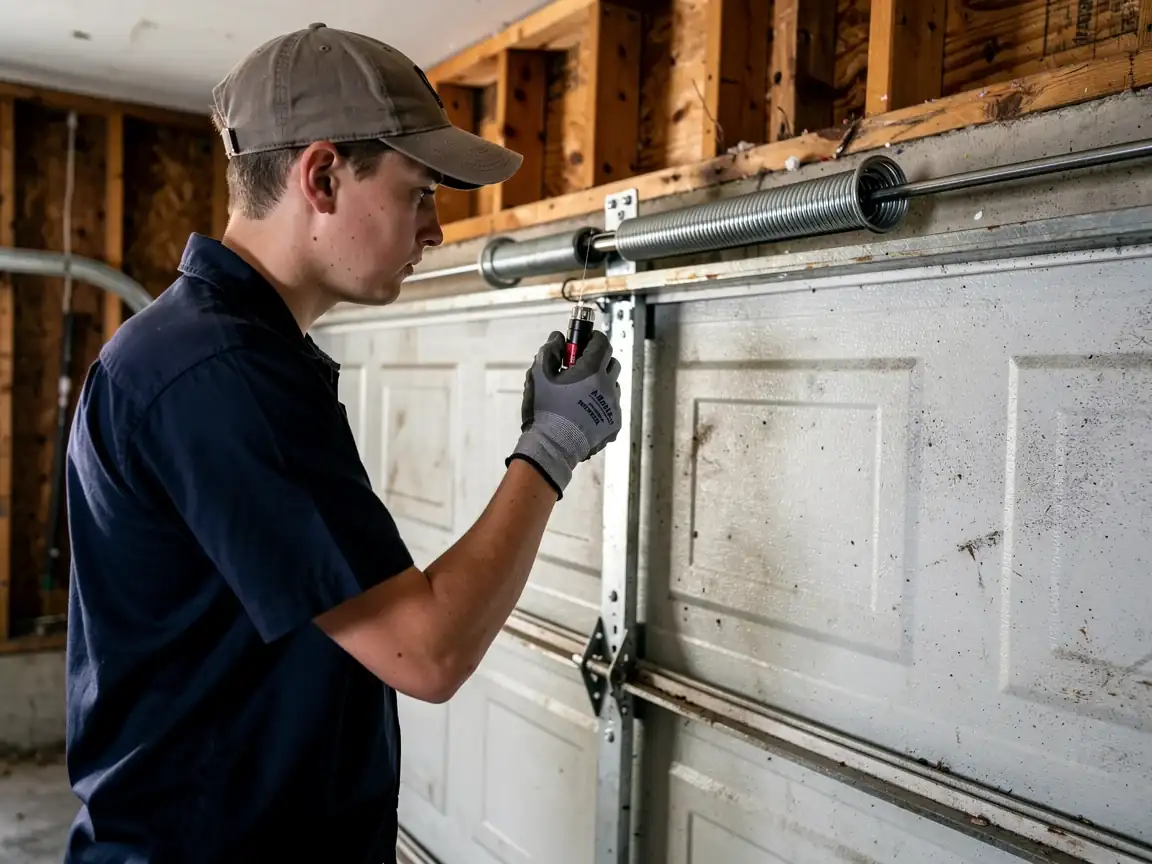
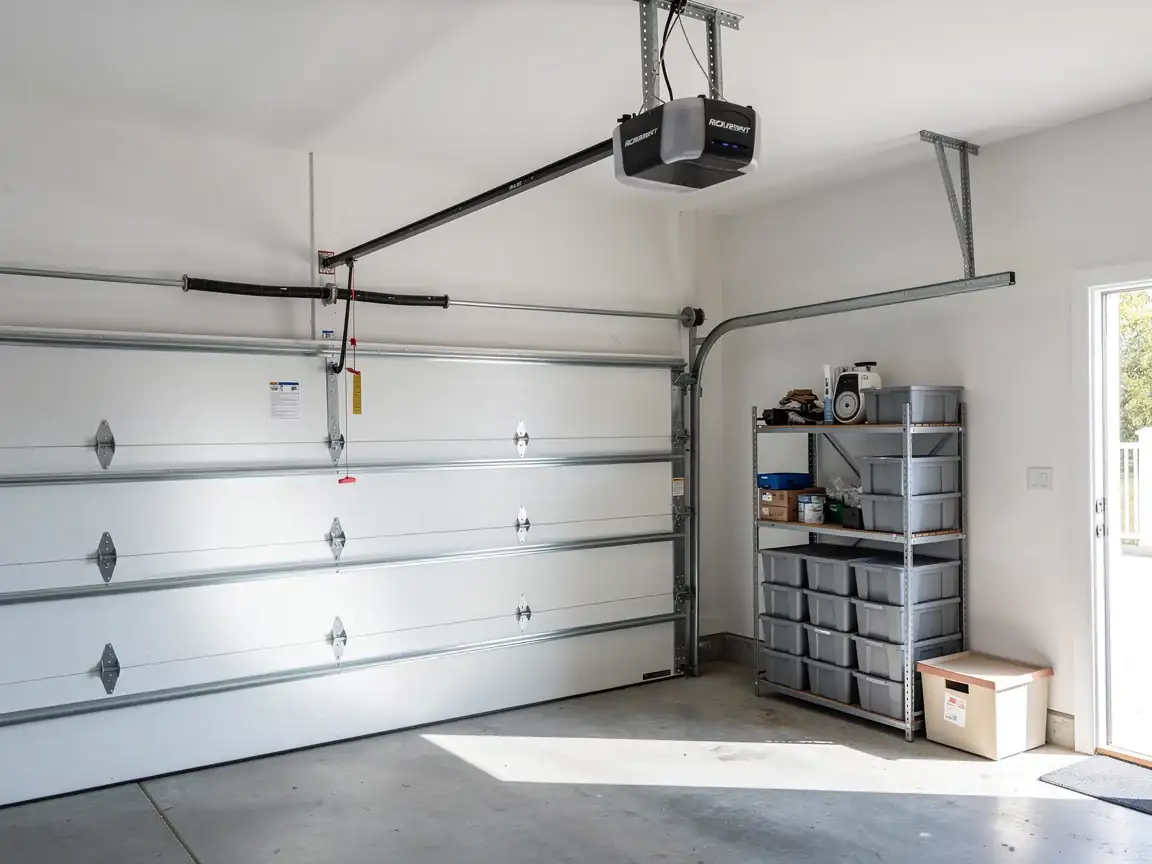
The most common surprise on these older Hitchcock doors is that the track and hinges have worn to fit the sagging, damaged panel, so a brand-new section goes in stiff or binds against the roller track until it's re-aligned. On doors from the early 1980s, we sometimes find the replacement panel is a hair narrower or thicker than the original - manufacturing tolerances weren't as tight then - which means a little trimming or shimming instead of a drop-in fit. Honest limitation: if three or more sections on the door are damaged, or the door's torsion spring is original to a 1983 install, panel replacement stops being worth the cost over just replacing the door. We'll tell you that straight rather than keep patching a door that's past the point of patching.