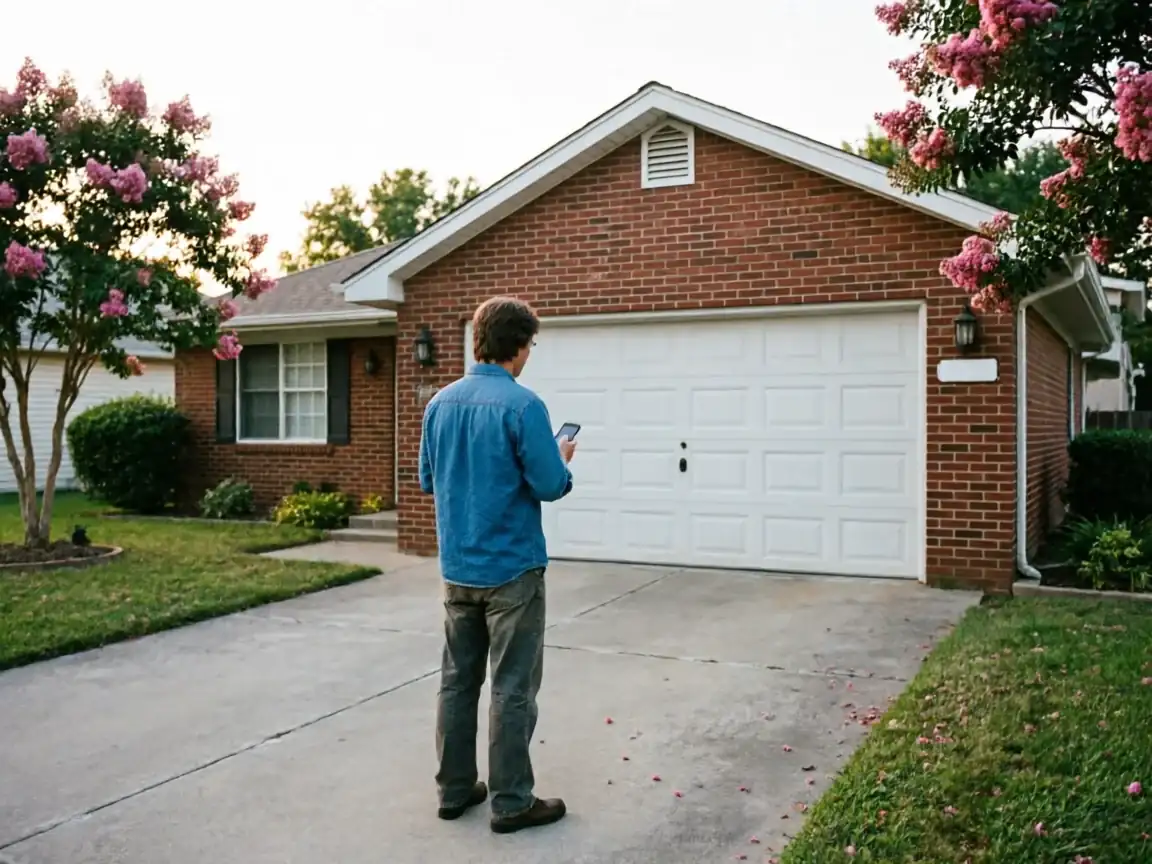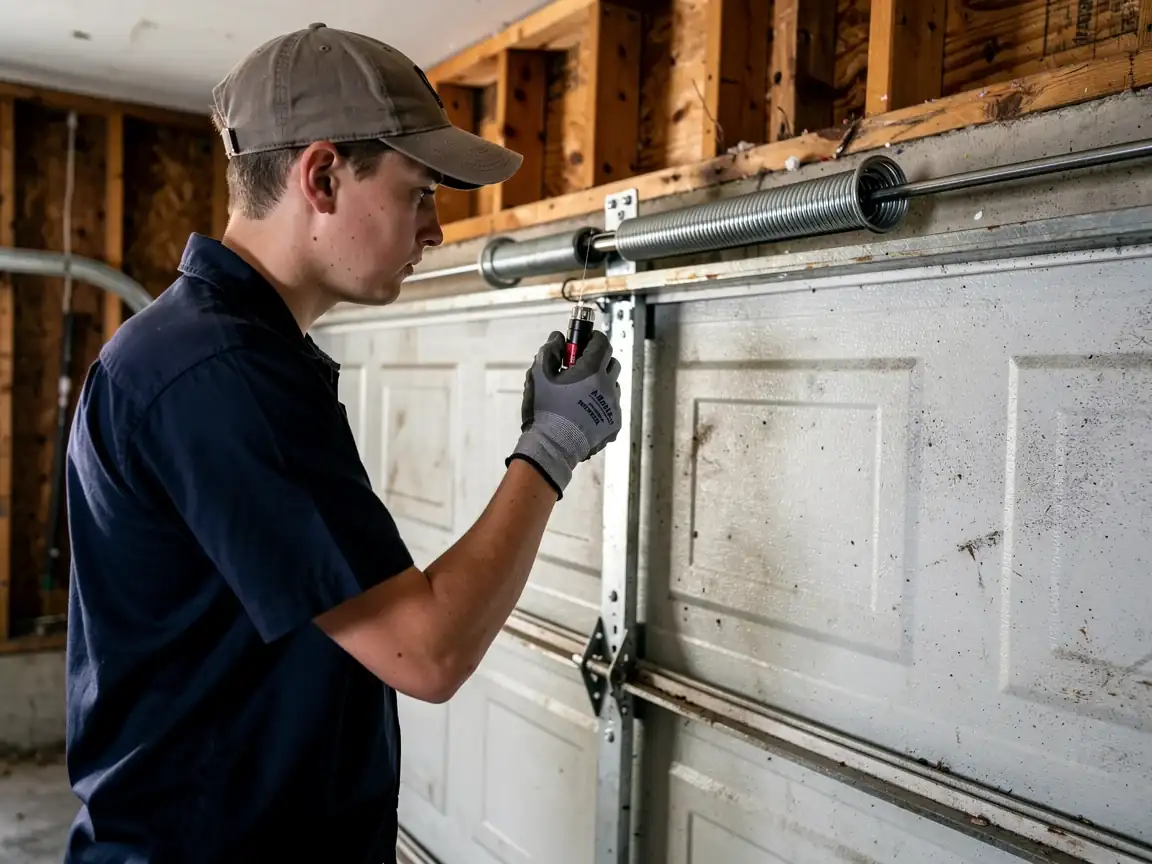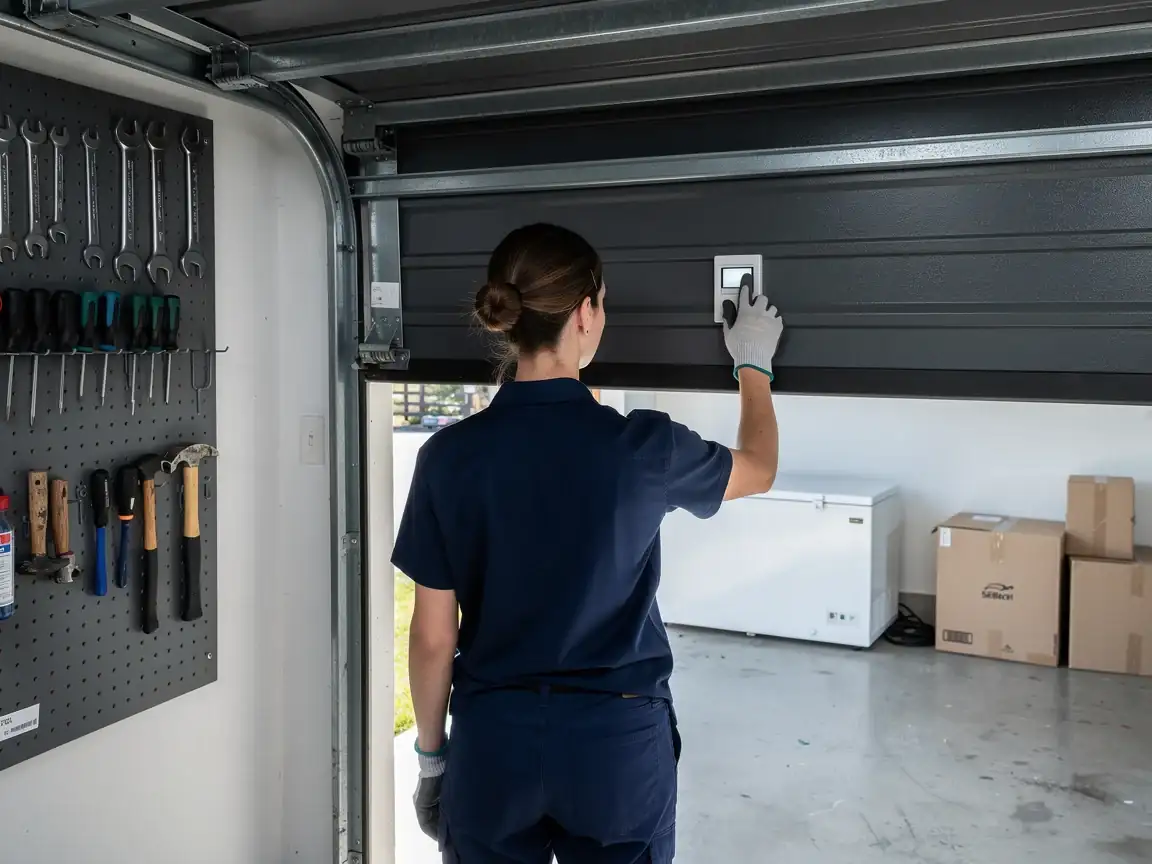
Why It Happens Here
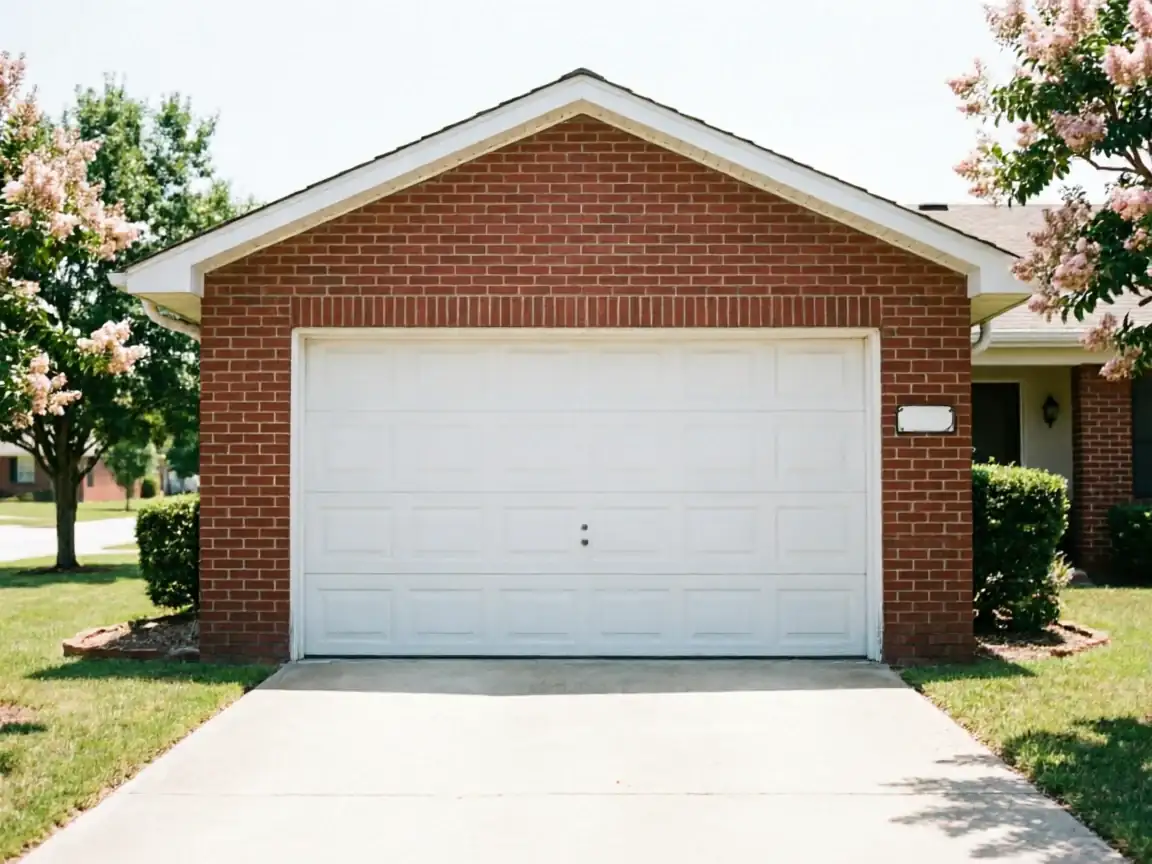
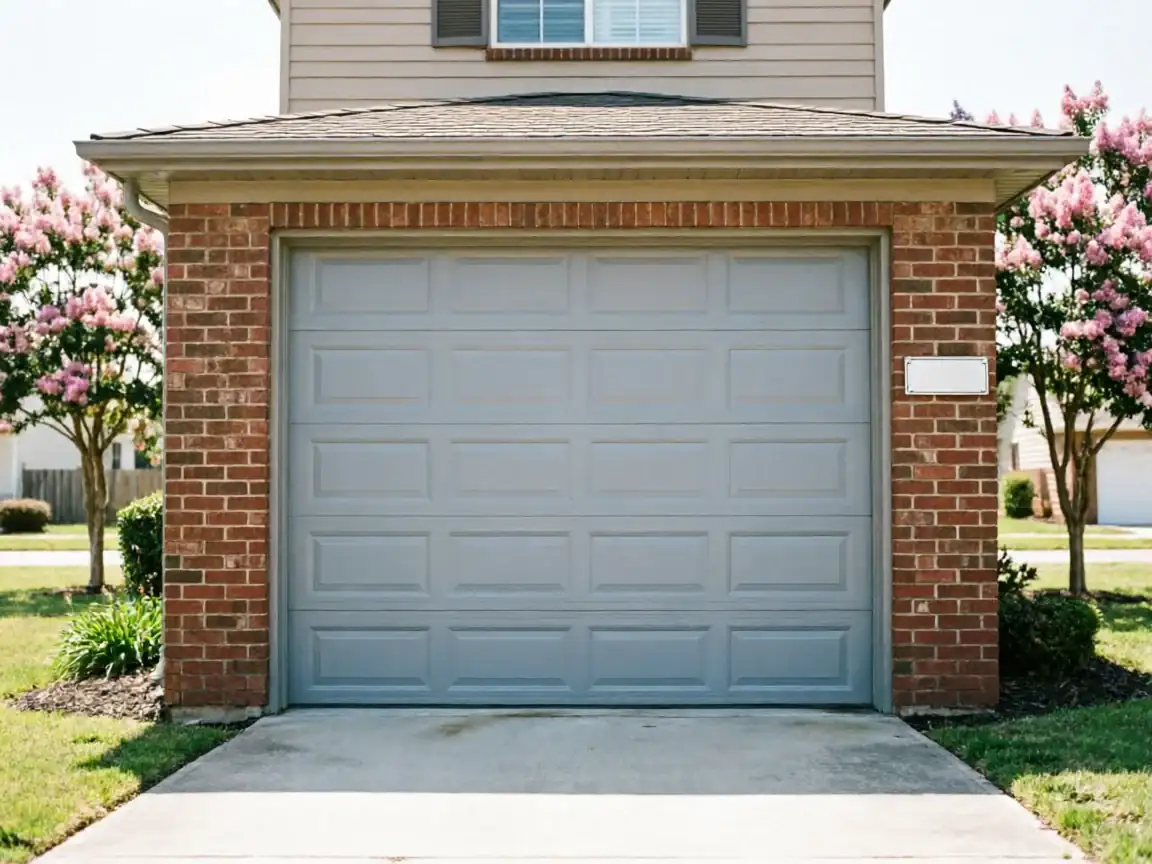
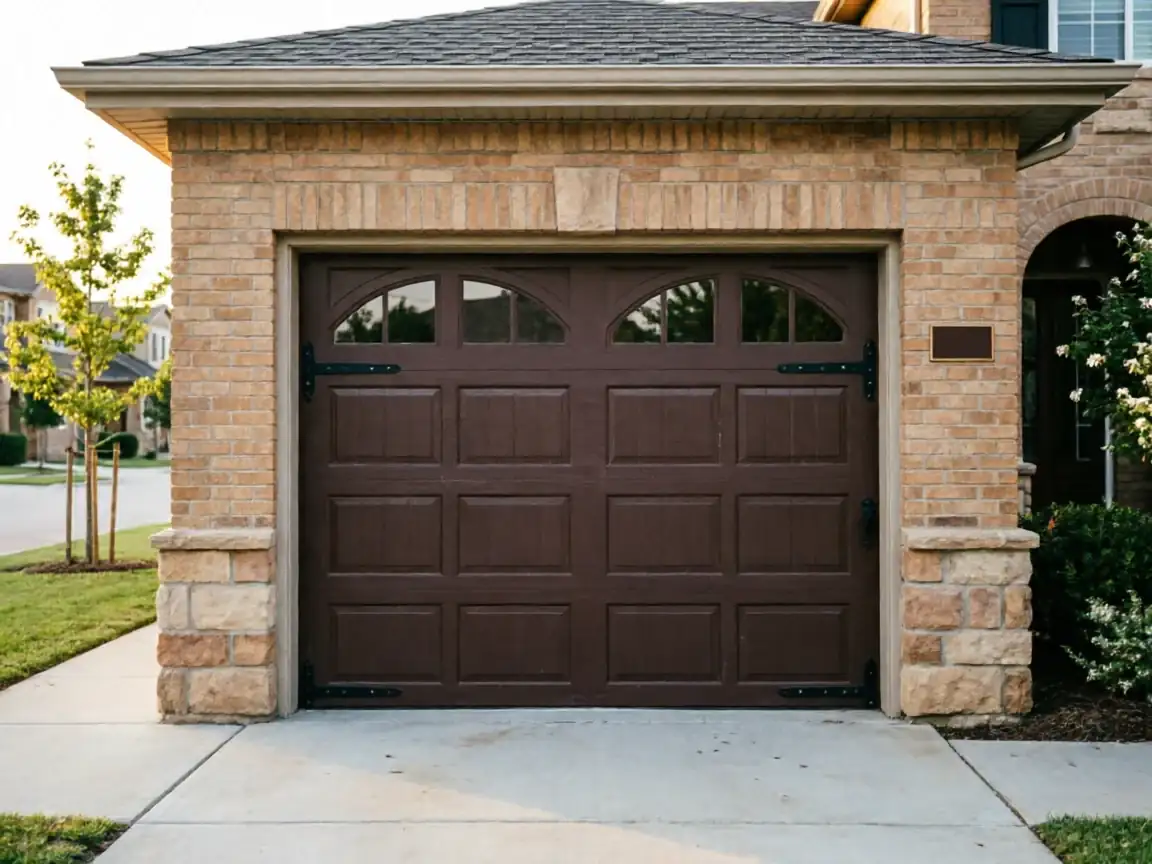
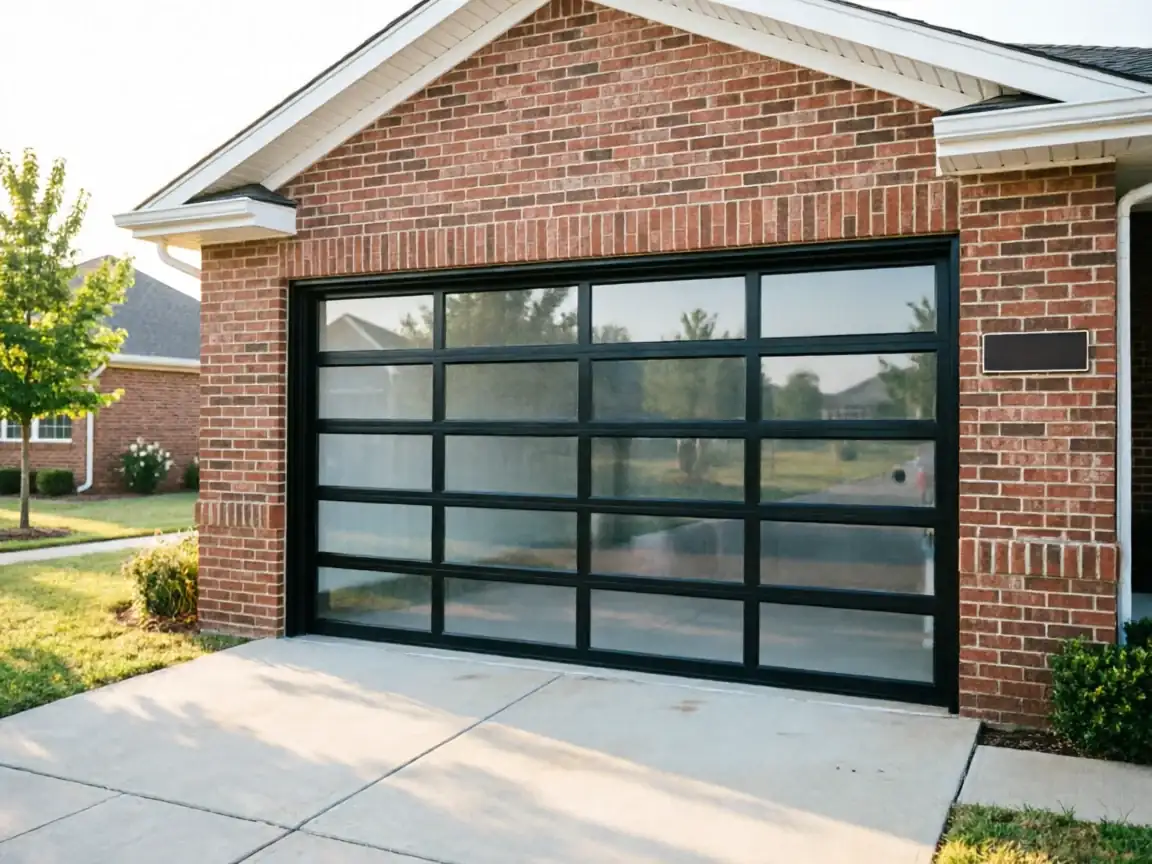
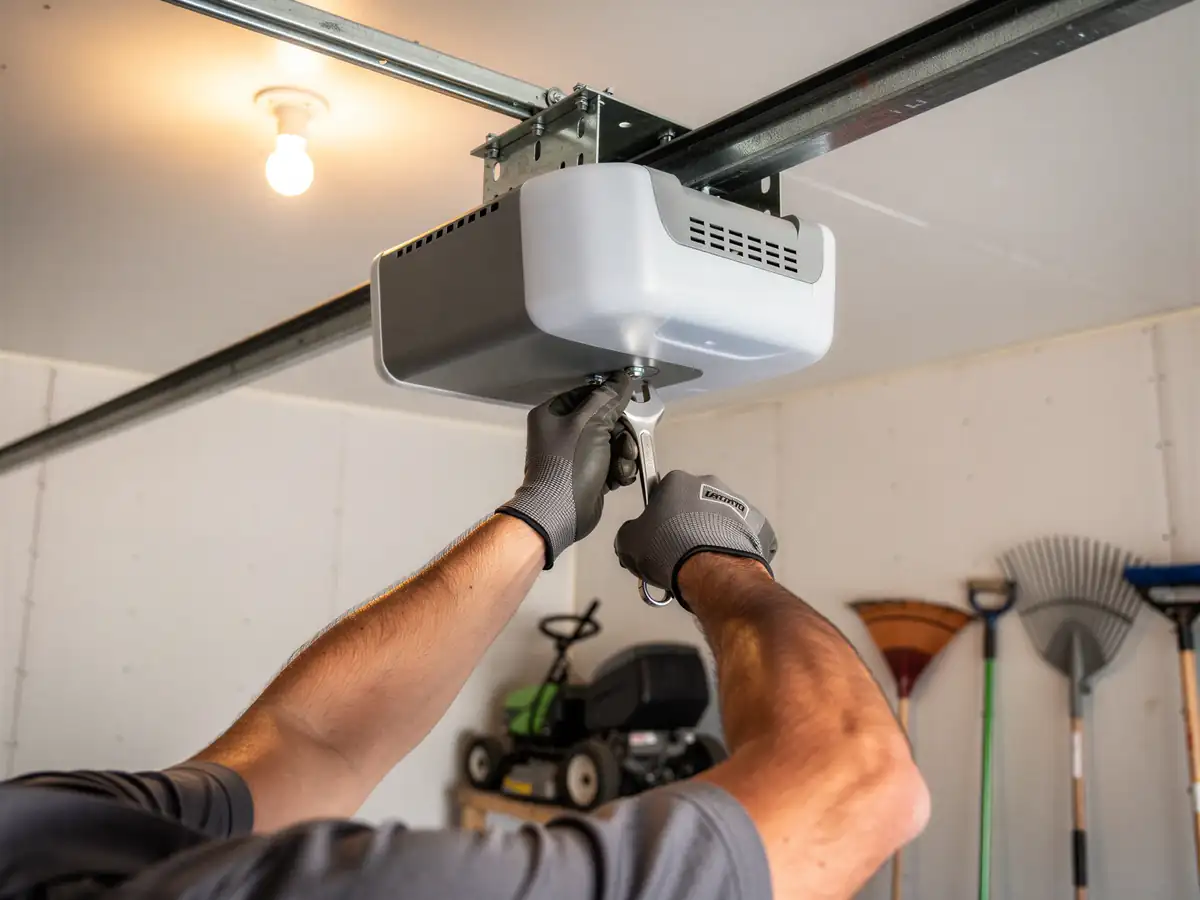
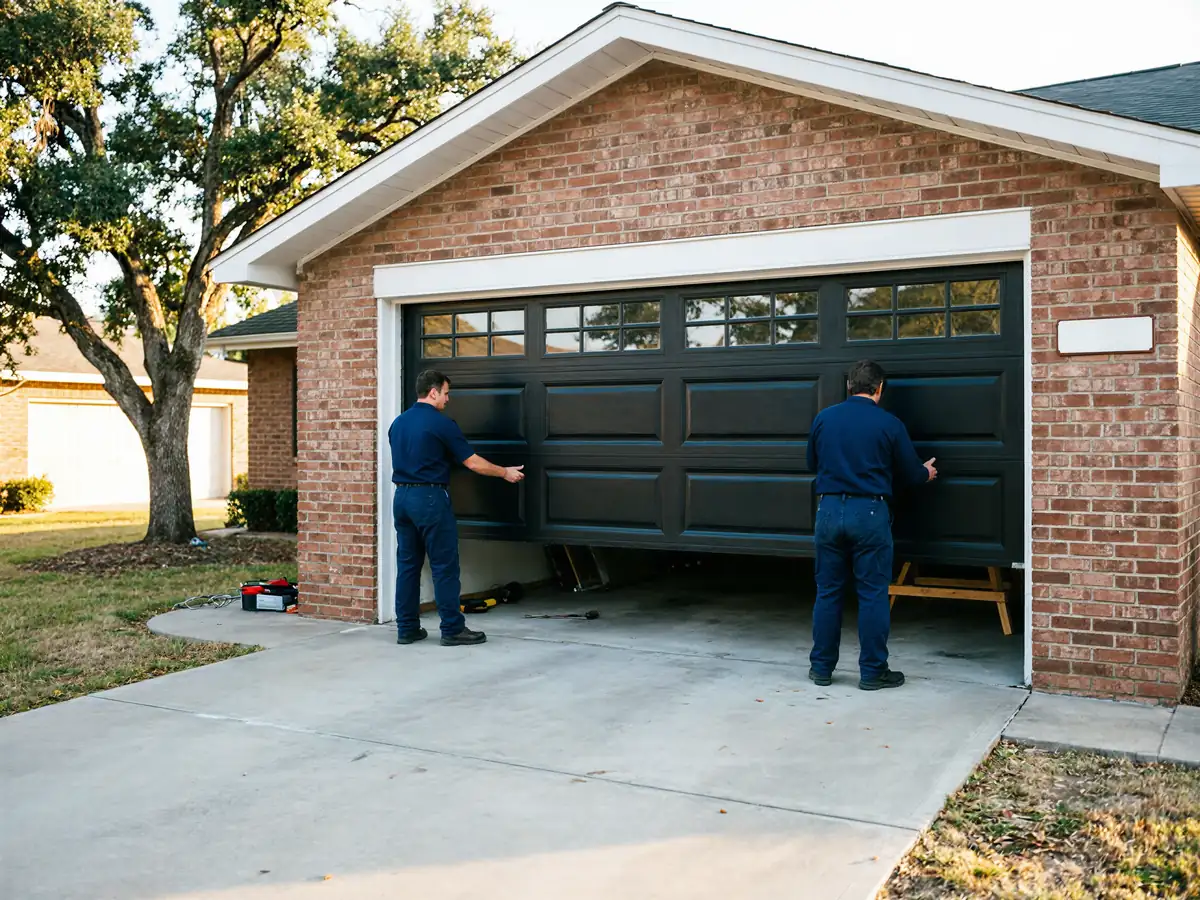
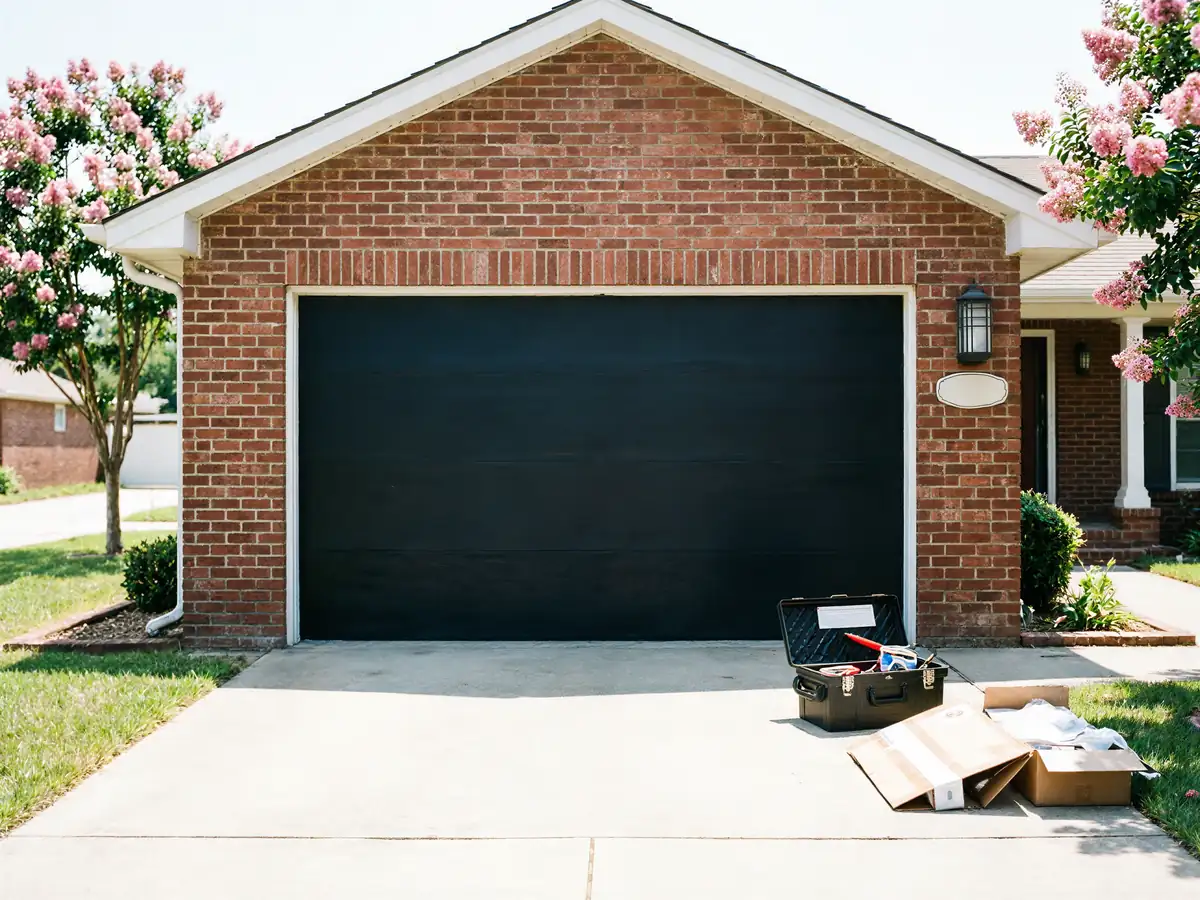
The fault we see most on an install call in Hitchcock is a door that got sized for the opening but not for the opener driving it - a single 16x7 panel door hung on a drive unit rated for a lighter, thinner door than what's actually on the track. That mismatch isn't random. It's what happens when a door gets swapped once over several decades without anyone re-checking the spring wind and drive horsepower against the new panel weight.
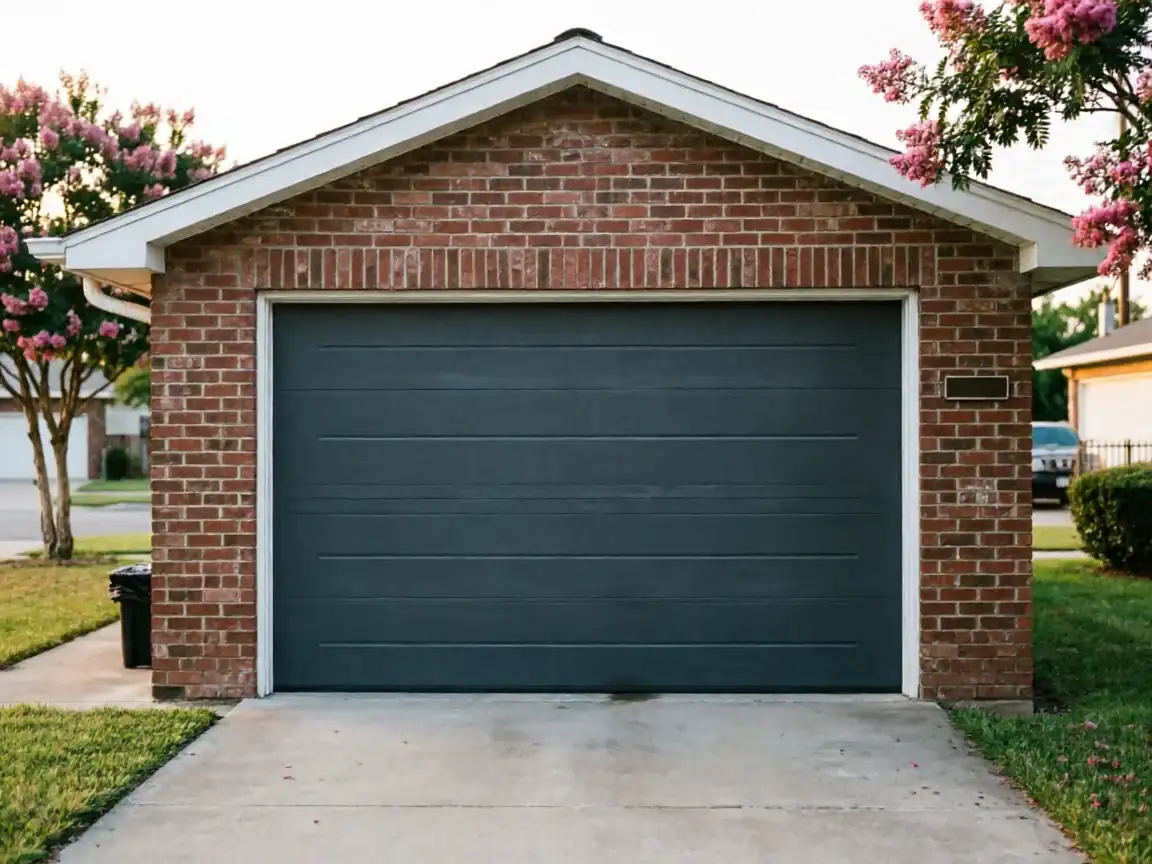
Hitchcock's housing stock centers on 1983, and most of the broader service area was built between 1978 and 1993. A door original to a house that age is pushing forty years old, with track, hinges and spring anchors engineered for lighter steel sections than what's sold now. When we install new here, we're not just hanging a door - we're re-rating the whole opening, spring wind included, for panels heavier than the house was framed around. Skip that step and the opener works too hard from day one, which is the same failure that brought the homeowner to the phone in the first place.
What Is on the Truck
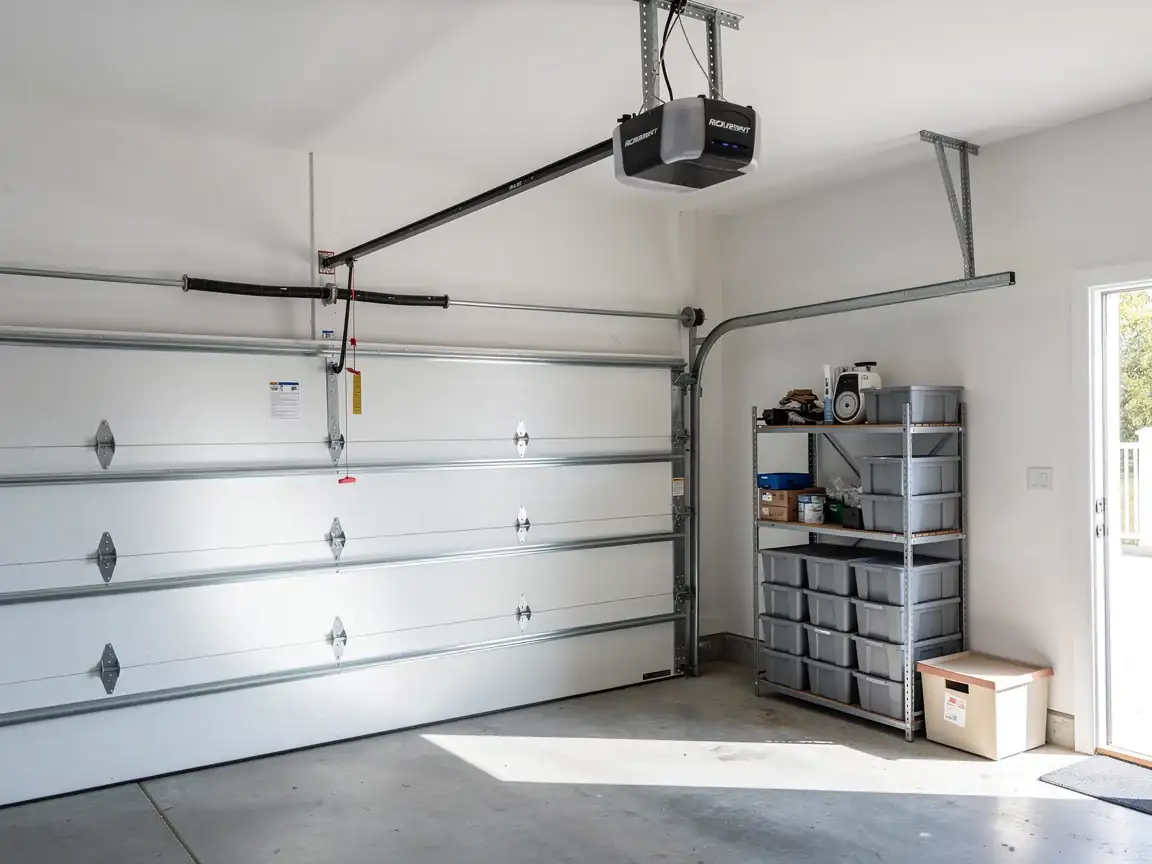
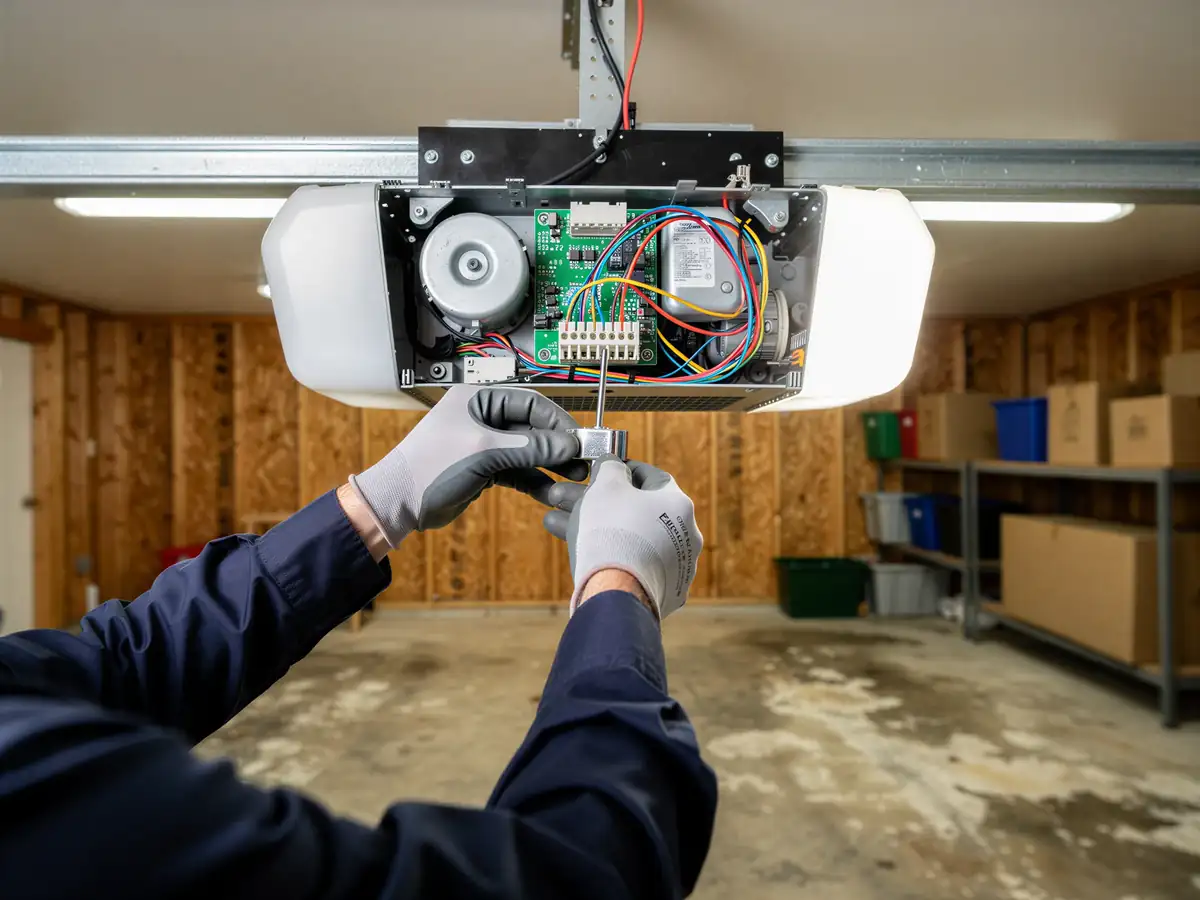
Because the crew drives the roughly 7 miles out from Galveston for every Hitchcock job, the truck is stocked for a full install before it leaves, not restocked mid-job. That means torsion springs sized to several common door weights, standard 16x7 and 9x7 steel sections, and drive units matched to those spring sets rather than sold as a one-size opener.
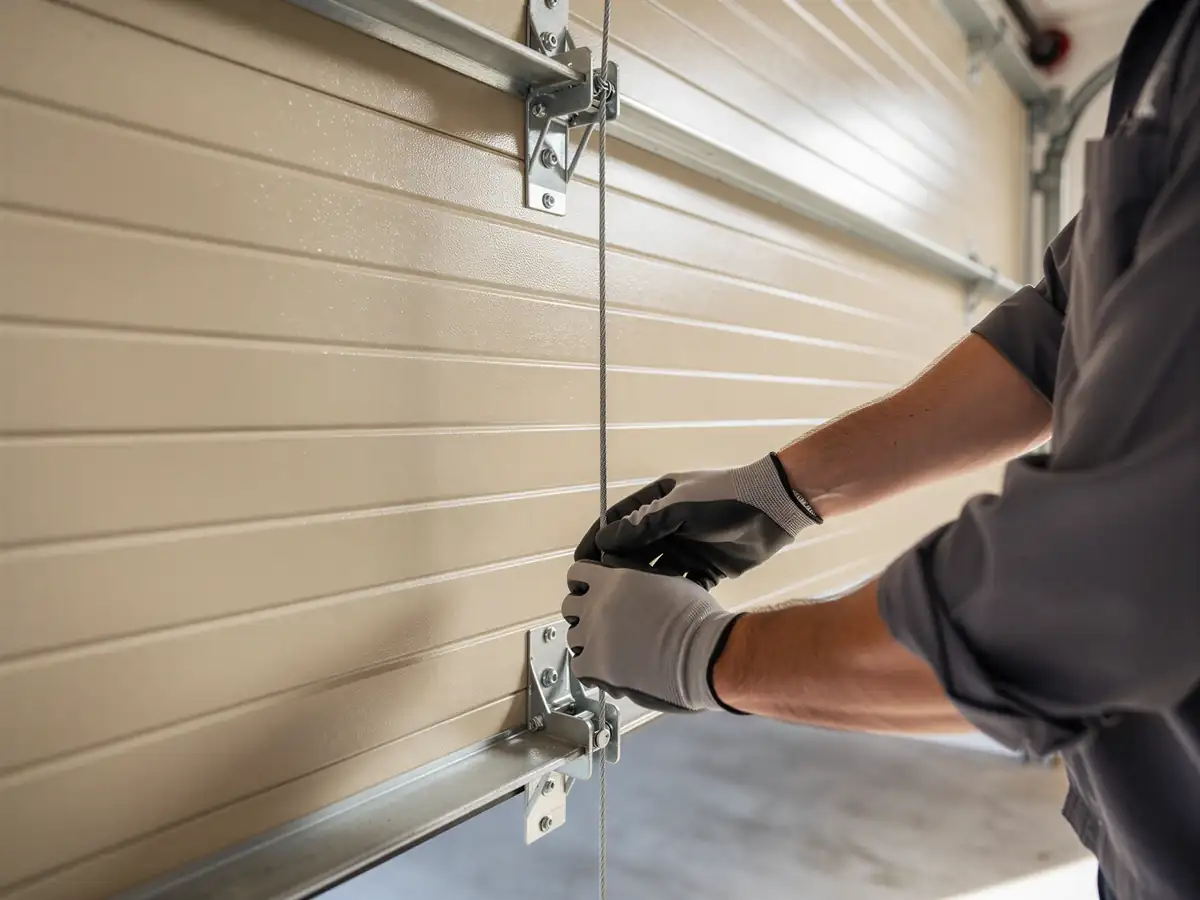
The mild temperate climate here means we're not fighting the insulation and seal specs that colder regions require - no need for high-R foam-core doors just to hold heat. What matters more on a 1983-era opening is hardware fit: track width, header clearance and anchor spacing that were common when the house went up. We carry adapter brackets for the older anchor spacing so we're not drilling into framing that wasn't built for modern track mounts. One honest limit: if a job needs a nonstandard width panel outside our common stock sizes, that's a special order, and it adds lead time we can't shorten from the truck.
How Long You Are Without the Door
A straightforward swap
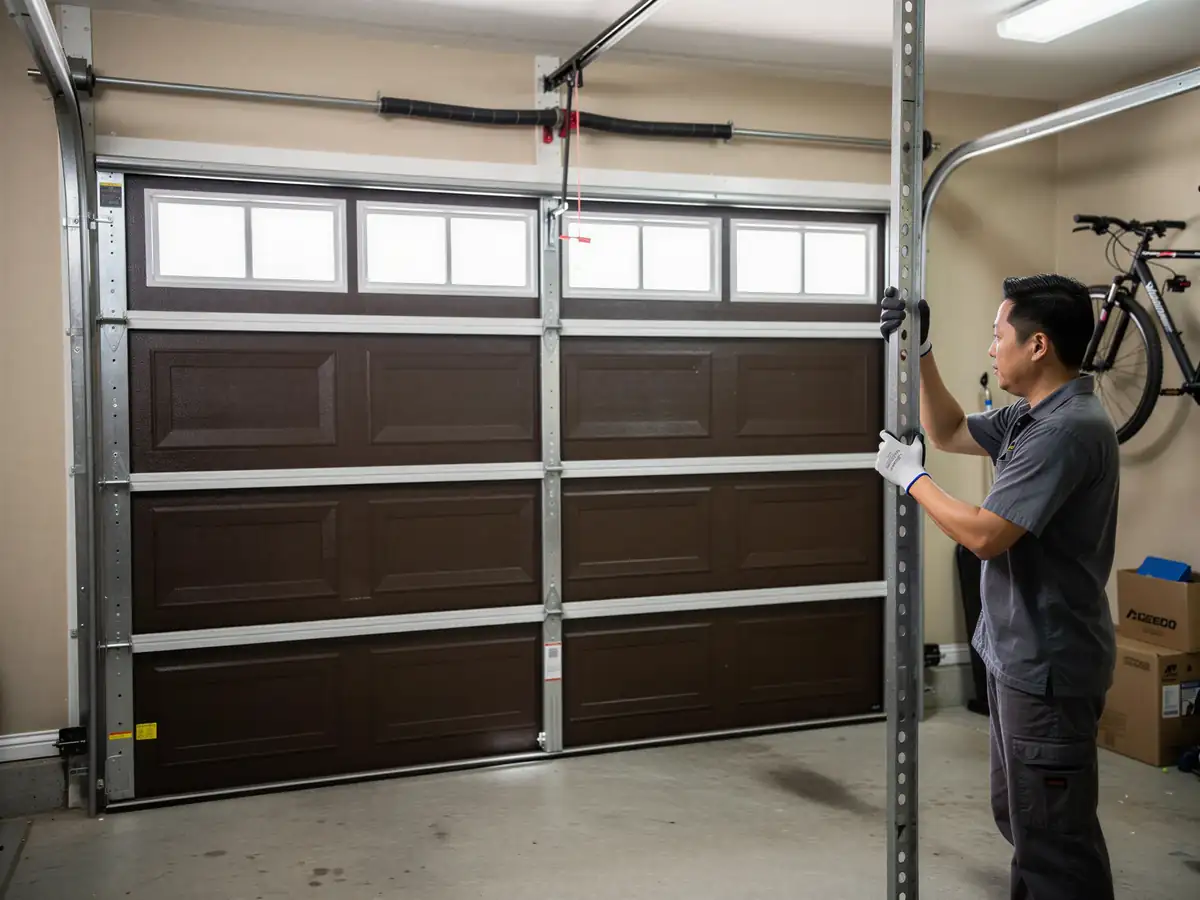
Same opening, new door and opener - is a same-visit job once the crew is on site, because the hardware fits the opening and nothing structural needs touching. What stretches the timeline in Hitchcock is the header and track work that 1980s-built openings sometimes need: if the anchor spacing or header clearance doesn't match current hardware, that's measured and corrected during the same visit rather than scheduled separately, but it does add hours.
We don't carry a branch or depot in Hitchcock
Every job is routed from Galveston, about 7 miles away, so scheduling runs on driving distance rather than a local dispatch. That's worth knowing going in: there's no same-day emergency guarantee built into a new install quote, because installation is planned work, not a repair call. Most households here own rather than rent (part of the area's 15,503 owner-occupied houses, F6), so the decision to replace rather than patch an old door is usually the homeowner's call to make on their own timeline, not a landlord's.
- 7 miles
- 15,503 owner-occupied
What Can Go Wrong
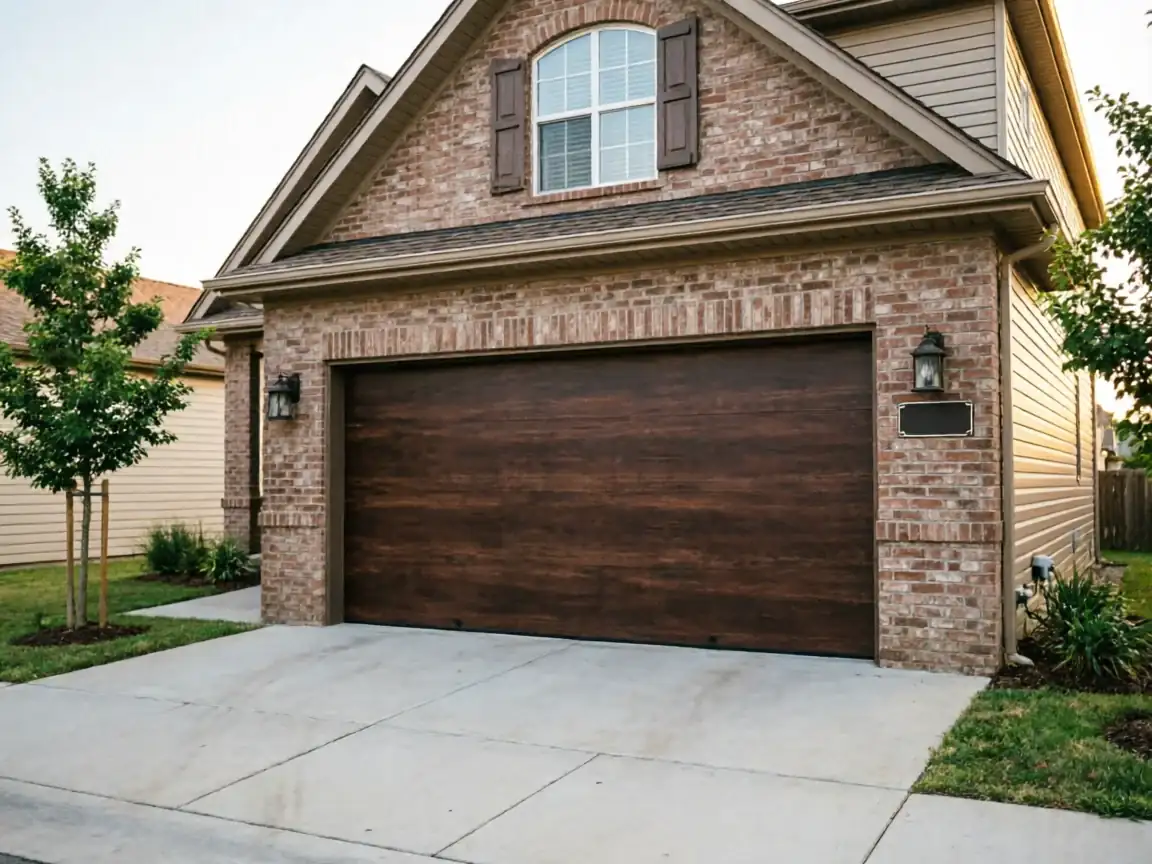
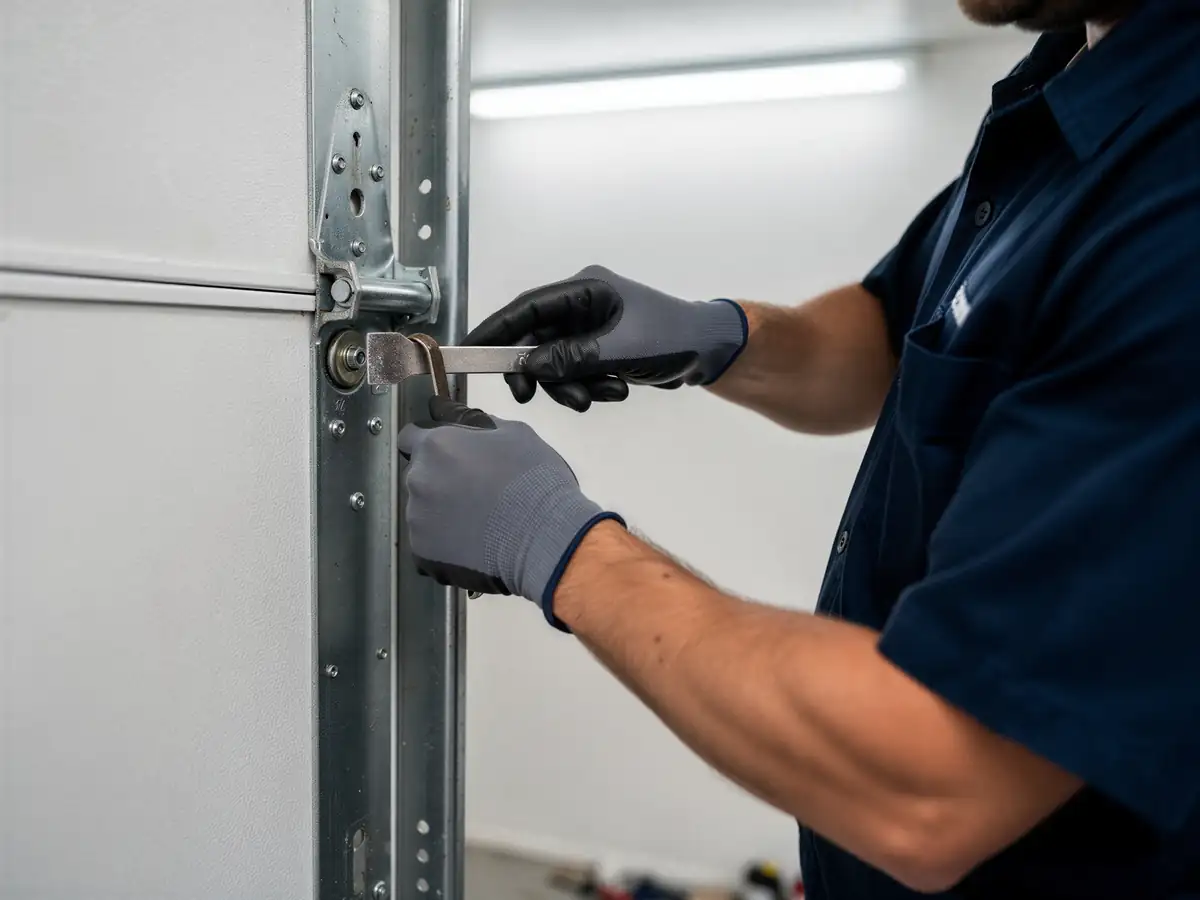
The most common surprise on a 1983-era Hitchcock install is finding the header framing wasn't built for a heavier insulated door - builders in that era often used lighter jamb material than what current double-car doors need, so the mounting hardware has to be reinforced before the new door goes up safely. That's not a hidden upsell; it's a code-of-physics problem with an opening that age.
Hitchcock's median household income runs at $77,713, below the wider service area's $82,018, and across roughly 2,769 households here the calculus on repair-versus-replace often comes down to whether the existing track and spring hardware can be reused safely or needs full replacement. Reusing old track to save money sometimes means the new door never seats square, which shows up as a gap at the bottom corner within months. Our limitation: we won't quote a reuse of track or rollers older than the house's original install if we can't verify they'll hold the new panel weight - that's not a repair worth doing twice.