Why It Happens Here
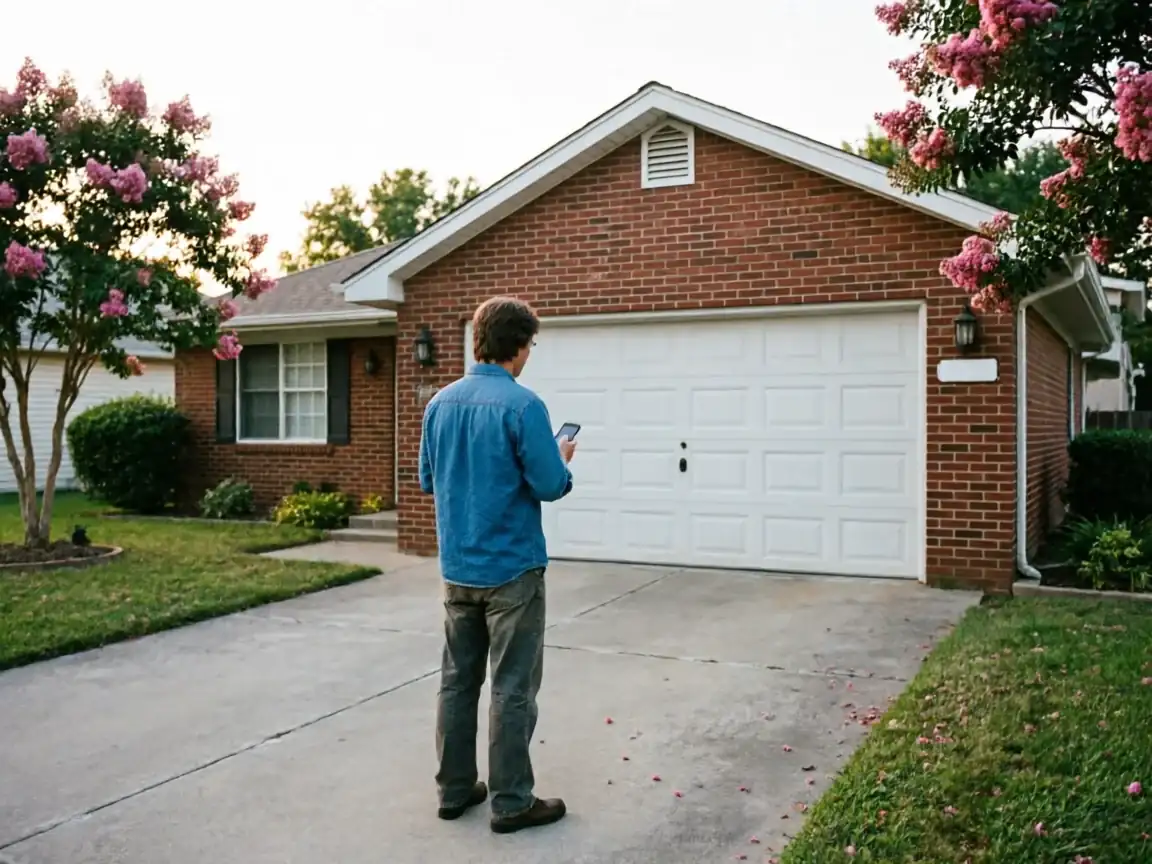
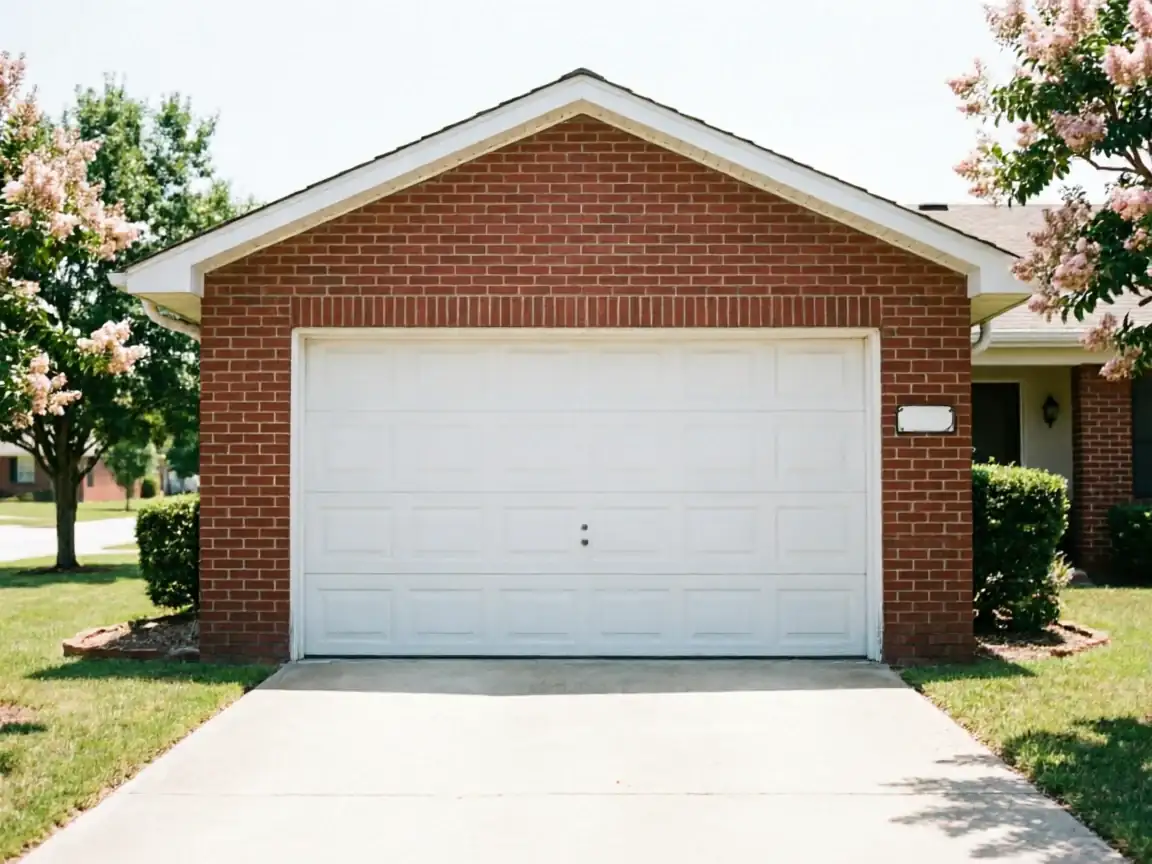
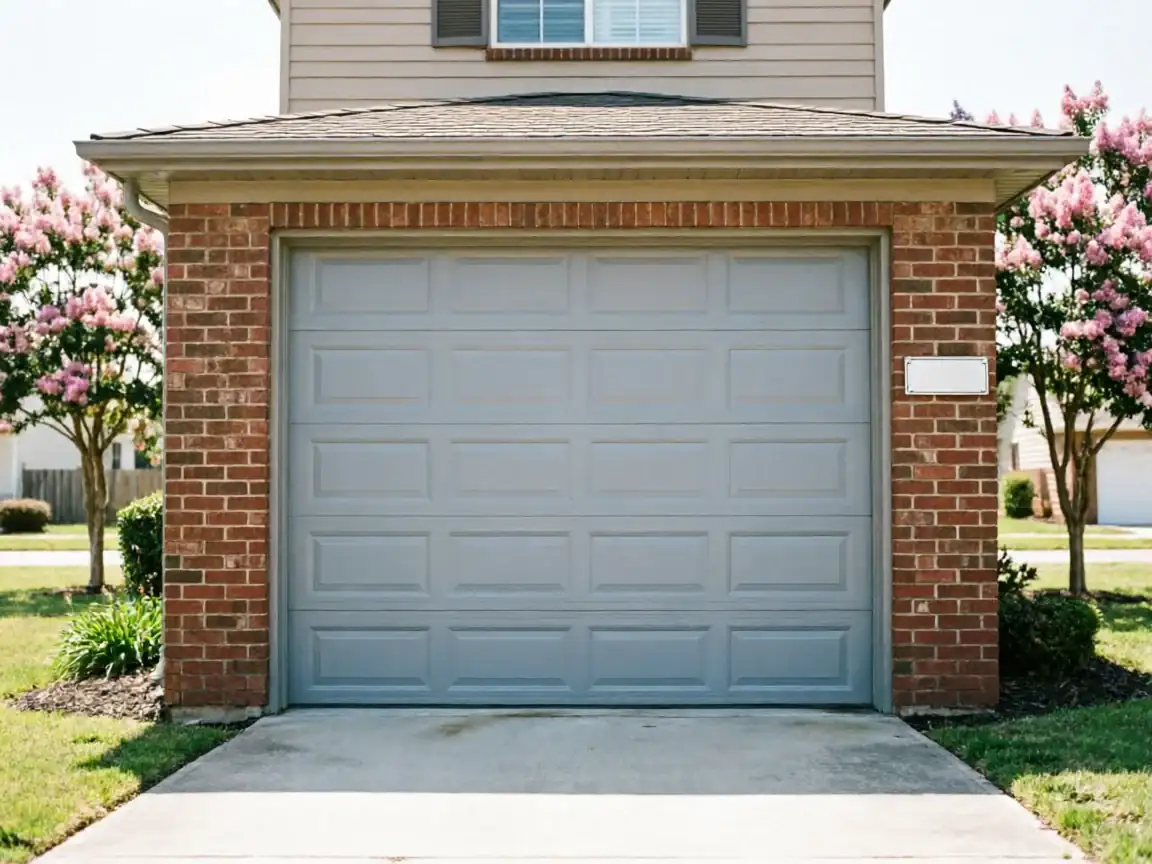
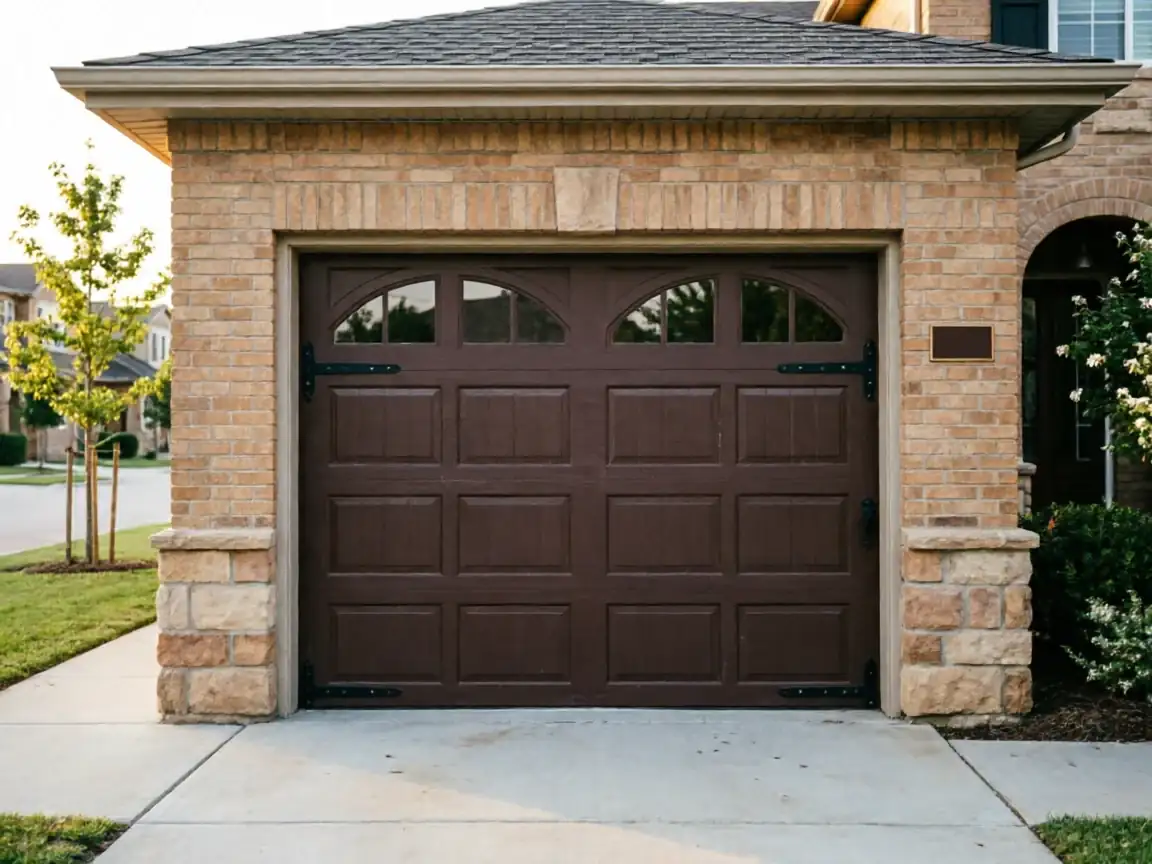
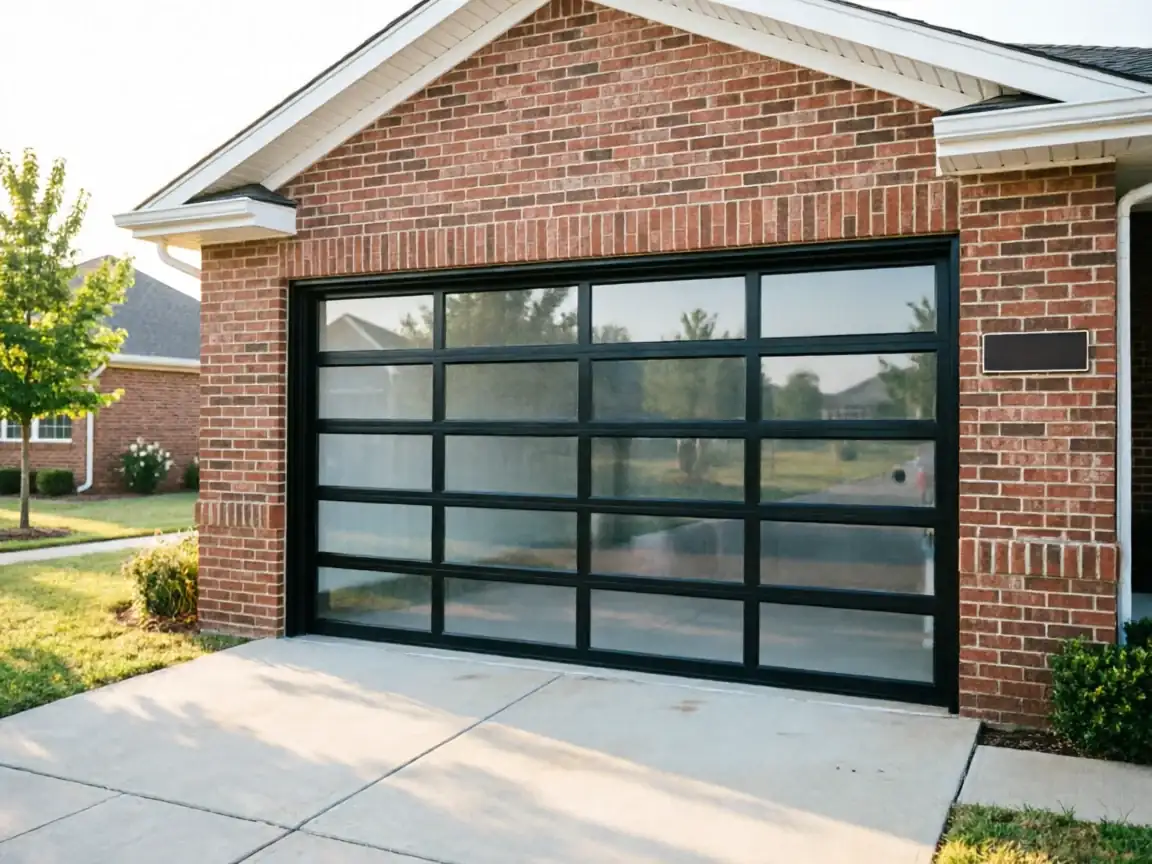
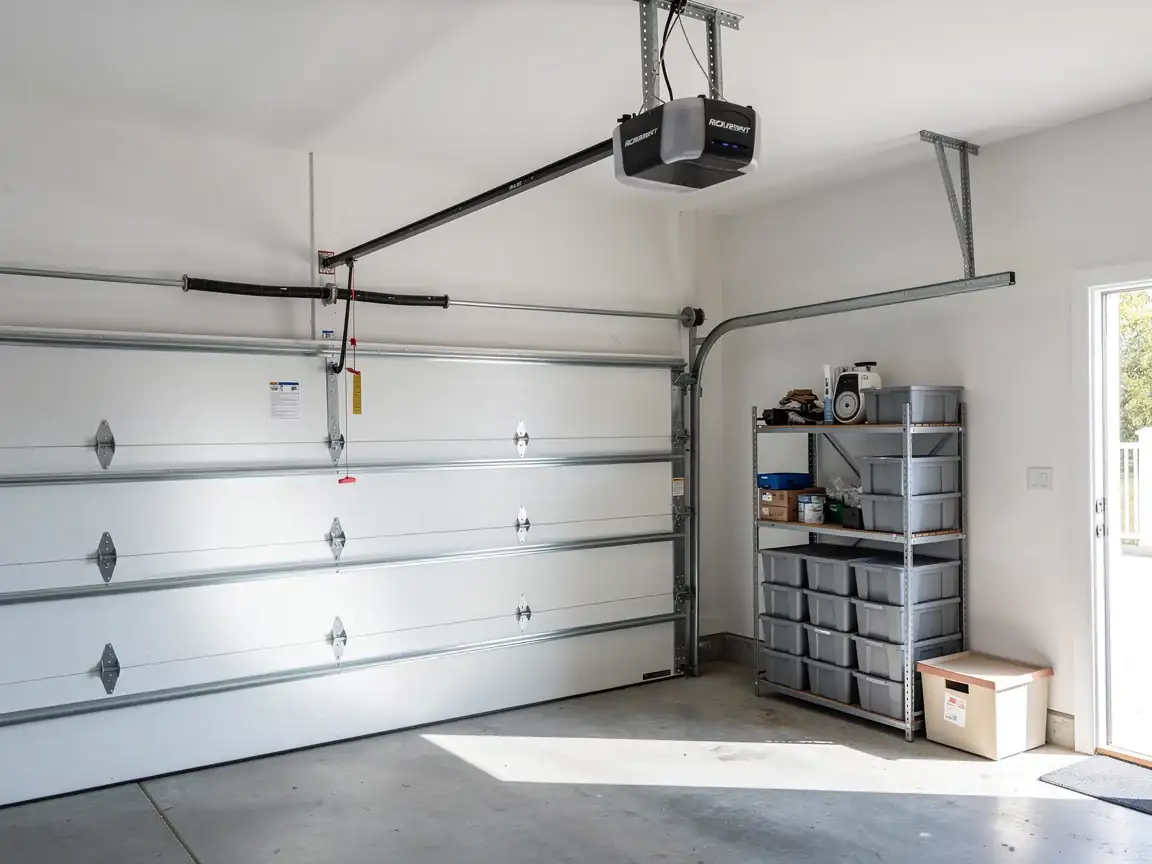
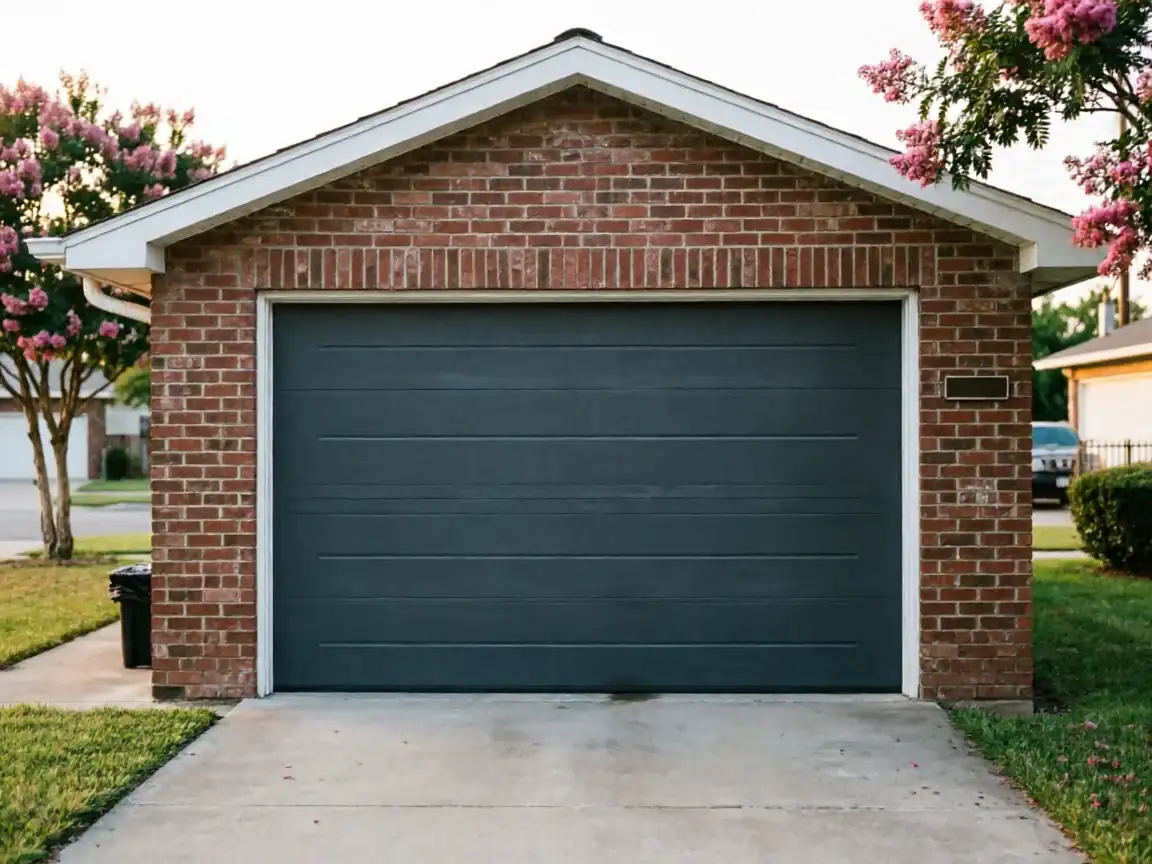
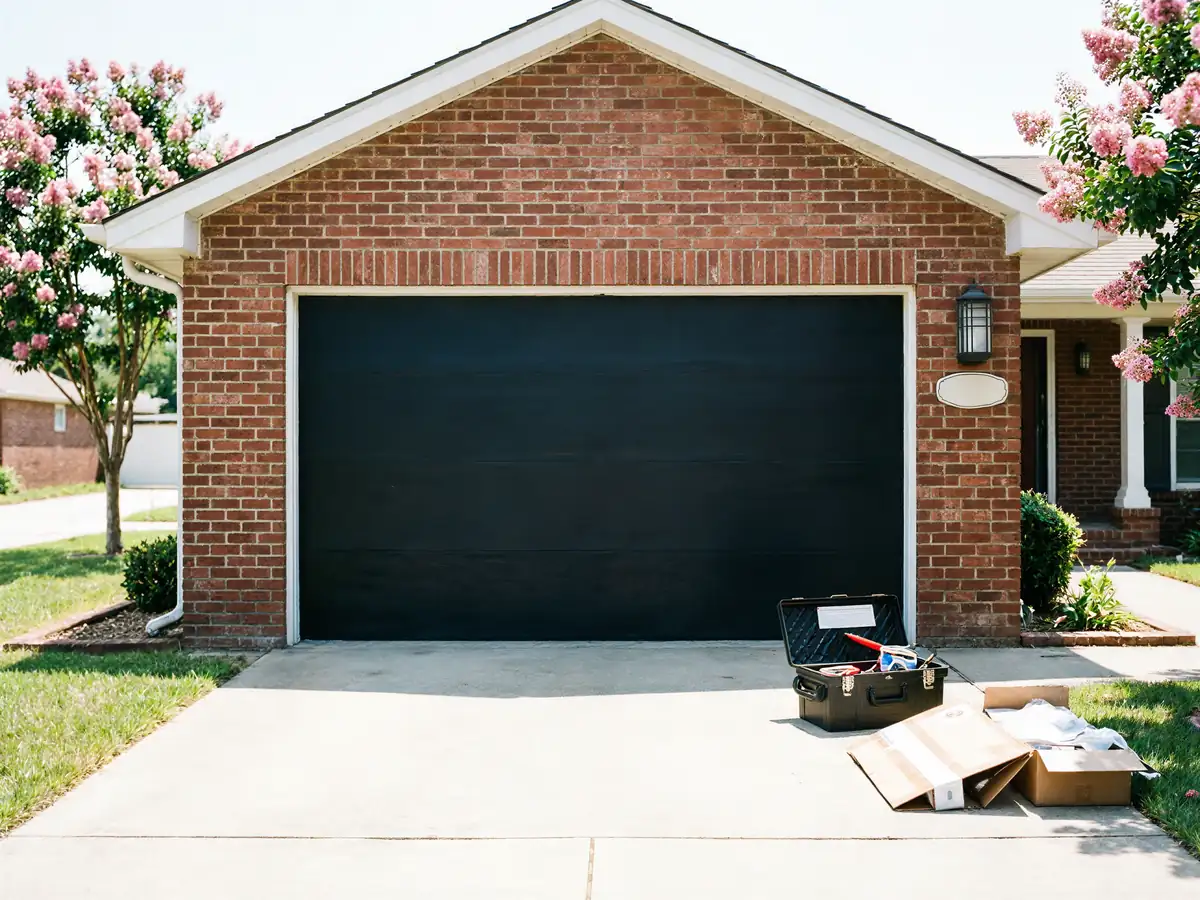
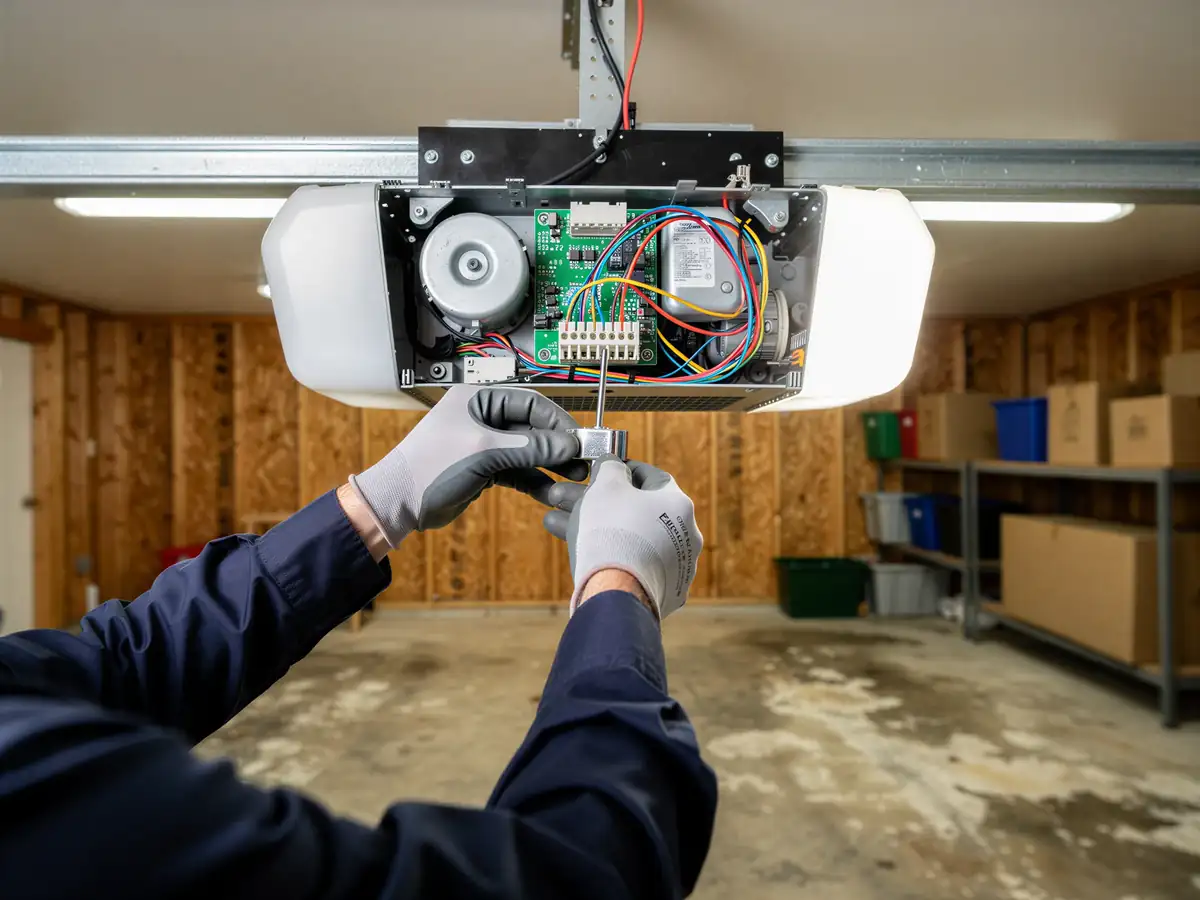
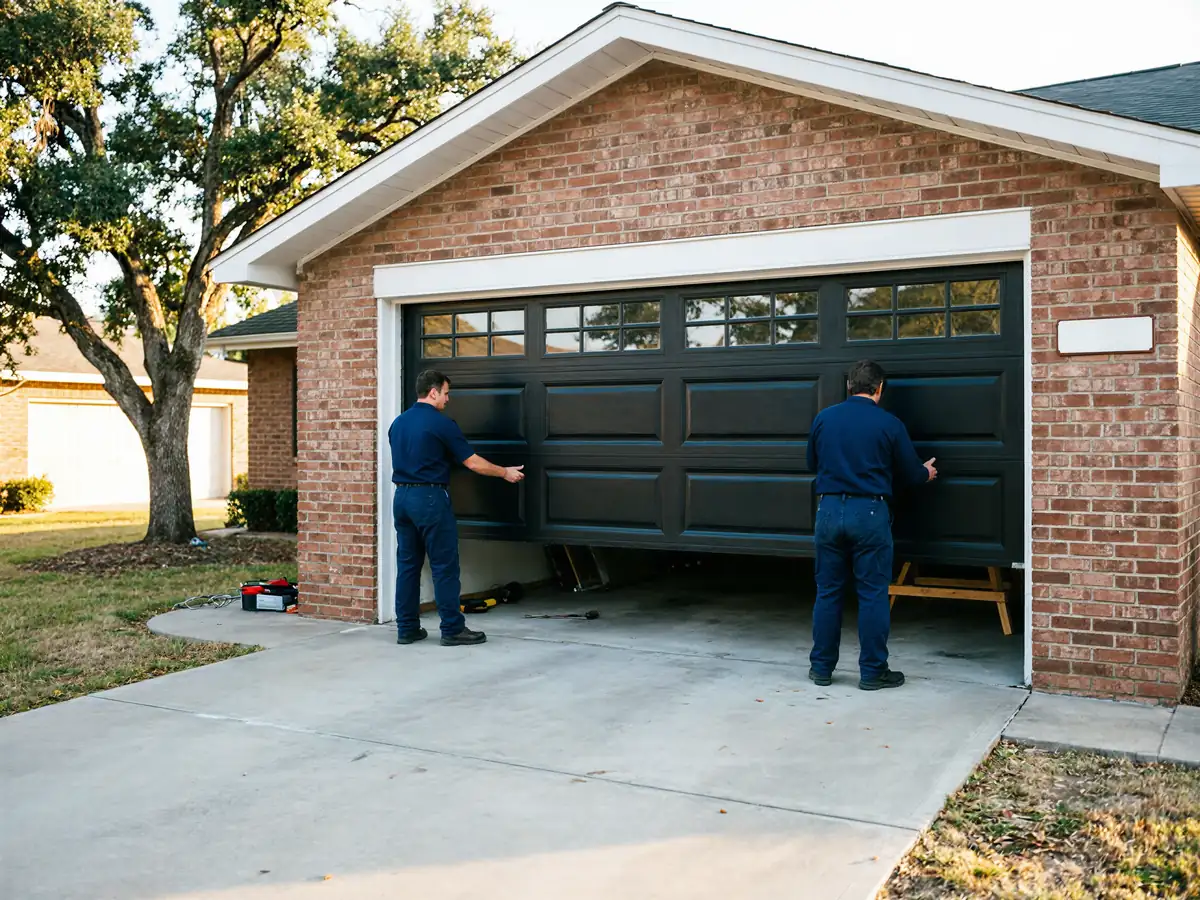
Hitchcock's housing stock centers on 1983, which sits inside the broader 1978-to-1993 window we see across this part of the service area but still skews a touch older than the overall median year of 1984. That difference matters less for the house and more for the door bolted to it. A garage built in the early 80s usually got whatever torsion spring and extension setup was standard at the time, and in a lot of cases nobody has touched it since the house changed hands. We come out from Galveston, about 7 miles away, and the pattern we run into in Hitchcock is less "broken opener" and more "original hardware finally giving out after four decades of mild-climate use." The area doesn't get hard freezes or heavy humidity swings that stress steel the way other climates do, so a lot of these doors have outlasted their springs by a wide margin, which is its own kind of problem - the spring fails without warning because nothing else forced an earlier fix. With 2,769 households in Hitchcock itself, that's a fair number of garages still running on original-era hardware that's simply due.
What Is on the Truck
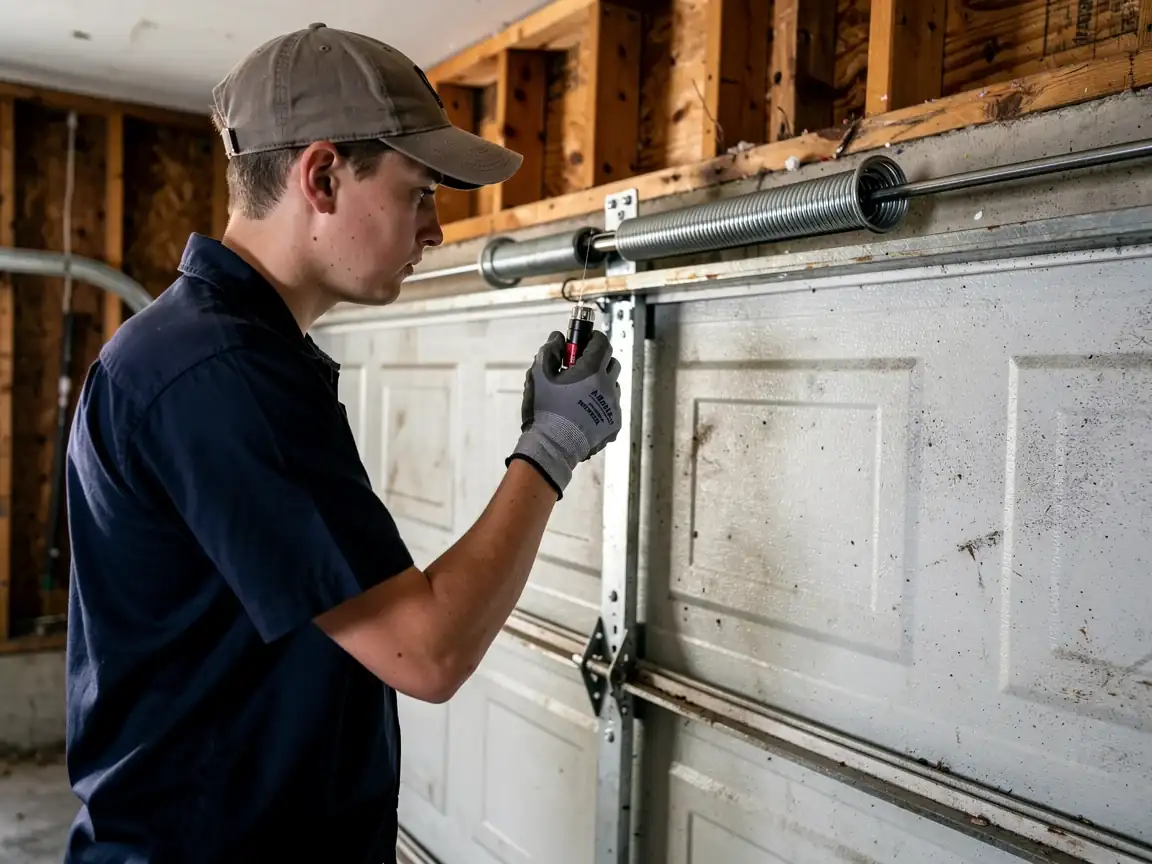
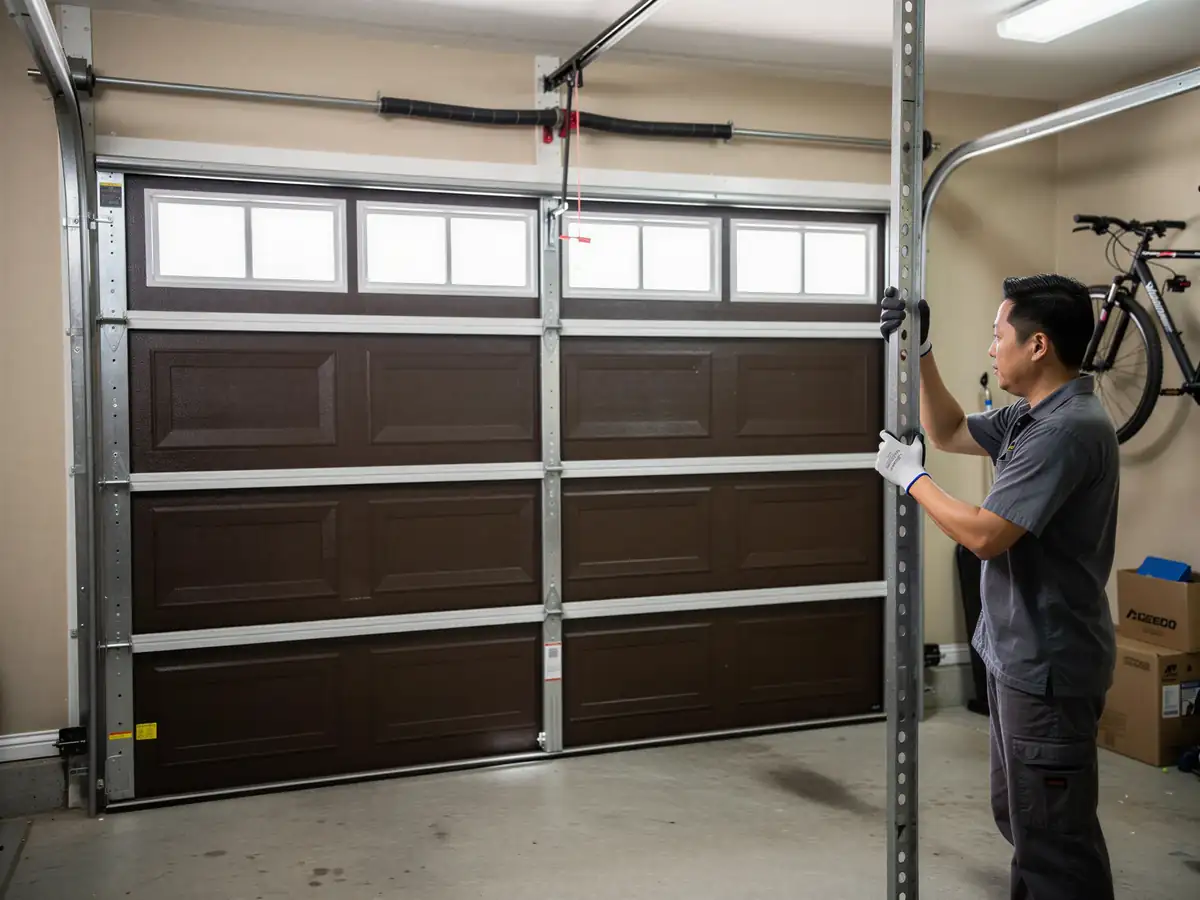
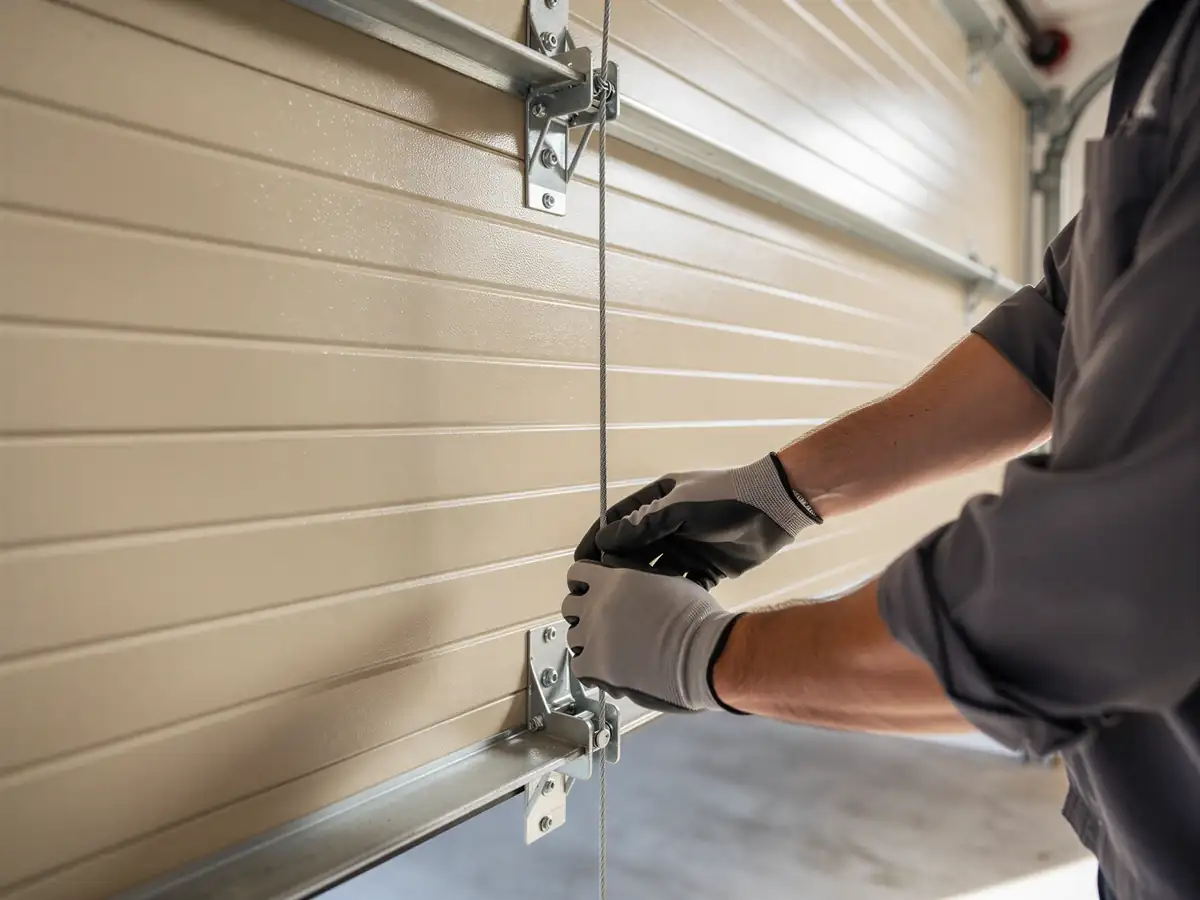
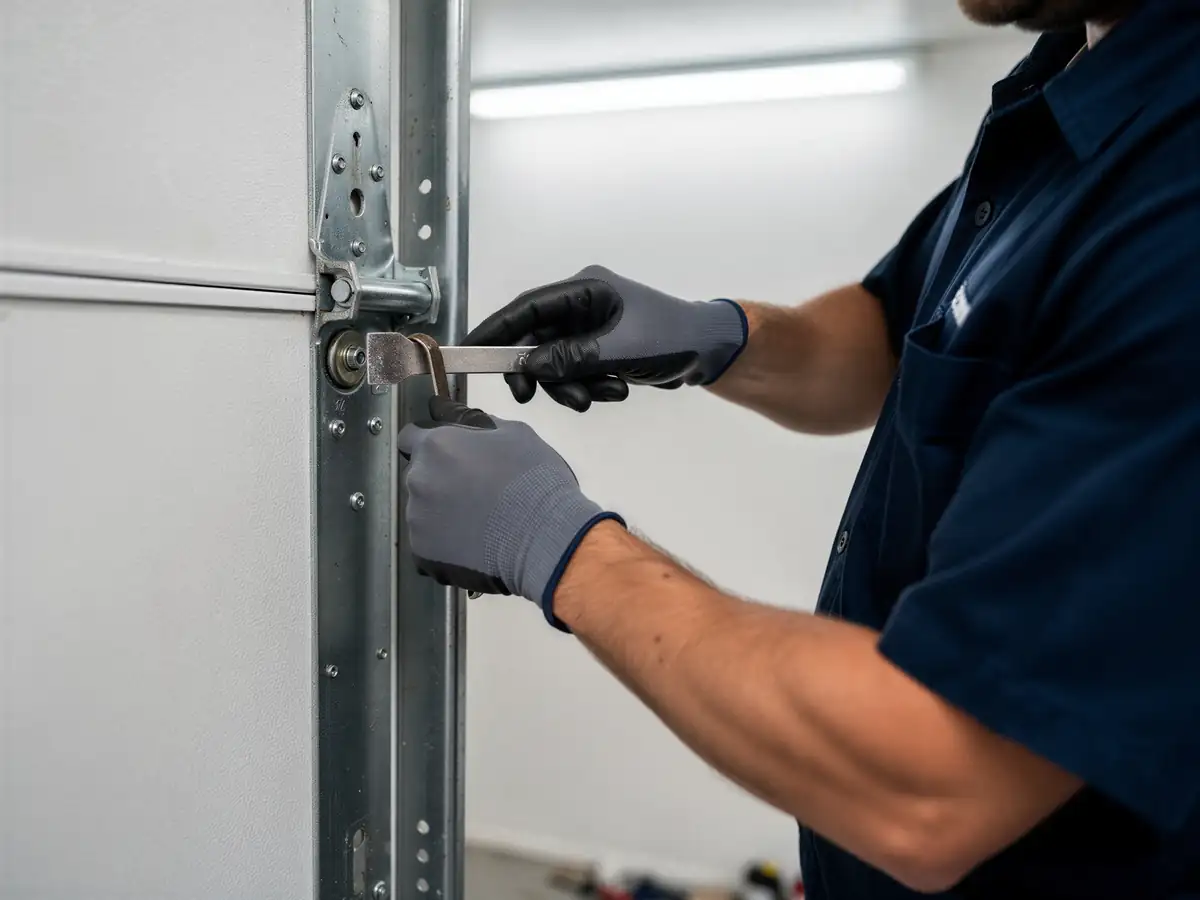
For a town built mostly around the early 80s, the parts that matter are torsion and extension springs sized for the doors common to that era, plus the fasteners and drums that match older track systems rather than newer low-headroom setups. We carry a working stock of standard rollers and cables, since those wear out on a predictable schedule regardless of the house's age. What we don't carry is a guess - if a part turns out to be a less common size or an opener model that's been discontinued, that's a return trip, not a improvisation. Hitchcock's median income sits at $77,713, a bit under the wider area's $82,018, and that's part of why we try to fix what can be fixed rather than push a full replacement as the first option. A repair on original hardware is often the more sensible call here, not because the door is special, but because the house and its budget usually are.
What Can Go Wrong
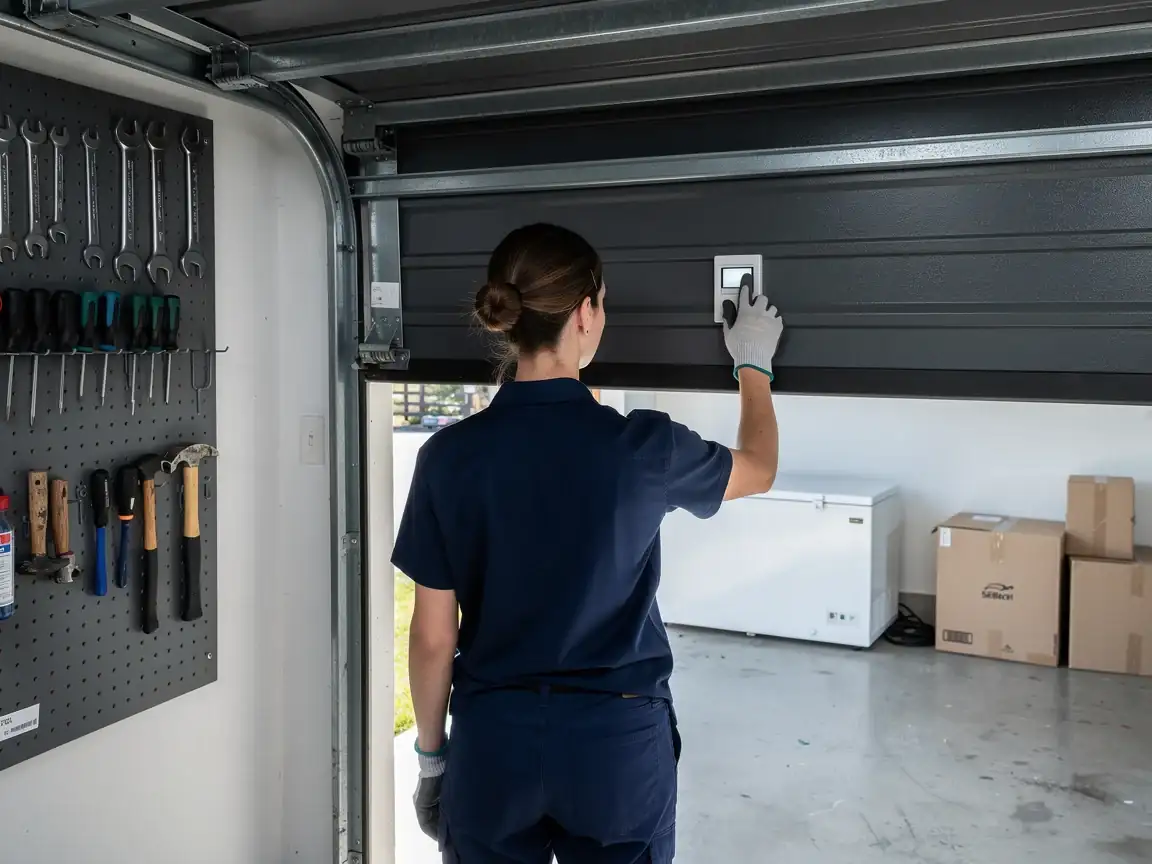
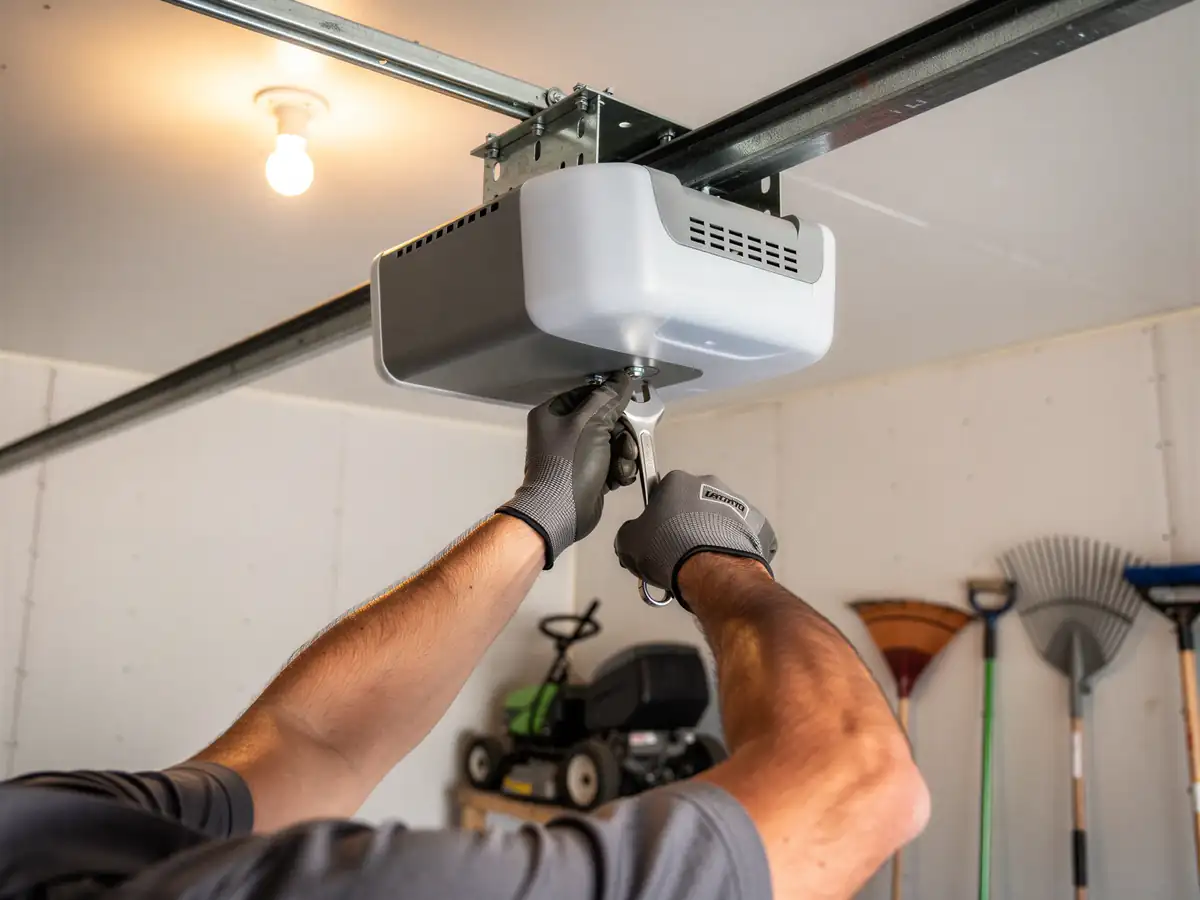
The main risk with 1983-built garages is a spring that's simply reached the end of its cycle count and lets go without any sound beforehand - the door drops, or it won't lift at all. Second most common: an opener from a later retrofit that doesn't match the original track alignment, which shows up as grinding or the door reversing mid-close. We also see rollers worn down to the point the door binds in the track, which looks like an opener problem but isn't. One honest limit: if a door has had multiple openers and partial upgrades over the years, diagnosing it can take longer than the repair itself, since we're working out what's original and what's been bolted on after the fact.