Why It Happens Here
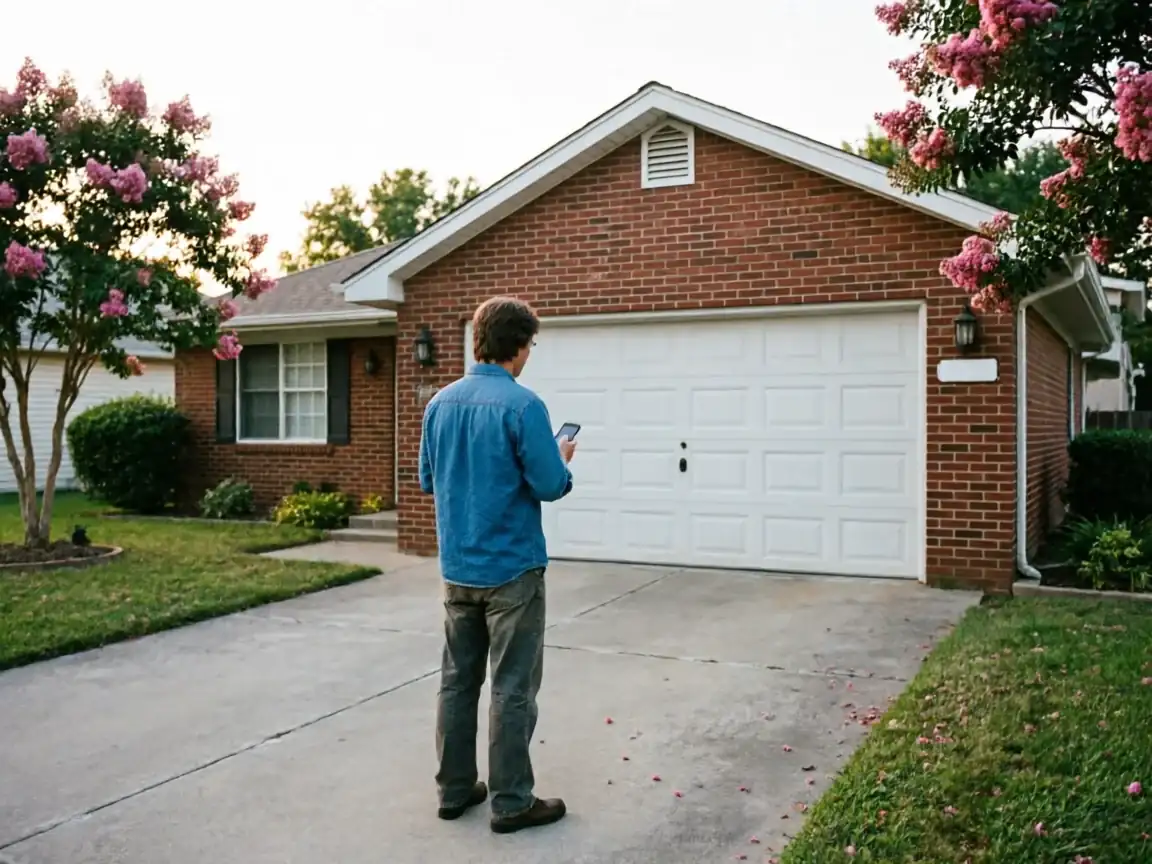
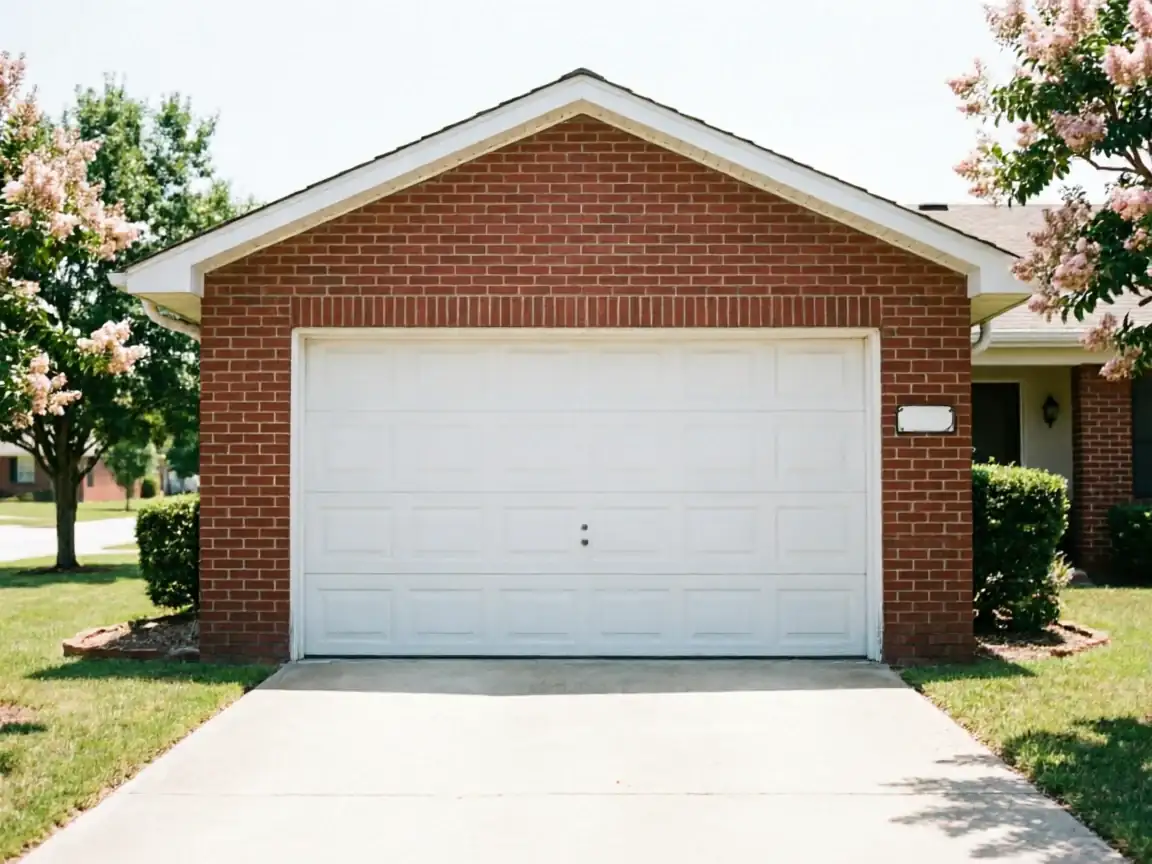
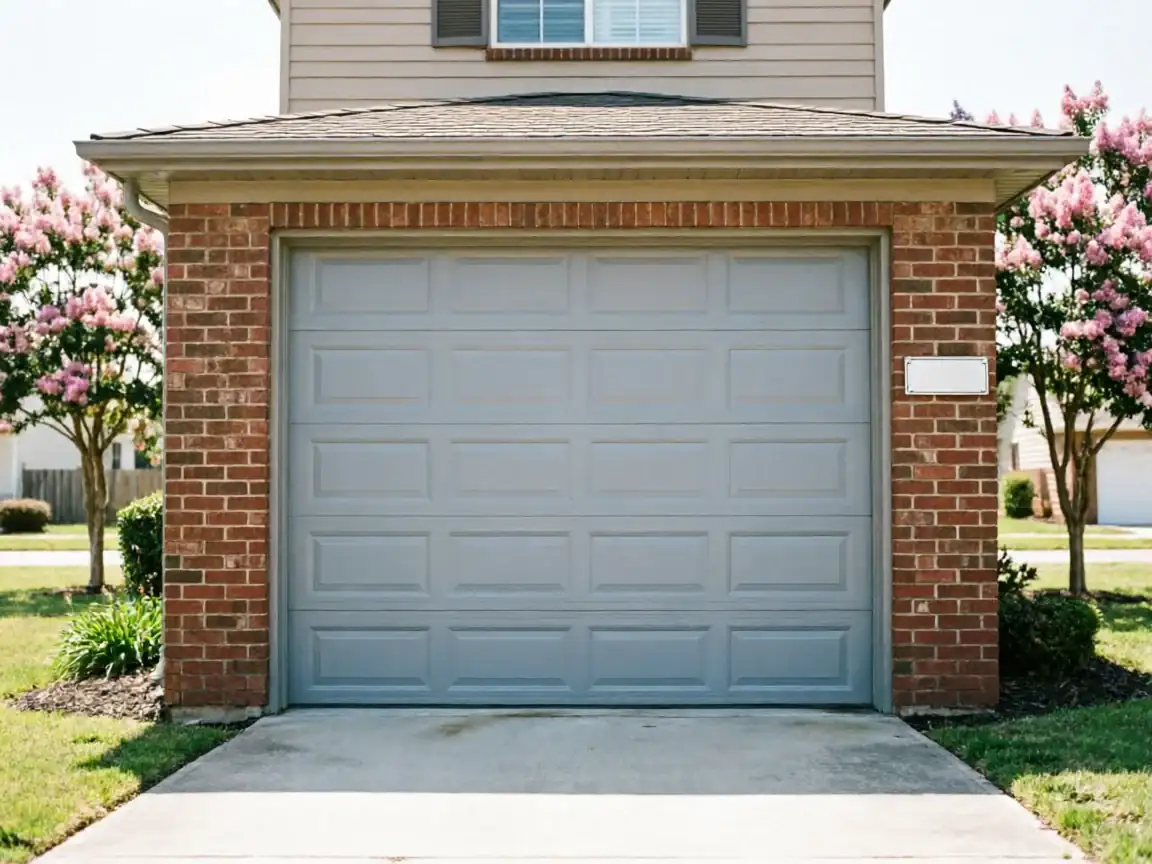
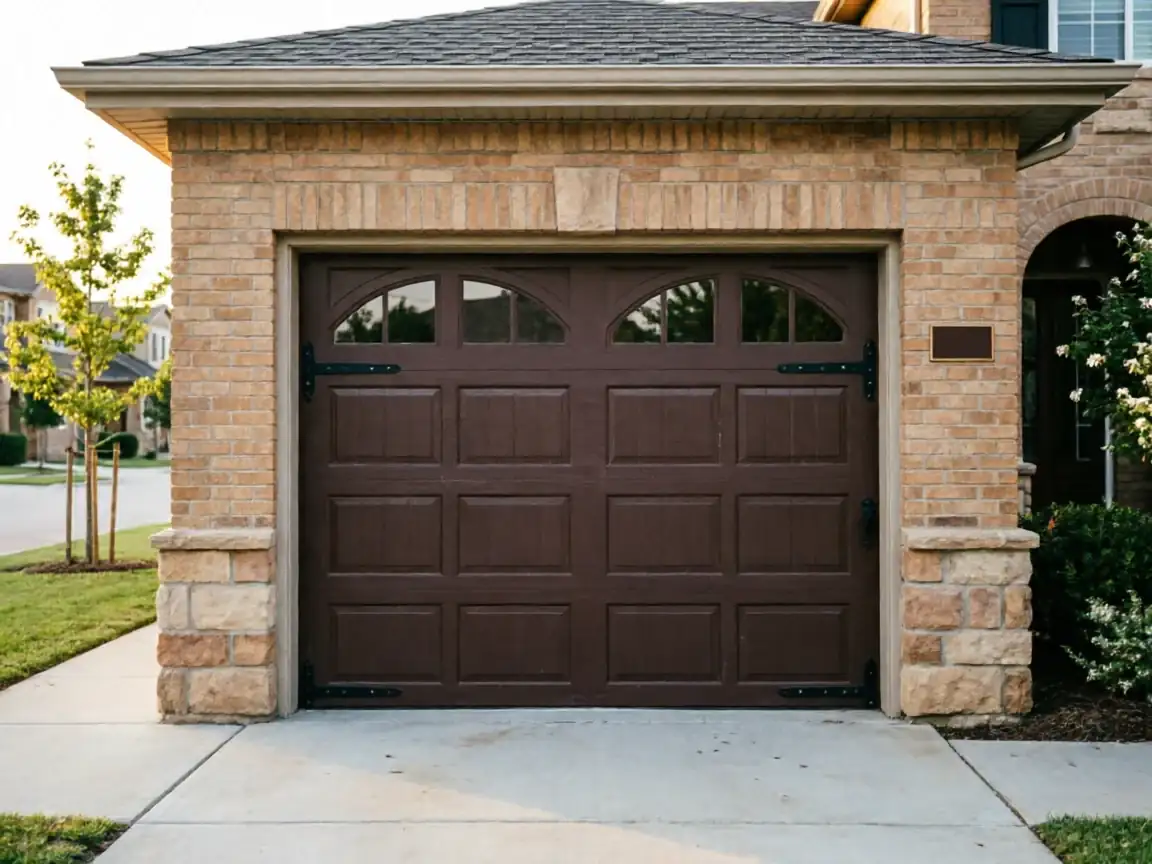
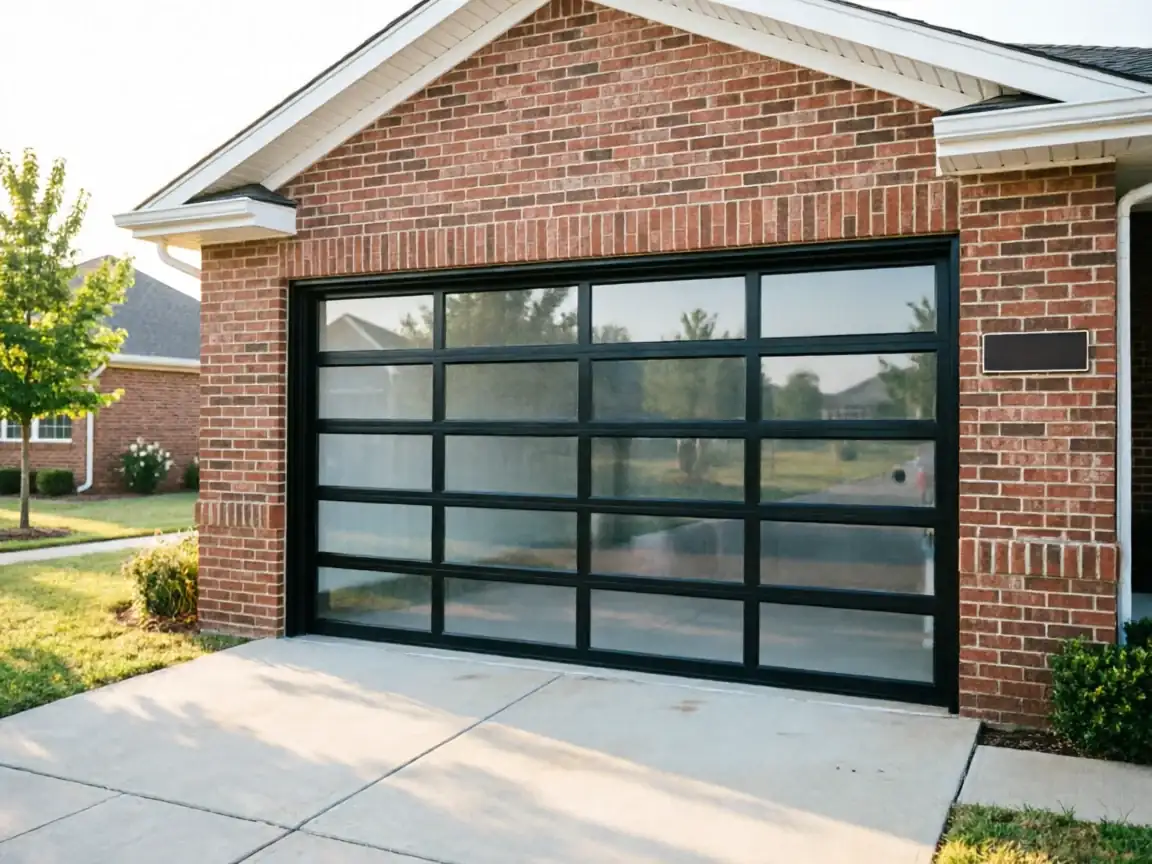
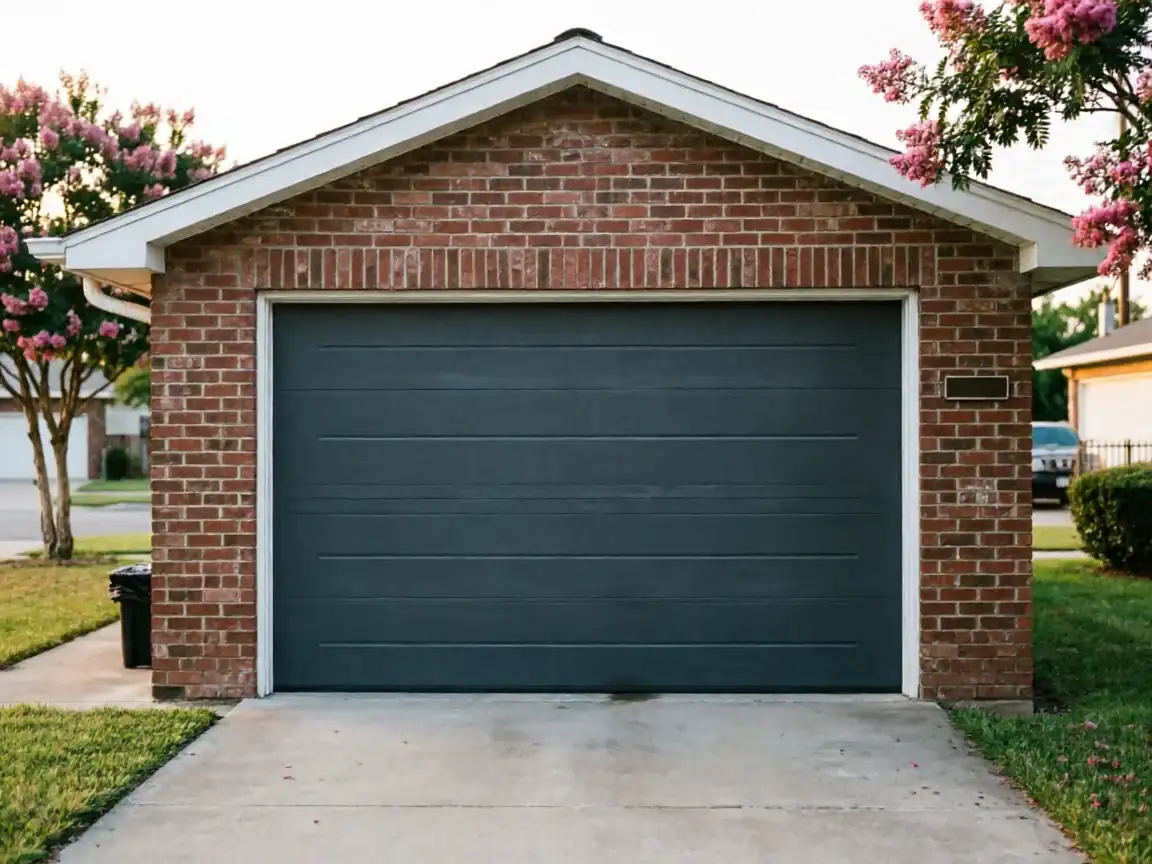
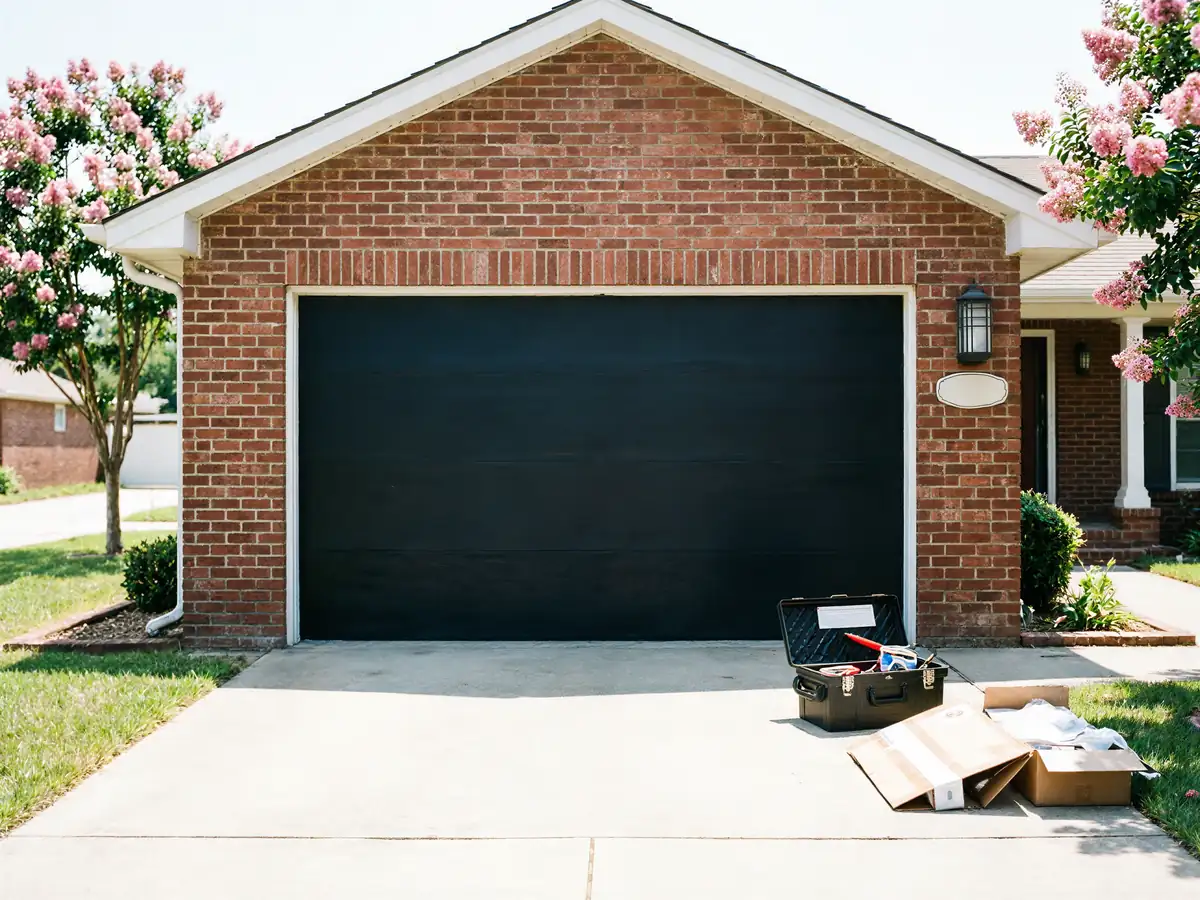
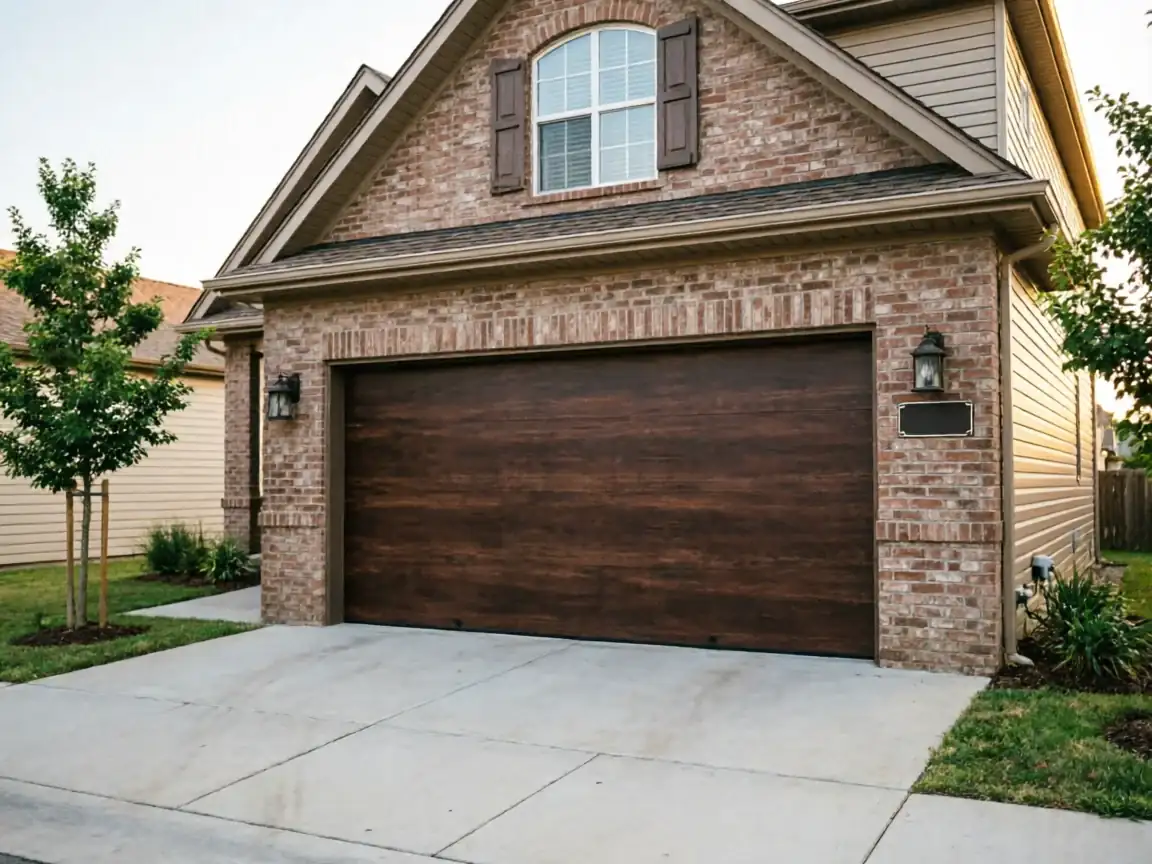
The median home in Hitchcock was built in 1983, sitting right in the middle of the 1978-1993 run that produced most of the houses in this part of the service area. That generation of garage came standard with a lightweight steel door and a chain-drive opener rated for maybe 150 pounds of door weight - fine for the thin panel doors of that decade, not so fine for the heavier insulated doors a lot of owners have swapped in since without ever touching the opener. When the door gets upgraded and the opener doesn't, the opener strains, the gears wear fast, and the door starts dropping instead of lowering. Hitchcock's mild climate means we're not fighting frozen tracks or extreme heat-cycling on the rail the way some regions do, so the failures we see here trace back to that weight mismatch more than to weather. If your house falls into that 1980s stock - and most of this area does - the first question isn't which brand opener you want, it's whether the horsepower rating on the old unit ever matched the door bolted to it in the first place.
What Is on the Truck
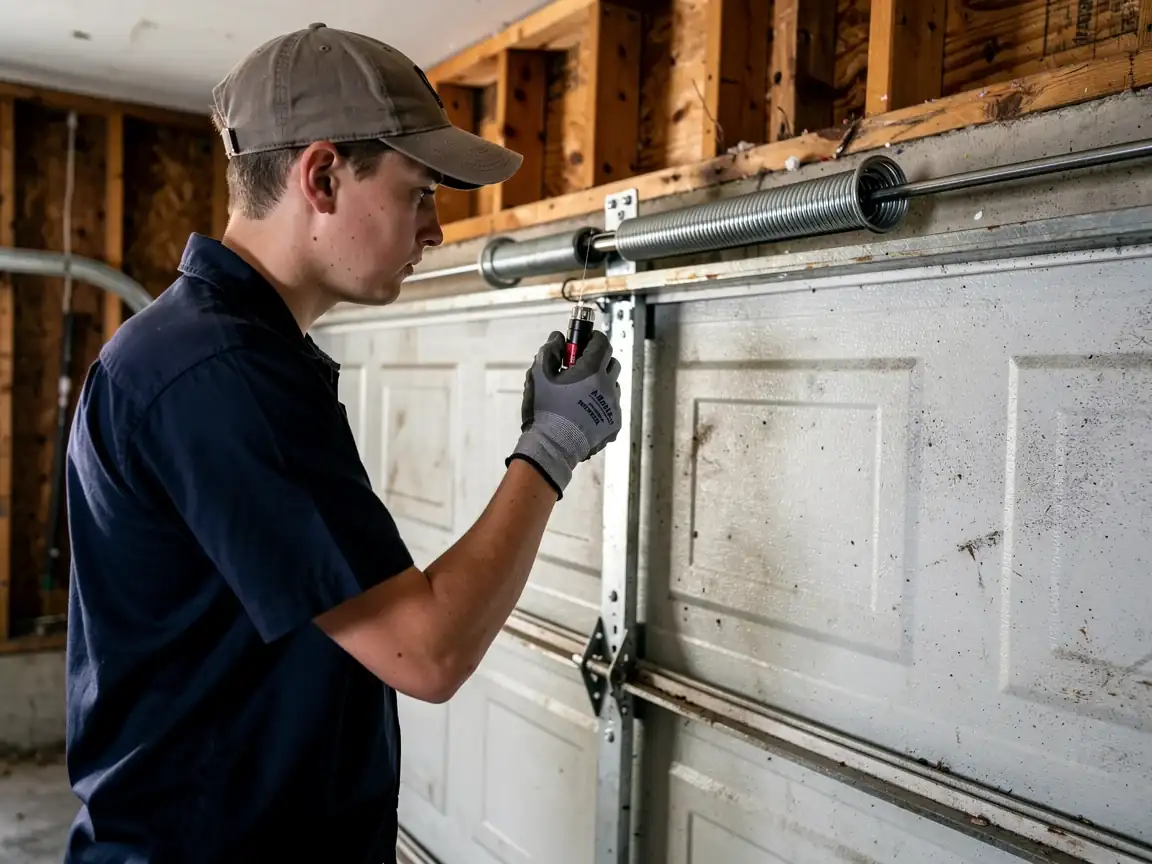
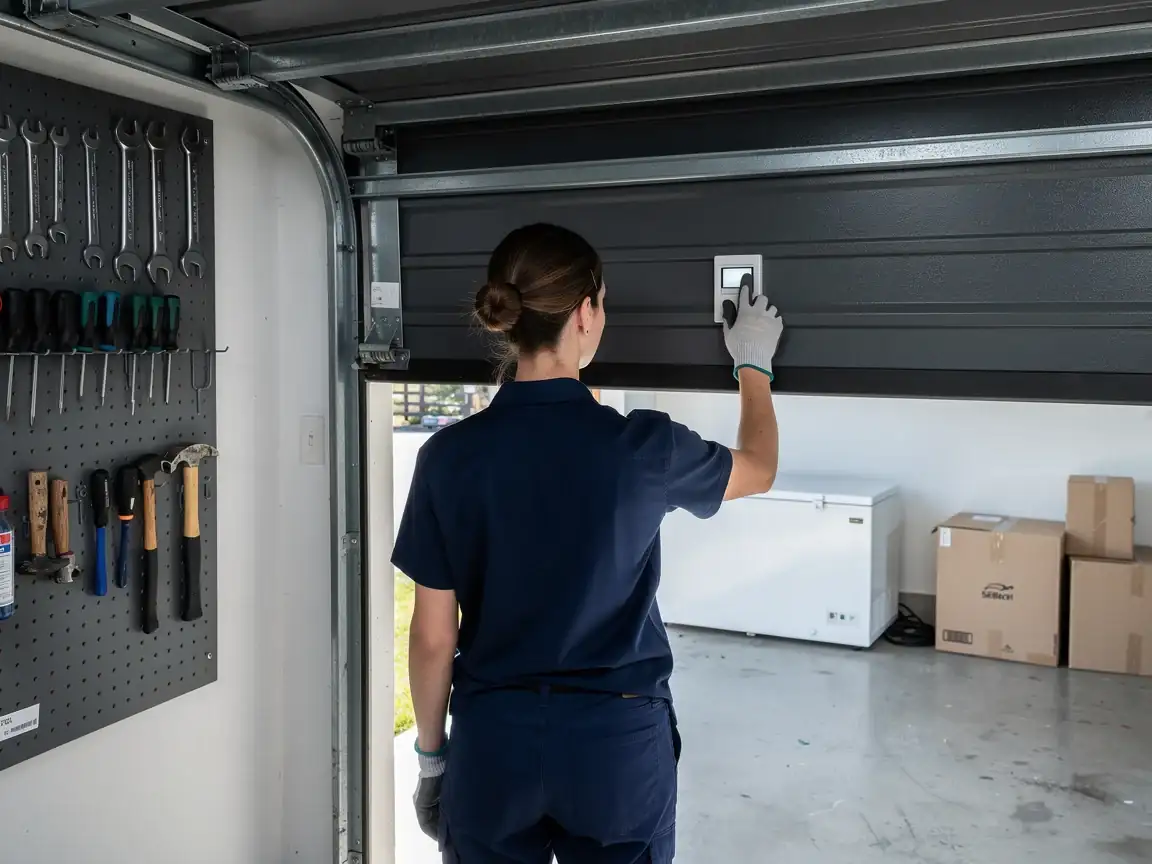
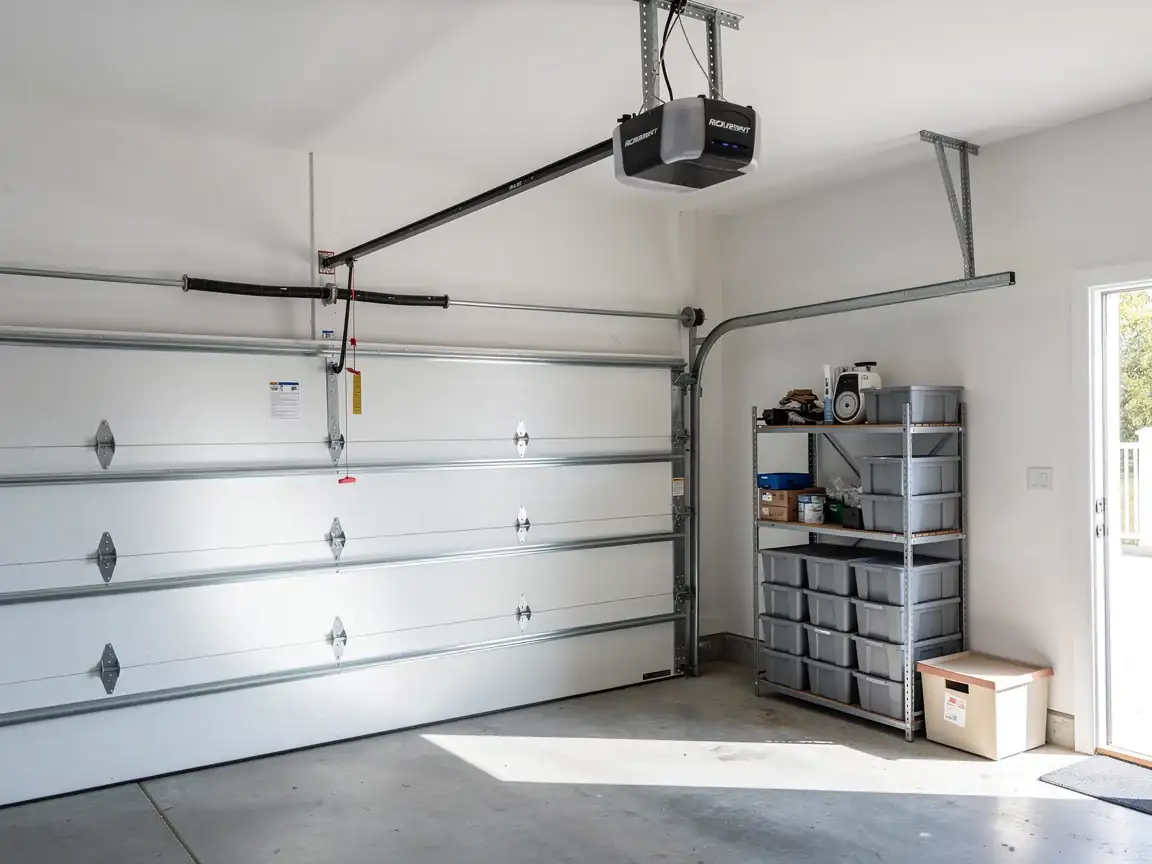
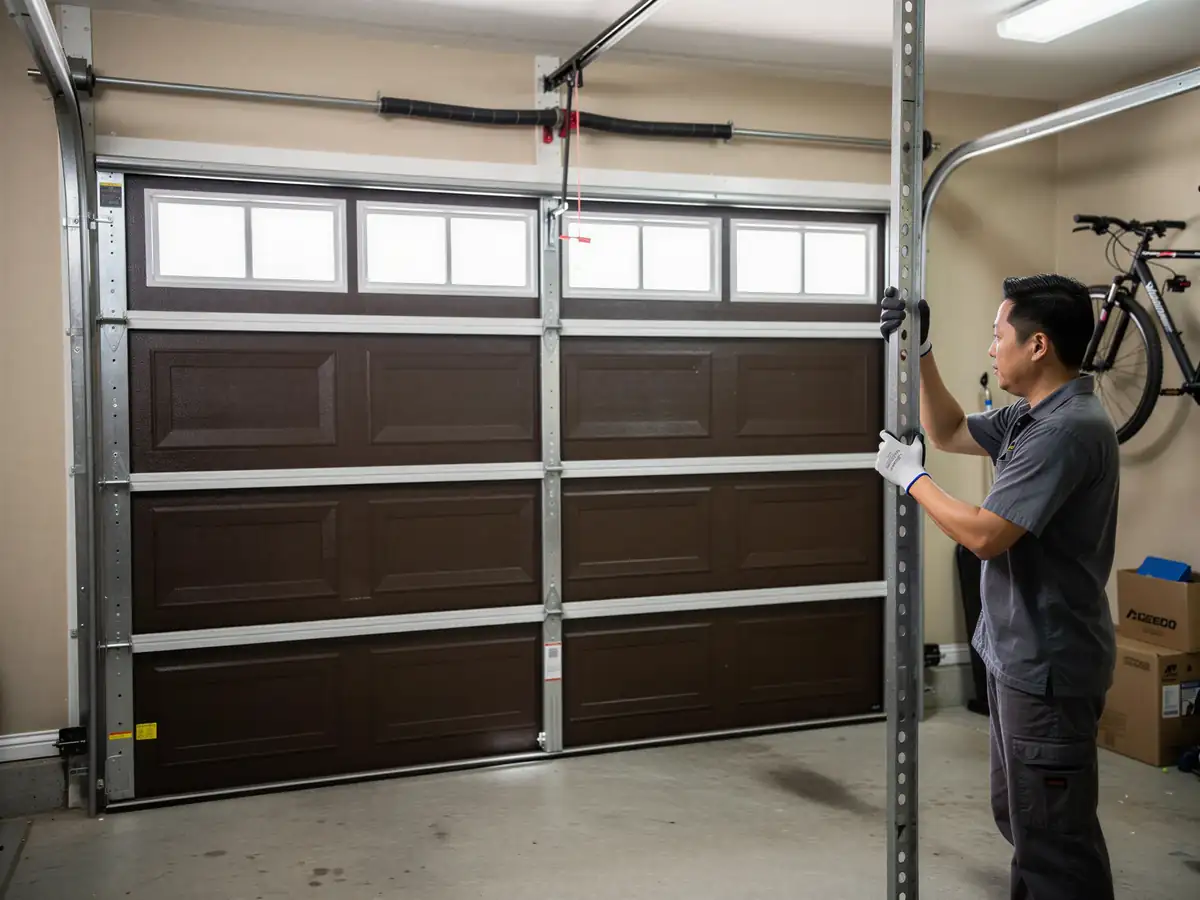
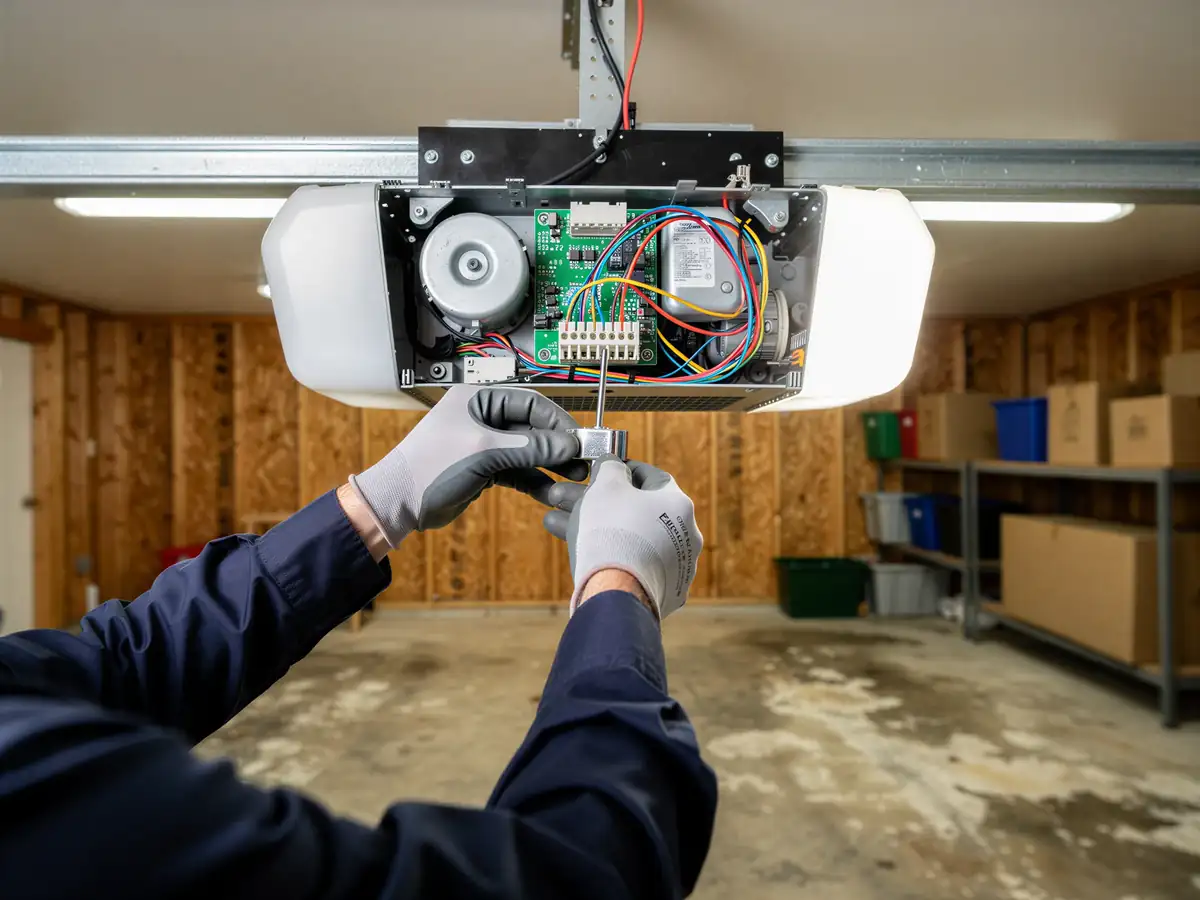
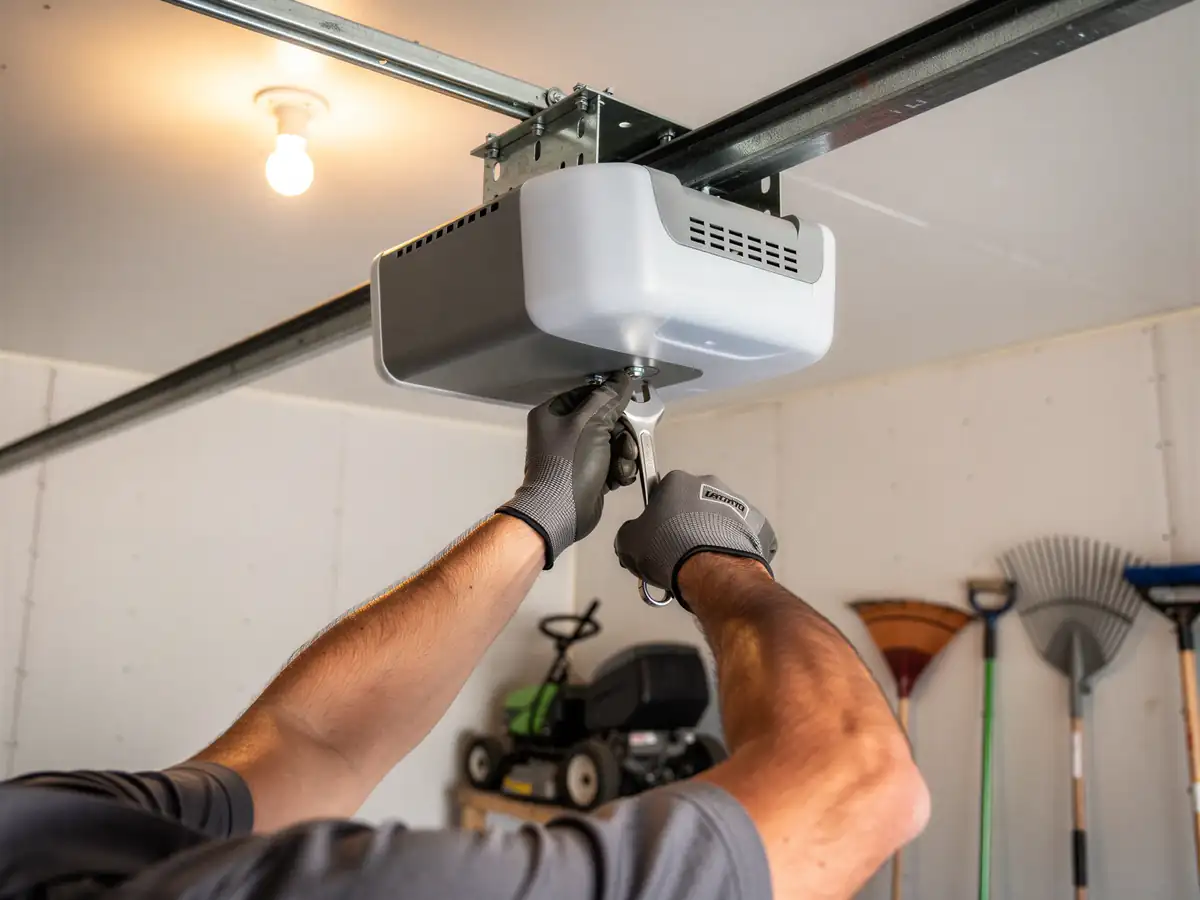
For a neighborhood built mostly in the 1980s and 90s, we carry chain-drive and belt-drive openers in both 1/2 and 3/4 horsepower, because the door on-site decides which one goes up, not the other way around. We also stock the rail extensions and header brackets that older garages in Hitchcock tend to need - ceiling clearance and header depth on houses from that era don't always match the bracket kit that ships in the box with a new opener. Mounting hardware for older track spacing is on the truck too, since some of these garages were framed before today's standard door widths became common. What we don't carry is every smart-home hub on the market - if you want an opener tied into a specific home automation system beyond the basics, we'll tell you that up front rather than sell you a unit that half-works with your setup. Keyed wall stations, remotes, and safety sensor kits round out what's standard on every truck, because a 40-year-old garage is as likely to need a sensor replacement as a full opener swap.
What Can Go Wrong
The most common mismatch we find in Hitchcock is a new insulated door paired with the original 1980s chain-drive opener - it runs, but it's overworked, and it'll fail again within a year or two. Header clearance is another one: garages framed in the early 1980s sometimes have less headroom than current opener brackets assume, which means a bracket swap or a different rail profile before the unit goes in. Wiring is a smaller but real issue - older garages weren't always built with a dedicated outlet near the ceiling, so a licensed electrician may need to run power before we can hang the opener at all; that's outside what we do and we'll say so rather than jury-rig it. At a median household income of $77,713, most owners here are deciding between a straightforward chain-drive replacement and a belt-drive upgrade, not shopping for the most expensive unit on the shelf, and we'll size the recommendation to the door and the budget rather than push the upsell.